Can You Get Braces With Wisdom Teeth? What to Know
Yes, you can get braces even if you still have your wisdom teeth. In most cases, these back molars do not interfere with orthodontic treatment. The difference comes from careful evaluation, planning, and monitoring by your orthodontist. Below, learn how wisdom teeth develop, when they may influence braces, when removal might be advised, and how to keep your results stable long term. If you are wondering, can you get braces with wisdom teeth, the short answer is yes, with the right plan in place.

What Are Wisdom Teeth?
Wisdom teeth are the third molars at the very back of your mouth and are the last permanent teeth to form. They were useful for early humans who needed extra chewing power, but today many people have smaller jaws and less room for these teeth to come in properly.
Most wisdom teeth start to erupt between ages 17 and 25, though timing varies. Some never fully erupt, remain trapped in the jaw, or may not develop at all. When a tooth is blocked by bone or by other teeth and cannot emerge normally, it is considered impacted.
Because they erupt later and sit far back in the mouth, wisdom teeth are more likely to be angled or impacted and can be difficult to clean. Their position can increase the risk of decay and gum irritation if they are not accessible for thorough brushing and flossing.
How Wisdom Teeth Can Influence Orthodontic Treatment
For most patients, wisdom teeth do not cause significant crowding or reverse orthodontic progress. Still, they can factor into treatment planning in certain situations.
- Possible crowding: If jaw space is limited, an erupting wisdom tooth may place pressure on the molars in front of it. Although research shows these teeth are not the sole cause of crowding, they can contribute when combined with other factors such as late jaw growth or not wearing retainers as instructed.
- Effect on alignment and bite: Poorly positioned or impacted wisdom teeth can irritate nearby teeth, influence the bite, or make it more challenging to achieve ideal alignment. Infections or cysts that form around impacted teeth can also affect the surrounding bone and tooth stability.
- Oral hygiene challenges: Partially erupted wisdom teeth are prone to gum inflammation and decay. Managing these issues while wearing braces can be difficult, and in some cases your orthodontist may adjust appliances to accommodate eruption paths or protect molars during movement.
Do Wisdom Teeth Need to Be Removed Before Braces?
Not always. Many people complete orthodontic treatment successfully with their wisdom teeth intact. The decision is individualized and based on a clinical exam and imaging.
- What guides removal decisions: Your orthodontist will evaluate jaw space, tooth angulation, the likelihood of impaction, any pain or infection, gum health, and how these teeth might interact with planned tooth movement. If the risk to adjacent teeth or the treatment outcome is clear, removal may be recommended.
- Team-based evaluation: A panoramic radiograph or 3D CBCT scan helps determine the position and risk level. If extraction is advised, your orthodontist will coordinate with an oral surgeon to determine the safest approach and timing.
- Scheduling removal: If needed, extraction can take place before braces, during treatment, or after braces. Severely impacted teeth that threaten the second molars are often removed before or early in treatment. If the teeth are symptom-free and not affecting movement, removal may be postponed or avoided.
Can You Keep Your Wisdom Teeth and Still Get Braces?
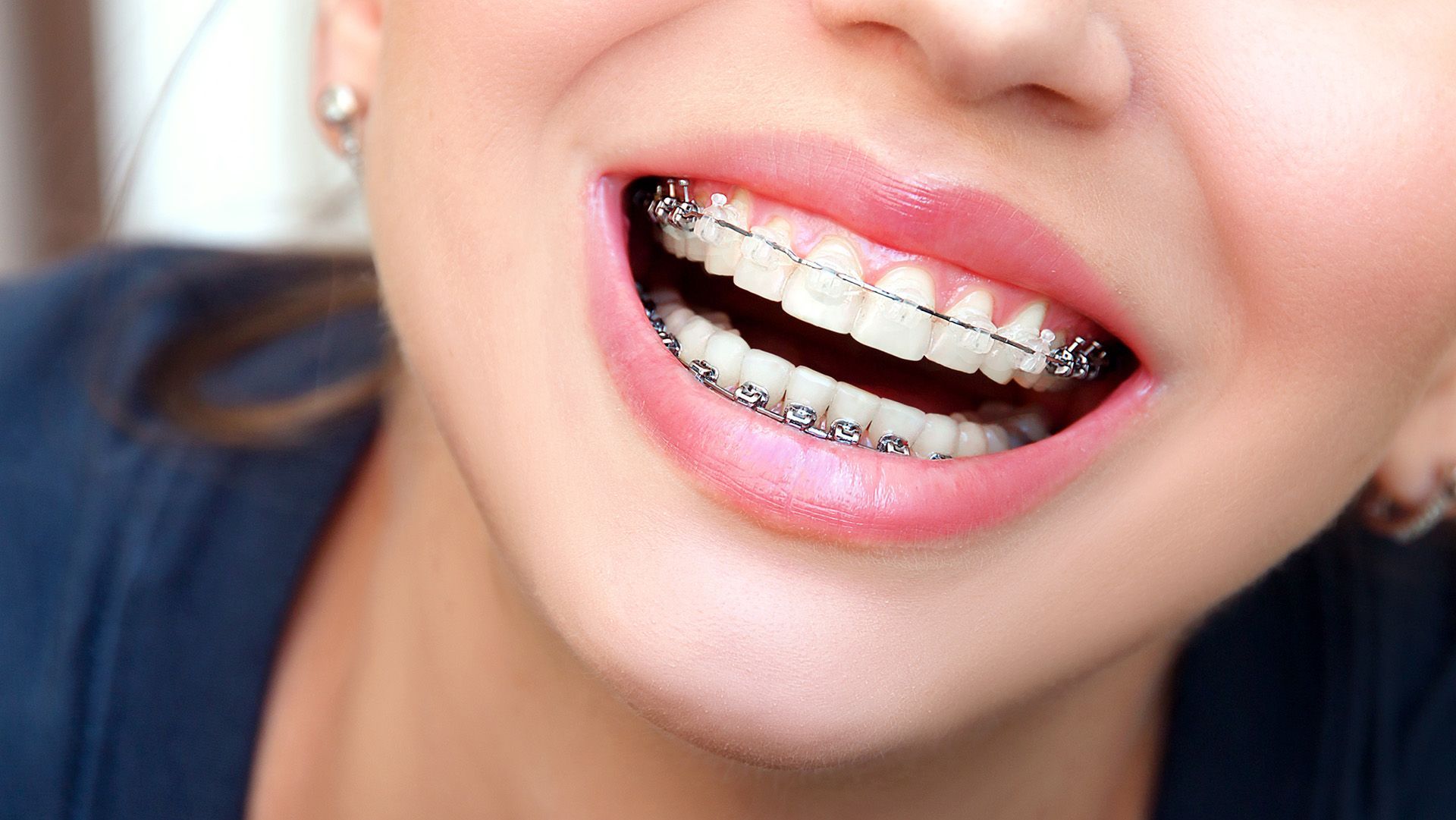
Yes. Many teens and adults begin braces with wisdom teeth present and never require extraction. The key is ongoing monitoring and flexibility in your orthodontic plan. If you have been asking, can you get braces with wisdom teeth, remember that the answer depends on space, position, and your overall oral health, but most patients can proceed.
- When treatment can proceed: If there is adequate space, the wisdom teeth are developing normally, and there are no signs of infection or damage to neighboring teeth, braces can begin without removal. Wisdom teeth that are dormant or positioned in a way that does not threaten other teeth may simply be observed.
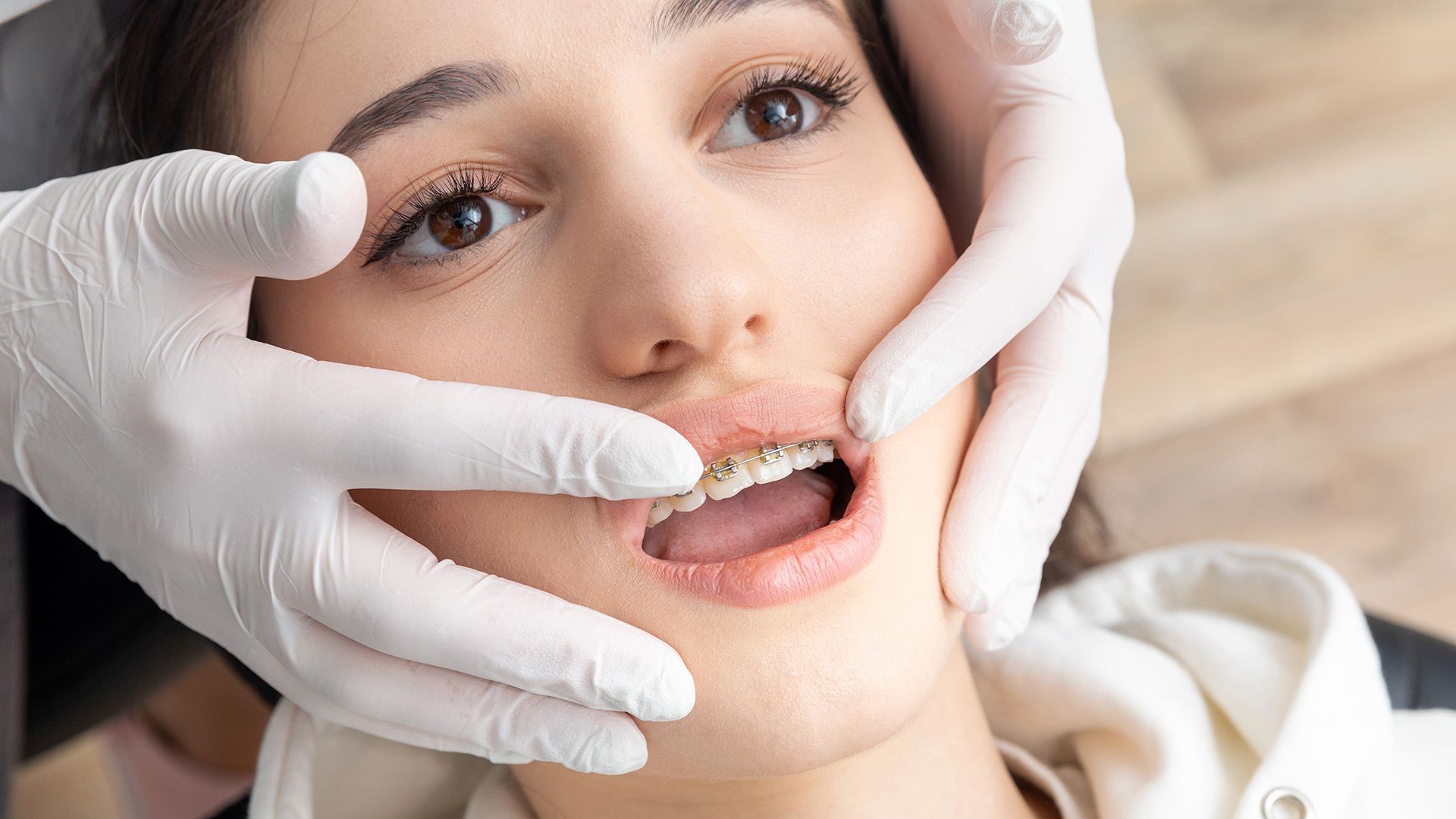
- Monitoring during treatment: Regular checkups and periodic imaging allow your orthodontist to follow eruption, angulation, and root development. Your care team will also watch for gum inflammation, decay risk, or pressure on second molars.
- Adapting if eruption occurs: If a wisdom tooth begins to erupt during braces, your orthodontist can adjust wire sequences, use space-management strategies, or coordinate with an oral surgeon if symptoms develop. Clear aligner treatment plans can also be updated to reflect new tooth positions or to accommodate extraction if required.
After Braces: Managing Wisdom Teeth and Protecting Your Results
Once braces come off, the priority is maintaining your alignment and protecting your new smile. Wisdom teeth are one of several considerations when planning long-term retention.
- Will removal cause shifting? Extracting wisdom teeth does not cause crowding. In fact, removal can eliminate a source of pressure or inflammation. Minor bite changes after any dental surgery are usually temporary and related to healing. The most reliable way to prevent relapse is to wear your retainers as directed.
- Long-term monitoring: Even after treatment, routine dental exams and periodic X-rays help evaluate wisdom teeth that remain. Your dentist and orthodontist will monitor for decay, gum issues, or cysts and recommend removal if problems arise later.
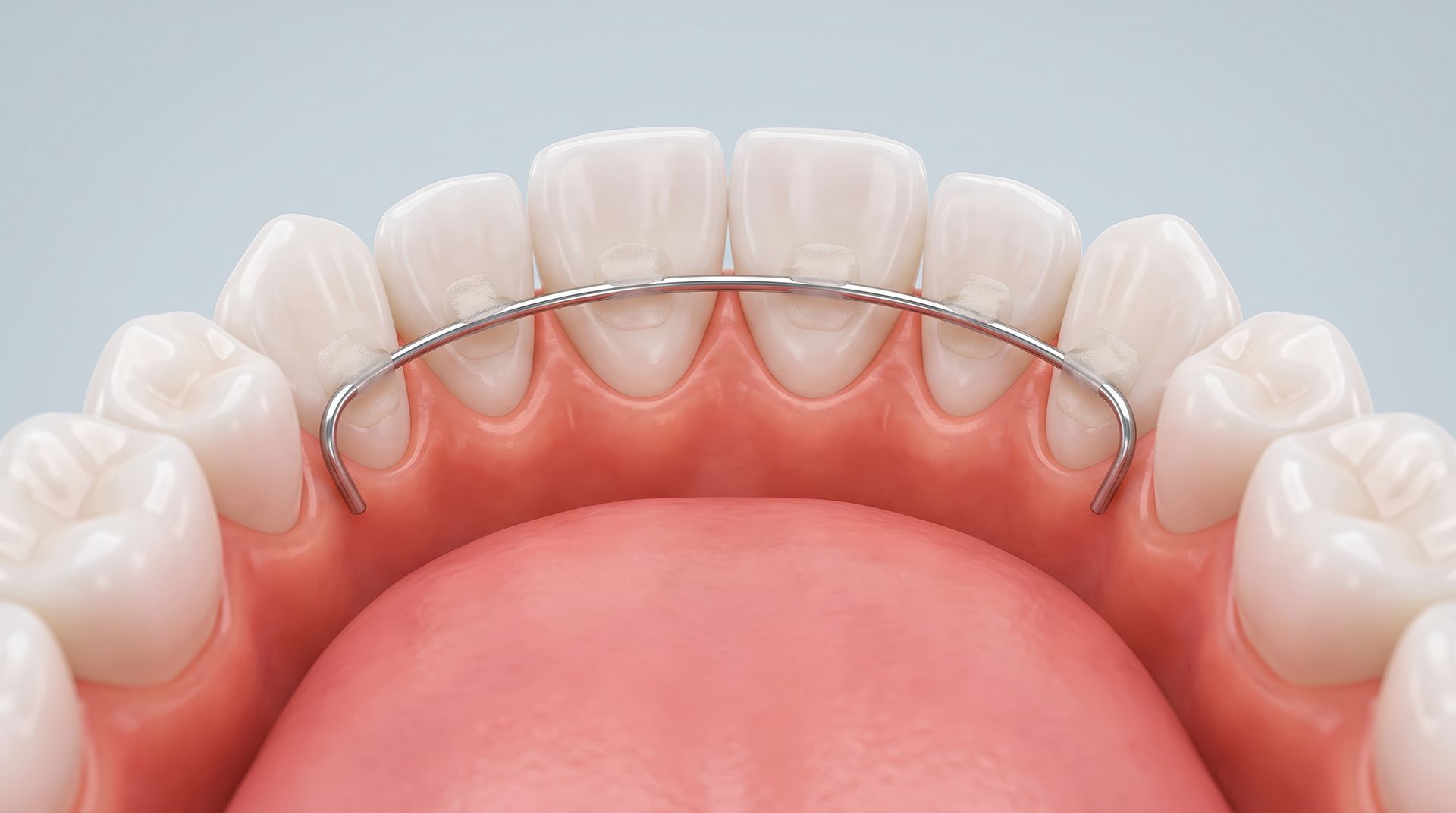
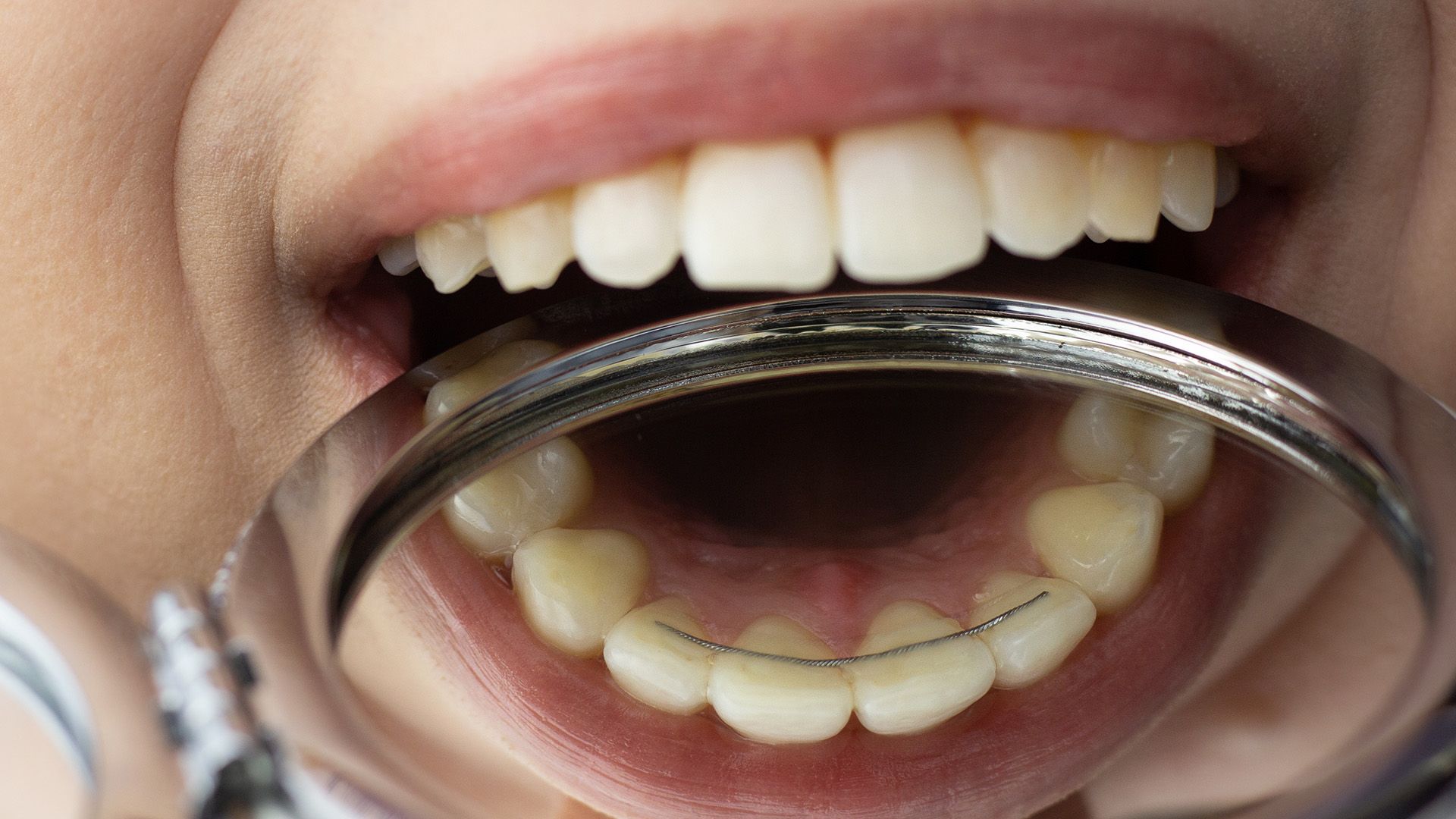
- Daily care tips: Pay extra attention to brushing and flossing around the back molars. Brush twice a day with fluoride toothpaste, clean between teeth daily, and keep up with professional cleanings. Wear your retainers as prescribed, store them safely, and contact your orthodontist if a retainer feels tight, which can signal shifting.
Signs Your Wisdom Teeth May Need Attention
- Pain or swelling at the back of the mouth
- Gum tenderness or recurring inflammation around a partially erupted tooth
- Bad taste or persistent bad breath that may indicate infection
- Difficulty opening your mouth or jaw discomfort
- Food trapping or bleeding around the back molars
If you notice these symptoms during or after orthodontic treatment, schedule an evaluation promptly. Early management can prevent complications and help keep your orthodontic plan on track.
What to Expect if Removal Is Recommended
If extraction is advised, your care team will tailor the timing to your needs and your treatment plan. Many removals are straightforward, and most patients return to normal routines within a few days.
- Preparation: Your orthodontist and oral surgeon will review imaging, discuss sedation options, and explain aftercare.
- Recovery basics: Expect some swelling for 48 to 72 hours. Follow instructions for pain control, diet, and oral hygiene. Avoid strenuous activity for a short period and keep the area clean as directed.
- Orthodontic coordination: If you are in active treatment, your orthodontist will schedule visits to adjust appliances or aligners as needed. If removal happens after braces, your retainers may be checked or remade to ensure proper fit.
Key Takeaways
- You can get braces with wisdom teeth, and many patients never need them removed.
- Removal decisions are based on imaging, space, symptoms, and how these teeth could affect tooth movement and long-term stability.
- Regular monitoring during treatment allows your orthodontist to adapt the plan if wisdom teeth begin to erupt or cause issues.
- Wearing retainers as prescribed is the most effective way to preserve your results, regardless of whether your wisdom teeth stay or go.
Bottom line: With a thorough evaluation, ongoing monitoring, and consistent retainer use, you can achieve and maintain a healthy, stable smile whether your wisdom teeth are removed or remain in place. For anyone asking can you get braces with wisdom teeth, the evidence shows that with personalized planning, the path to a great smile is clear.