Can You Get Your Teeth Cleaned with Braces?
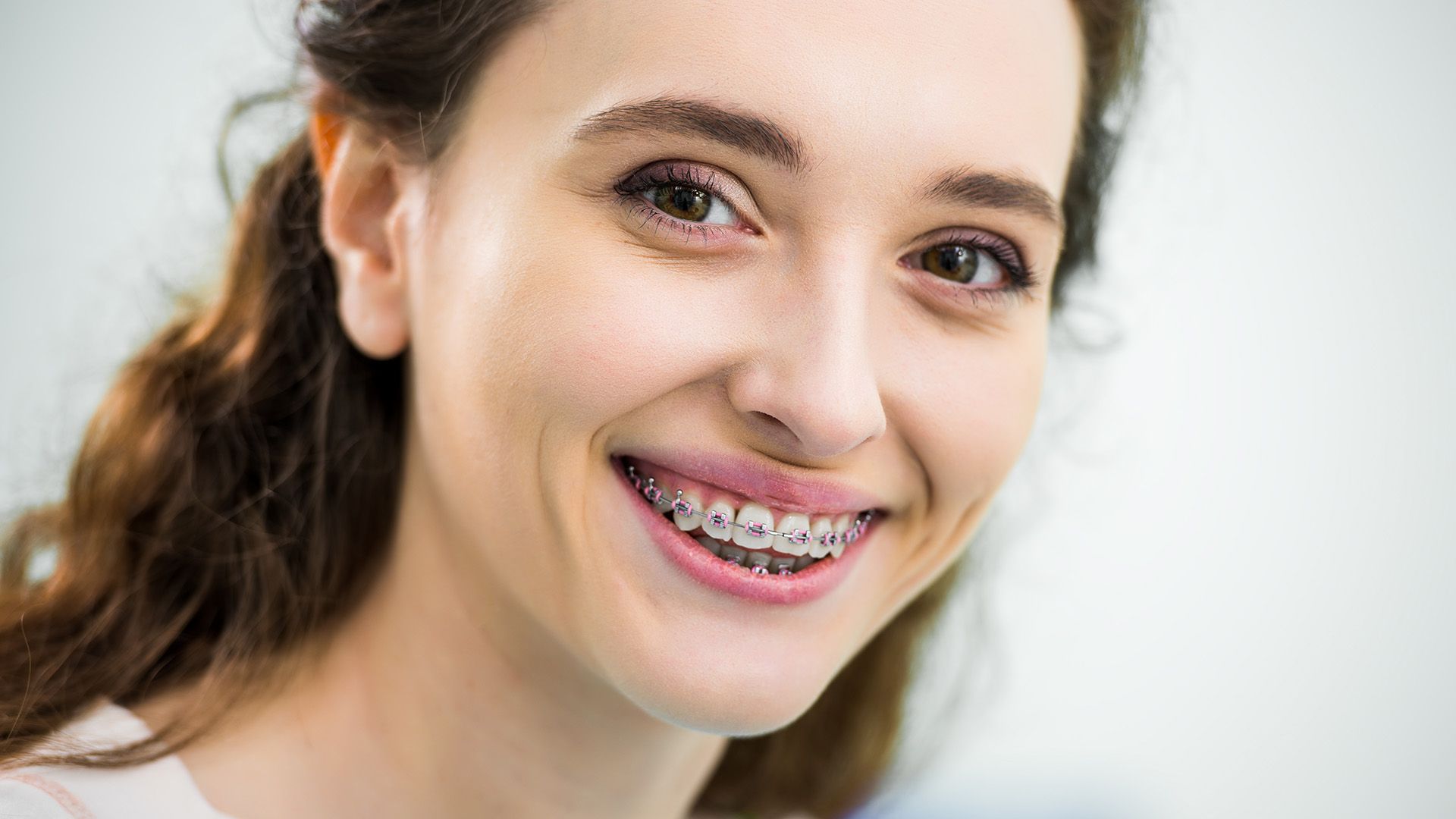
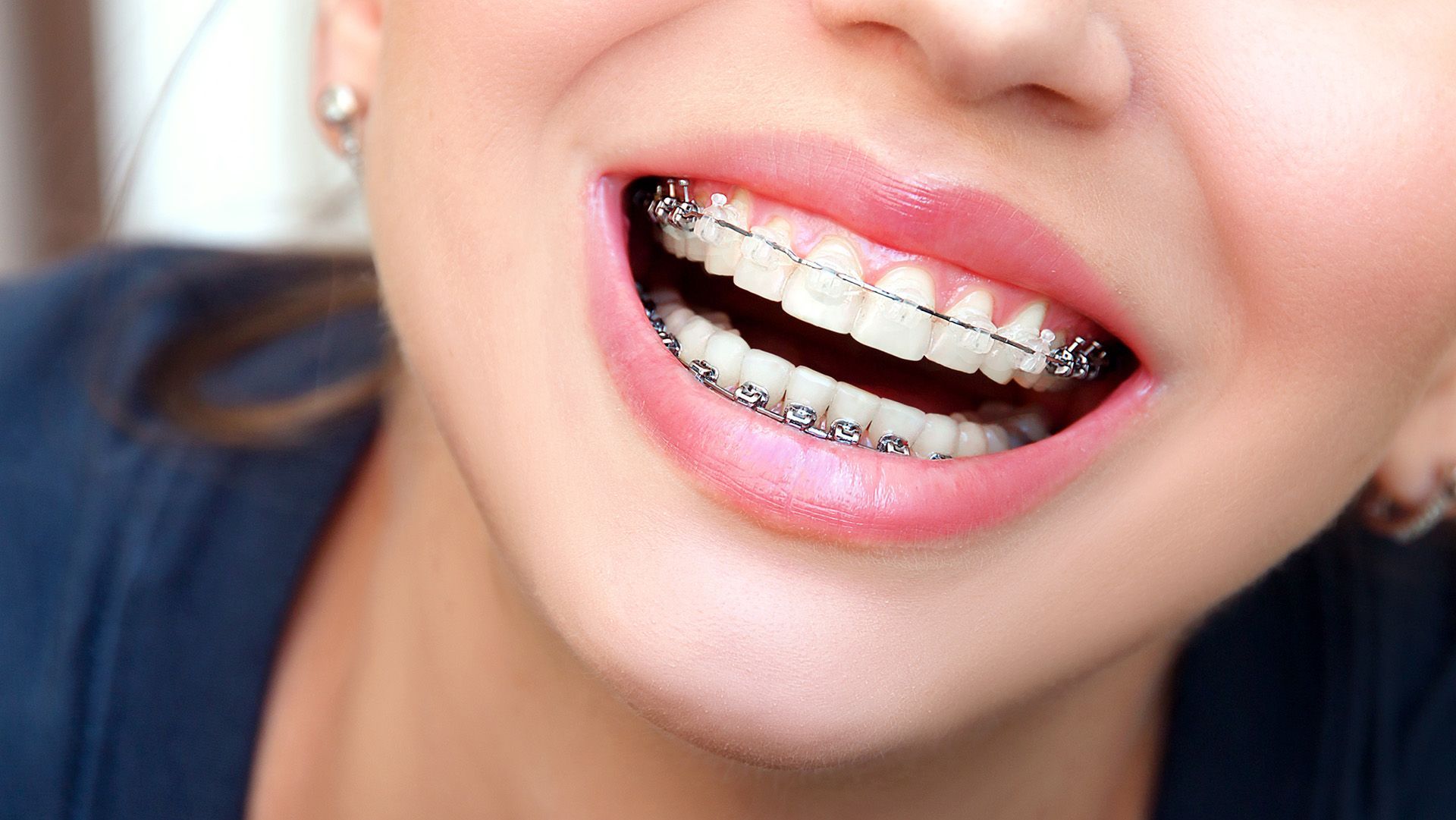
Yes. Professional dental cleanings are safe and strongly recommended while you’re wearing braces. Regular cleanings help protect your gums and teeth from plaque that can build up around brackets and wires. Whether you have traditional braces or clear aligners with attachments, your dentist and hygienist can adjust their techniques to provide a thorough, comfortable cleaning. If you’re wondering if you can get your teeth cleaned with braces, the answer is absolutely, routine care is essential for a healthy smile throughout treatment.

Understanding Dental Cleanings with Braces
Professional cleanings remove plaque, tartar, and bacteria that daily brushing and flossing can miss. During your visit, a hygienist uses specialized tools to clean above and below the gumline, polish tooth surfaces, and evaluate the health of your mouth. These appointments help prevent gum disease, cavities, and staining, issues that can be harder to manage when braces are in place.
Braces introduce new areas where food debris and plaque can accumulate. Even with excellent home care, brackets and wires make it more challenging to clean thoroughly. Routine cleanings support gum health, reduce the risk of white spot lesions (early stages of tooth decay), and help keep orthodontic treatment moving smoothly. If you’ve asked “can you get your teeth cleaned with braces,” know that hygienists are trained to work around orthodontic hardware safely and effectively.
How braces can impact oral health: they may increase plaque retention, make gum tissues more prone to inflammation, and contribute to stains near brackets if plaque isn’t removed consistently. Regular cleanings paired with a strong daily routine are the best way to prevent these problems.
Challenges of Cleaning Teeth with Braces
Plaque removal is more difficult with braces because brackets, wires, and elastics can block toothbrush bristles and floss. Areas near the gumline and between teeth are easy to miss, allowing plaque to harden into tartar.
If buildup is not addressed, the risk of gingivitis (gum inflammation), periodontal issues, and tooth decay increases, especially around brackets where minerals can be lost and white spots may develop. Sensitivity and bad breath are also common signs that cleaning around orthodontic hardware needs improvement.
To manage these challenges, hygienists use targeted tools and techniques, such as:
- Fine-tipped scalers to carefully navigate around brackets
- Ultrasonic instruments to break up tartar deposits
- Polishing with smaller prophy cups for hard-to-reach areas
- Floss threaders or orthodontic floss to clean between teeth and under wires
- Interproximal brushes to reach tight spaces
At home, patients benefit from a consistent routine that may include a soft-bristle toothbrush (manual or electric), fluoride toothpaste, interdental brushes, a water flosser, and a fluoride mouthwash.
Frequency of Dental Cleanings with Braces
Most people should schedule cleanings every six months, but many patients in braces do best with more frequent care, every three to four months, depending on plaque levels and gum health. Your dentist or orthodontist will recommend a personalized schedule based on how well you’re able to clean around your braces.
Cleaning intervals may be coordinated with orthodontic appointments, and some visits are planned between adjustments. If you have a history of gum disease, dry mouth, or a high cavity risk, expect more frequent cleanings to keep your mouth healthy throughout treatment.
Signs you may need a cleaning sooner include:
- Bleeding gums or puffy, tender tissues
- Persistent bad breath
- Visible plaque or tartar around brackets
- White spots forming near bracket edges
- Increased tooth sensitivity
If you notice any of these concerns, schedule a checkup promptly.
What to Expect During a Cleaning Appointment
Your hygienist will review your medical and dental history, examine your gums and teeth, and assess plaque levels around brackets and wires. They will remove plaque and tartar using hand instruments and ultrasonics, working methodically around your orthodontic hardware. Teeth are then polished to smooth surfaces and reduce new plaque sticking. If recommended, a fluoride treatment is applied to strengthen enamel and protect against white spot lesions.
Common steps include targeted scaling around brackets, flossing with threaders or orthodontic floss, polishing with smaller prophy cups, and guidance on home care tailored to your braces. X-rays may be taken if your dentist needs to assess areas not visible during the exam. For anyone asking if you can get your teeth cleaned with braces, these steps demonstrate how cleanings are adapted to ensure comfort and thoroughness.
After your cleaning, follow these tips to keep your smile healthy:
- Brush twice daily for two minutes with a soft-bristle or electric toothbrush
- Use interdental brushes to clean around brackets and under wires
- Floss every day with a threader or use a water flosser
- Use fluoride toothpaste and consider a fluoride rinse
- Limit sugary snacks and drinks
- Keep all orthodontic adjustment and dental checkup appointments
With consistent home care and regular professional cleanings, you can maintain a healthy smile during orthodontic treatment and reveal beautifully clean teeth when your braces come off. If you can get your teeth cleaned with braces is on your mind, remember that routine dental visits are one of the most important parts of successful orthodontic care.