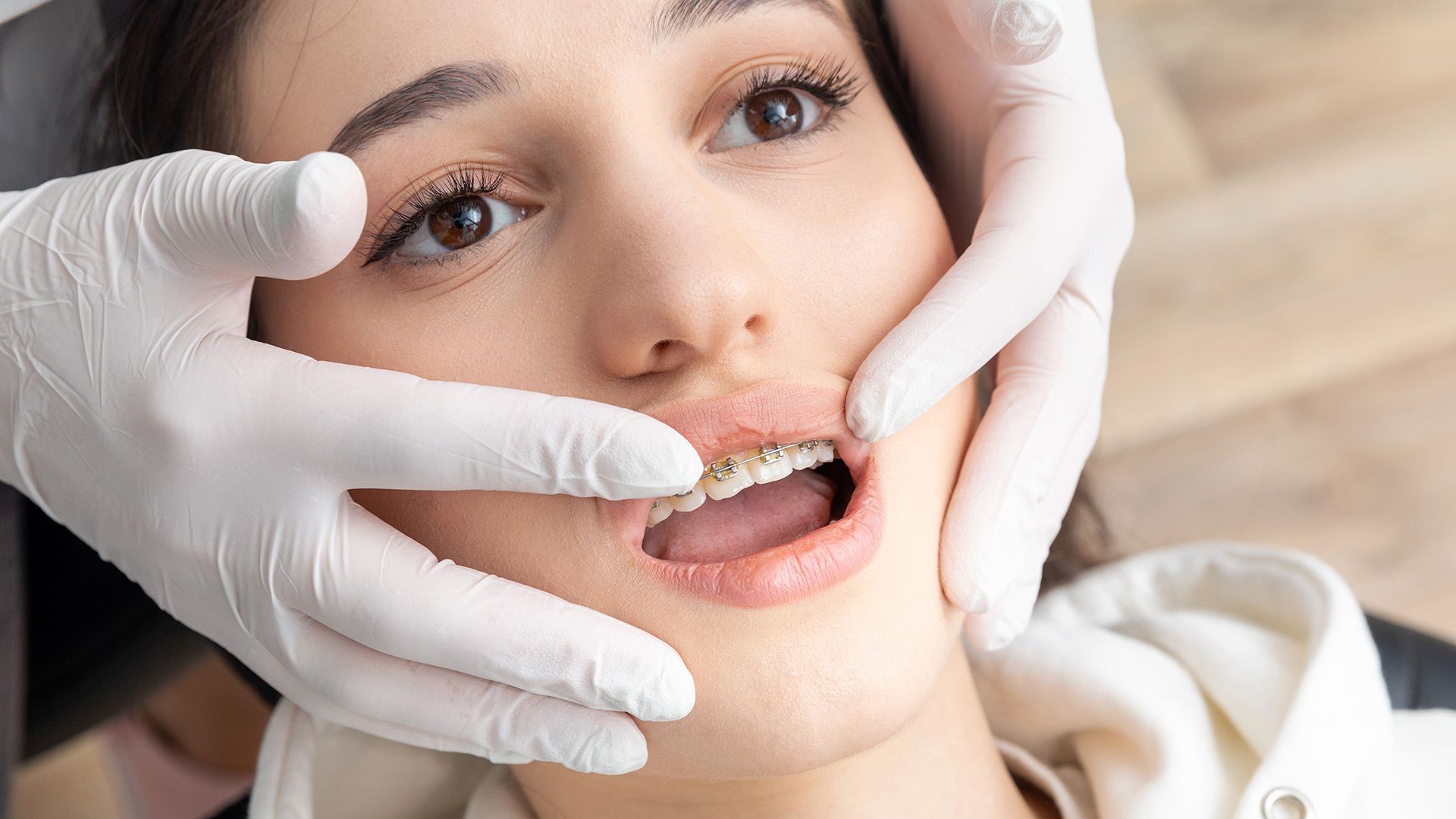
How to Put Rubber Bands On Braces
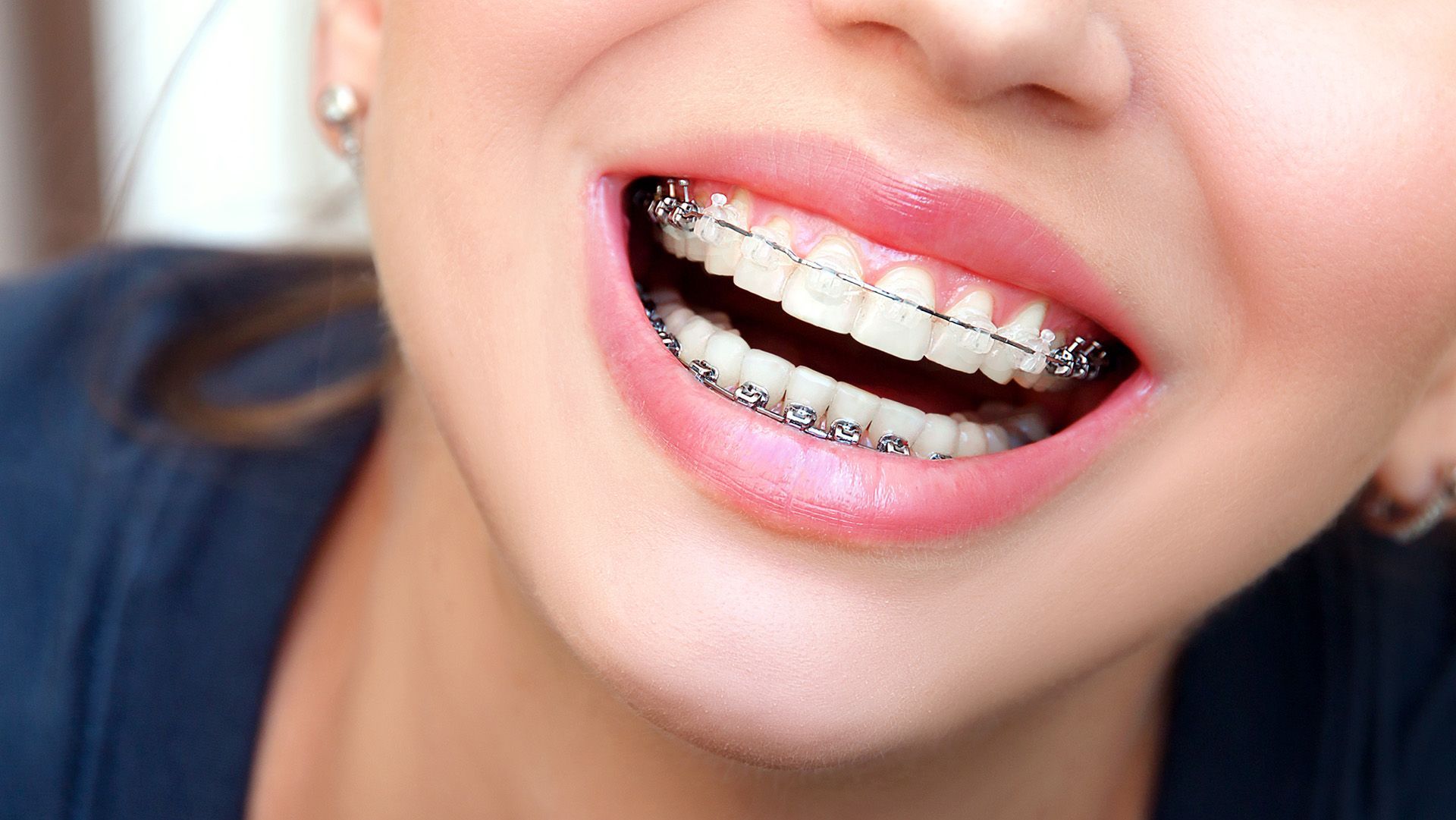
Rubber bands, often called elastics, are a key part of many orthodontic treatment plans. They create gentle, targeted pressure that helps guide your teeth and jaws into better alignment. If your orthodontist has prescribed rubber bands, wearing them exactly as directed is essential for achieving the best results on time. This guide explains what they do, why they matter, and how to put rubber bands on braces correctly so you know how to put rubber bands on braces with confidence.
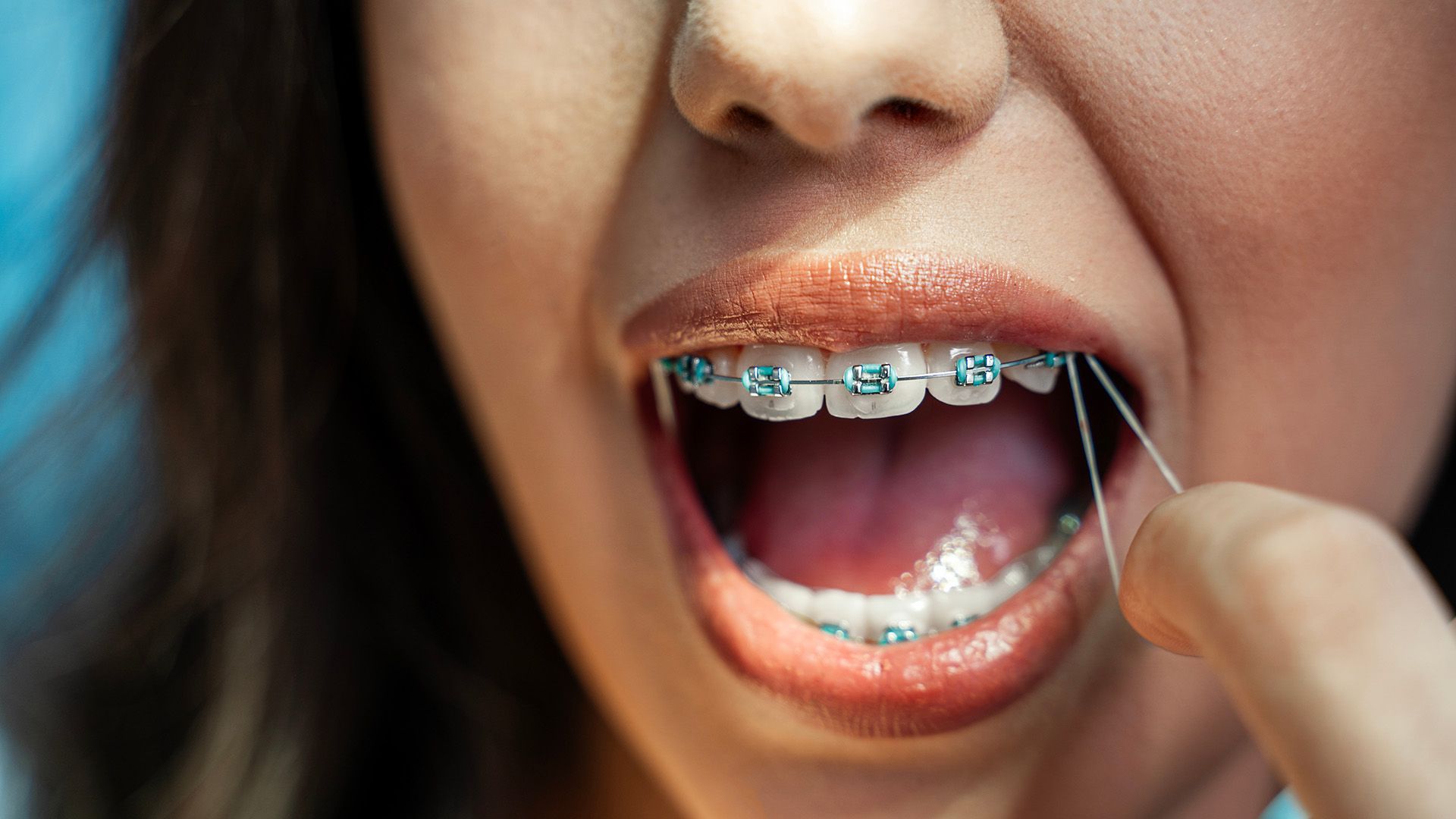
Understanding Rubber Bands for Braces
Orthodontic elastics come in different sizes, strengths, and configurations to address specific bite concerns. Common types include class II and class III elastics for correcting overbites and underbites, vertical elastics to close open bites, crossbite elastics, and triangle or box elastics to improve how teeth fit together. Your orthodontist will select the exact size and placement based on your treatment goals.
These elastics connect hooks or brackets on the upper and lower teeth. By linking the arches, they apply directional force that braces alone cannot provide. Over time, this steady pressure improves bite alignment and helps teeth meet properly.
Rubber bands are typically used for bite correction, such as overbite, underbite, crossbite, or open bite. They may also be used near the end of treatment to fine-tune how your teeth come together for an ideal bite.
Why Rubber Bands Are Important in Orthodontic Treatment
Elastics play a vital role in guiding tooth movement and jaw position in ways that archwires cannot do alone. For example, class II elastics can help bring the lower jaw forward relative to the upper, while class III elastics assist in the opposite direction. Vertical and box elastics help close spaces and improve the way teeth interlock.
Consistent wear offers several benefits: steady progress, more predictable results, fewer adjustments, and potentially shorter total treatment time. Light, continuous force works best, so it is more effective to wear elastics as prescribed rather than doubling up or wearing them sporadically.
Not wearing rubber bands as directed can slow treatment, lead to uneven results, prolong the time you need braces, and, in some cases, require additional procedures. Skipping days or changing how you wear them can undo progress and make teeth sore when you restart.
How to Put Rubber Bands On Braces
Follow these steps to apply your rubber bands:
- Wash your hands thoroughly.
- Face a mirror with good lighting.
- Identify the exact hooks or brackets your orthodontist instructed you to use.
- Confirm you have the correct elastic size and strength (check the bag label).
- Hook the elastic onto the first bracket or hook.
- Stretch it carefully to the second attachment point and secure it.
- Repeat on the other side if prescribed.
- Replace elastics at least once or twice daily, or as directed, and always replace both sides at the same time for balance.
Helpful tips include keeping a pack of elastics with you, using an elastic applicator or clean tweezers for hard-to-reach spots, opening wide so you can see the hooks clearly, and replacing any elastic immediately if it breaks or feels loose. If a specific elastic keeps popping off, double-check that you are using the correct hook positions. These practical steps are central to learning how to put rubber bands on braces every day without frustration.
Avoid common mistakes such as skipping wear time, using the wrong size or strength, moving elastics to different hooks without approval, doubling up unless instructed, and leaving elastics in while eating sticky or hard foods that could dislodge them. If you experience unusual pain, sores, or cannot figure out the placement, contact your orthodontist for guidance. Consistent, correct wear is the fastest path to a healthy, comfortable bite and will help you master how to put rubber bands on braces the right way.