Can You Use Whitening Toothpaste with Braces?
Wanting a brighter smile during orthodontic treatment is completely normal. The challenge is that whitening toothpaste can behave differently when brackets and wires are involved. Some formulas are safe to use, while others may lead to uneven color or sensitivity. This guide covers how whitening toothpastes work, what to watch for with braces, smart alternatives to keep your teeth looking their best, and how to plan effective whitening once your braces come off. If you are wondering, can you use whitening toothpaste with braces? The short answer is sometimes, but with caution and realistic expectations.
How Whitening Toothpaste Works
Whitening toothpaste primarily targets surface stains on enamel, helping teeth look cleaner and slightly lighter. Most products rely on polishing agents and stain-fighting ingredients that lift discoloration from foods, drinks, and tobacco. Unlike professional treatments, toothpaste does not typically change the deeper, internal color of teeth more than a shade or two.
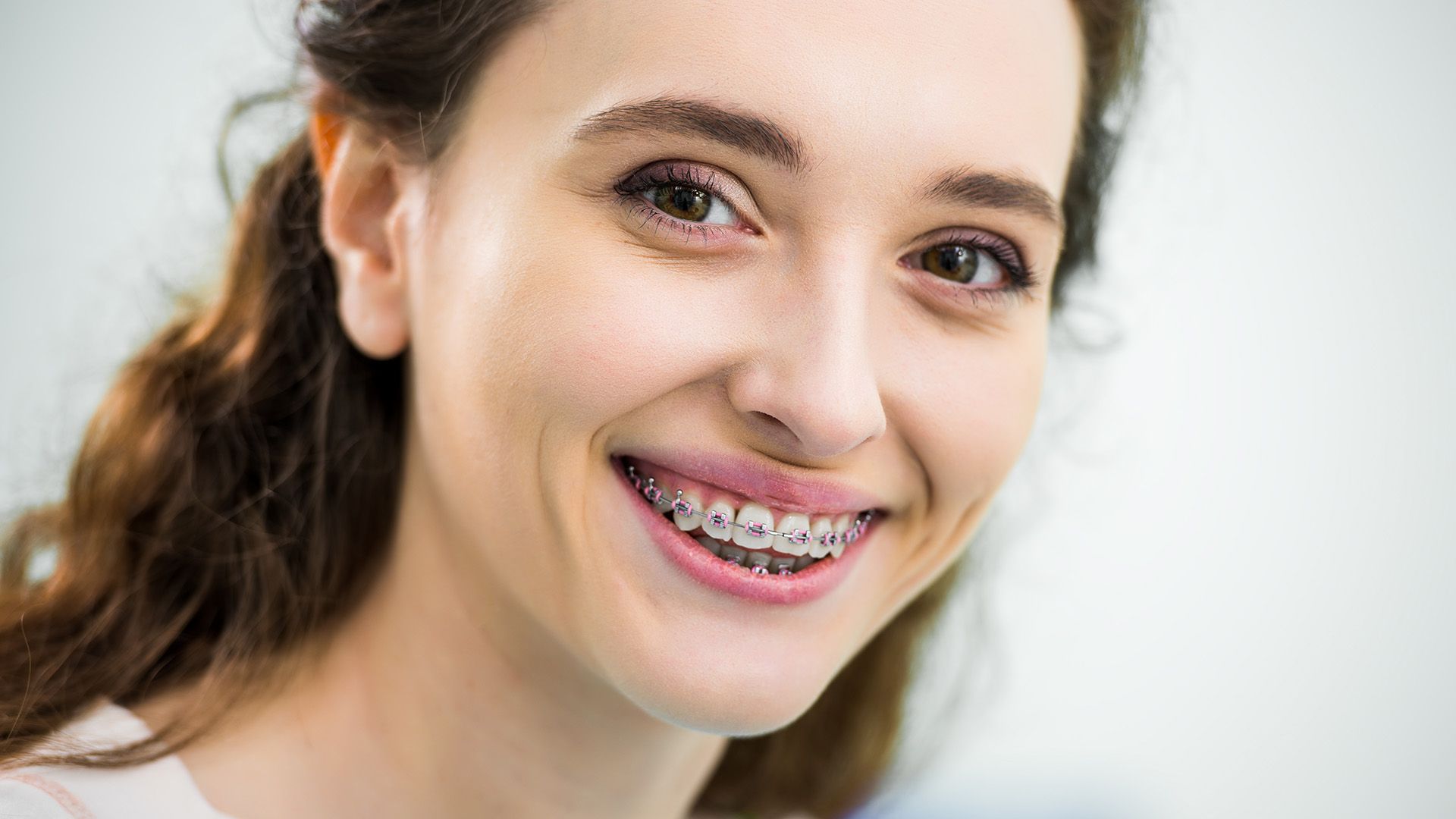
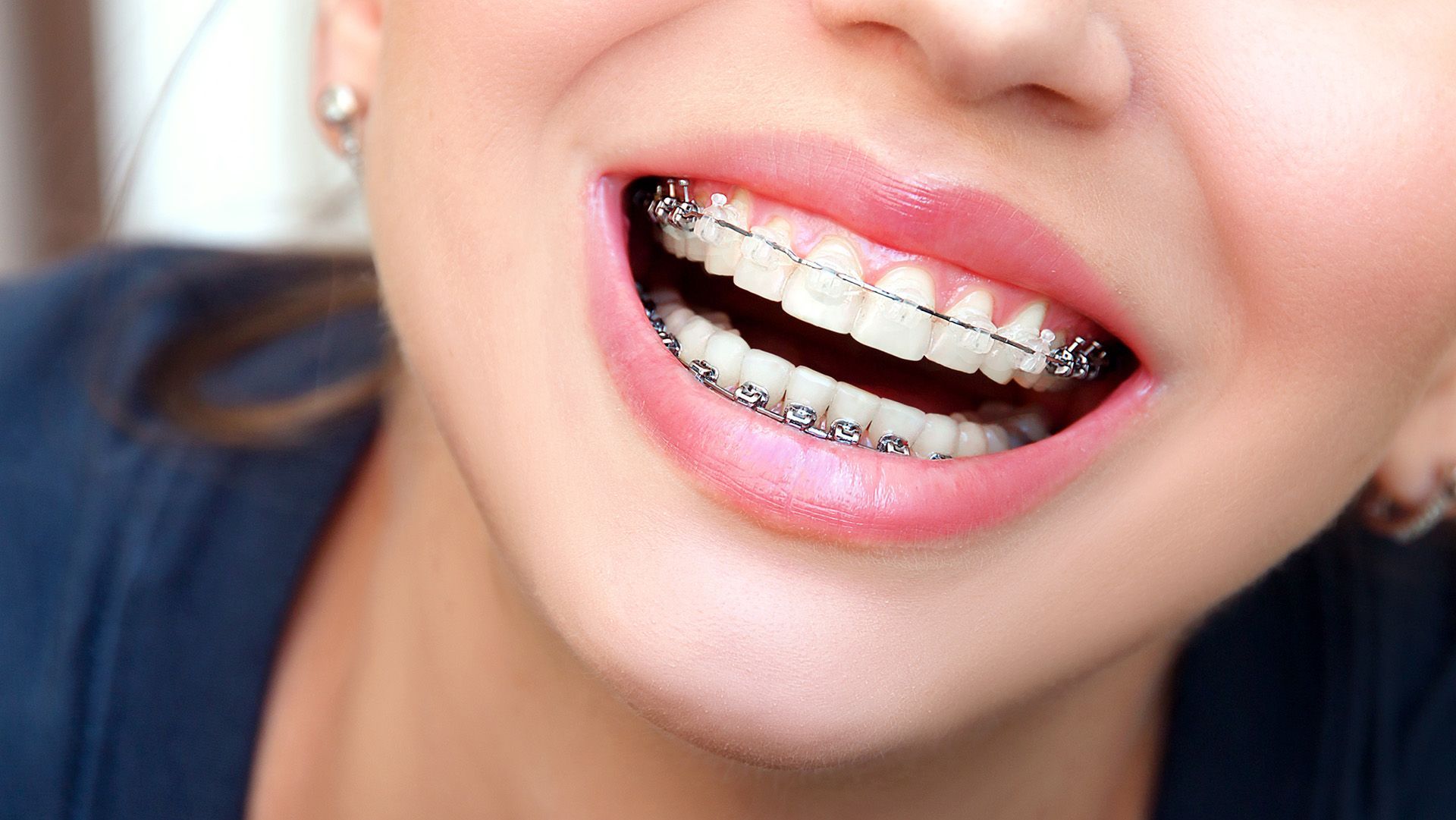
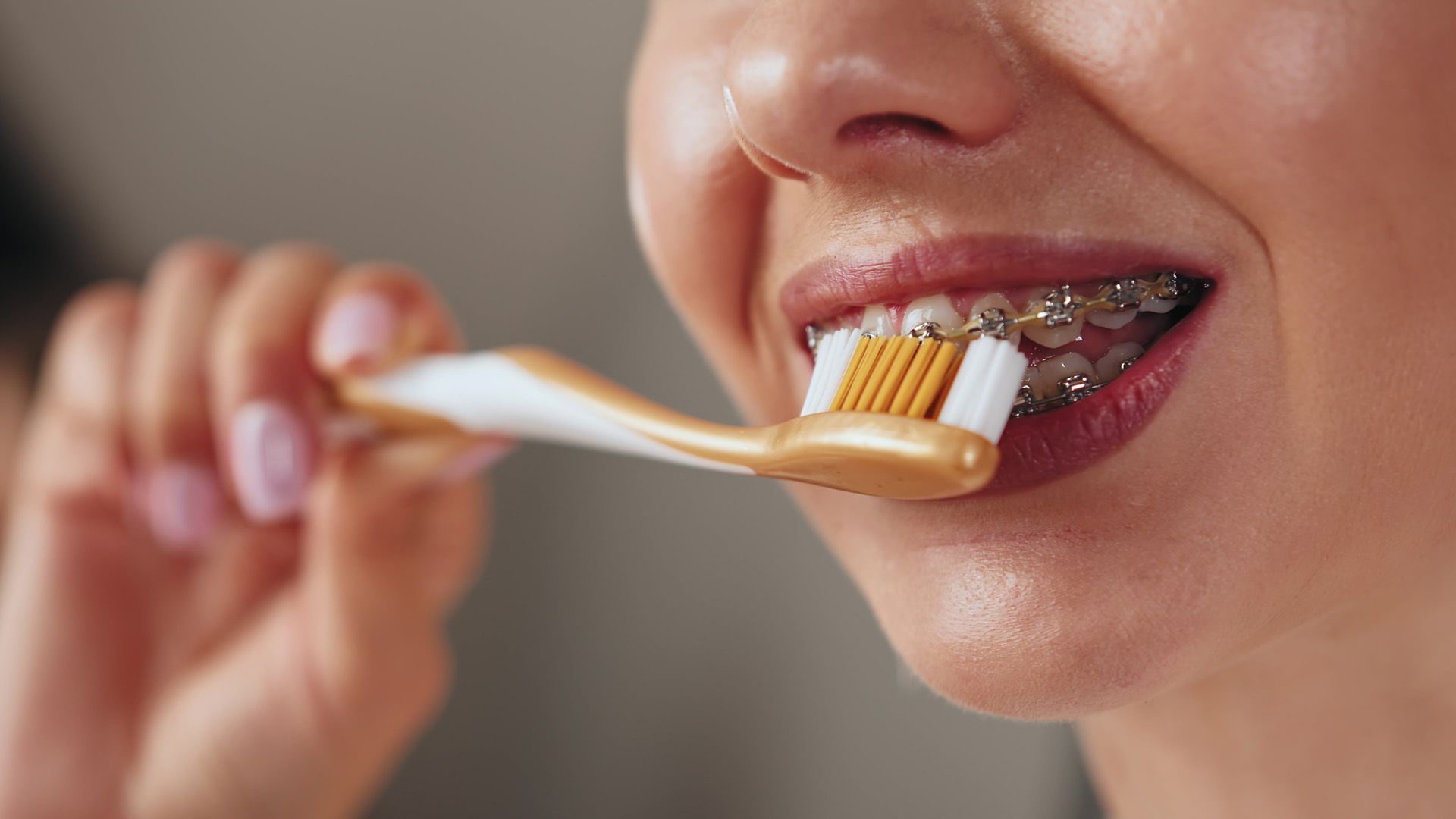
With braces, brackets and wires create areas that are harder to reach. This can lead to uneven contact between whitening agents and the enamel, which is the main concern when using these products during treatment.
Common ingredients you may see on labels include:
- Mild abrasives (such as hydrated silica or calcium carbonate) that polish away surface stains.
- Peroxide compounds (hydrogen peroxide or carbamide peroxide) in low concentrations to chemically lighten discoloration.
- Chemical stain removers like sodium tripolyphosphate to loosen and lift pigments.
- Detergents such as sodium lauryl sulfate to help disperse plaque and debris.
- Fluoride (sodium fluoride or stannous fluoride) for cavity protection, especially important during orthodontic care.
Mild abrasives are generally safe for brackets and wires when used as directed. However, very abrasive formulas can wear enamel near brackets over time. Low-level peroxide pastes are usually compatible with metal and ceramic brackets, but the enamel covered by brackets will not receive the same exposure, which can set the stage for uneven results.
If you find yourself asking if you can use whitening toothpaste with braces, keep in mind that the same mechanisms that lift stains on exposed enamel will not affect the enamel under brackets, increasing the risk of patchy color differences.
Risks of Whitening Toothpaste with Braces
Before adding a whitening paste to your routine, consider the following potential downsides while your braces are active.
- Uneven whitening: Brackets cover small squares of enamel, preventing whitening agents from reaching those spots evenly. Once the brackets are removed, you may see lighter areas around darker “shadow” squares where the brackets sat. This contrast often softens with time, cleanings, and enamel rehydration, but the most reliable way to avoid patchiness is to minimize aggressive whitening until after treatment.
- Impact on orthodontic materials: Modern brackets and wires are built to handle everyday toothpaste ingredients, yet highly abrasive products can roughen enamel near brackets, creating areas where plaque collects more easily. For some ceramic brackets and aesthetic wires, extra abrasiveness may increase surface roughness and stain pickup. While adhesives are stable, persistent use of very abrasive pastes could affect adhesive margins, leading to plaque traps.
- Sensitivity and gum irritation: Peroxide-based whitening can heighten tooth and gum sensitivity. Because gums may already be tender during treatment, strong whitening agents or heavy scrubbing with abrasive pastes can increase discomfort and contribute to gum recession if brushing pressure is excessive. Most importantly, focusing on whitening should never overshadow the primary goals: preventing decalcification (white spot lesions) and cavities through excellent plaque control and regular fluoride use.
Brighter Smile Alternatives During Braces
You can maintain a clean, bright look safely while wearing braces by focusing on products and habits that control plaque and remove stains without bleaching.
Orthodontist-Recommended Products
- Fluoride toothpaste (non-whitening): Choose a paste with 1,000–1,500 ppm fluoride to strengthen enamel and reduce white spot risk.
- Low-abrasion formulas: Look for a relative dentin abrasion (RDA) value under 100 to protect enamel and the adhesive around brackets.
- Fluoride mouthrinse: A daily, alcohol-free fluoride rinse supports enamel health and helps maintain a cleaner, shinier appearance.
- Interdental brushes and water flossers: These tools reach around brackets and under wires, removing plaque and pigments that make teeth look dull.
Safe Whitening Approaches During Treatment
- Professional cleanings: Routine cleanings can lift surface stains and brighten teeth without bleaching agents.
- Targeted whitening with guidance: In select cases, your orthodontist may allow a mild product on exposed tooth surfaces only. Uneven results remain a possibility, so get professional advice first.
- Clear aligner patients: If you are using clear aligners rather than fixed braces, your orthodontist may approve low-strength whitening gels placed in the aligners. Always follow customized recommendations.
Smart Diet Choices for Color Control
- Limit highly pigmented foods and drinks such as coffee, black tea, red wine, curry, soy sauce, and dark berries. If you indulge, rinse with water afterward.
- Use a straw for dark beverages to reduce contact with front teeth.
- Snack on crunchy fruits and vegetables (apples, celery, carrots) that can help sweep away plaque and superficial stains.
- Avoid tobacco, which quickly discolors enamel and brackets.
What to Use Now vs. After Braces: Quick Comparison
| Product/Method | During Braces | After Braces |
|---|---|---|
| Non-whitening fluoride toothpaste | Strongly recommended for daily use | Continue for enamel protection |
| Gentle whitening toothpaste | Possible with caution; risk of uneven color | Appropriate for maintenance whitening |
| Professional cleanings | Safe and helpful for stain removal | Recommended before whitening treatment |
| In-office whitening | Not recommended with fixed braces | Excellent for fast, even results |
| Custom take-home trays | Not feasible with fixed braces | Great for even, controlled whitening |
| Over-the-counter strips | Generally not ideal with braces | Useful if used as directed |
Whitening After Braces: Your Best Results
Once your braces are removed, you can safely pursue comprehensive whitening that treats every tooth surface evenly. Waiting until treatment is complete avoids patchy results and allows gums and enamel to recover from any temporary sensitivity.
Best Practices Before You Whiten
- Book a professional cleaning first to remove any residual adhesive and plaque.
- Let your teeth adjust for 1–2 weeks after debonding so any tenderness subsides.
- If you are prone to sensitivity, use a desensitizing toothpaste with potassium nitrate for a week before starting whitening.
Professional Whitening Options
- In-office whitening: Performed by a dental professional using high-concentration peroxide and protective barriers for your gums. This delivers fast, noticeable changes in a single visit.
- Custom take-home trays: Your dentist provides fitted trays and a controlled-strength gel (often 10–20 percent carbamide peroxide). This approach offers even coverage, flexibility, and typically less sensitivity.
At-Home Solutions
- Whitening strips: Effective for many people when used as directed, though they may not contour perfectly, which can cause minor inconsistencies.
- Whitening toothpaste and mouthrinse: Best for maintaining brightness after a professional or tray-based treatment rather than achieving dramatic changes. Choose fluoride-containing products.
- LED light kits: Some systems can enhance peroxide gels, but results vary. Check with your dental professional to confirm safety and expected outcomes.
When to Talk with Your Orthodontist
Before trying any whitening routine, especially during active treatment, consult your orthodontist or dentist. They will assess enamel health, bracket type, and your risk for white spot lesions. Based on that evaluation, they can advise whether limited whitening is appropriate or if you should wait for a more effective, even approach after treatment.
What to Expect Throughout Treatment
- Early phase: Prioritize plaque control using fluoride toothpaste, proper brushing technique, and interdental cleaning. The goal is to protect enamel and prevent white spot lesions.
- Mid-treatment: If stains accumulate, your orthodontist may recommend a polish during your dental cleaning or suggest switching to a lower-abrasion paste.
- End of treatment: After brackets are removed, residual adhesive is polished away, teeth are checked for white spots, and a whitening plan is tailored to your needs.
Timing for Whitening Products
- During fixed braces: Avoid aggressive whitening pastes and gels to prevent uneven color. If you are set on a whitening toothpaste, choose a gentle, fluoride-containing formula with low abrasivity and use it intermittently, such as a few times per week, alongside a standard fluoride paste. Confirm your plan with your orthodontist first.
- After braces: This is the ideal time for full whitening. Your dental team can recommend in-office or take-home treatments for the most uniform, predictable results.
Bottom line: You can use certain gentle whitening toothpastes with braces, but doing so increases the chance of uneven results and sensitivity. Focus on enamel health, stain prevention, and thorough cleaning now, and plan comprehensive whitening once your braces come off. For anyone still asking, can you use whitening toothpaste with braces, the best practice is to proceed carefully, prioritize enamel protection, and seek professional advice for a brighter, healthy result.