Can You Get Braces with Missing Teeth? What to Know
Yes, you can often get braces even if you have missing teeth. Orthodontic treatment can improve spacing, support a healthier bite, and prepare your smile for future tooth replacement. The right plan depends on which teeth are missing, the condition of your gums and jawbone, and your long-term goals. Below, we explain how missing teeth influence orthodontics, who qualifies for treatment, and the options available to restore your smile. If you are wondering if you can get braces with missing teeth, the answer is frequently yes with careful planning.

How Missing Teeth Affect Orthodontic Treatment
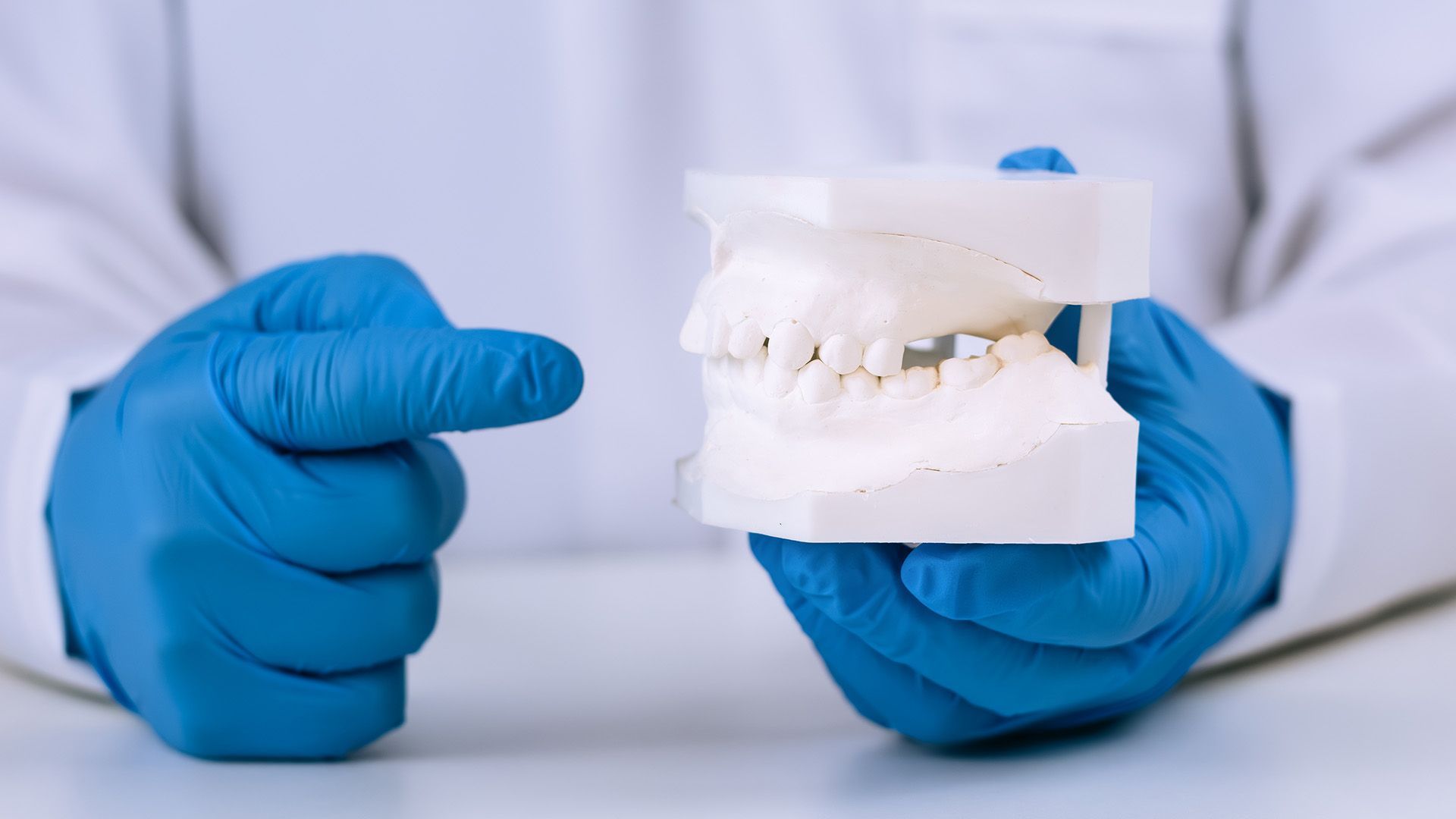
When a tooth is missing, nearby teeth tend to drift into the open space. This can create crowding in some areas and gaps in others, making the dental arches uneven and changing how the upper and lower teeth fit together.
Over time, opposing teeth may over-erupt into the gap, and adjacent teeth can tilt. These shifts may contribute to bite problems such as overbite, underbite, or crossbite, and can increase wear on certain teeth because chewing forces are not evenly distributed.
Orthodontic planning with missing teeth has unique considerations. In some cases, closing the gap can improve function and aesthetics. In other cases, maintaining space for a future implant or bridge is essential for long-term stability. Challenges may include reduced anchorage (fewer teeth available to help support tooth movement), bone changes in the gap area, and the need to coordinate care to keep gums healthy while teeth are moved.
Can You Get Braces with Missing Teeth?
Many patients with one or more missing teeth qualify for braces. Eligibility generally depends on healthy gums, adequate bone support, and clear treatment goals, whether you plan to close spaces or prepare them for future replacement. Your orthodontist will consider the number and location of missing teeth, overall alignment, bite function, and existing dental work before recommending a plan.
Several orthodontic options work well even when teeth are missing:
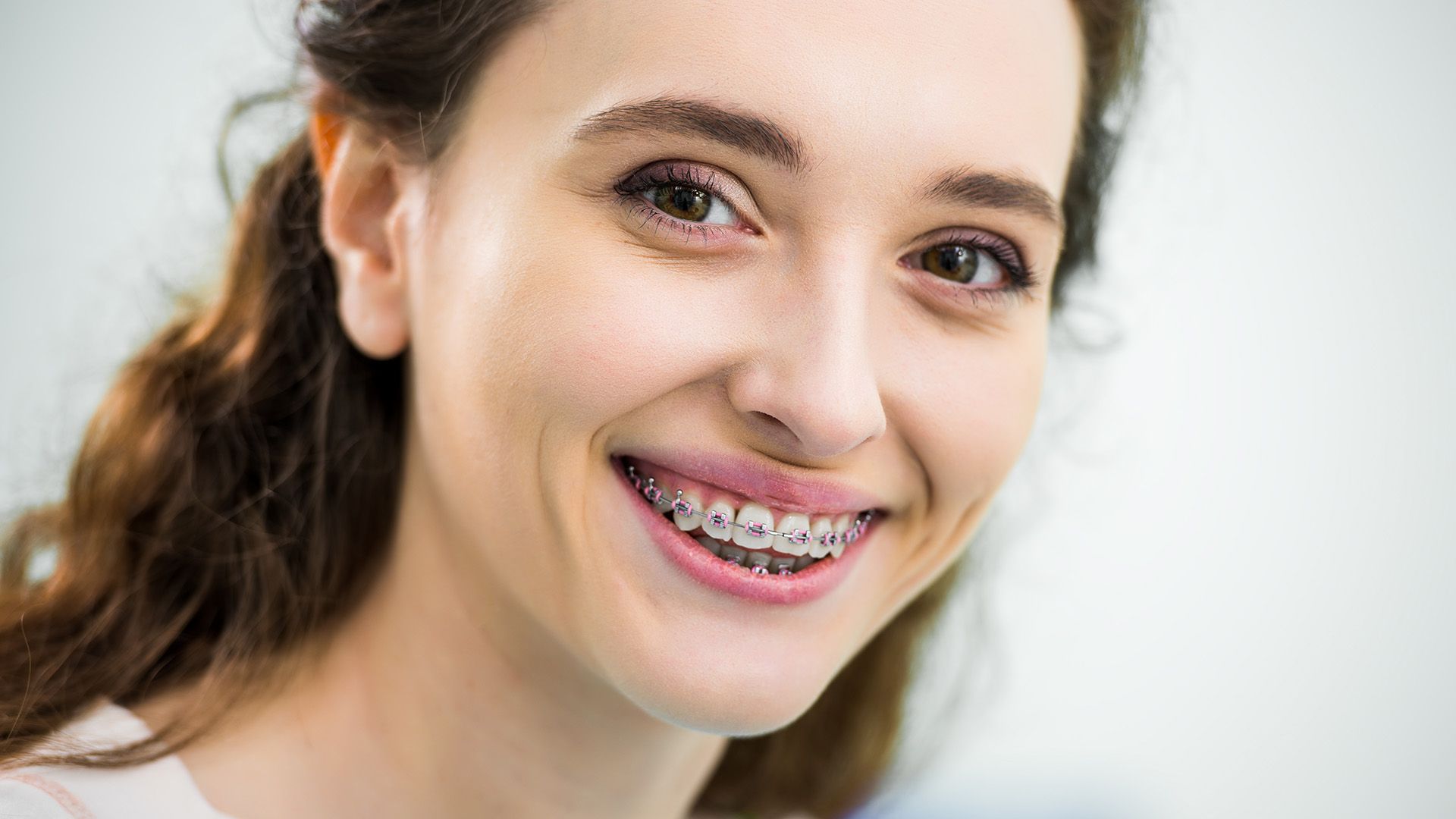
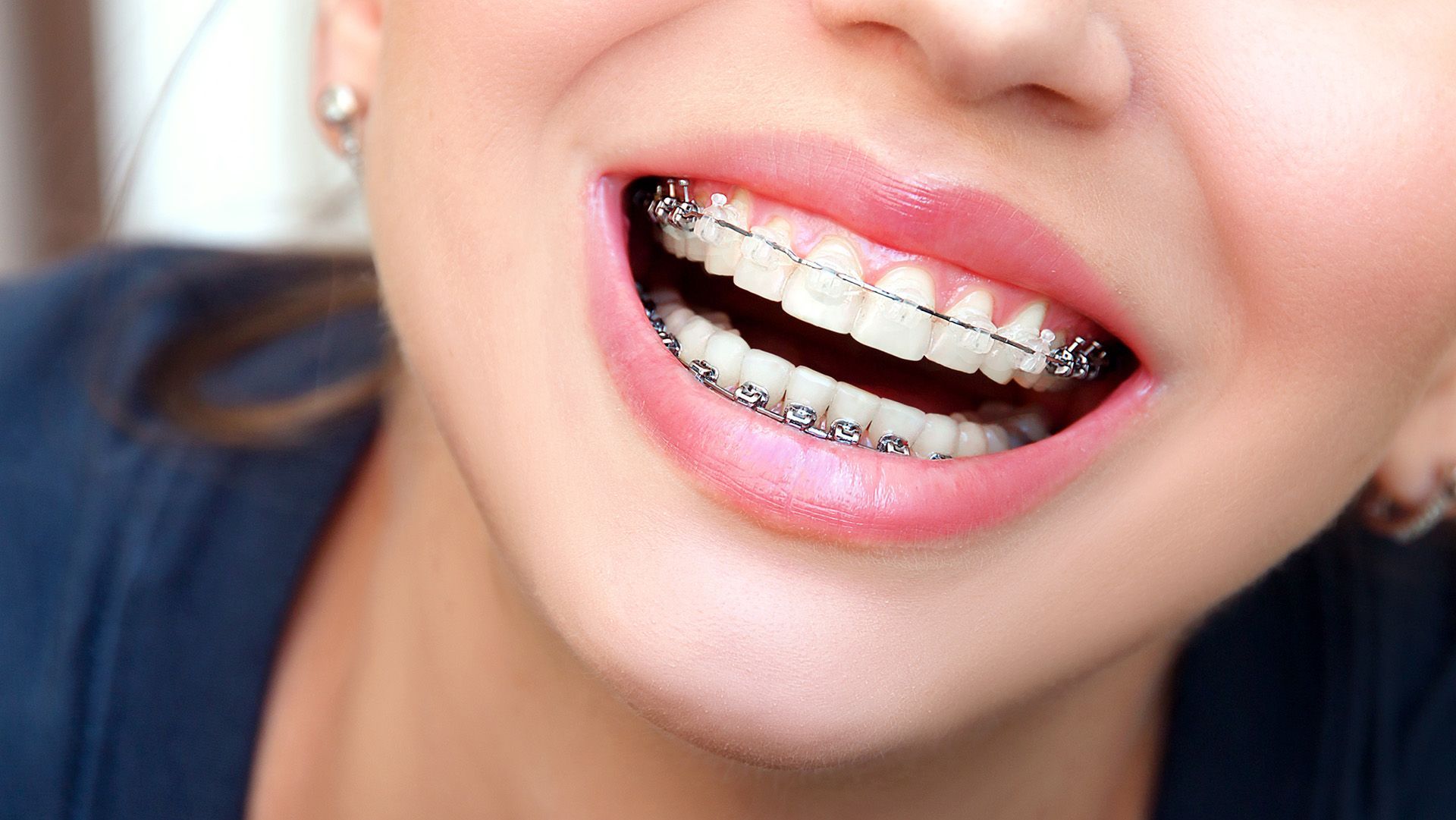
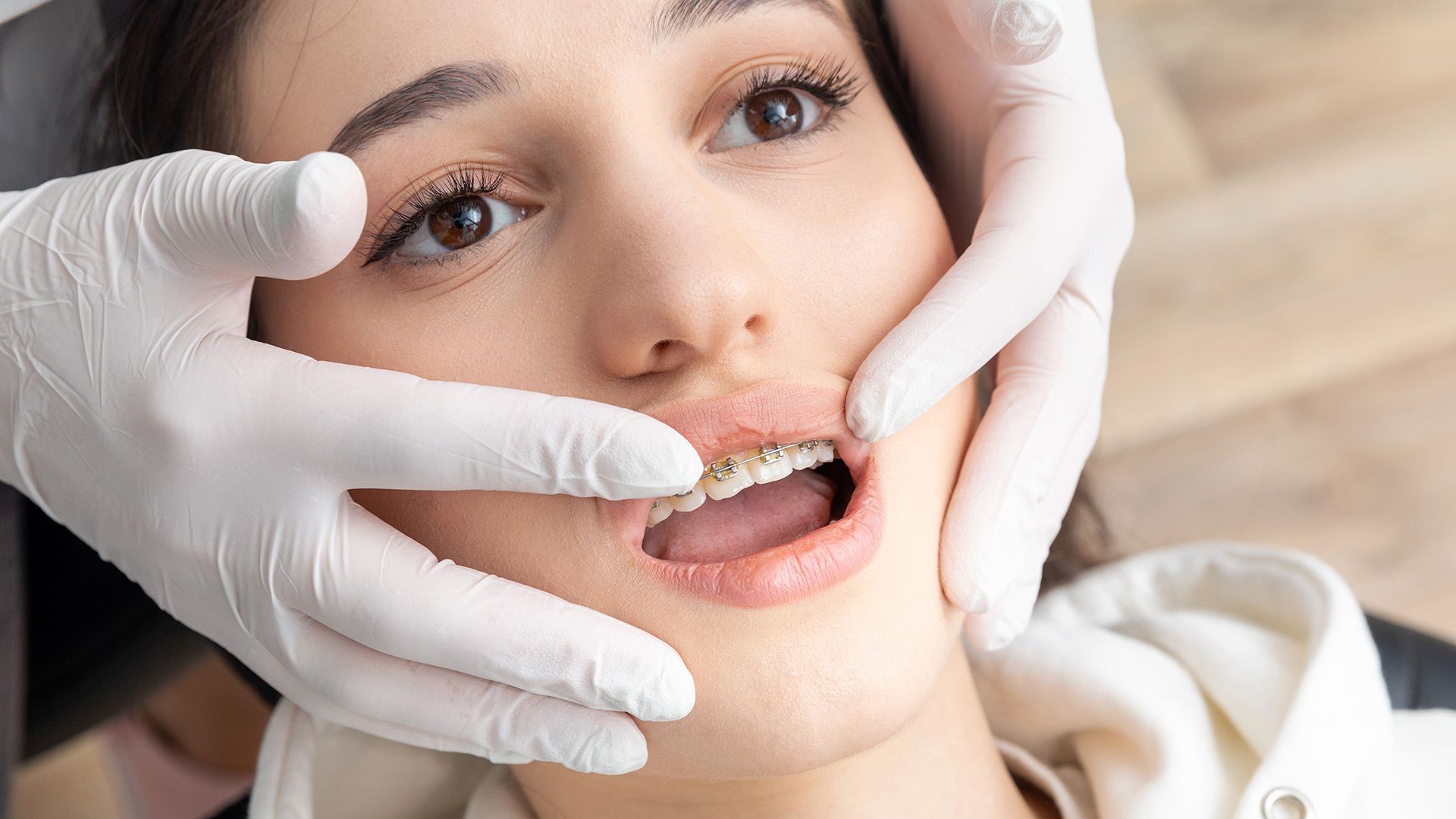
- Metal or ceramic braces offer precise control for complex movements and can be used to open or close spaces strategically.
- Clear aligners may be appropriate for mild to moderate spacing or crowding and can incorporate a “pontic” placeholder tooth to maintain appearance.
- Temporary anchorage devices (TADs) can provide extra support when a missing tooth reduces stability for certain movements.
During your consultation, expect a thorough examination, digital scans or impressions, X-rays, and photos. Your orthodontist will discuss whether to maintain or close spaces, how treatment will influence your bite, and the timing for any future tooth replacement. Working closely with your general dentist or a prosthodontist helps ensure your orthodontic results support both oral health and cosmetic goals.
Options for Managing Missing Teeth During Orthodontics
Orthodontics can be coordinated with other dental treatments to restore your smile effectively. Depending on your needs, your plan may include:
- Temporary restorations such as a pontic tooth to improve appearance while spaces are being managed.
- Periodontal care to support gum health and prepare the area for movement or future replacement.
- TADs to enhance anchorage and achieve precise movements when natural support is limited.
- Selective reshaping or bonding of adjacent teeth to improve symmetry after spaces are aligned.
Timing is important. Dental implants are typically placed after orthodontic treatment because implants do not move once placed. Temporary prosthetics can be worn during treatment to maintain appearance. Your orthodontist will determine whether to close certain spaces or preserve ideal implant space, aligning the roots so a future restoration fits properly.
If you already have a bridge, your orthodontic plan may avoid moving those anchor teeth. If an implant is planned, braces or aligners can position neighboring teeth and roots so the implant can be placed in the best location. This team-based approach supports better aesthetics, function, and long-term stability.
Common Questions About Braces and Missing Teeth
| Question | Answer |
|---|---|
| Will braces still be effective? | Yes. Braces and clear aligners are effective for managing spacing, improving alignment, and balancing your bite. Success relies on careful planning, good oral hygiene, and consistent follow-up. Some cases benefit from extra anchorage or staged treatment. |
| What should I expect during treatment? | You’ll have periodic adjustments. If spaces are being maintained, your orthodontist may use specific wires, elastics, or TADs to control movement. With aligners, a placeholder tooth can help maintain appearance while spaces are managed. |
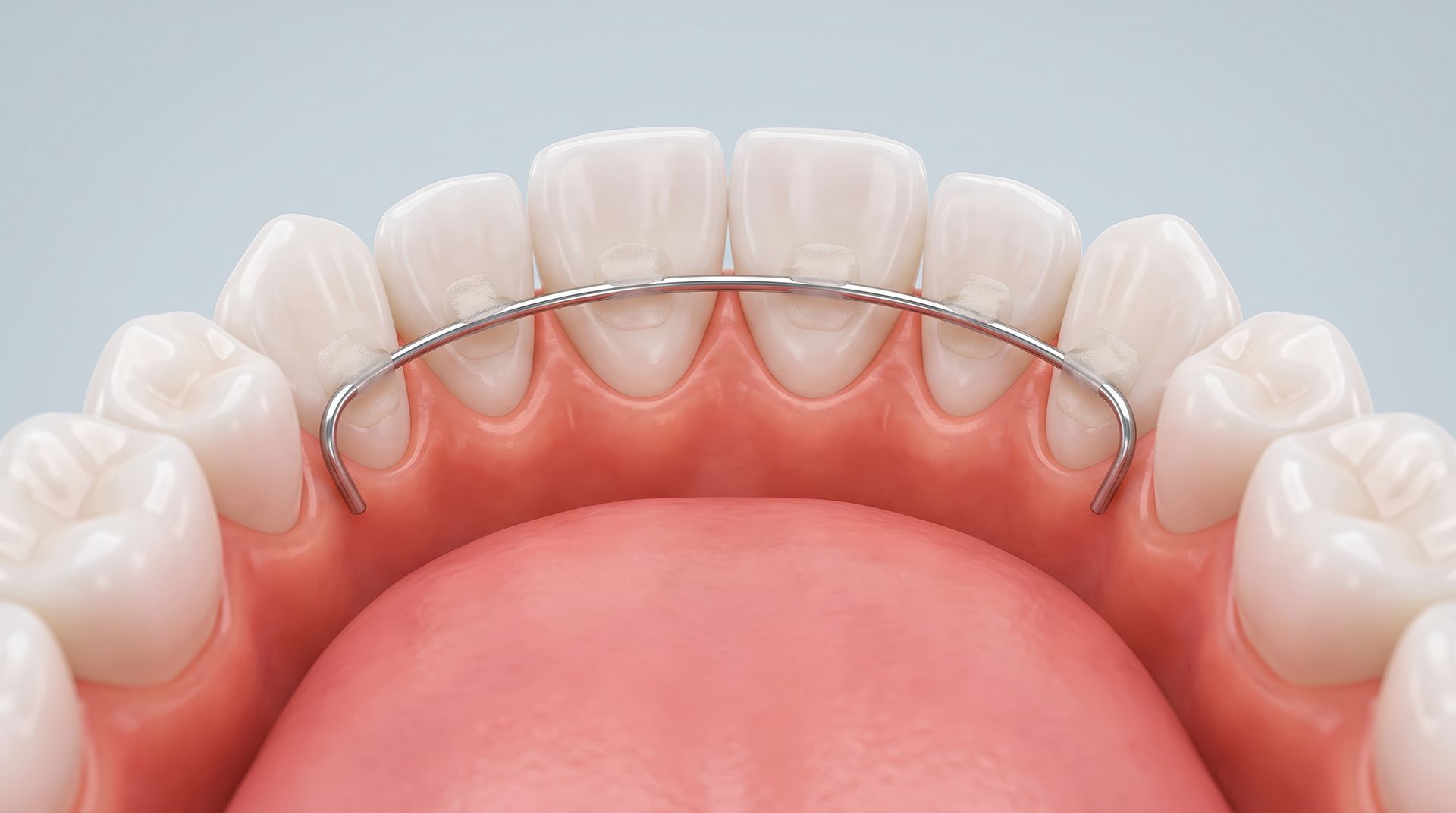
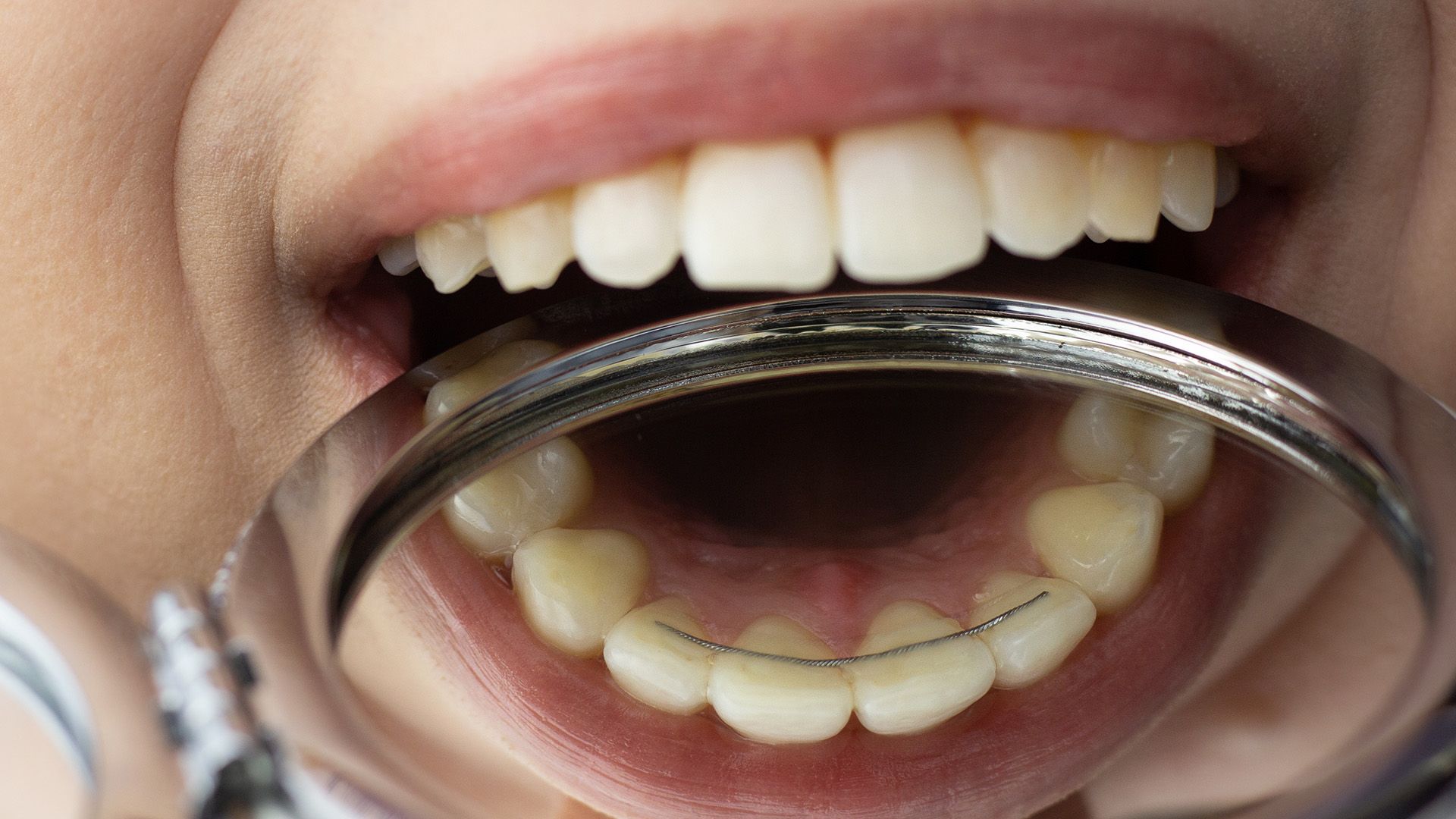
| What happens after braces? | Retainers keep teeth stable and preserve any planned implant space. Your dentist may place an implant or bridge after orthodontics. Routine cleanings, checkups, and good home care protect your new alignment and any restorations. |
| How long will treatment take? | It depends on your case, bite goals, and whether spaces are being closed or maintained. Many treatments range from 12 to 24 months, with additional time if you plan an implant after braces. |
If you have missing teeth and are considering braces, schedule a consultation. A personalized plan can straighten your smile, protect your bite, and set the stage for long-lasting tooth replacement. If the question on your mind is if you can you get braces with missing teeth, an experienced orthodontist can assess your oral health and help tailor a solution that fits your goals.