How Often Should You Should Change Your Rubber Bands on Braces
Rubber bands (elastics) are a small but essential part of orthodontic treatment. They provide gentle, continuous force that helps guide your teeth and jaws into proper alignment. If you are wondering how often you should change your rubber bands on braces, understanding the schedule, and how to wear them correctly, can improve comfort and keep your treatment on schedule.
Why Rubber Bands Matter
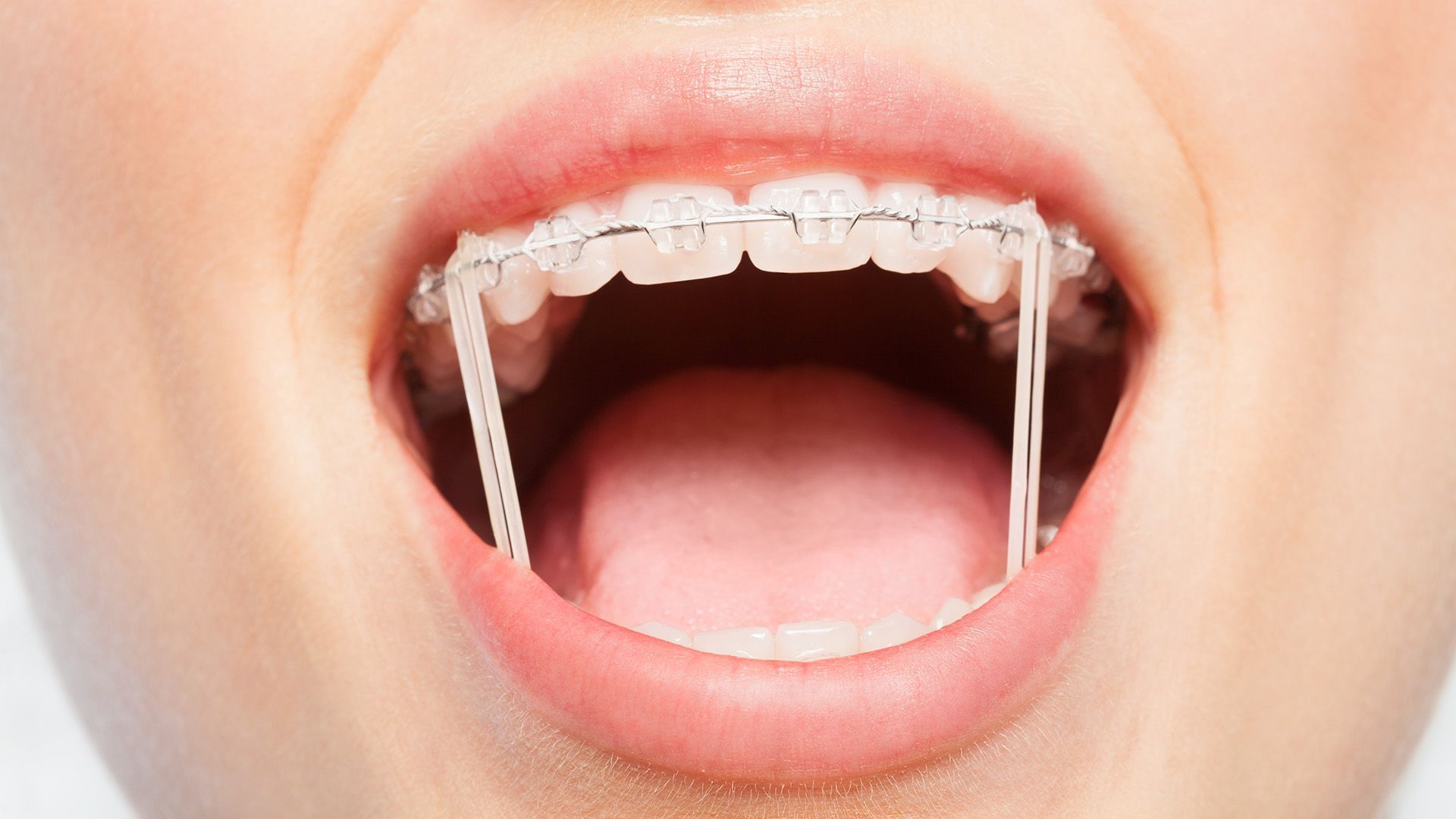
Elastics connect specific points on your braces to apply targeted pressure. While brackets and wires move teeth along the arch, rubber bands address bite relationships that braces alone may not correct as efficiently. They are commonly used to close spaces, improve the midline, and coordinate how your upper and lower teeth fit together.
They are especially important for bite correction. Depending on your needs, your orthodontist may prescribe Class II, Class III, or crossbite elastics to reduce overbites, underbites, and crossbites. Consistent wear delivers steady progress and often shortens overall treatment time. Inconsistent wear, on the other hand, can slow movement and extend how long you need braces.
How Often to Change Rubber Bands
As a general guideline, change your rubber bands at least once a day, but most patients do best replacing them 3–4 times daily. Elastics lose strength as they stretch, so fresh bands maintain the consistent force your orthodontist intends. A simple routine is to replace them after meals and after brushing. If you are asking yourself how often you should change your rubber bands on braces, the short answer is several times per day for steady, predictable force.
Your exact schedule may vary based on your treatment plan, the size and strength of your elastics, and how frequently you eat or snack. Heavier elastics or more complex bite corrections may require more frequent changes. Always follow the instructions provided by your orthodontist.
Replace your rubber bands when you notice any of the following:
- They feel loose, slack, or less effective.
- There is visible wear, thinning, or fraying.
- You have removed them to eat, brush, or floss.
- They have been repeatedly exposed to saliva or fluids and taste rubbery.
Proper Wear and Care
Accuracy and consistency matter. Wear your rubber bands exactly as prescribed, including which teeth to hook and how many to use. Use a mirror until placement becomes second nature. Unless your orthodontist advises otherwise, keep elastics on 24/7, removing only for meals and brushing, then putting in fresh ones right away to maintain continuous force.
Care tips for best results:
- Store elastics in their original packet, away from heat, sunlight, and moisture.
- Do not wash or reuse elastics; replace them frequently for steady force.
- Carry extra packets so you can change them after eating or if one breaks while you are out.
If a rubber band breaks or is lost, replace it immediately with a new one. If you cannot replace it right away, resume with a single elastic as soon as possible, do not double up later to “catch up,” as this can cause unnecessary discomfort and is not effective.
When to Contact Your Orthodontist
Reach out to your orthodontist if you experience any of the following:
- Elastics break repeatedly or seem too tight even after the first few days.
- Persistent soreness that does not improve with consistent wear.
- Uncertainty about which teeth to hook or how many elastics to use.
- Changes in your bite that do not match your instructions.
Your orthodontist will confirm the correct configuration, adjust the strength if needed, and make sure your treatment stays on track. If you remain unsure about how often you should change your rubber bands on braces for your exact case, ask at your next appointment for a personalized schedule.
Key Takeaways
| Typical change frequency | 3–4 times per day; at least once daily |
| Best times to switch | After meals and after brushing |
| Wear schedule | 24/7 unless directed otherwise |
| Storage | Original packet, away from heat and sunlight |
| Do not | Reuse, wash, or double up to make up missed time |
Consistent, correctly placed, and regularly replaced elastics act like the accelerator of your treatment. Stick to your orthodontist’s instructions, and you will help your teeth and bite move efficiently and comfortably toward a healthy, stable result. For anyone asking how often you should change your rubber bands on braces, remember that frequent, consistent changes are key to steady progress.