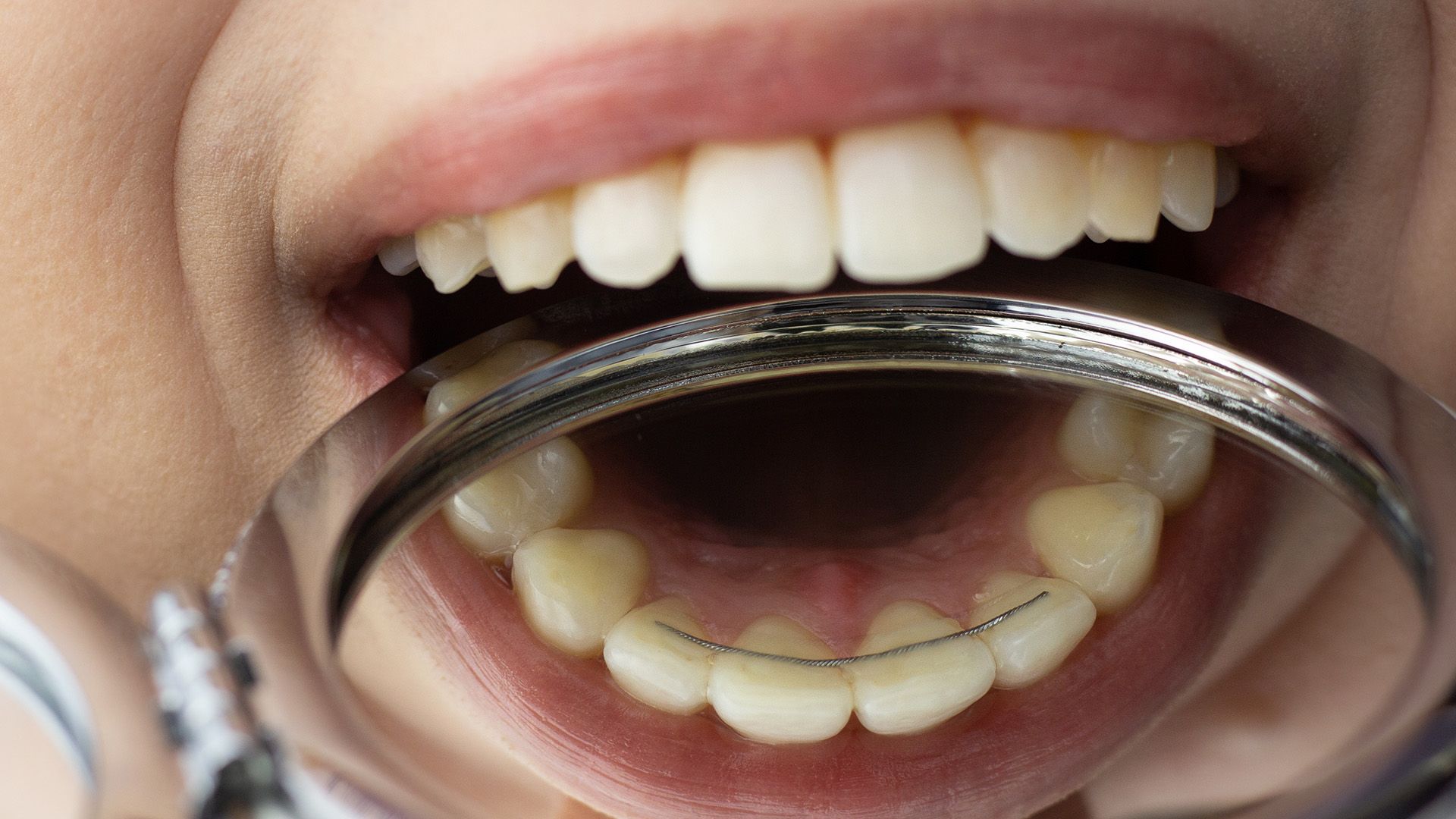
How to Prepare for Your First Visit to the Orthodontist
Your first orthodontic visit sets the stage for a healthy, aligned smile. We keep this appointment informative, comfortable, and pressure-free. You’ll learn what’s happening with your teeth and bite, explore appropriate treatment options, and get clear answers about timing, costs, and care. If you’re wondering how to prepare for your first visit to the orthodontist, the guidance below explains what to bring, what to expect, and how to make the most of a consultation with orthodontist specialists. Here’s how to get ready and what you can expect.

What to Expect During Your First Visit
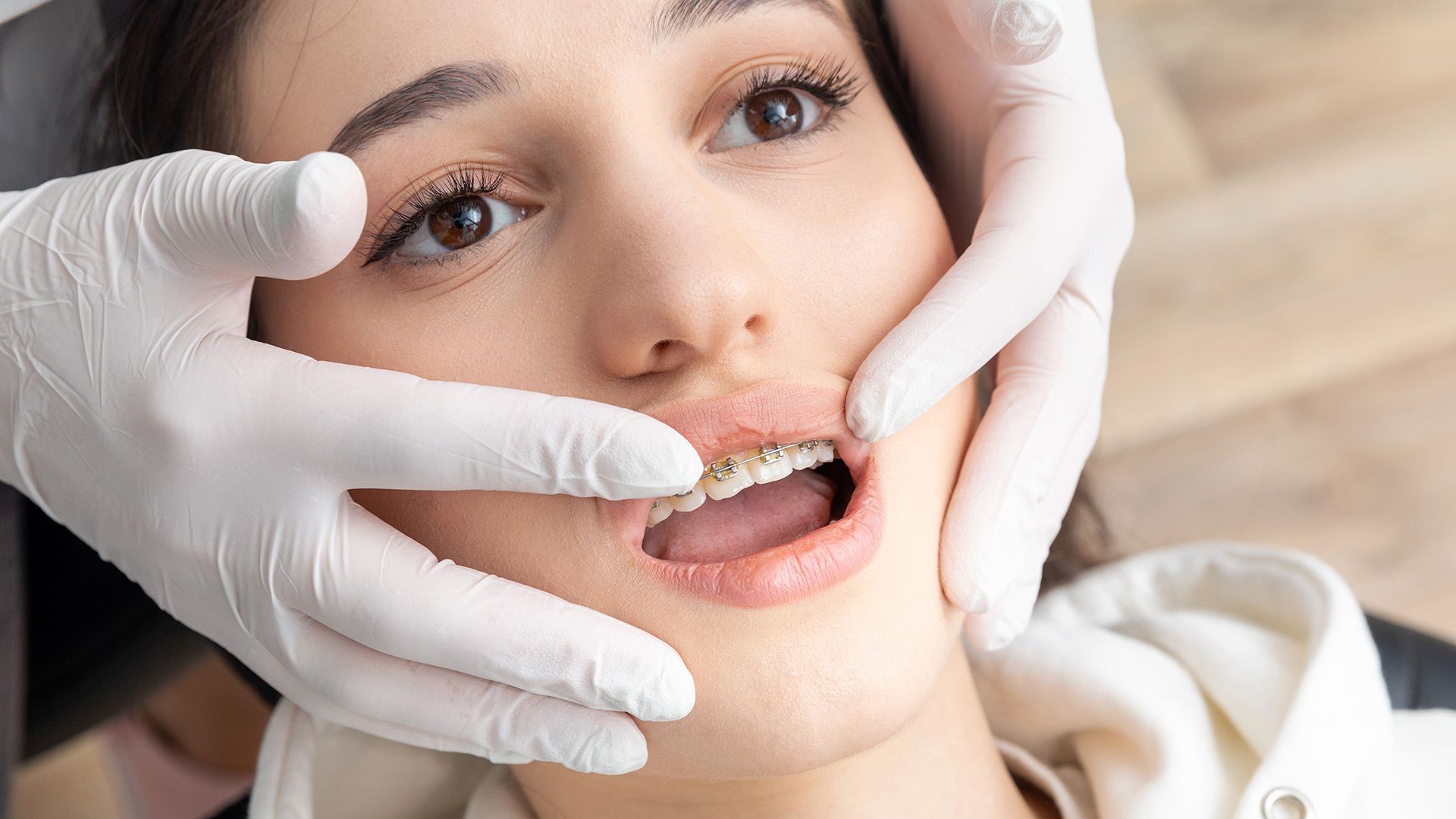
Your initial appointment typically includes a friendly welcome, a review of your medical and dental history, and a detailed orthodontic examination. Our team explains each step as it happens so there are no surprises. If this is your first orthodontist appointment, knowing the flow of the visit can reduce stress and help you feel confident.
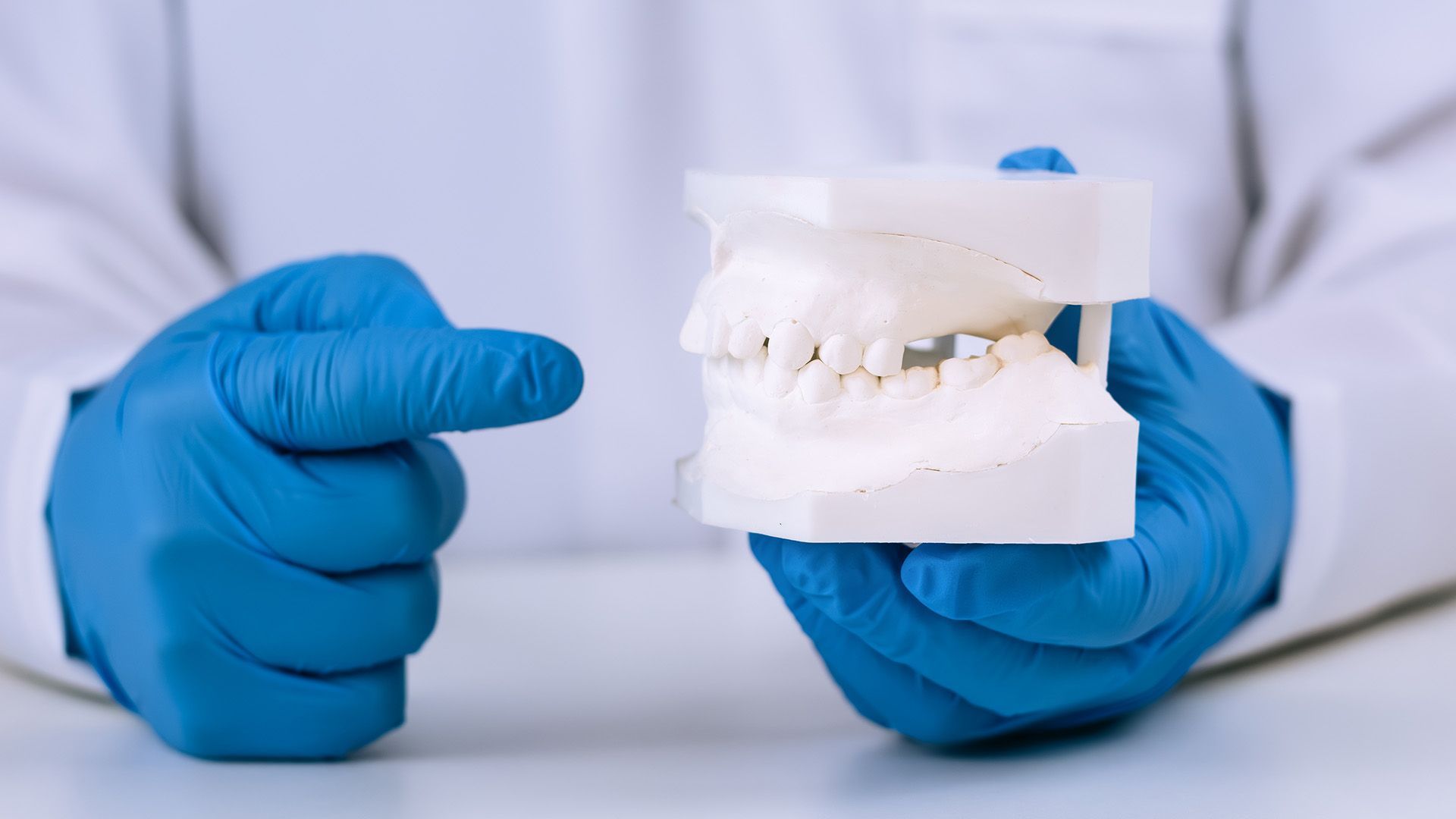
During the exam, the orthodontist evaluates tooth alignment, how your bite fits together, jaw position, facial symmetry, crowding or spacing, and habits that may affect your bite. We may take diagnostic records such as digital photos, X-rays, and a quick digital scan to create a 3D model of your teeth. These records reveal details that are not visible to the eye and help us design an effective plan.
Once records are reviewed, we’ll discuss treatment options tailored to your needs. This may include clear aligners, traditional metal braces, ceramic (tooth-colored) braces, or early interceptive care for growing children. We cover treatment goals, expected benefits, and alternatives, and make time for your questions before moving forward. This consultation with orthodontist professionals is your chance to compare options and understand the steps ahead.
Essential Steps to Prepare for Your Appointment
Arriving prepared helps you get the most value from your first visit. If you are exploring how to prepare for your first visit to the orthodontist, gather documents, think about your goals, and consider what matters most for your lifestyle and timeline.
- Bring your insurance information, a list of current medications, and recent dental X-rays if available. Your general dentist can forward X-rays directly to our office.
- Have your dentist’s contact details handy. If you’ve had orthodontic care before, bring any retainers or records you still have.
- Create a written list of questions so you leave with clarity.
Helpful questions to consider:
- Which treatment options fit my goals, budget, and daily routine?
- How long will treatment likely take, and what affects the timeline?
- How often will I need appointments?
- What happens if a bracket breaks or an aligner is lost?
- What are the total costs, and what’s included in the fee?
- What is the plan for retainers after treatment?
Good oral hygiene before your appointment is important. Brush and floss thoroughly the day of your visit. If you are due for a cleaning, schedule one with your general dentist beforehand; healthy gums and clean teeth lead to more accurate assessments and smoother treatment. These simple steps can make your first orthodontist appointment smoother and more informative.
Understanding Your Treatment Plan
Orthodontic care is highly individualized. Your plan reflects your anatomy, goals, and lifestyle. We’ll explain our recommendations and how they address your needs during your consultation with orthodontist providers.
Common options include:
- Clear aligners for a discreet, removable approach that fits many lifestyles.
- Traditional metal braces for precise, efficient tooth movement across a wide range of cases.
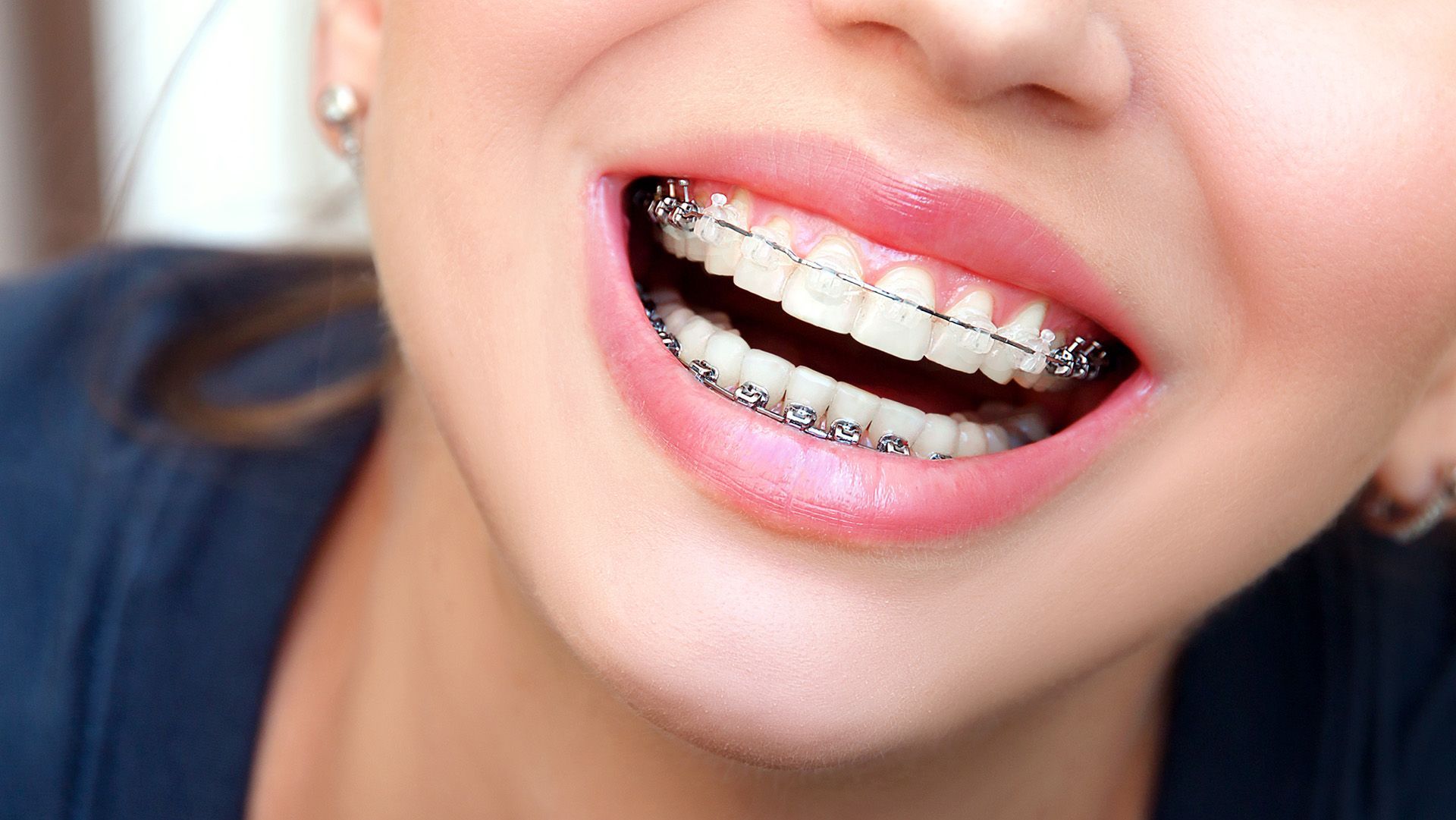
- Ceramic (tooth-colored) braces for a more subtle fixed option.
- Early interceptive treatment for children to guide jaw growth and create space for incoming teeth when appropriate.
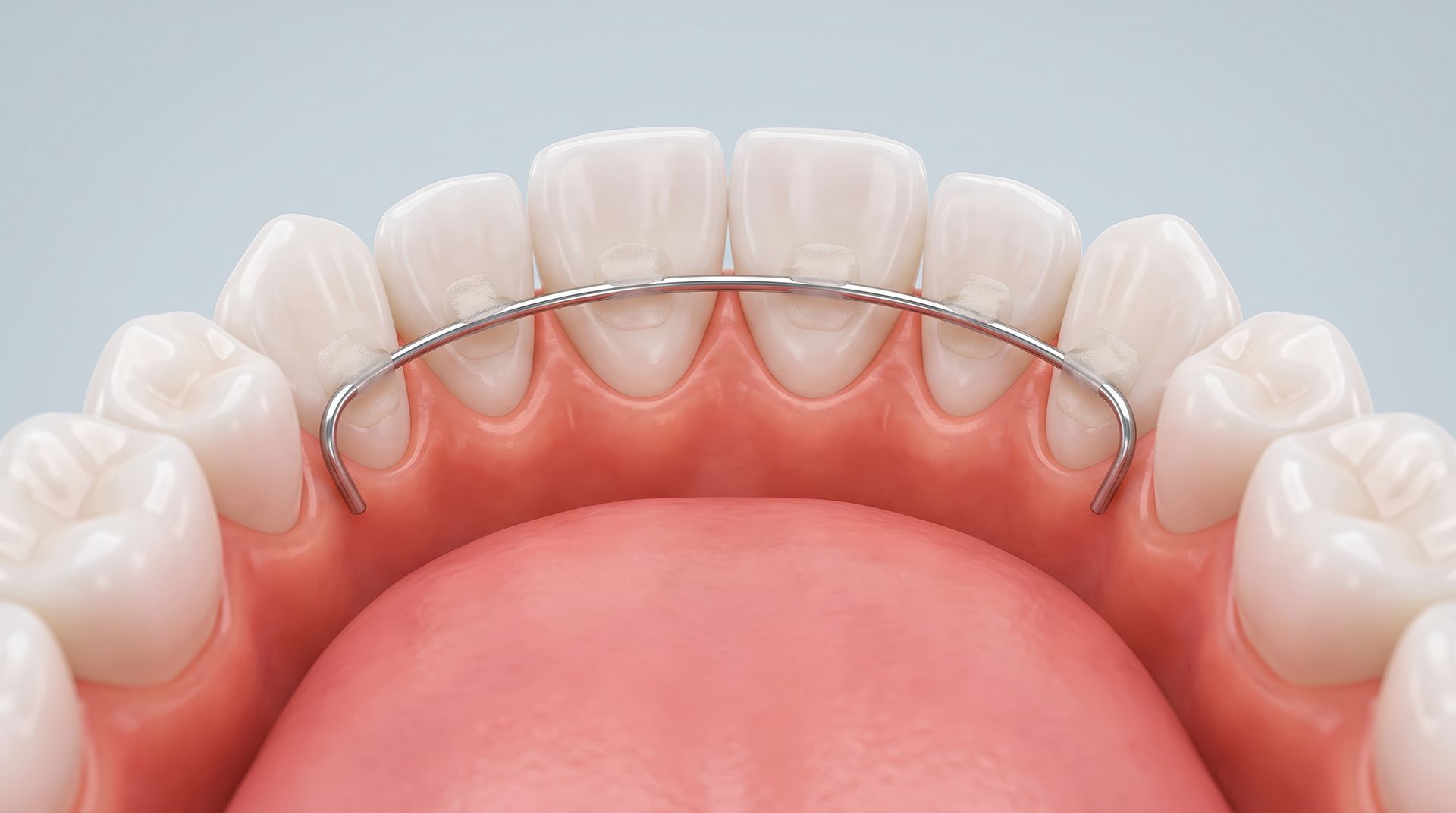
- Retainers to maintain alignment after active treatment is complete.
Every plan is customized. We consider tooth and jaw relationships, facial balance, gum and enamel health, and your preferences. If more than one path can achieve your goals, we’ll outline the pros and cons so you can make an informed choice.
Timelines vary with case complexity and cooperation. Minor adjustments may take 6–12 months, while comprehensive treatment often ranges from 18–30 months. You’ll learn how often you’ll visit, typically every 6–10 weeks for braces, with aligner check-ins scheduled based on your progress, and what to expect during each visit. We’ll share key milestones and discuss how good hygiene, elastic wear (if prescribed), and aligner compliance help keep you on schedule.
Financial Considerations and Insurance
We believe great smiles should be accessible. At your first visit, you’ll receive a clear cost estimate and a straightforward overview of your financial options so you can plan with confidence.
Payment options may include flexible in-house plans, low or no-interest monthly financing, and a discount for payment in full when applicable. We accept major credit cards and Health Savings Account (HSA) or Flexible Spending Account (FSA) funds for eligible expenses.
Insurance can reduce out-of-pocket costs. Bring your orthodontic insurance information so we can verify benefits. We’ll help you understand lifetime orthodontic maximums, waiting periods, medical necessity provisions, and any pre-authorization requirements. Our team can submit claims on your behalf and coordinate benefits to maximize coverage according to your plan.
During your first visit, we review the proposed treatment, estimated total fees, what insurance is expected to cover, and your remaining responsibility. You’ll leave with a written financial summary that outlines payment timing, what’s included (such as records, appliances, routine adjustments, and retainers), and any potential additional fees for lost appliances or extended treatment. Knowing these details ahead of your first orthodontist appointment helps you budget and plan effectively.
How to Get the Most from Your Consultation
Bringing clear goals and being open about your lifestyle helps us tailor your care. Let us know about sports, musical instruments, travel, work schedules, or dietary preferences that might influence your choice of braces or aligners. If you have dental anxiety, tell us, there are ways to make visits more comfortable.
If a dentist or specialist has referred you, share the reason for referral and any specific concerns. If you’re comparing options, ask to see before-and-after cases similar to yours and request an overview of what daily care will look like for each treatment type. This approach ensures your consultation with orthodontist experts results in a plan that truly matches your needs.
Sample First-Visit Timeline
| Step | What Happens | Time |
|---|---|---|
| Welcome and check-in | Confirm forms, insurance, and medical history | 5–10 minutes |
| Records (as needed) | Photos, X-rays, digital scan for a 3D model | 10–25 minutes |
| Clinical exam | Evaluate alignment, bite, jaw position, and oral health | 10–20 minutes |
| Treatment discussion | Review options, timelines, responsibilities, and alternatives | 10–20 minutes |
| Financial review | Estimate fees, insurance benefits, and payment options | 10–15 minutes |
Total visit time typically ranges from 45 to 90 minutes.
Frequently Asked Questions
What should I wear?
Choose comfortable, casual clothing. You’ll be in a dental chair, so wear something you can relax in. If you have long hair, bring a tie or clip to keep it away from your face.
How long will the appointment take?
Plan for 45–90 minutes, depending on whether we take diagnostic records and how many questions you have. We provide thorough explanations without rushing.
Can I bring a parent or guardian?
Yes. Parents, guardians, or a support person are welcome. For minors, a parent or legal guardian should attend to review options and consent forms.
Will treatment start the same day?
Sometimes. Simple cases or visits where records are complete may begin the same day. Often, we schedule a separate appointment to place braces or deliver your first set of aligners after reviewing records and insurance.
Does the first visit hurt?
No. The exam and records are comfortable and noninvasive. If treatment begins the same day, mild pressure afterward is normal and temporary.
How can I get ready?
Review how to prepare for your first visit to the orthodontist by gathering insurance details, recent X-rays, and your questions, then arrive with clean teeth and an open mind for your first orthodontist appointment.
Next Steps
Ready to get started? Gather your documents, jot down your questions, and maintain
great oral hygiene. At your visit, we’ll provide a clear roadmap for your care, so you can move forward with confidence toward a smile you love. If you want a smooth consultation with orthodontist providers, a few minutes of preparation goes a long way.