Can You Use Hydroxyapatite with Braces?
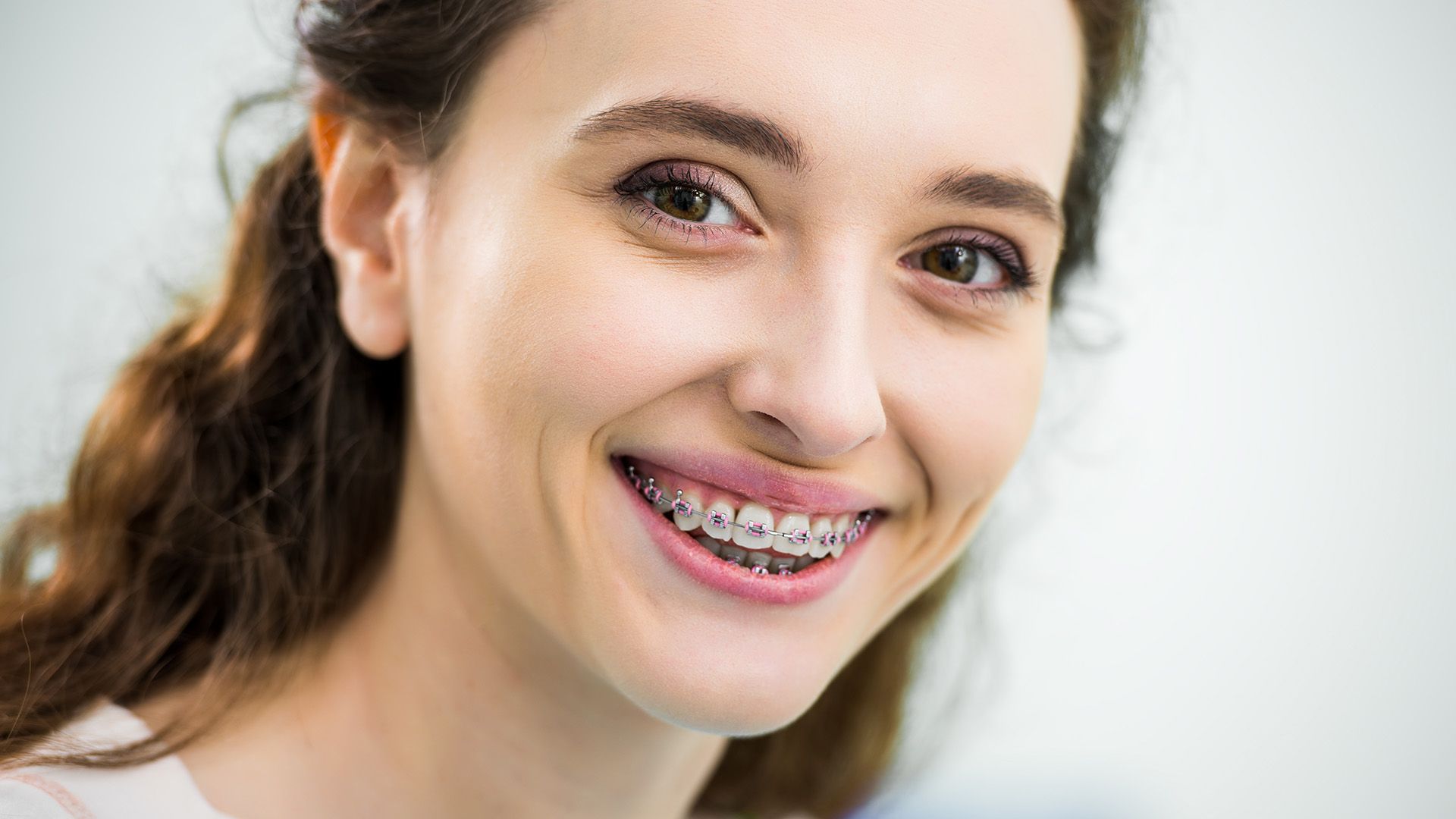
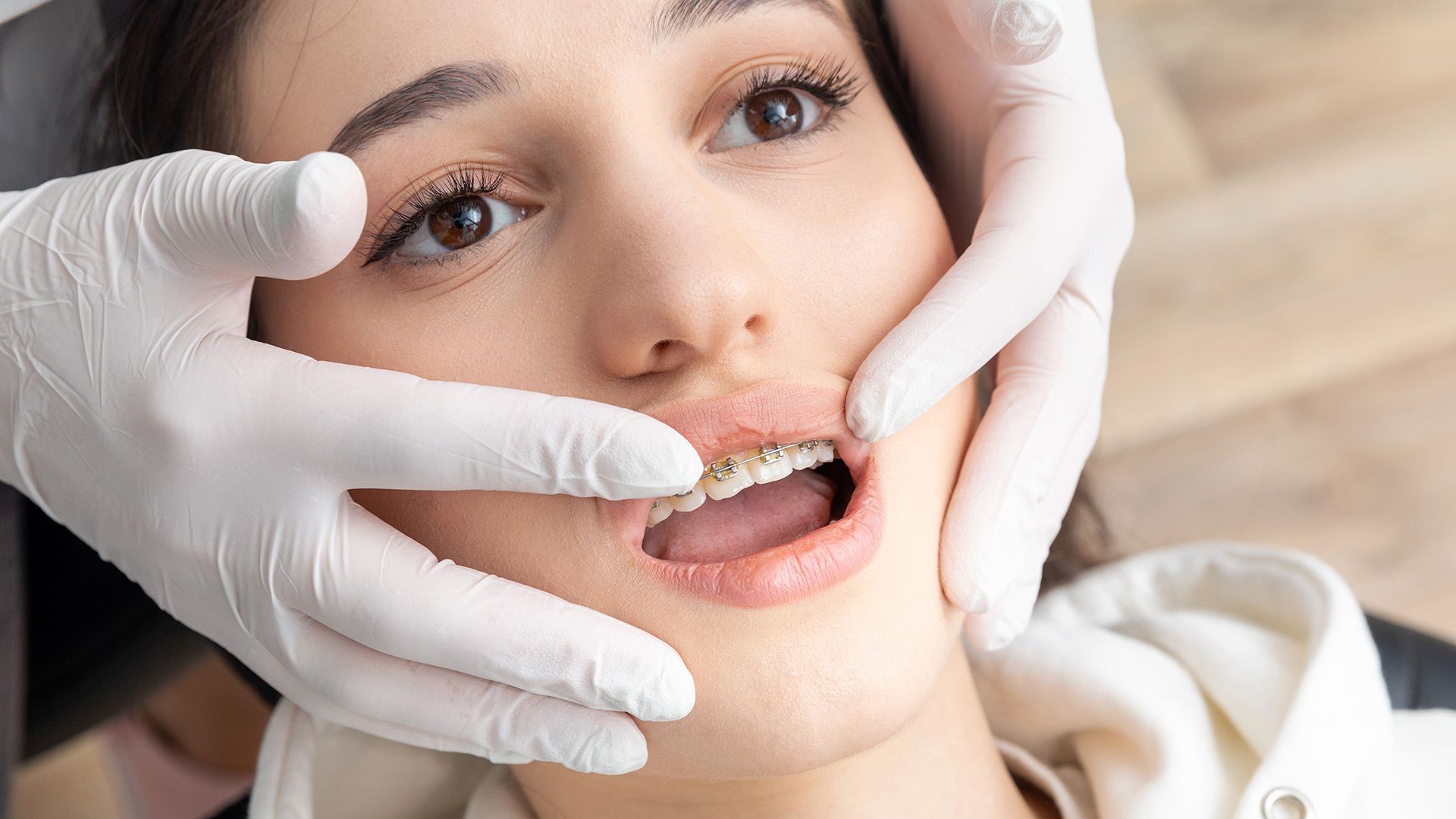
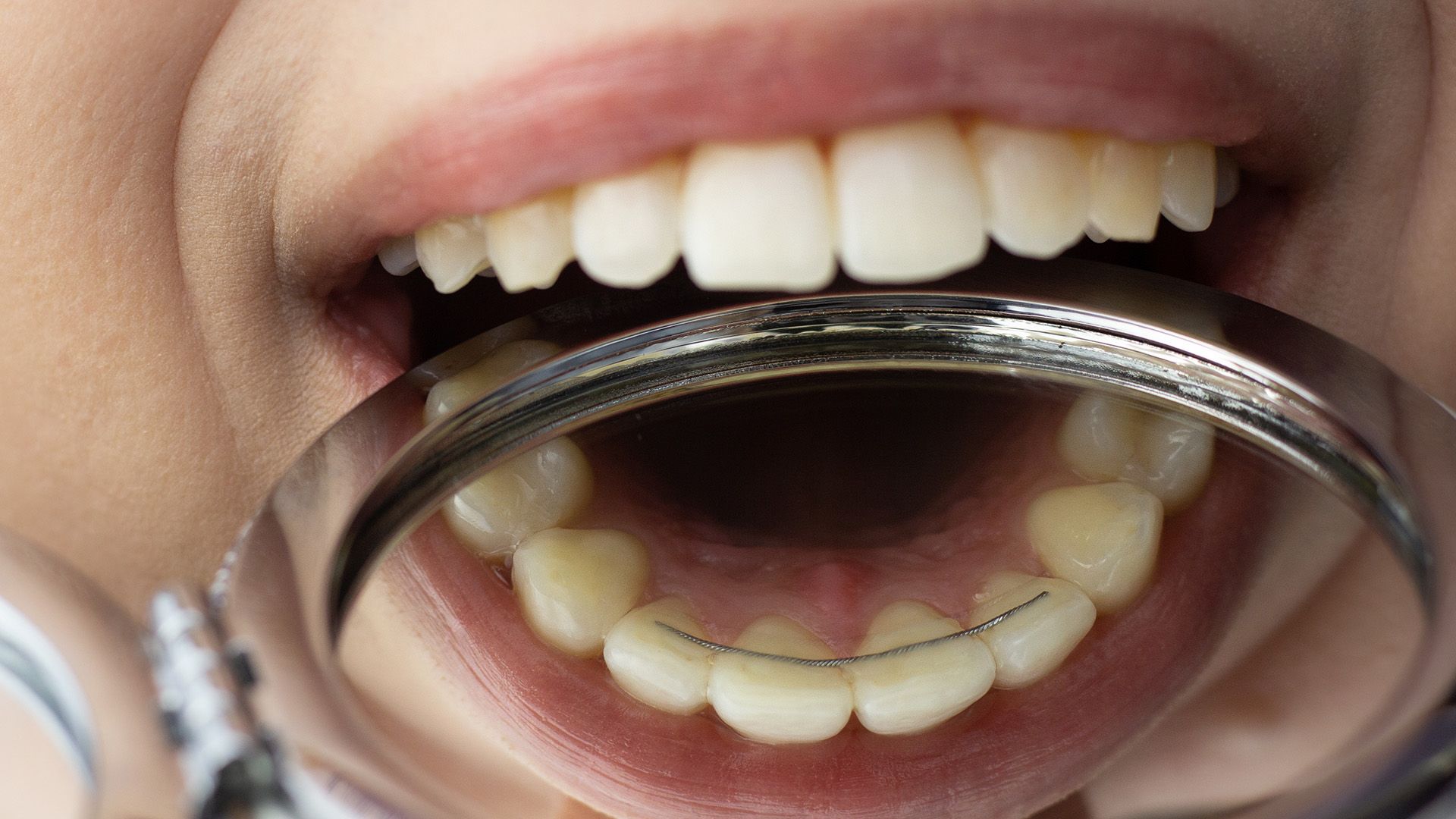
Yes. Hydroxyapatite (HAp) is safe to use with braces and can be a helpful addition to your orthodontic care routine. This calcium phosphate mineral supports enamel strength, lowers the risk of white spot lesions, and promotes smoother, cleaner tooth surfaces around brackets and wires. When used alongside consistent brushing, flossing, and professional guidance, hydroxyapatite can help keep your smile healthy throughout treatment. If you’re wondering, can you use hydroxyapatite with braces? The answer is yes, and it can complement your daily hygiene to protect enamel during orthodontic care.
What Is Hydroxyapatite?
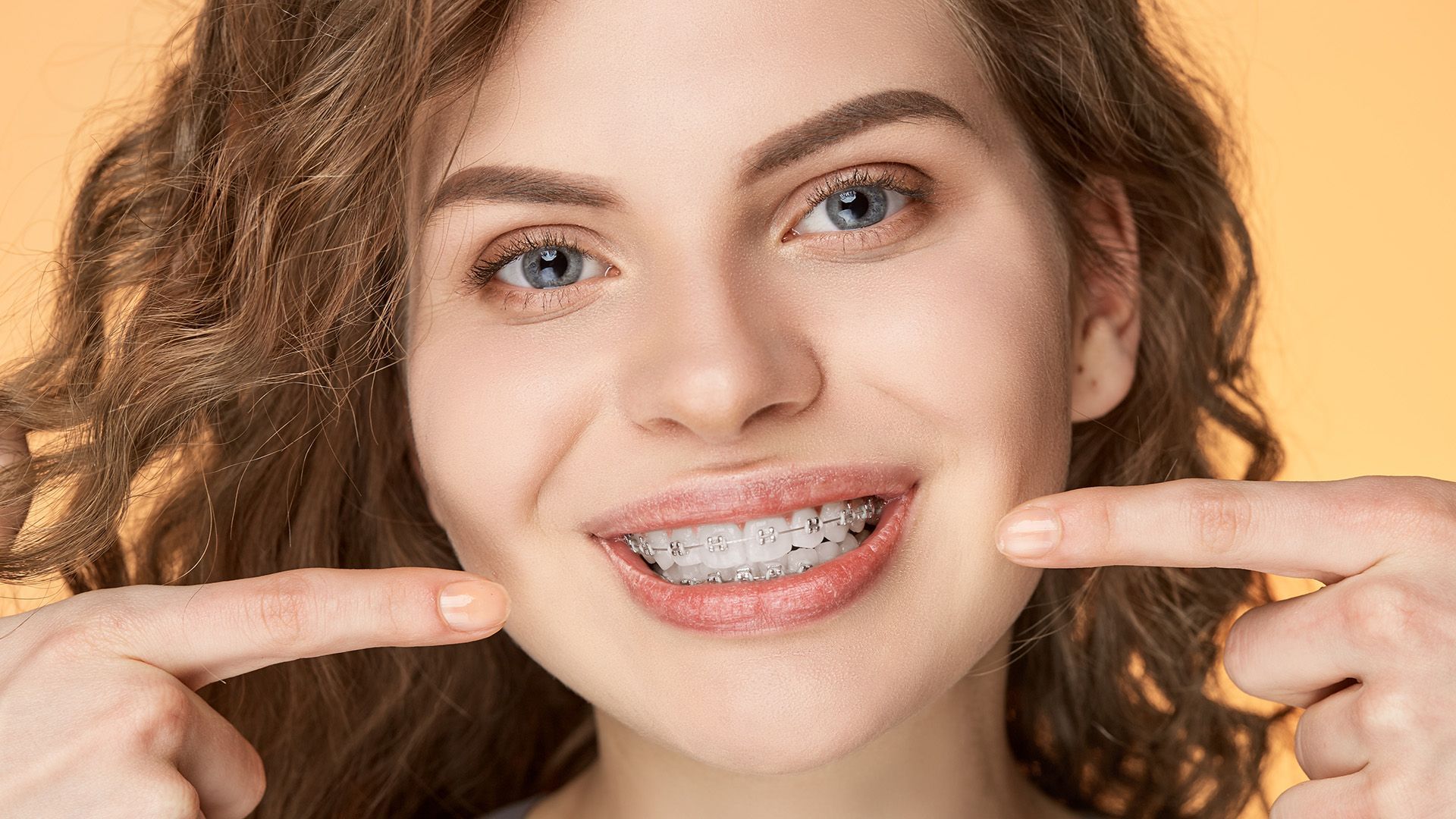
Hydroxyapatite is a naturally occurring mineral composed of calcium and phosphate that makes up most of your tooth enamel and dentin. In oral care, synthetic nano or micro-hydroxyapatite is used in toothpaste and mouthwash to bind to enamel, fill microscopic surface defects, and support remineralization.
By restoring minerals, hydroxyapatite helps rebuild weakened enamel, reduce sensitivity by sealing exposed dentinal tubules, and create a smoother tooth surface that is more resistant to plaque. These benefits are especially helpful during orthodontic treatment, when cleaning around brackets and wires can be more challenging.
Compared with fluoride, hydroxyapatite works by directly supplying the minerals that form enamel rather than creating a fluoride-based mineral layer. Both can help prevent cavities and strengthen enamel. Some products combine fluoride and hydroxyapatite for added benefits, while fluoride-free options are available for those who prefer to avoid fluoride.
Benefits for Patients with Braces
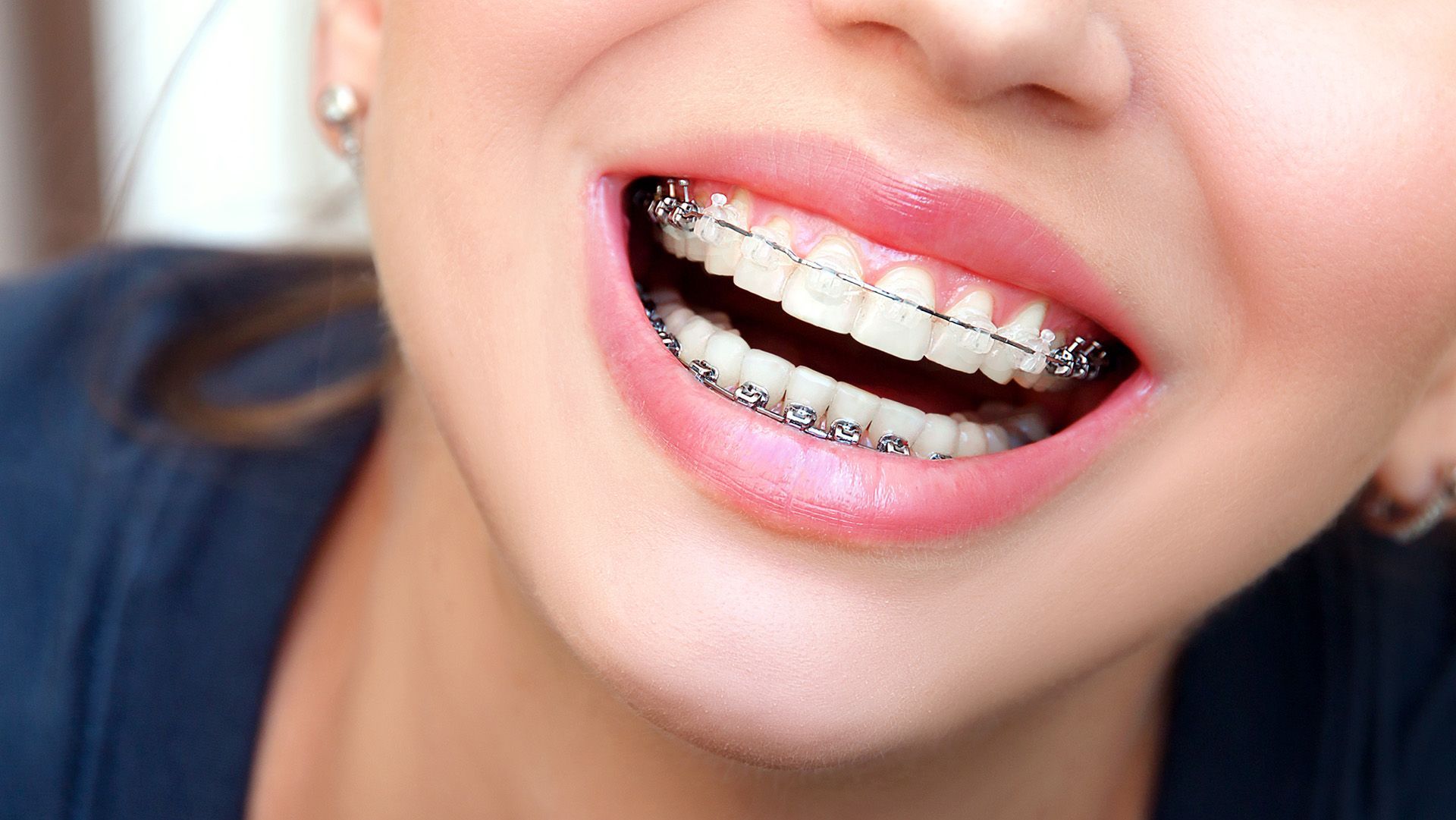
Hydroxyapatite helps counteract enamel demineralization by replenishing calcium and phosphate where acids from plaque begin to dissolve enamel. Around brackets, where plaque can accumulate, it can reduce the risk of white spot lesions and early cavity formation.
HAp’s ability to smooth micro-defects on enamel can make plaque removal easier and support healthier gums. Many people also report reduced sensitivity, which can be useful after adjustments or during active tooth movement. For anyone asking, if you can use hydroxyapatite with braces, these benefits highlight why it is considered a supportive option during treatment.
Studies involving fixed orthodontic appliances suggest that hydroxyapatite toothpaste and rinses can decrease white spot lesions and improve surface remineralization compared with placebo. Research also indicates cavity prevention comparable to fluoride in certain settings, and some evidence points to improved plaque control due to smoother enamel surfaces. While more long-term trials are ongoing, current data supports using hydroxyapatite as part of a comprehensive orthodontic hygiene regimen.
How to Use Hydroxyapatite During Orthodontic Treatment
- Choose the right product: Select a hydroxyapatite toothpaste (nano or micro-HAp). You can opt for fluoride-free or fluoride-containing formulas. Consider occasional use of a hydroxyapatite mouthwash.
- Check the label: Look for clearly stated hydroxyapatite concentration and avoid highly abrasive ingredients to protect both enamel and brackets.
- Brush effectively: Brush for two minutes, twice daily, with a soft-bristle brush. Angle the bristles around brackets and along the gumline to reach plaque-prone areas.
- Use technique to maximize benefits: Apply a pea-sized amount of hydroxyapatite toothpaste and spit without rinsing to leave minerals on the teeth.
- Clean between teeth: Floss daily with a threader, or use interdental brushes and a water flosser to remove plaque around wires and between teeth.
- Mind your diet: Limit acidic snacks and sugary drinks that can contribute to enamel breakdown.
- Consider a rinse: Use a hydroxyapatite mouthwash at night if recommended by your orthodontist.
Before starting new products, talk with your orthodontist, especially if you have a history of cavities, sensitivity, or white spot lesions. Your clinician can advise whether to use hydroxyapatite alone or alongside fluoride, suggest specific approaches, and tailor your routine to your appliance type and risk level. For patients who ask, can you use hydroxyapatite with braces? Individualized guidance ensures you use it correctly and effectively.