What Age Do You Have to Be to Get Braces?
There isn’t a single “perfect” age for braces. The best timing depends on each child’s dental development, bite, and overall oral health. Many children begin treatment between ages 10 and 14, when most permanent teeth have come in and the jaws are still growing. Some concerns are better managed earlier with interceptive care, and teens and adults can benefit from braces later on. If you’re asking what age you have to be to get braces, or wondering how old you have to get braces, the answer is that readiness varies by individual needs and growth. An orthodontic evaluation considers growth, tooth eruption, and bite relationships to recommend the safest, most effective time to start.

When Should Children First See an Orthodontist?
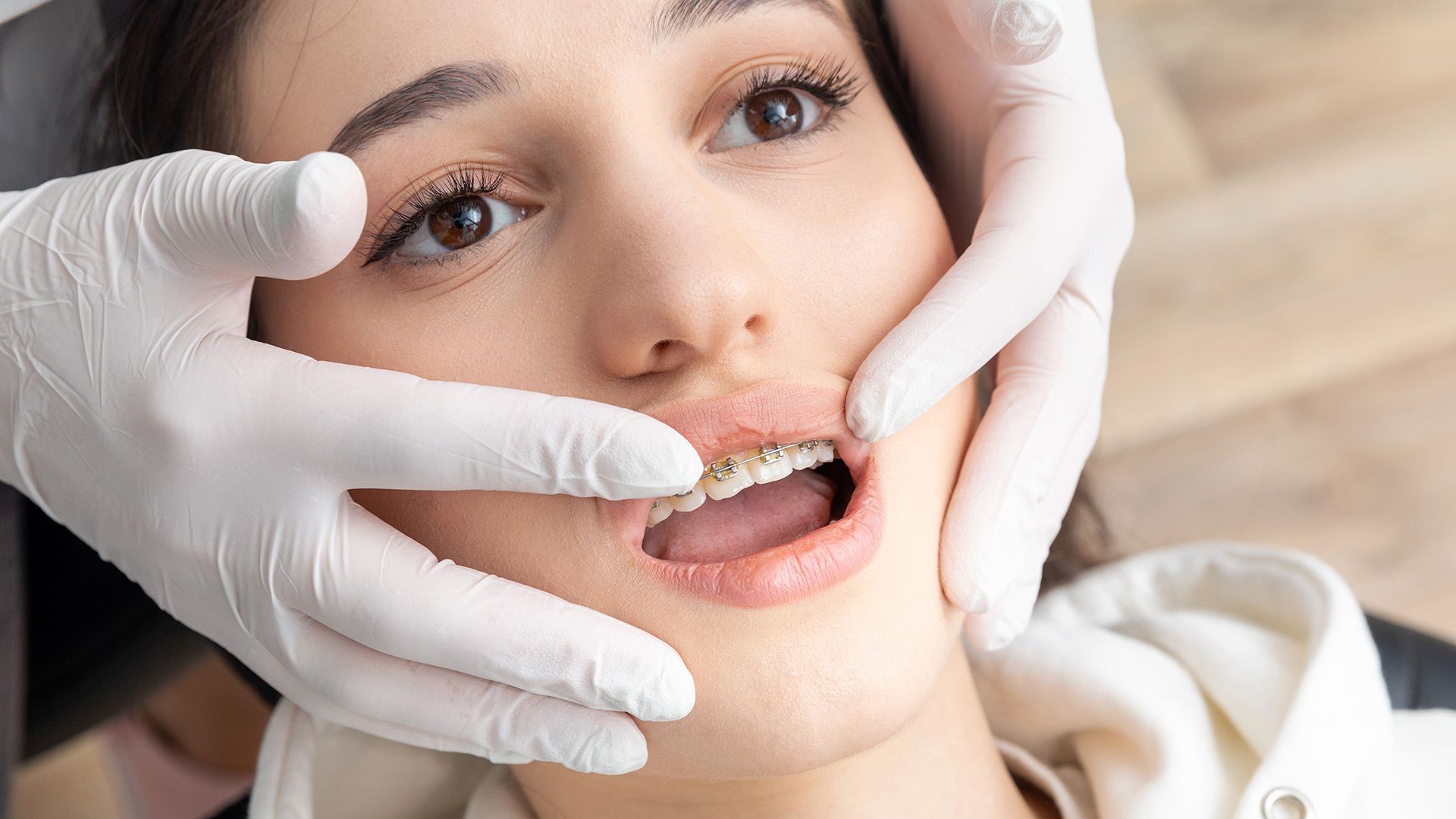
The American Association of Orthodontists advises a first orthodontic checkup by age 7. At this age, children have a mix of baby and permanent teeth, allowing an orthodontist to assess growth patterns and spot developing concerns early. This early look is especially helpful for families exploring braces for kids and asking what age you have to be to get braces.
Early consultation is helpful if you notice:
- Crowding or overlapping front teeth
- Early or late loss of baby teeth
- Difficulty chewing or biting
- Mouth breathing
- Thumb sucking beyond age 5
- Jaw shifting, clicking, or discomfort
- Teeth that meet abnormally or don’t meet
Even if treatment isn’t needed right away, periodic checkups provide a clear picture of how teeth and jaws are growing. Monitoring helps guide jaw development, create space for incoming teeth, and prevent concerns from becoming more complex later. For parents considering braces for kids, these visits clarify how old you have to get braces based on each child’s unique development.
What Is the Ideal Age for Getting Braces?
For many children, comprehensive braces are most efficient between 10 and 14 years old. At this stage, most permanent teeth have erupted and the jawbones are still developing, making tooth movement more predictable and comfortable.
The ideal age varies with factors such as:
- Dental development and eruption timing
- Severity of crowding or spacing
- Bite relationships (overbite, underbite, crossbite, open bite)
- Oral habits (thumb sucking, tongue thrusting)
- Readiness to follow care instructions
Some younger children benefit from Phase I (interceptive) treatment to guide jaw growth, influence eruption, correct habits, or create space. Teens typically receive comprehensive treatment to refine alignment and bite after most permanent teeth are in. Both approaches aim to establish a healthy, functional bite and a confident smile. If you’re asking what age you have to be to get braces, remember that timing is personalized. Families often ask how old do you have to get braces, and the answer depends on clinical findings and readiness.
Signs That Your Child May Need Braces
Common indicators for braces include crowded or overlapping teeth, spacing or gaps, protruding teeth, and irregular tooth eruption. Bite issues such as overbite, underbite, crossbite, and open bite often require orthodontic correction to improve function and protect teeth from excessive wear.
Parents can look for teeth that appear rotated, blocked from erupting, or shifted out of place. Pay attention to difficulty chewing, frequent biting of cheeks or lips, or jaw soreness. Behavioral cues, such as avoiding smiling or feeling self-conscious about tooth appearance, can also signal a need for evaluation. An orthodontic assessment clarifies the cause and outlines an appropriate plan. These signs help determine braces for kids' timing and answer questions like how old do you have to get braces.
The Benefits of Early Orthodontic Treatment
Addressing concerns during growth can deliver meaningful advantages. Early treatment helps guide jaw development, improve the width of dental arches, create room for permanent teeth, and correct harmful habits. By influencing growth while bones are still developing, orthodontists can often achieve changes that are more difficult later.
Interceptive care may reduce the need for extractions or more complex procedures in the future. Building the right foundation can shorten overall treatment time, simplify comprehensive braces later, and lower the risk of trauma to protruding front teeth.
Early improvements support oral health and confidence. Aligned teeth are easier to clean, helping reduce the risk of cavities and gum disease. Children who feel good about their smiles are more likely to engage socially and maintain positive hygiene habits, supporting long-term dental wellness. For families weighing braces for kids and asking what age do you have to be to get braces, early guidance ensures decisions are made at the right time.
Understanding Different Types of Braces
Several effective options are available for children and teens:
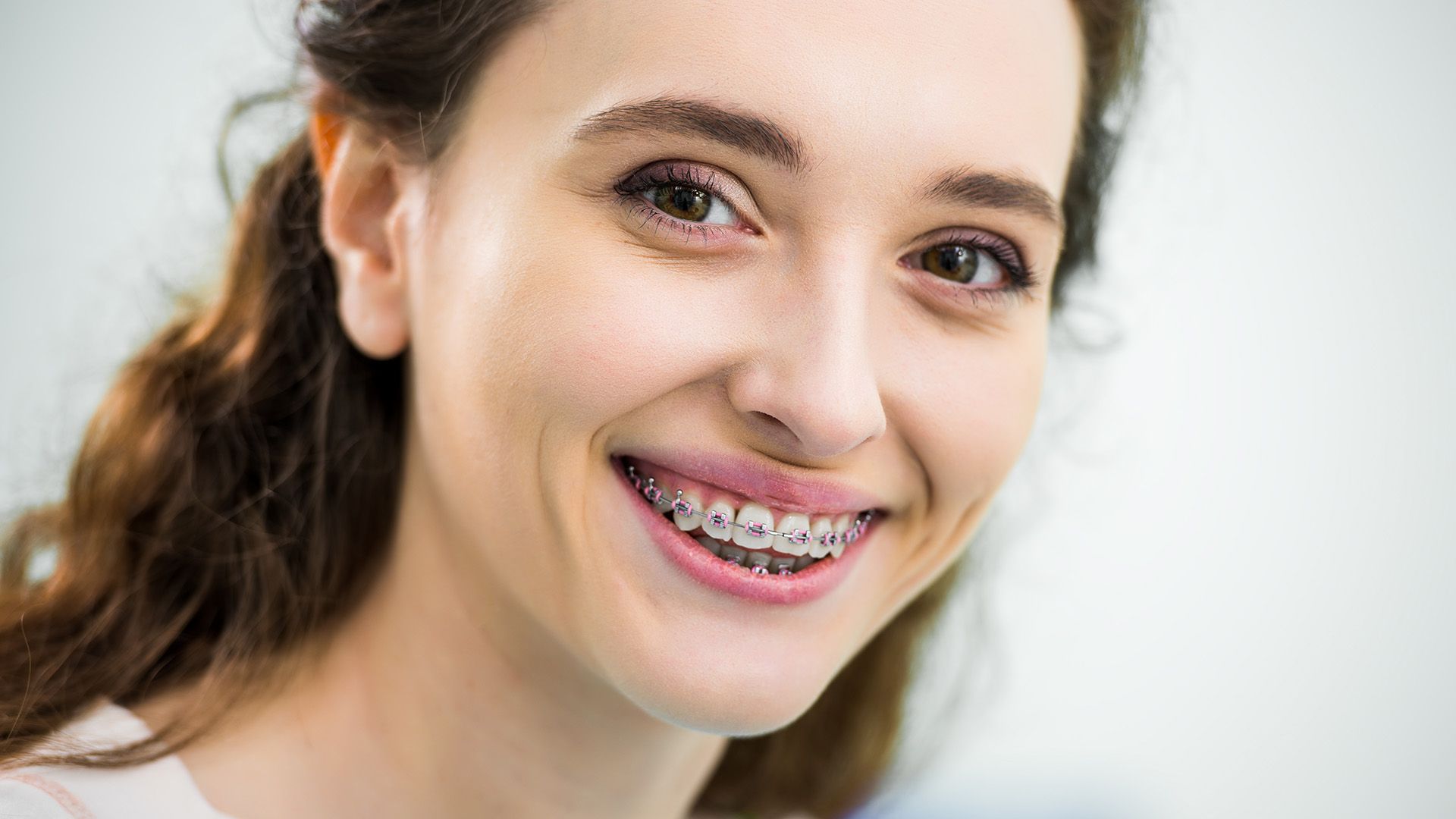
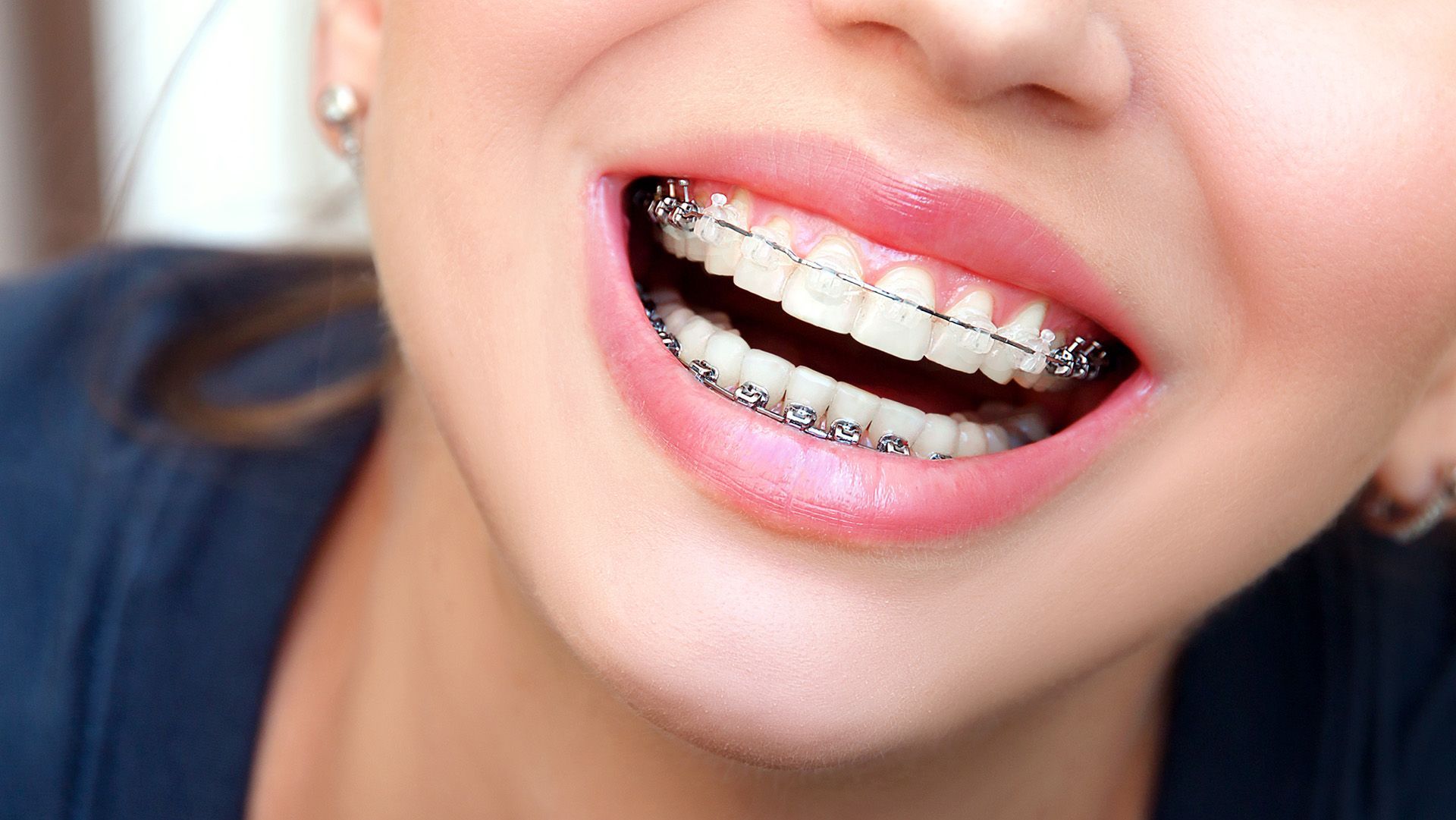
- Traditional metal braces: Durable and efficient, using brackets and wires to move teeth precisely.
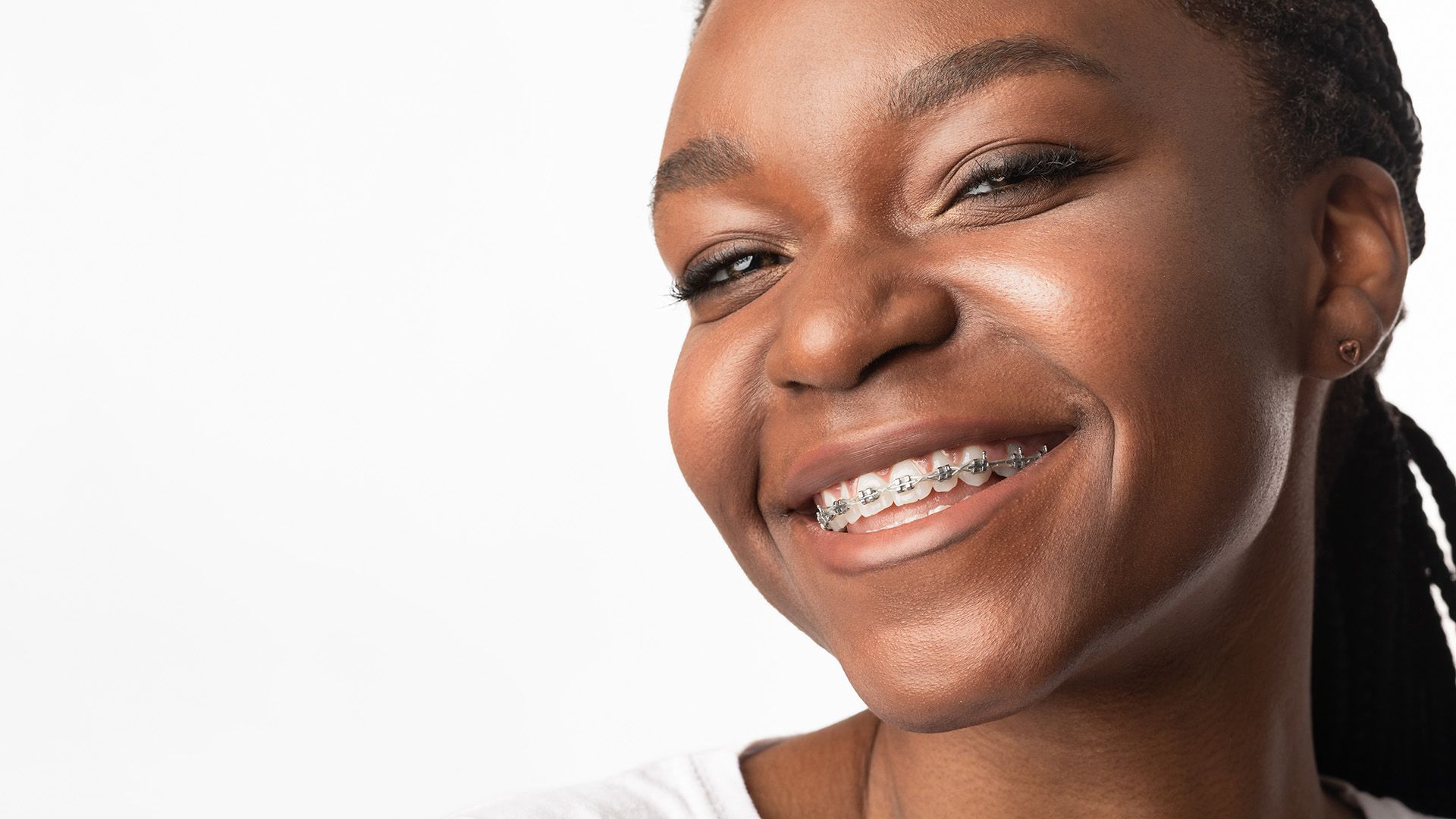
- Ceramic braces: Tooth-colored brackets that blend with natural teeth for a more discreet appearance, with similar performance to metal.
- Clear aligners: In select cases, removable trays can be suitable for responsible older children and teens with mild to moderate concerns, provided they wear them as directed.
Choosing the right option depends on age, goals, and lifestyle. Younger patients often do best with fixed braces, which work continuously and don’t rely on patient compliance. Teens seeking a subtler look may prefer ceramic braces or, if appropriate, clear aligners. An orthodontist will recommend the option that best meets your child’s needs.
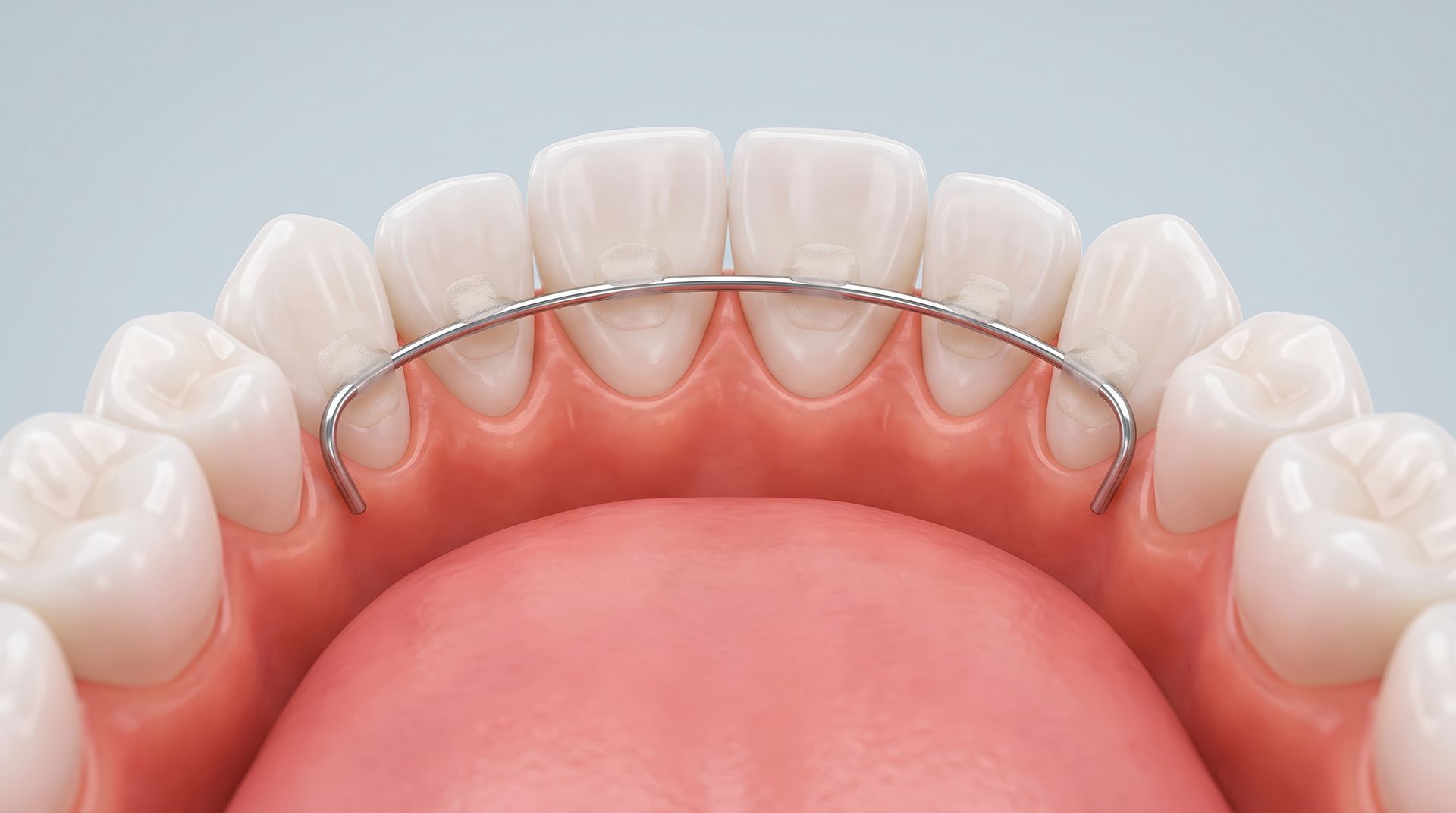
Comfort and appearance matter. Modern braces are smaller and smoother than before, with choices like colored elastics to personalize treatment. Ceramic brackets offer cosmetic appeal, and aligners provide minimal visibility and easy hygiene. Discussions around braces for kids frequently include how old do you have to get braces, which is determined by development and the type of appliance best suited for the case.
Typical Braces Timeline by Age Group
| Age Range | Common Focus | Possible Treatments |
|---|---|---|
| 6–9 | Monitoring growth, addressing habits, guiding eruption | Interceptive appliances, limited early correction |
| 10–14 | Comprehensive alignment and bite correction | Metal or ceramic braces; select cases may use aligners |
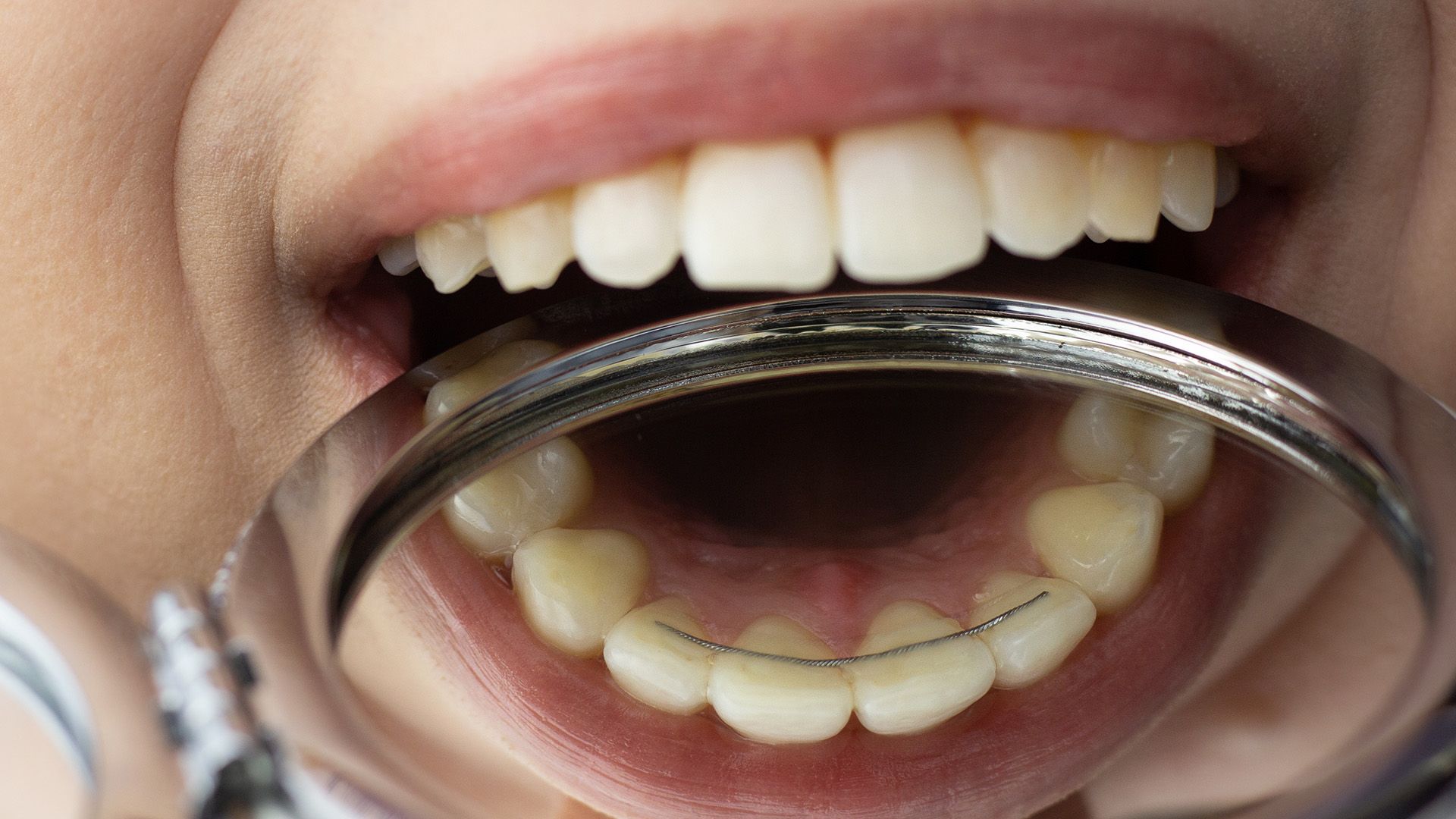
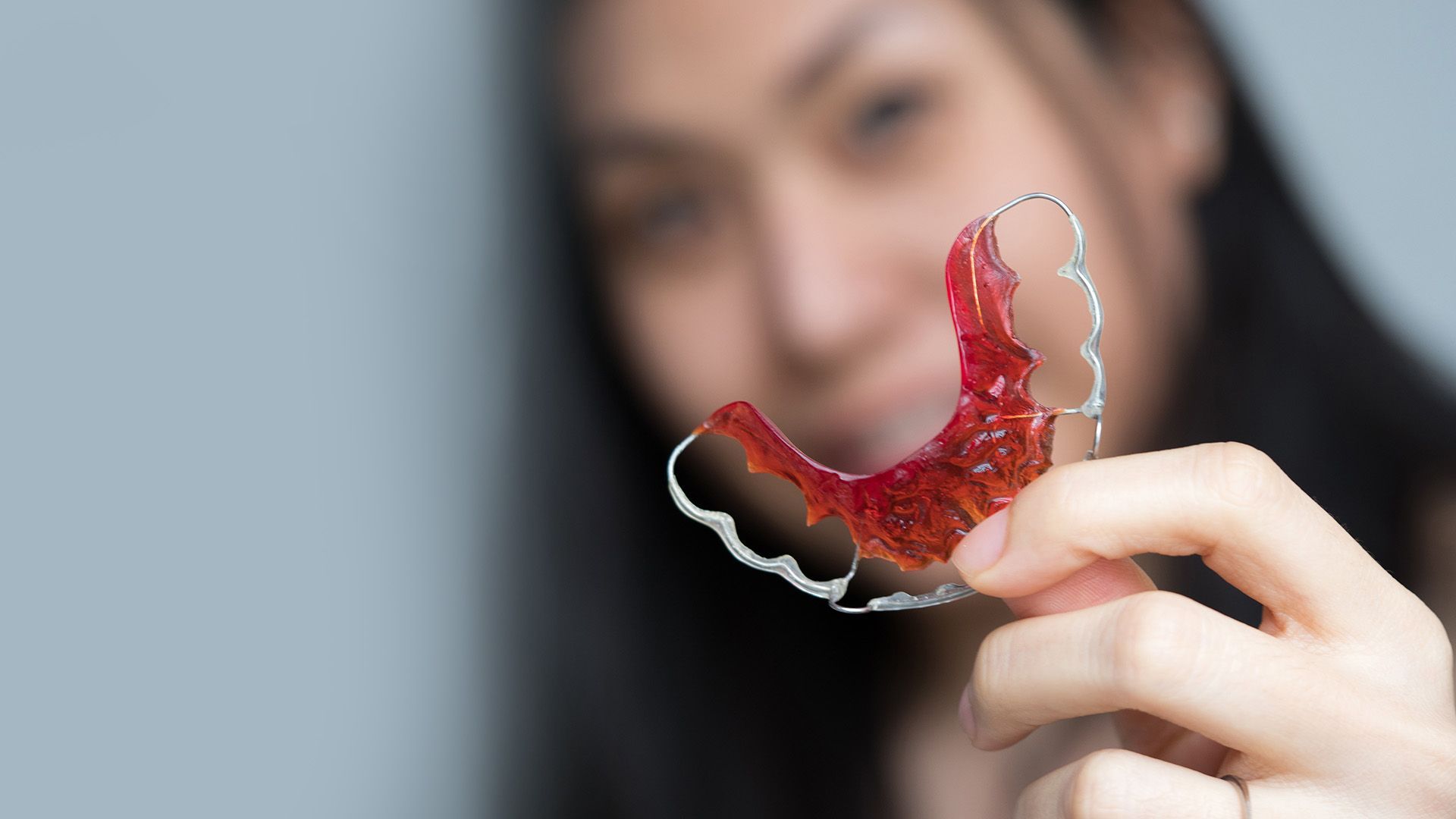
| 15–18 | Refinement of alignment, final bite adjustments | Comprehensive braces or aligners, retainers after treatment |
| Adults | Alignment and bite correction, aesthetic goals | Braces or aligners with customized plans |
This overview can help answer what age you have to be to get braces while showing that effective care is possible at many stages.
How Parents Can Support Treatment Success
- Schedule the first orthodontic visit by age 7 and keep regular checkups.
- Encourage consistent oral hygiene: brushing twice daily, flossing, and using fluoride toothpaste.
- Follow dietary guidelines for braces, avoiding sticky, hard, or chewy foods that can damage appliances.
- Help your child follow instructions for elastics, appliances, or aligner wear.
- Attend appointments as scheduled to keep progress on track.
For braces for kids, these steps support a smoother experience and clarify how old you have to get braces based on readiness and cooperation.
Final Thoughts
If you’re wondering, what age do you have to be to get braces, the answer is that readiness depends on growth and individual needs, not just the number on a birthday cake. Families exploring braces for kids often ask how old you have to get braces, and orthodontic evaluations provide personalized guidance on timing and options. Scheduling a consultation helps you learn when and how to start treatment for a healthy bite and a confident smile.