How Long Does It Take to Get Used to Braces?
Wondering how long it takes to get used to braces? Most patients notice significant improvement within the first couple of weeks, with day‑to‑day comfort increasing as teeth and soft tissues adapt. If you are asking how long does it take to get used to braces or how to get used to braces quickly, this guide explains what the first days feel like, practical ways to ease soreness from braces, how long do braces hurt for most people, and when to reach out for care, so you can move through your orthodontic journey confidently.

The Initial Adjustment Period
Right after your braces are placed, it is normal to feel pressure and sensitivity as your teeth begin to move. The brackets and wires may feel unfamiliar against your lips, cheeks, and tongue, and you could notice slight changes in speech and chewing for a short time.
Common sensations include tenderness when biting, pressure on certain teeth, and minor irritation to the inner cheeks or lips. Some patients also experience increased salivation or a light metallic taste at first. These sensations are temporary and typically improve as your mouth gets used to the appliances.
For most people, the initial adjustment phase lasts about 3 to 7 days. Sensitivity often peaks within the first 24 to 48 hours and then gradually eases. After your first follow‑up appointment or wire change, you may feel similar short‑term tenderness for another day or two. Consistent oral care and simple comfort strategies make this period more manageable and help you adapt faster, key steps if you are wondering how to get used to braces and how long do braces hurt during early treatment.
Managing Discomfort and Pain
Short‑term soreness is common, but a few straightforward steps can protect your soft tissues and reduce tenderness as you adjust to braces. Following your personalized care plan helps you feel better sooner.
Effective pain relief strategies:
- Use orthodontic wax on any bracket or wire that rubs your cheeks or lips to lessen soreness from braces.
- Rinse with warm salt water (½ teaspoon salt in 8 ounces of water) to soothe irritated areas.
- Apply a cold compress to the outside of your mouth in short intervals to reduce discomfort.
- Take smaller bites and chew slowly to minimize pressure on sensitive teeth.
Recommended foods and drinks during the adjustment:
- Soft foods: yogurt, smoothies, scrambled eggs, mashed potatoes, soups, oatmeal, pasta.
- Tender proteins: shredded chicken, fish, tofu, beans.
- Hydration: water and milk; avoid very hot beverages if teeth feel sensitive.
- Avoid hard, sticky, or crunchy items that can increase soreness or damage brackets.
Over‑the‑counter medications to consider:
- Acetaminophen can help with general soreness without affecting tooth movement.
- Ibuprofen may be used as directed for short‑term inflammation relief if approved by your healthcare provider.
- Always follow label instructions and check with a clinician if you have questions about medication use with braces.
If you are concerned about how long braces hurt, these measures typically shorten the duration and intensity of soreness from braces, helping you get comfortable faster.
How Long Until You Feel Comfortable?
Most patients feel noticeably more comfortable after the first week, with daily activities steadily improving. By weeks two to three, you should be accustomed to the feel of your braces and able to eat a wider variety of foods with care. Asking how long it takes to get used to braces is common; for many, the answer is one to two weeks, with brief soreness from braces after adjustments.
Typical duration of discomfort:
- Initial tenderness: 3–7 days after placement.
- Minor soreness after adjustments: 24–72 hours.
- Soft tissue adaptation (cheeks and lips): usually 1–2 weeks, often faster with wax and rinses.
- Speech adjustment: often a few days, sometimes up to a week.
Factors that influence comfort:
- Individual pain sensitivity and oral anatomy.
- The amount of tooth movement planned early in treatment.
- Consistency with recommended home care and diet.
- Use of wax, rinses, and proper brushing technique to prevent irritation.
Signs you are adjusting well:
- Decreasing tenderness and less frequent need for pain relief.
- Easier chewing with fewer pressure points.
- Minimal cheek and lip irritation, with wax needed less often.
- Stable brackets and wires with no poking or broken components.
Psychological Adjustment to Braces
Wearing braces can bring mixed emotions, excitement about achieving a healthier smile and some self‑consciousness about how they look or feel. These reactions are common and tend to improve as braces become part of your routine.
Emotional responses you may notice:
- Feeling more self‑aware in social situations or photos.
- Concern about temporary speech changes or eating in public.
- Relief and motivation when early progress becomes visible.
Tips to support a positive self‑image:
- Focus on the long‑term benefits, a straighter, healthier smile and improved bite.
- Practice speaking and smiling in front of a mirror to rebuild confidence.
- Choose elastic colors you enjoy or keep them neutral if you prefer a subtle look.
- Maintain excellent oral hygiene to keep brackets clean and your smile bright.
Encouragement and support from family and friends:
- Share your care routine so loved ones understand your needs during the first week.
- Plan braces‑friendly meals together to make dining easier.
- Celebrate milestones, first month, first adjustment, visible alignment changes, to stay motivated.
Understanding how to get used to braces includes addressing the emotional side, building confidence often shortens the perceived time of how long braces hurt and helps you manage soreness from braces more calmly.
Individual Variations in Adjustment Time
Every smile is unique, and the time it takes to get used to braces can vary. Personalized treatment plans based on your goals, bite, and lifestyle can influence how quickly you adapt.
How age and dental history can affect adjustment:
- Younger patients often adapt faster due to more responsive tissues.
- Previous orthodontic work or dental sensitivity may extend the initial soreness period.
- Oral habits (such as teeth grinding) can increase irritation and may require protective strategies.
Differences among common brace types:
- Traditional metal braces: initial tenderness typically 3–7 days, with brief soreness after adjustments.
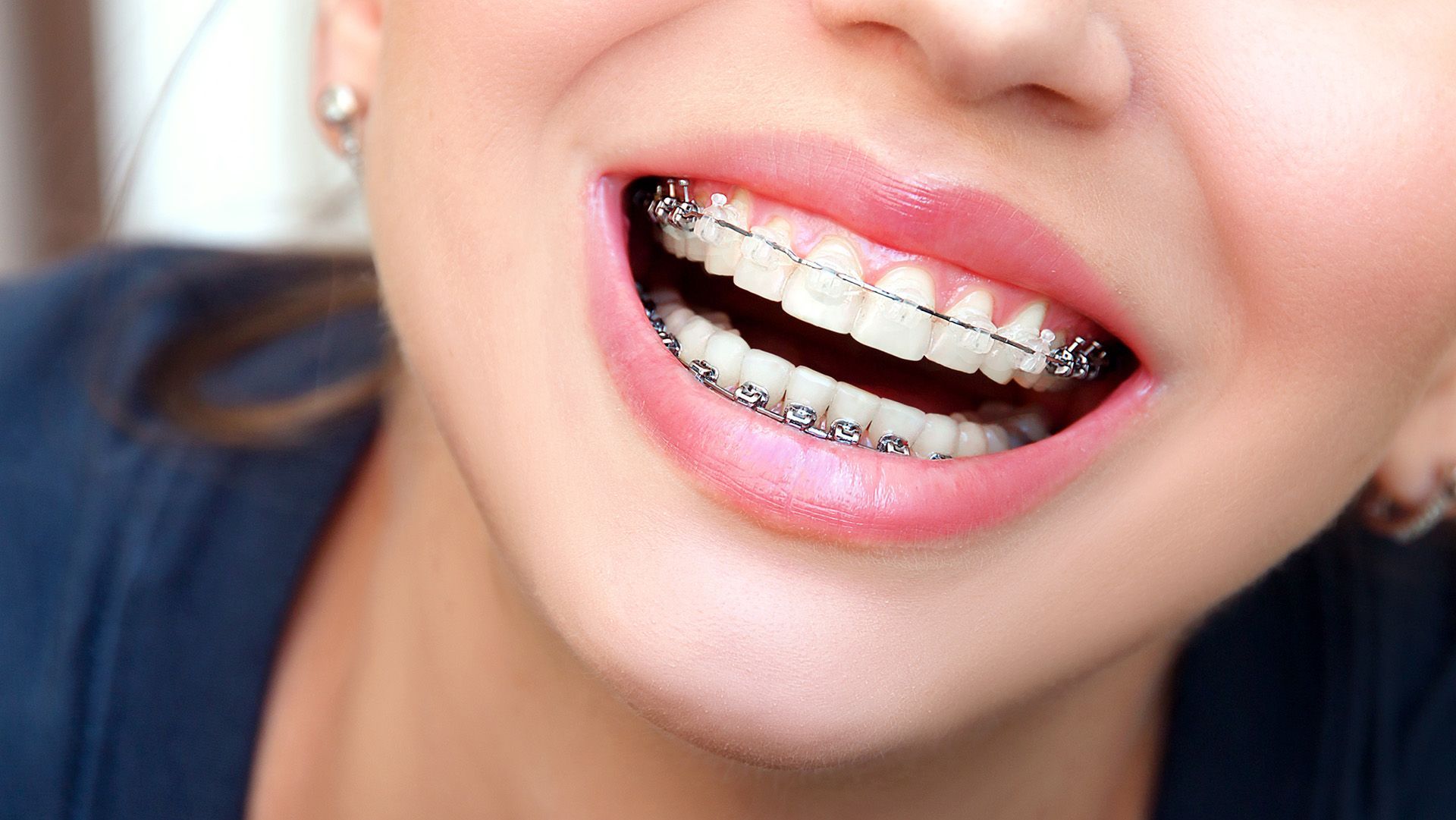
- Ceramic braces: similar timelines; brackets may feel slightly bulkier, affecting lip and cheek adaptation.
- Self‑ligating systems: some patients report slightly less friction, with similar short‑term soreness after changes.
When to contact your orthodontist:
- Persistent pain beyond two weeks or pain that worsens instead of improving.
- Sharp wire pokes, loose brackets, or broken elastics.
- Sores that do not heal with wax and salt‑water rinses.
- Difficulty eating or speaking that does not improve within the first week.
- Any questions about medications, diet, or care instructions.
If you are comparing how long it takes to get used to braces across different systems, remember that individual factors play a larger role than brace type. Tracking how to get used to braces through consistent care can reduce soreness from braces regardless of the system.
Practical Daily Tips for a Smoother Transition
Small habits add up and can make the first weeks with braces much easier. Incorporating these steps into your routine helps minimize irritation and keeps your treatment on track.
- Brush gently twice a day with a soft‑bristled brush and fluoride toothpaste; angle the bristles around brackets and along the gumline.
- Use an interdental brush or floss threader to clean between teeth and under the wire daily.
- Carry orthodontic wax and a travel toothbrush for quick relief when you are away from home.
- Avoid chewing on pens, ice, or fingernails, which can irritate tissues and damage brackets.
- Stay hydrated to reduce dry mouth and keep tissues healthy.
- Attend all follow‑up visits, timely adjustments ensure steady progress and allow minor issues to be fixed before they become uncomfortable.
Applying these tips will shorten the learning curve of how to get used to braces and can reduce how long do braces hurt after appointments, limiting soreness from braces to brief windows.
Bottom Line: How Long Does It Take to Get Used to Braces?
Most patients adjust to braces within one to two weeks. Expect the most tenderness in the first 24–48 hours, with noticeable improvement after day three. Minor soreness can return for a day or two after each adjustment, but it typically resolves quickly. If you are asking how long does it take to get used to braces, the answer is that early discomfort is short-lived for most. With smart comfort strategies, braces‑friendly foods, and consistent care, you will feel more at ease each day.
If you have questions about how to get used to braces or how long braces hurt for your situation, reach out to a
licensed orthodontic professional. Guidance tailored to your needs can further reduce soreness from braces and support a confident, healthy treatment experience.