Can You Use Your HSA to Get Braces?
Yes, many patients can use a Health Savings Account (HSA) to pay for braces and other medically necessary orthodontic care. If you are wondering if you can use your HSA to get braces, the answer is often yes, provided the treatment addresses a clinical need. Qualifying services typically fall under eligible medical expenses. Understanding how HSAs work can help you make the most of tax-advantaged savings while planning a smart payment strategy. Below, we outline eligibility, which treatments typically qualify, how to pay with HSA funds, and key tips to keep your budget on track.

What Is an HSA?
A Health Savings Account is a tax-advantaged account you can use to pay for qualified medical expenses. Contributions are pre-tax, the money can grow tax-free, and withdrawals for eligible expenses are tax-free. HSAs are owned by the individual, giving you long-term control over your healthcare dollars.
To open and contribute to an HSA, you must be enrolled in a qualifying high-deductible health plan (HDHP). You cannot be covered by a non-HDHP plan, enrolled in Medicare, or claimed as a dependent on someone else’s tax return. The IRS sets annual contribution limits that vary by year and by whether you have self-only or family coverage.
HSAs differ from Flexible Spending Accounts (FSAs) and Health Reimbursement Arrangements (HRAs). Unlike most FSAs, HSA funds roll over year to year and stay with you if you change jobs. HSAs are typically funded by you (and sometimes your employer), while HRAs are generally employer-funded. This structure makes HSAs a powerful tool for planned expenses like medically necessary orthodontic treatment.
Can You Use HSA Funds for Braces?
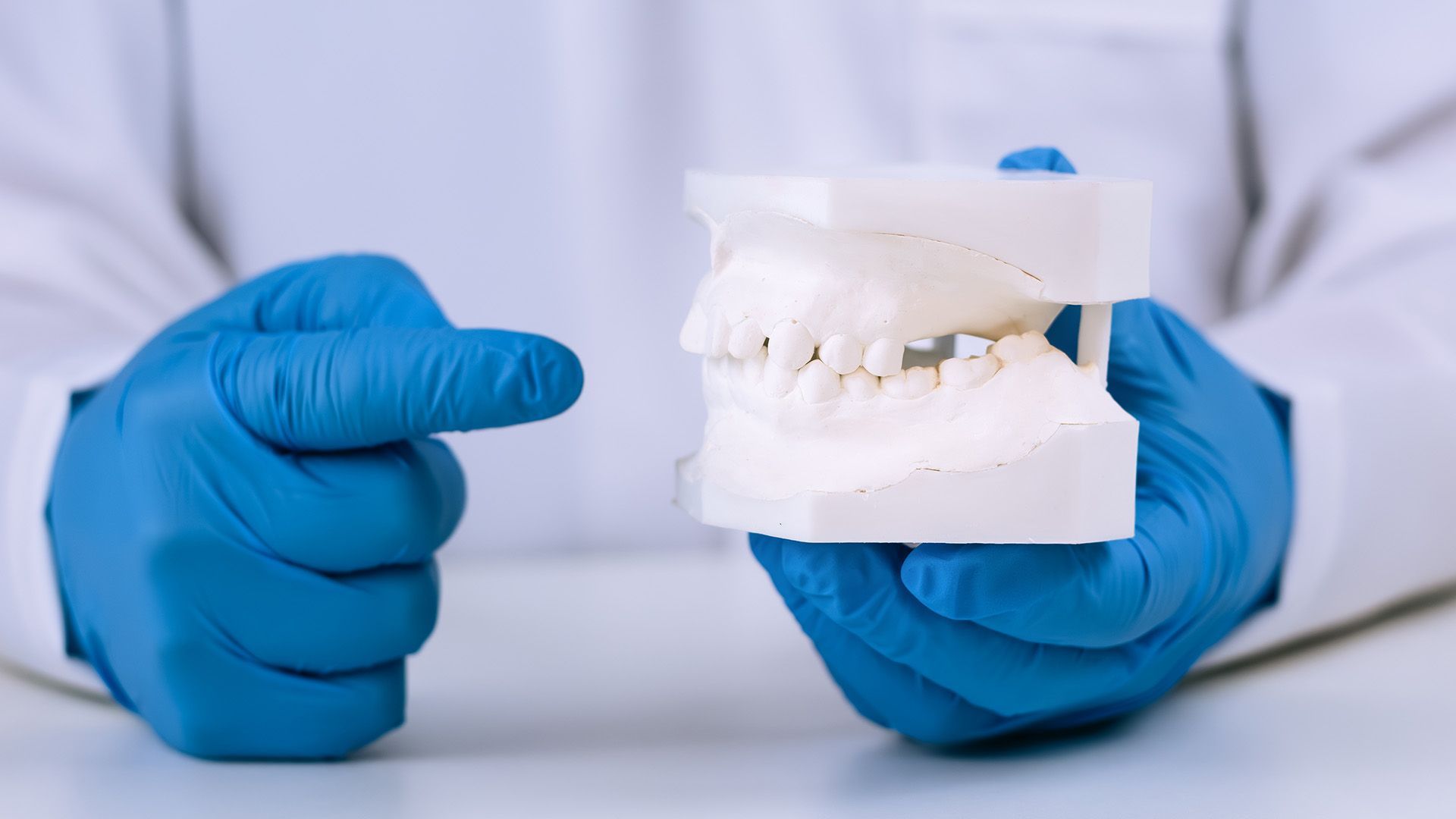
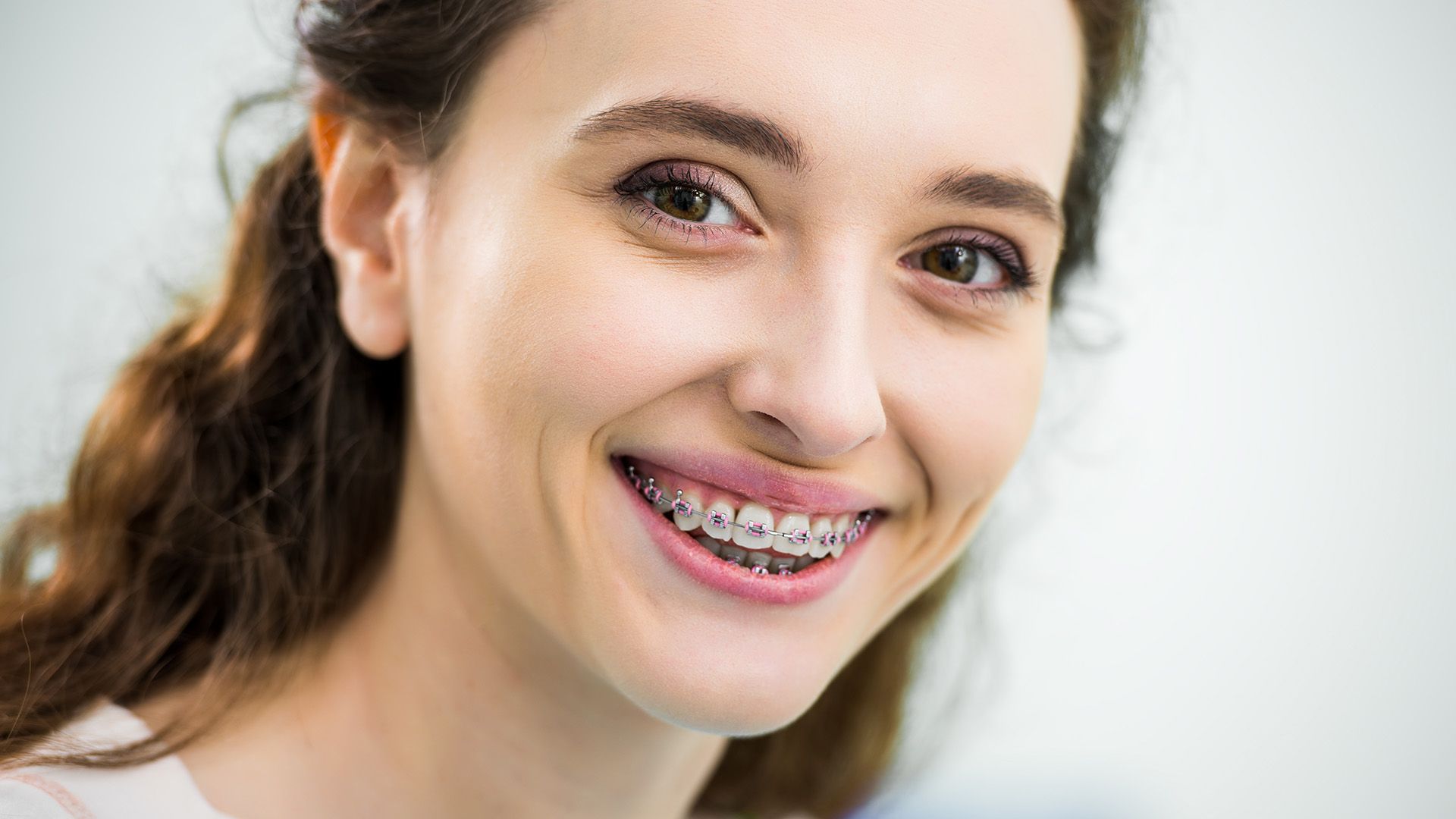
If you are asking if you can use your HSA to get braces, orthodontic treatment that is medically necessary, such as braces to correct bite issues or alignment problems, usually qualifies as an HSA-eligible expense. Many patients pay directly with an HSA debit card or pay out of pocket and then request reimbursement. If your goal is to use HSA for orthodontics, you can when treatment addresses functional concerns rather than purely cosmetic preferences. Orthodontic practices can provide itemized statements and treatment plans to support your HSA documentation.
To use HSA funds for braces, consider the following steps:
- Confirm your HDHP and HSA eligibility, current balance, and contribution schedule.
- Request a detailed treatment plan and cost estimate from your orthodontic provider.
- Pay with your HSA debit card or save receipts for reimbursement through your HSA provider.
- Keep all documentation for tax records and potential verification.
- If you’ll pay in installments, align the schedule with your HSA contributions.
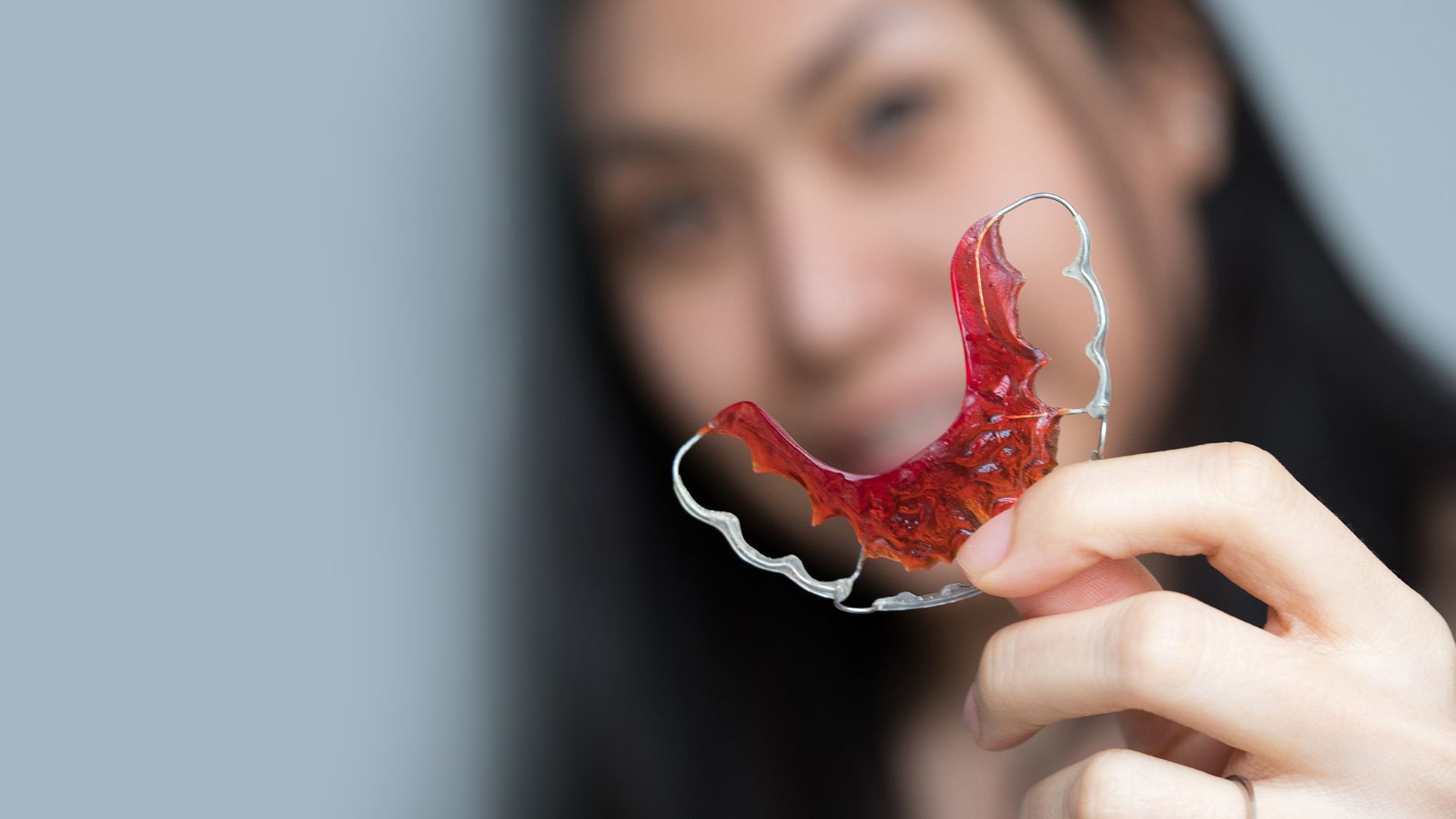
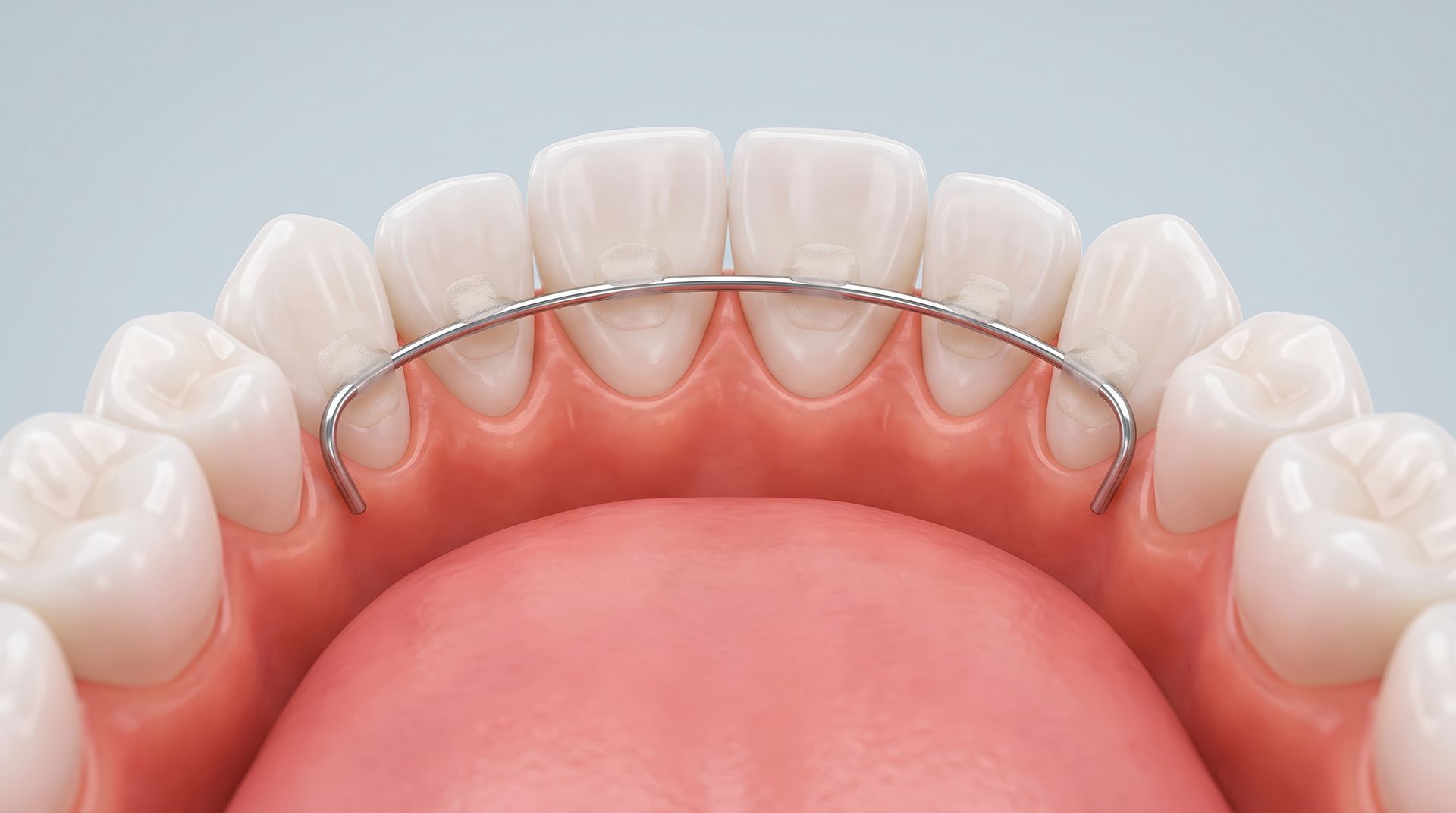
Common HSA-eligible orthodontic services include comprehensive braces for teens and adults, clear aligner therapy when medically necessary, space maintainers, retainers when part of active treatment, and diagnostic exams and X-rays. Cosmetic-only services are typically not eligible, so treatment should be based on clinical need.
For reimbursement, maintain the following records:
- Itemized invoices showing treatment types and dates.
- Proof of payment (receipts, cancelled checks, or card statements).
- Treatment plan indicating medical necessity.
- Insurance explanations of benefits (EOBs), if applicable.
Accurate documentation helps substantiate HSA withdrawals if requested by your HSA provider or the IRS.
Why Use Your HSA for Orthodontics?
Using HSA funds for braces offers significant tax advantages: contributions reduce taxable income, growth is tax-free, and qualified orthodontic payments are not taxed upon withdrawal. This triple benefit can lower the overall cost of treatment compared to paying with after-tax dollars. The tax savings are a key reason many families choose this route, finding that HSAs helpful for spreading out costs while maintaining tax efficiency.
HSAs also support long-term planning. Because funds roll over annually, you can build savings in advance of treatment. Coordinating an orthodontic payment plan with your HSA contributions may help spread costs across months without interest charges that often accompany financing.
Another advantage is flexibility and control. You decide when and how to use your HSA for eligible care, and the account remains yours even if you change jobs or insurance plans. This autonomy is helpful for families, particularly when multiple children may need braces at different times.
In practice, many families appreciate the budgeting clarity HSAs provide:
- Predictable, tax-advantaged contributions.
- Transparent treatment plans and timelines from your orthodontic team.
- Option to pay directly or reimburse after payment, depending on your preference.
Together, these features can turn a large healthcare purchase into a manageable, tax-efficient investment in oral health.
Important Considerations Before You Pay
There are some limitations to keep in mind. You must be enrolled in an HDHP to contribute to your HSA, and annual IRS limits cap how much you can set aside each year. Cosmetic-only orthodontic work is not typically eligible, and non-qualified withdrawals may be taxable and subject to penalties. If your HSA balance is low, you may need to adjust timing or use a combination of payment methods.
Consider how orthodontic payments fit into your overall healthcare budget. If you expect medical costs beyond braces, plan contributions accordingly so you can cover necessary care throughout the year. Establishing a realistic budget that prioritizes medically necessary treatment will help you avoid cash flow gaps.
Before starting treatment, speak with your orthodontist and your HSA provider. Your care team can:
- Provide itemized estimates and treatment documentation.
- Explain payment options, including phased installments.
- Coordinate with your insurance to clarify out-of-pocket amounts.
Sharing these details with your HSA administrator supports smooth payments and hassle-free reimbursement. If you still have questions about using your HSA to get braces or orthodontics, your provider and HSA administrator can help confirm eligibility based on your specific treatment plan.
With thoughtful planning and thorough documentation, HSAs can be an effective way to fund braces while maximizing tax benefits.
Get Started
If you’re considering
braces and want to use HSA funds, schedule a consultation with a qualified orthodontist. They will assess your needs, outline a clear treatment plan, and help you understand expected costs and payment options. Whether you pay directly with your HSA or seek reimbursement, a well-organized process makes it straightforward so you can focus on achieving a healthy, confident smile.