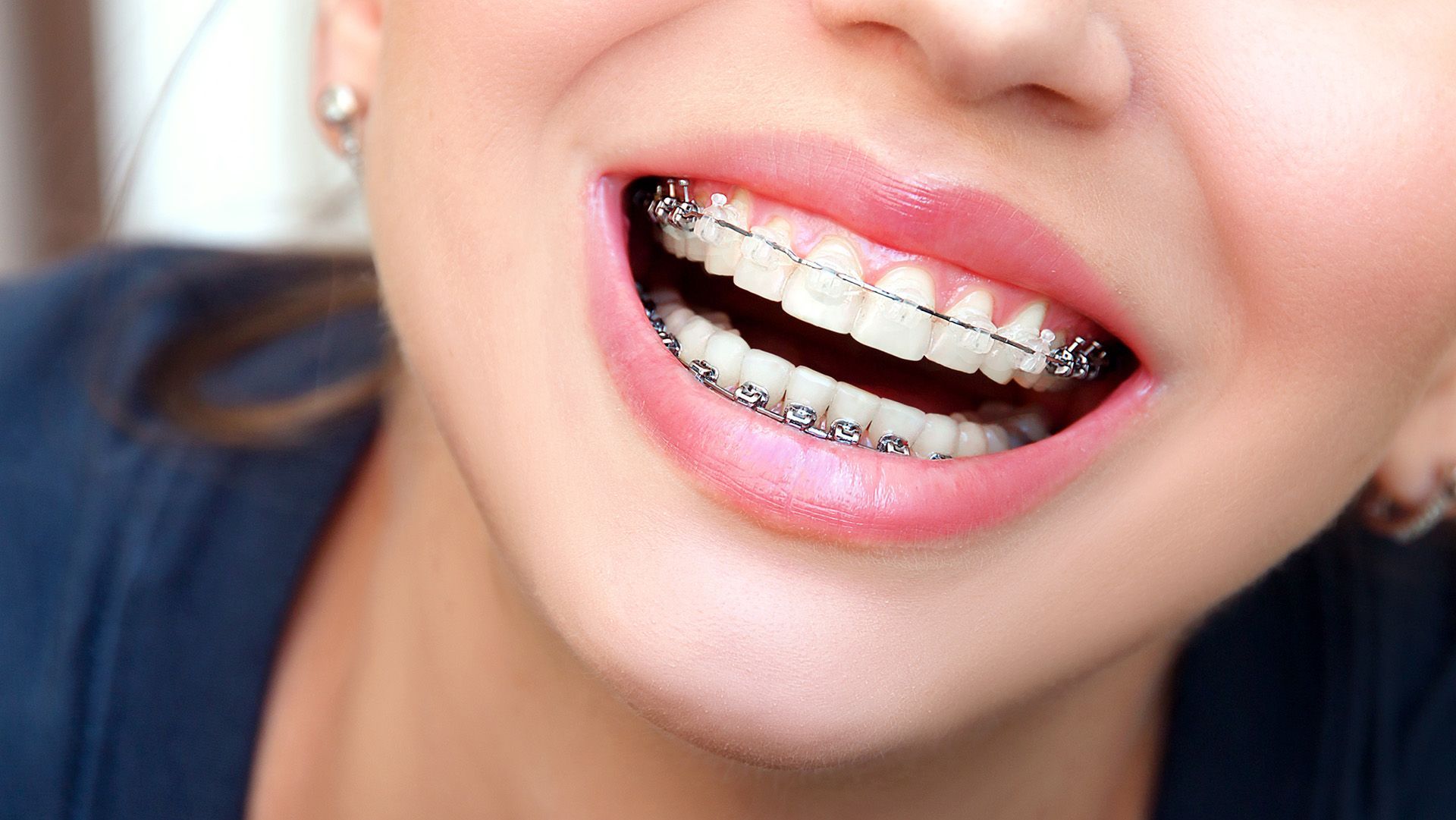
What To Eat with Braces the First Week
Getting braces is a significant step toward achieving a perfect smile, but it comes with its own set of challenges, especially during the first week with braces. Your mouth needs time to adjust, and the foods you consume play a crucial role in ensuring a comfortable and smooth transition. At Baptiste Orthodontics, we are committed to guiding you through this process, helping you understand what not to eat with braces the first week to prevent discomfort and damage to your braces.
Understanding the Importance of Diet in the First Week of Braces
Your diet directly impacts the health and effectiveness of your braces, especially during the first week of braces. Consuming the wrong types of foods can lead to broken brackets and bent wires, causing unnecessary orthodontic emergencies. To avoid these issues, steer clear of hard, sticky, and chewy foods like popcorn, nuts, chewing gum, taffy, and hard candies. These items pose the greatest risk to your braces.
Maintaining a balanced diet remains vital even when you have braces. So, what can you eat the first week of braces? Soft foods such as mashed potatoes, yogurt, and smoothies are excellent options. These foods are gentle on your braces and provide essential nutrients needed for your overall health and the proper alignment of your teeth. Additionally, staying hydrated by drinking plenty of water helps keep your mouth clean, reducing the risk of tooth decay and gum problems.
By being mindful of what to eat with braces the first week, you can protect your orthodontic appliances and ensure a successful treatment outcome. At Baptiste Orthodontics, we support you in making informed dietary choices that benefit your orthodontic journey.

Soft Foods that are Safe to Eat with Braces
Soft foods are your best friends during the first week with braces. They minimize discomfort and are less likely to damage your braces.
Here are some examples of soft foods you can enjoy:
- Mashed potatoes
- Yogurt
- Smoothies
- Oatmeal
- Scrambled eggs
- Soup
- Pasta
Preparing these meals can be both easy and delicious. Consider these tips:
- Cook vegetables until they are very tender.
- Blend fruits or vegetables into smoothies.
- Use a food processor to puree soups or stews.
- Experiment with different spices and seasonings for added flavor.
Incorporating a variety of soft foods into your diet ensures you receive the necessary vitamins, minerals, and fiber. Some soft foods, like yogurt and soup, also contain probiotics beneficial for your gut health.
Foods to Avoid During the First Week of Braces
While adjusting to your new braces, it's important to avoid certain foods that can cause damage or discomfort. Here’s what not to eat with braces the first week:
Hard and Crunchy Foods: Foods like popcorn, nuts, hard candies, ice, and raw vegetables (such as carrots and apples) can damage your braces. Opt for softer alternatives like steamed vegetables or mashed fruits.
Sticky and Chewy Foods: These can get stuck in your braces, making them difficult to clean and causing discomfort. Avoid sticky candies, chewing gum, caramel, toffee, and gummy candies. Instead, choose soft foods like yogurt, pudding, and smoothies.
Beverages to Be Cautious Of: Acidic beverages like citrus juices and sports drinks can weaken your tooth enamel. Stick to water, milk, and non-acidic juices to keep your braces and teeth in good condition.
By avoiding these foods and beverages, you can minimize discomfort and reduce the risk of damaging your braces. Always follow your orthodontist's instructions and maintain a good oral hygiene routine for a smooth orthodontic journey.
Tips for Managing Discomfort and Pain in the First Week
Experiencing some discomfort and soreness during the first week of having braces is normal. Fortunately, there are several ways to manage this discomfort and make the transition smoother:
Rinse with Warm Saltwater: Dissolve half a teaspoon of salt in a glass of warm water and swish it around your mouth for about 30 seconds before spitting it out. This can help reduce inflammation and alleviate pain.
Over-the-Counter Pain Relievers: Medications like ibuprofen or acetaminophen can be taken as directed to ease discomfort. Always consult with your orthodontist or dentist before taking any medication.
Maintain Proper Oral Hygiene: Brushing after each meal and flossing daily will help prevent food particles from getting stuck in your braces, reducing irritation and the risk of decay. Use a soft-bristled toothbrush and fluoride toothpaste to gently clean your teeth and braces.
Use Orthodontic Wax: If you experience irritation from the wires or brackets, apply orthodontic wax to the area causing discomfort. The wax creates a protective barrier between the braces and your mouth, reducing irritation and soreness.
Following these tips will help manage any discomfort or pain during the first week with braces. If you have any concerns or questions, be sure to reach out to your orthodontist for guidance and support.
Maintaining Oral Hygiene with Braces
Good oral hygiene is essential when you have braces to keep your teeth and gums healthy. Here are some important tips:
Brushing and Flossing Techniques: Brush your teeth at least twice a day using a soft-bristled toothbrush and fluoride toothpaste. Gently brush in a circular motion, paying extra attention to the brackets and wires. Don’t forget to floss daily using a floss threader or orthodontic floss to clean between your teeth and underneath the wires.
Regular Dental Check-ups: Routine check-ups are vital during your orthodontic treatment. Your orthodontist will monitor your progress, make necessary adjustments, and ensure your braces are working effectively. Regular cleanings and examinations will help prevent any issues and maintain your oral health.