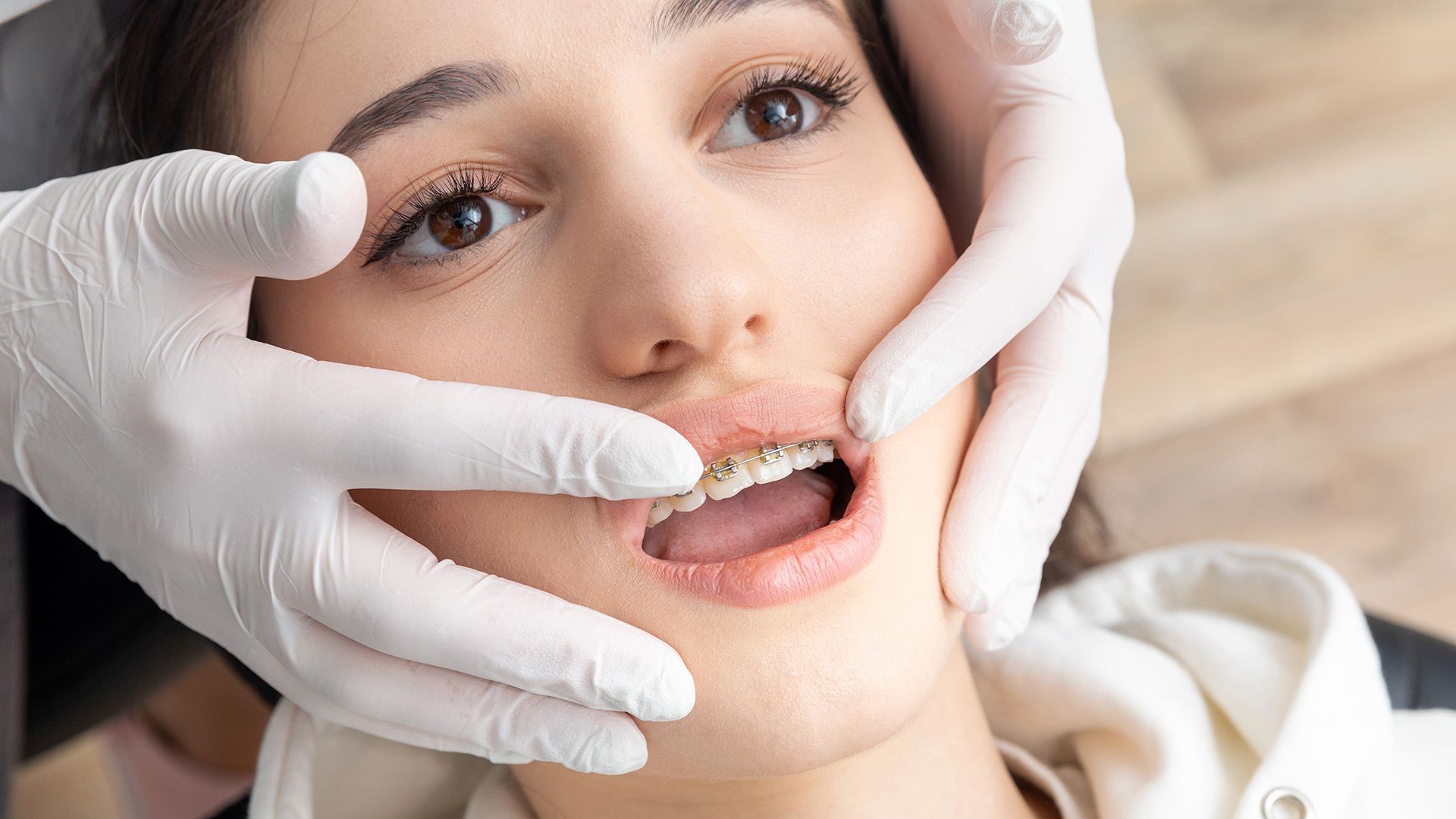
Do Clear Aligners Hurt?
Clear aligners move teeth with gentle, controlled pressure. It’s normal to feel some tenderness, especially when you first start treatment or switch to a new set of trays. Most people describe the sensation as pressure or mild soreness rather than sharp pain, and it typically eases within a few days. Knowing what to expect, how to manage discomfort, and when to call your orthodontist can help you stay comfortable and confident throughout treatment. If you’re wondering, do clear aligners hurt, the short answer is that brief soreness is common, but ongoing pain is not.
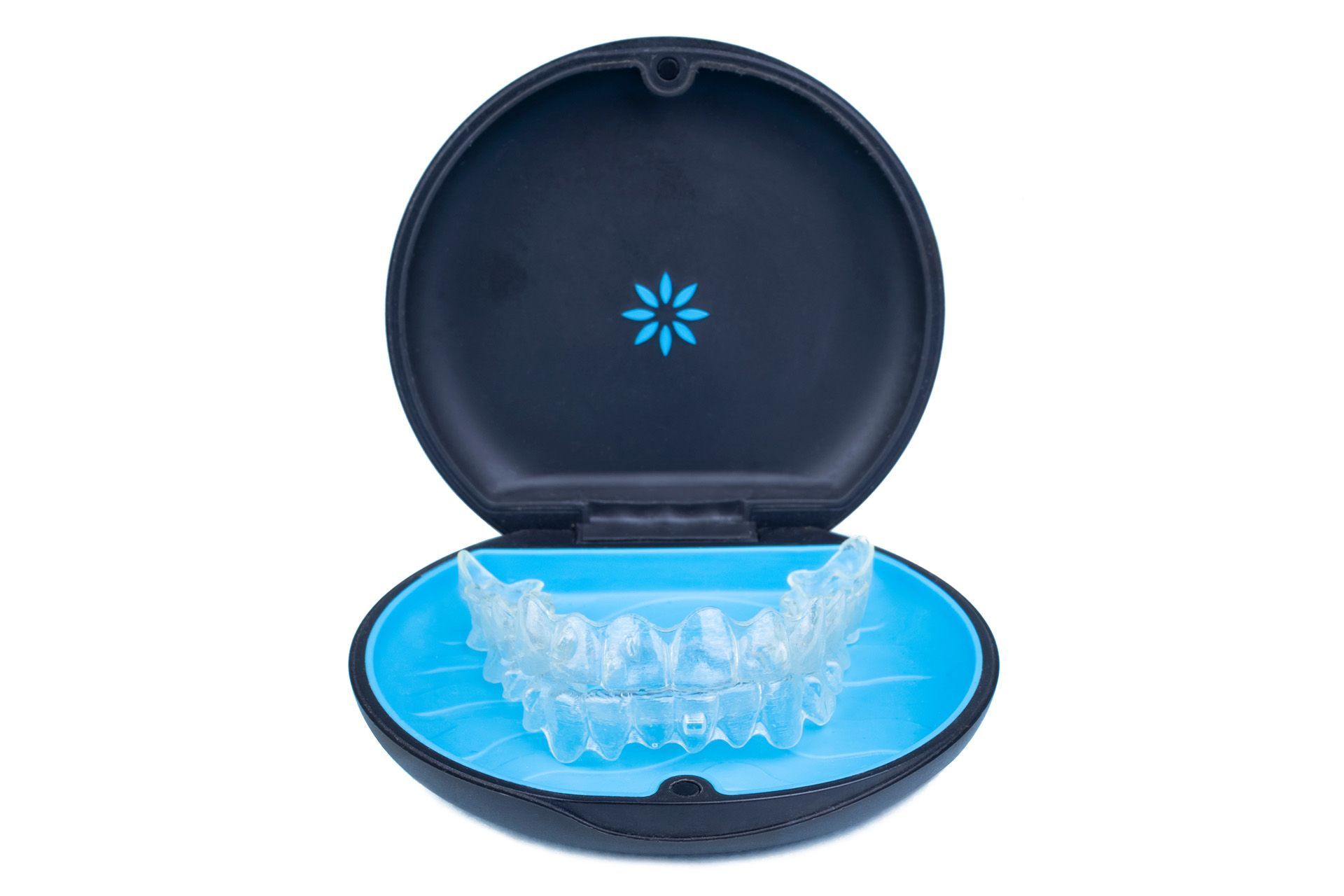
Understanding Initial Discomfort
Aligners are engineered to place targeted forces on specific teeth, guiding them toward a healthier, more aligned position. Each set of trays makes small, incremental adjustments. As you move through your series, these small movements build on each other until your smile reaches the planned outcome.
During the first few days with your initial trays, you may notice a sense of tightness, pressure on certain teeth, and mild soreness when biting down or removing the aligners. Your lips, cheeks, and tongue may also need a short adjustment period to the aligner edges, which can cause temporary rubbing or irritation.
This early tenderness comes from normal tooth movement. The periodontal ligaments that support your teeth respond to steady force by remodeling, allowing teeth to shift. That biological process creates pressure sensations that typically diminish as your mouth adapts to each new tray. If you’ve asked yourself, do clear aligners hurt at the beginning, that initial tightness is the most common time you’ll notice it.
Causes of Discomfort with Clear Aligners
Pressure is the primary source of aligner-related soreness. New trays fit snugly to engage specific teeth, so you might feel increased pressure when you first insert them. This is a sign the aligners are working as intended and guiding movement.
Most patients experience brief adjustment periods with each new set, usually changed every one to two weeks. The first 24 to 72 hours after switching are when tenderness is most noticeable. As teeth begin moving and the trays seat fully, that sensation usually fades.
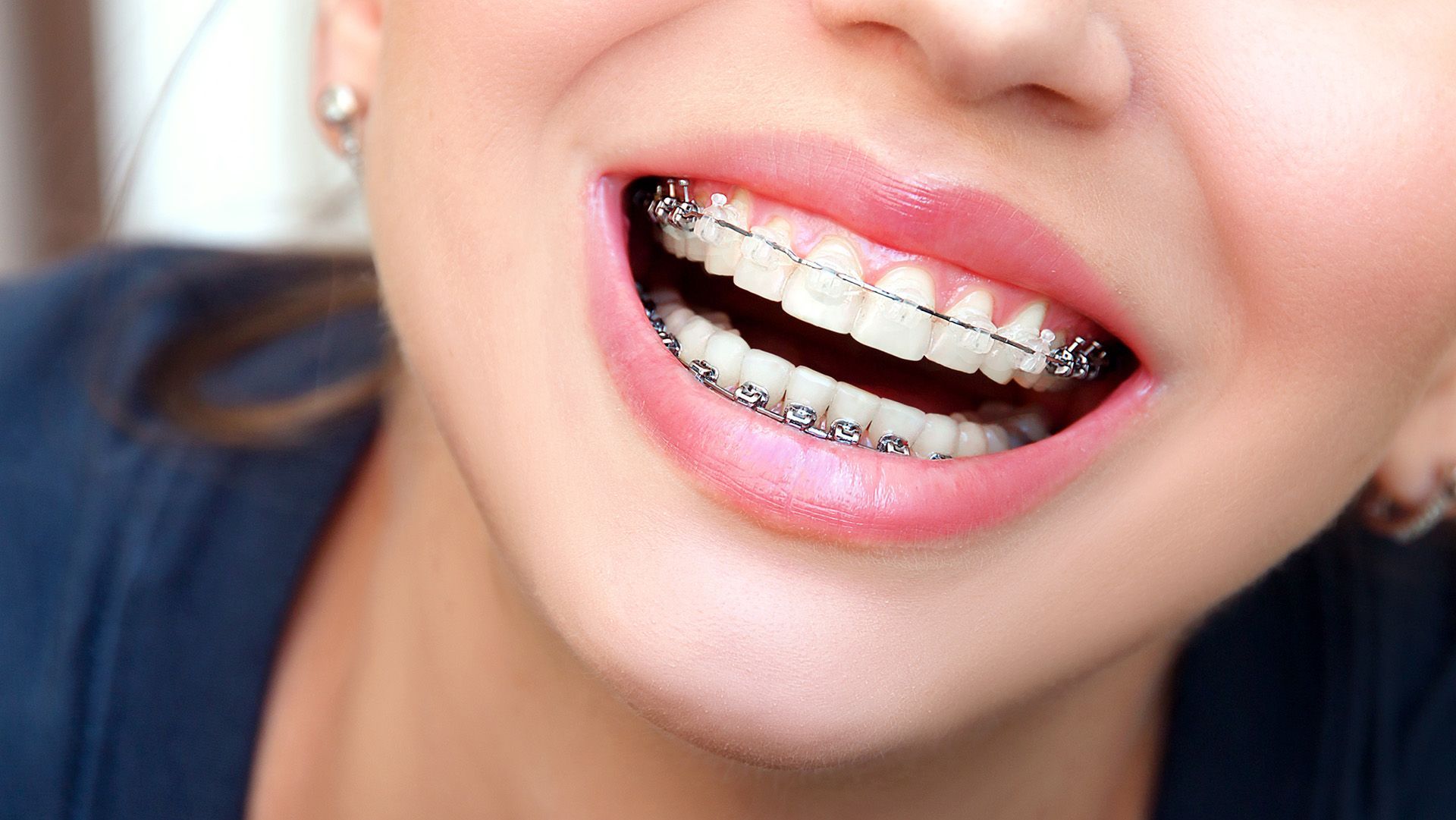
Compared with traditional braces, clear aligners tend to cause less irritation to the cheeks and lips because there are no brackets or wires. Many patients find the overall discomfort milder and more manageable than with braces. Still, both approaches move teeth with controlled forces, so some level of soreness is common regardless of the method.
Managing and Minimizing Discomfort
Simple habits can make each switch smoother and help keep discomfort brief. Consider these tips for a more comfortable transition:
- Start new trays at night so you sleep through the initial hours of pressure.
- Use chewies or a soft aligner seater to help the trays fully engage and distribute pressure evenly.
- Choose soft foods for the first day or two if chewing feels tender.
- Sip cool water to soothe irritated tissues and stay hydrated.
Over-the-counter pain relievers can help with short-term soreness. Ibuprofen or acetaminophen, taken as directed, may reduce discomfort during the first 24 to 48 hours with a new set. If you’re pregnant, have medical conditions, or take other medications, consult your healthcare provider before using pain relievers. Avoid aspirin for adolescents unless a physician recommends it.
Consistency is key. Wearing aligners for the recommended 20 to 22 hours per day helps your teeth adapt more quickly and keeps treatment on schedule. If an edge feels rough, ask your orthodontist whether you can gently smooth it with an emery board at home or if they prefer to trim it in the office. Warm salt-water rinses can comfort irritated cheeks and gums, and keeping your trays clean will reduce friction and improve overall comfort.
Long-Term Comfort and Effectiveness
As you progress, most discomfort lessens. Many people find the initial tightness after each tray change fades faster over time, and soreness is often minimal beyond the first couple of days with a new set.
Comfort and results go hand in hand. Following your prescribed wear schedule, ensuring a proper fit, and changing trays on time all support predictable tooth movement and a smoother experience. If a tray feels unusually loose or excessively tight, contact your orthodontist. They can verify that tracking is on target and make adjustments if needed.
Excellent oral hygiene also supports comfort. Brush after meals before reinserting aligners, floss daily, and clean your trays as directed to prevent plaque buildup. Clean aligners reduce the risk of gum irritation, bad breath, and tooth sensitivity, and they simply feel better.
When to Consult Your Orthodontist
While temporary tenderness is expected, certain signs warrant a call to your orthodontic team. Reach out if you experience:
- Pain that does not improve after three to four days with a new set of trays.
- Sharp or rough edges that cause cuts or sores.
- Trays that won’t seat fully even after using chewies as directed.
- Swollen or bleeding gums, a persistent bad taste, or signs of infection.
- Cracked or distorted aligners.
- A tooth that becomes extremely tender to the touch or feels loose in an unusual way.
Sudden, severe pain or noticeable swelling should be addressed promptly. Regular check-ins allow your orthodontist to monitor progress, verify tracking, and make refinements that keep you comfortable and on course.
When you share concerns, be specific. Note which teeth are sore, how long the discomfort lasts, whether chewies help, and if the tray feels high or doesn’t snap into place. Photos or a quick in-office evaluation can help your orthodontist make precise adjustments so you stay comfortable and your treatment stays on track.
Clear Aligners vs. Braces: What to Expect
Both clear aligners and braces move teeth effectively, and both can cause short-term soreness after adjustments. That said, many patients report that aligners feel gentler overall. Without brackets and wires, there’s typically less cheek and lip irritation, and the smooth plastic edges are easier on soft tissues. If you’ve worn braces in the past, you might find aligner discomfort more predictable and easier to manage.
Your orthodontist will evaluate your bite and alignment goals to determine whether aligners, braces, or a combination is best for you. If comfort is a priority, aligners are often an excellent option, especially when paired with clear expectations and good wear habits. For those asking if clear aligners hurt compared to braces, most people find the experience milder with aligners, though brief pressure is expected with both.
Practical Tips for a More Comfortable Fit
Small routine tweaks can elevate comfort and keep your trays fitting well throughout treatment:
- Seat trays fully: Use chewies for a few minutes after switching to a new set to ensure complete seating.
- Time your changes: Switch trays in the evening to sleep through the initial adjustment.
- Mind your diet: Focus on softer foods and avoid very hard or sticky foods during the first day if teeth are tender.
- Stay on schedule: Wear aligners 20 to 22 hours daily to limit prolonged adjustment periods.
- Care for trays: Rinse with cool water and brush gently with a soft toothbrush. Avoid hot water, which can warp plastic.
- Protect your mouth: Use warm salt-water rinses to calm irritated tissues, and ask your orthodontist about smoothing rough spots if they develop.
Frequently Asked Questions
| Question | Short Answer |
|---|---|
| How long does soreness last after switching trays? | Typically 24 to 72 hours, easing as the aligners seat and teeth begin moving. |
| Is aligner discomfort normal? | Yes. Mild pressure or tenderness is a normal sign of tooth movement. |
| Do aligners hurt more than braces? | Most patients find aligners more comfortable, with less lip and cheek irritation. |
| Can I take pain relievers? | Over-the-counter options like acetaminophen or ibuprofen may help; follow directions and consult your provider if needed. |
| When should I call my orthodontist? | If pain persists beyond a few days, trays don’t seat, edges cut, or you notice swelling or cracked trays. |
| Do clear aligners hurt at the start of treatment? | Short periods of mild soreness are common during the first few days as your teeth begin to move. |
The Bottom Line
Clear aligners shouldn’t hurt all the time, but short periods of pressure or mild soreness, especially when starting or switching trays, are normal. With consistent wear, good hygiene, and a few comfort strategies, most patients find any discomfort manageable and brief. If something doesn’t feel right or pain persists, your orthodontist is your best resource for keeping you comfortable and your treatment moving forward. For anyone wondering if clear aligners hurt, remember that predictable, temporary soreness is typical, while ongoing pain is a signal to get professional guidance.