The Cost of Braces For Kids: A Practical Guide for Families
When you’re planning orthodontic care for your child, one of the first questions is: what is the cost of braces for kids? The total investment varies based on the treatment type, your child’s needs, and the length of care. Below, you’ll find typical braces prices and orthodontic prices, key differences between common options, and smart ways to manage expenses with insurance and financing. Our goal is to clarify prices for braces so you can plan confidently.

Average Cost of Braces for Kids
Across the United States, pediatric orthodontic prices generally fall within these ranges. These ranges reflect common braces prices seen in many communities:
| Treatment Type | Typical Range |
|---|---|
| Traditional metal braces | $3,000 to $7,000 |
| Ceramic braces | $4,000 to $8,500 |
| Clear aligners for teens | $3,500 to $7,500 |
| Early interceptive care (Phase 1, expanders) | $1,000 to $3,500 |
Several factors influence the final fee and the cost of braces for kids:
- Location: Urban offices may have higher fees than suburban or rural practices, affecting overall orthodontic prices.
- Complexity: Correcting crowding, bite discrepancies, or impacted teeth can extend treatment time and cost.
- Appliances and visits: Additional appliances, more frequent appointments, repairs, and retainers affect the total.
- Experience and approach: The orthodontist’s expertise and technology used can influence pricing.
Metal braces are often the most cost-effective option for comprehensive treatment, particularly in complex cases. Clear aligners can be similarly priced for mild to moderate needs but may cost more if additional sets or refinements are required. Ceramic braces typically carry a higher fee due to aesthetic materials. Comparing prices for braces at a few offices can help you understand local orthodontic prices and typical ranges for braces for kids.
Types of Braces for Kids
Choosing the right appliance depends on your child’s bite, lifestyle, and goals. Here’s how common options compare:
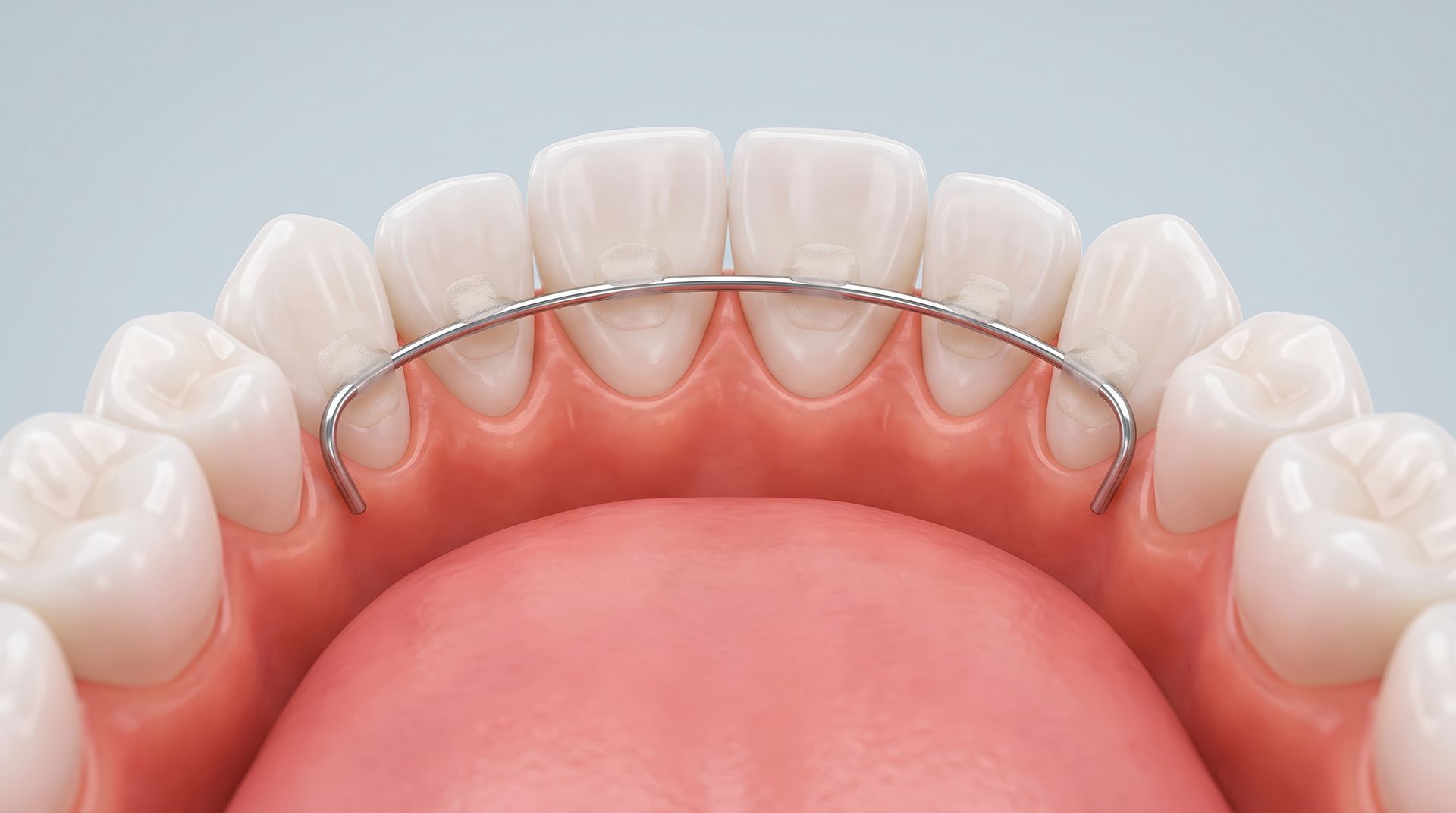
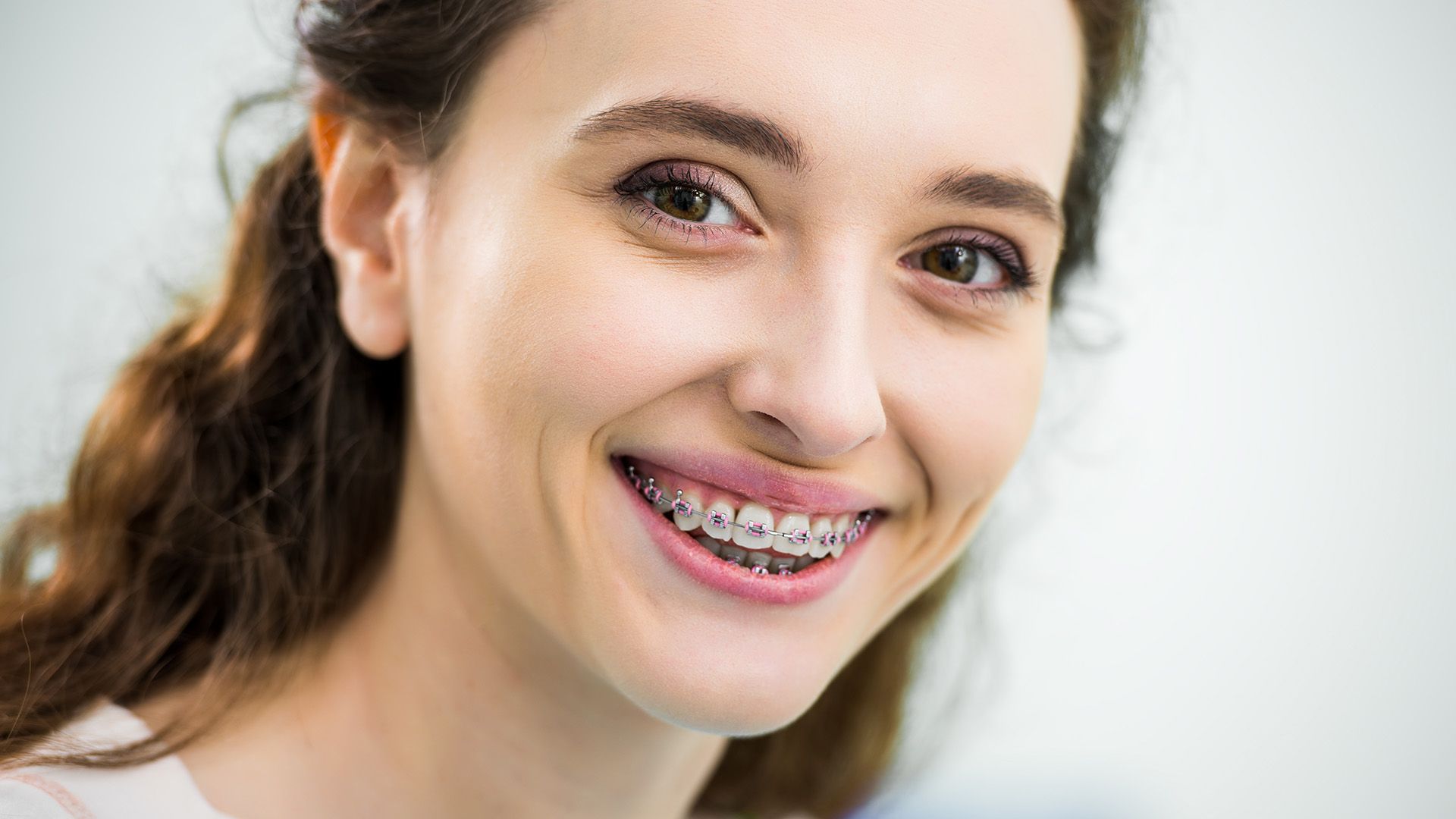
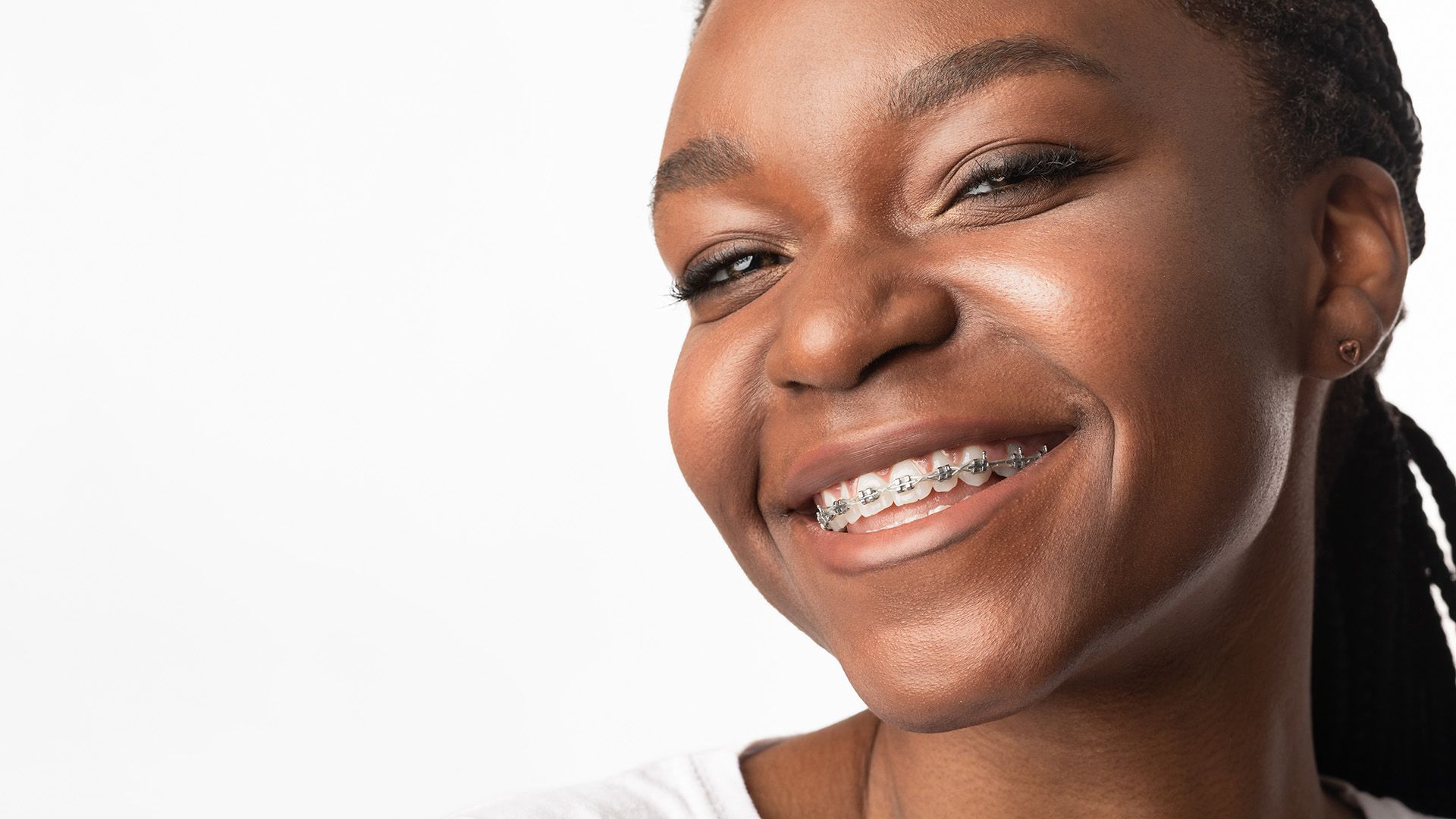
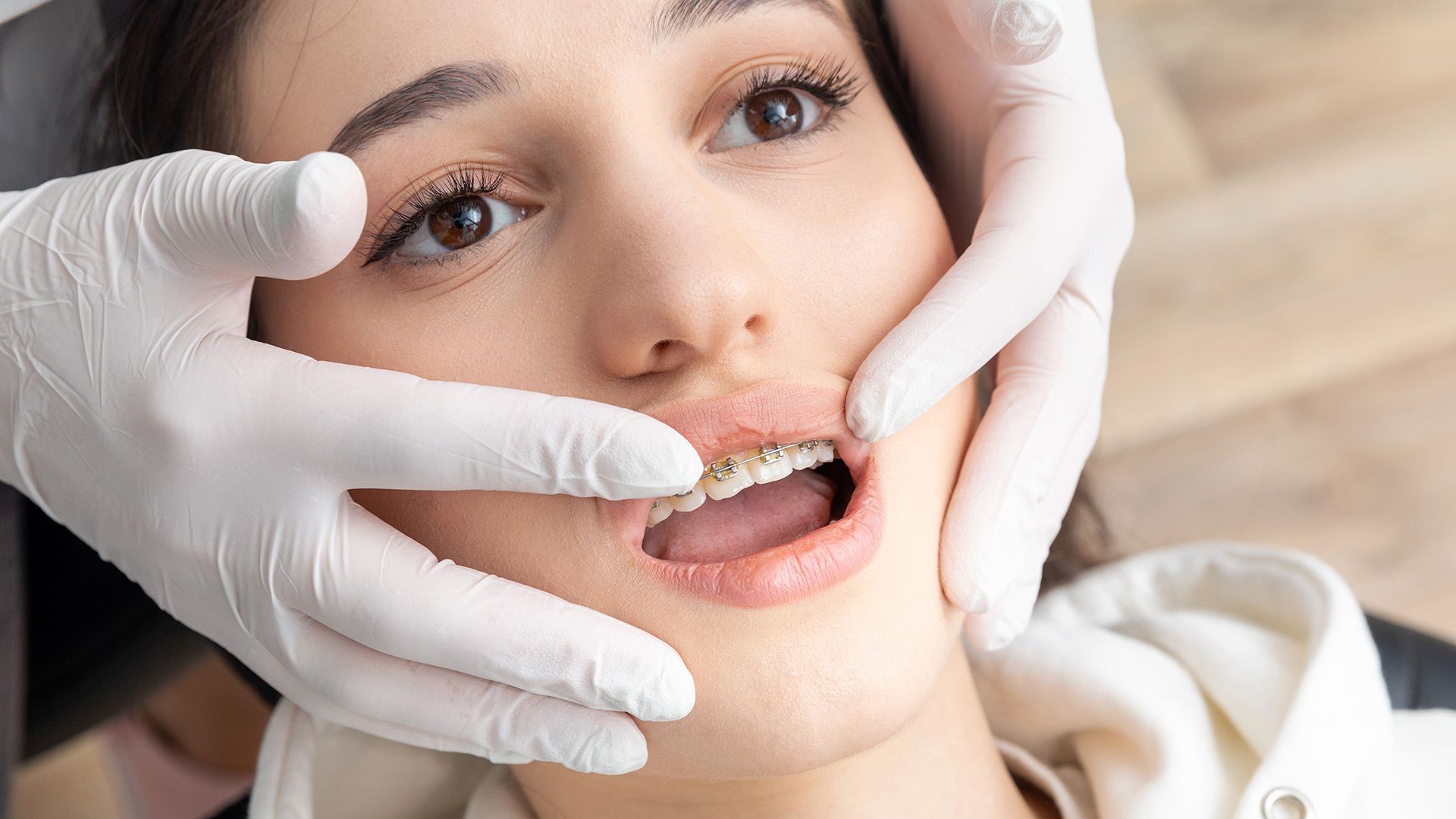
- Metal braces: Stainless steel brackets and wires provide reliable movement for a wide range of cases.
Pros: Highly durable, effective for simple to complex needs, usually the lowest cost.
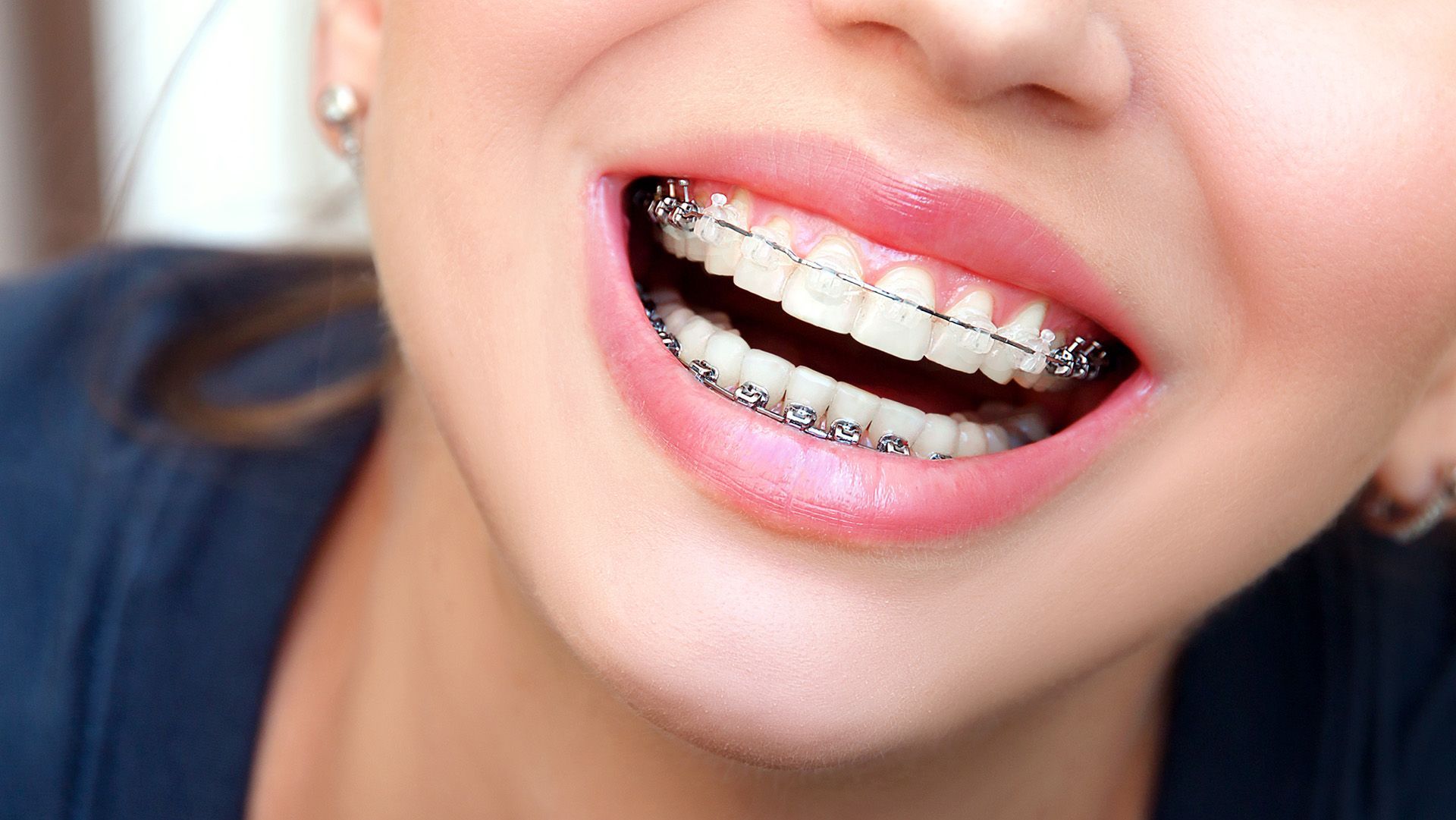
Considerations: More visible and may cause minor irritation early on, though modern low-profile brackets improve comfort. - Ceramic braces: Tooth-colored brackets offer a more discreet appearance.
Pros: Enhanced aesthetics with predictable results.
Considerations: Higher cost than metal, brackets can be more fragile, and elastic ties may require extra upkeep to stay clear. - Clear aligners for teens: Removable trays straighten teeth through a series of custom aligners.
Pros: Nearly invisible, easy oral hygiene, and fewer dietary limitations.
Considerations: Success depends on consistent wear (about 20–22 hours daily), trays can be lost or damaged, and some complex bite issues may require braces instead. Costs are comparable to metal braces for mild to moderate cases but can increase with refinements.
If your child has a complex bite or needs constant guidance from an appliance, metal braces may be the most predictable path. For older kids who prioritize a discreet look and can wear trays reliably, clear aligners can be an excellent choice. Your orthodontist will recommend the option that aligns effectiveness, comfort, appearance, and budget. This guidance can also help you weigh the cost of braces for kids against goals for aesthetics and timeline.
Financial Options for Parents
Most orthodontic offices make treatment more accessible with flexible payment solutions. Common choices include:
- Monthly payment plans with low or zero interest during active treatment.
- A discount for paying in full at the start of care.
- Use of Health Savings Accounts (HSAs) or Flexible Spending Accounts (FSAs) to pay with pre-tax dollars.
- Third-party financing that can extend payments beyond active treatment to lower monthly amounts.
Insurance can reduce your out-of-pocket cost significantly. Many dental plans offer a lifetime orthodontic benefit for dependents, often $1,000 to $2,500 or more. Coverage usually pays a percentage of the fee up to a maximum and may include age limits, waiting periods, or in-network requirements. Before starting, ask the orthodontic team to verify your benefits, check for any pre-authorization, and provide a clear estimate of your portion. Understanding how your plan applies to braces for kids will help you compare prices for braces and overall orthodontic prices more accurately.
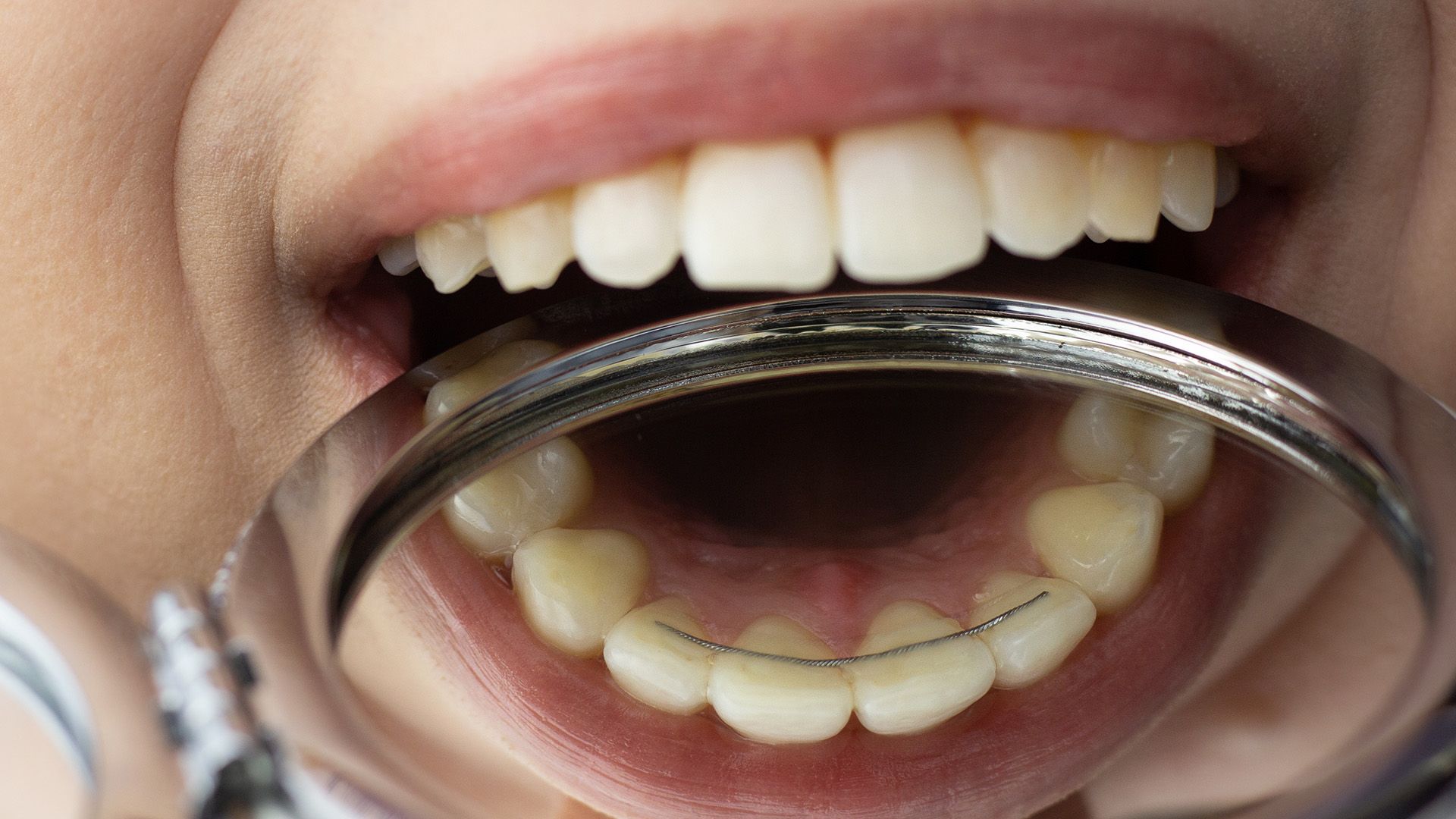
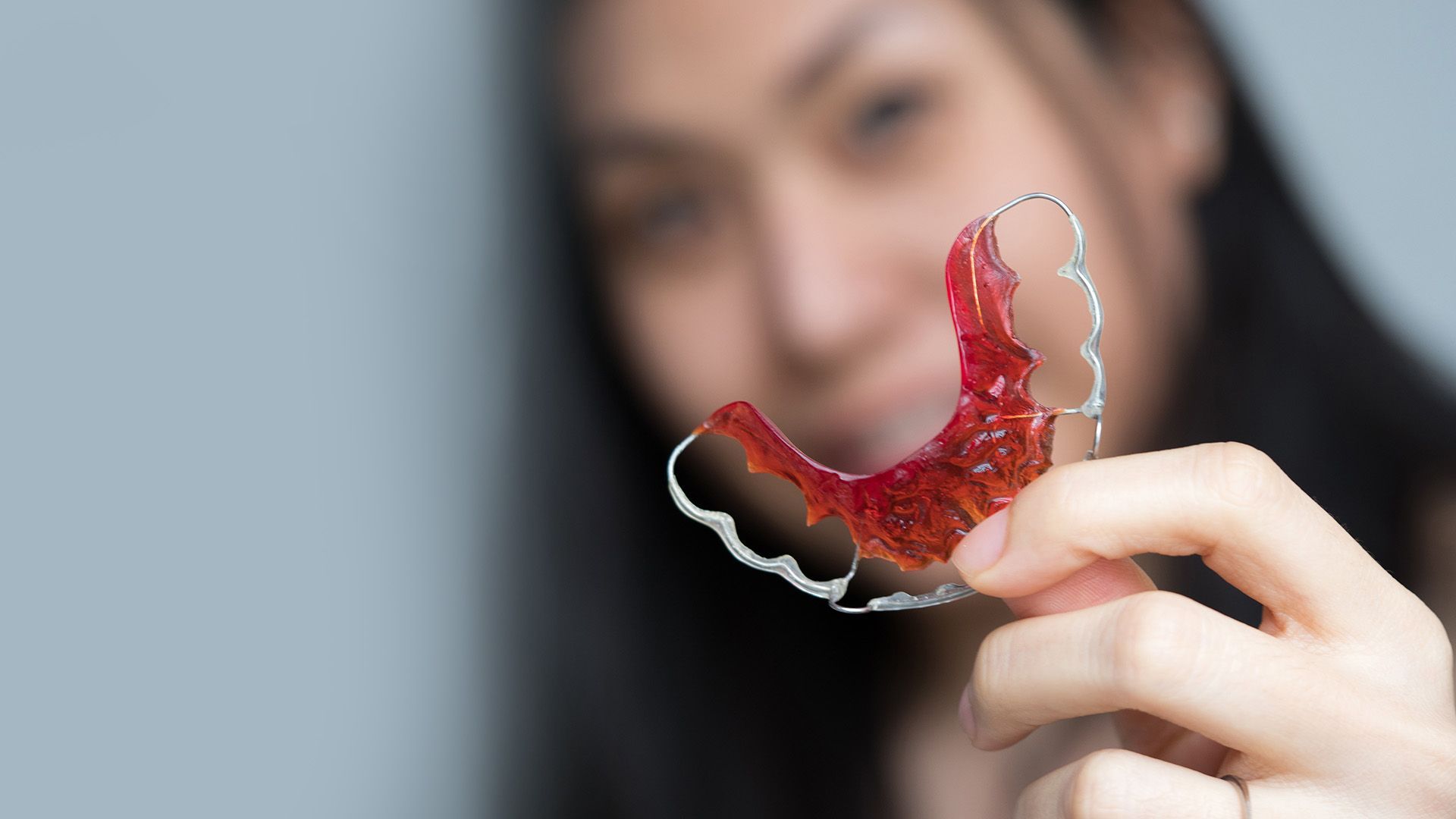
To budget confidently, schedule a comprehensive exam and request a written estimate that includes retainers and follow-up visits. Compare options, inquire about bundled pricing, and ask whether family discounts are available if more than one child needs care. Contribute regularly to an HSA or FSA if offered by your employer, and plan start dates around benefit periods to maximize tax savings. Setting aside a small contingency fund for unexpected repairs or lost aligners can help avoid surprises. These steps make it easier to evaluate braces prices and arrive at a realistic, all-in cost of braces for kids.
Ready to learn the exact cost for your child? Book a consultation to receive a personalized treatment plan, transparent fees, and a tailored review of payment and insurance options for your family, including clear prices for braces and a breakdown of orthodontic prices.