Open Bite Correction for Adults: Understanding Treatment Options
An open bite occurs when the upper and lower teeth do not meet when the mouth is closed, leaving a visible gap that can affect biting, speech, and confidence. Although often linked to childhood, many adults live with open bites, sometimes for years, until symptoms or aesthetics prompt treatment. Open bite correction for adults focuses on predictable, efficient care designed for adult lifestyles, from discreet clear aligners to comprehensive orthodontic and surgical solutions. Use this guide to learn about causes, treatment pathways, and how to achieve a healthy, functional bite with open bite correction that fits your goals.

What Is an Open Bite?
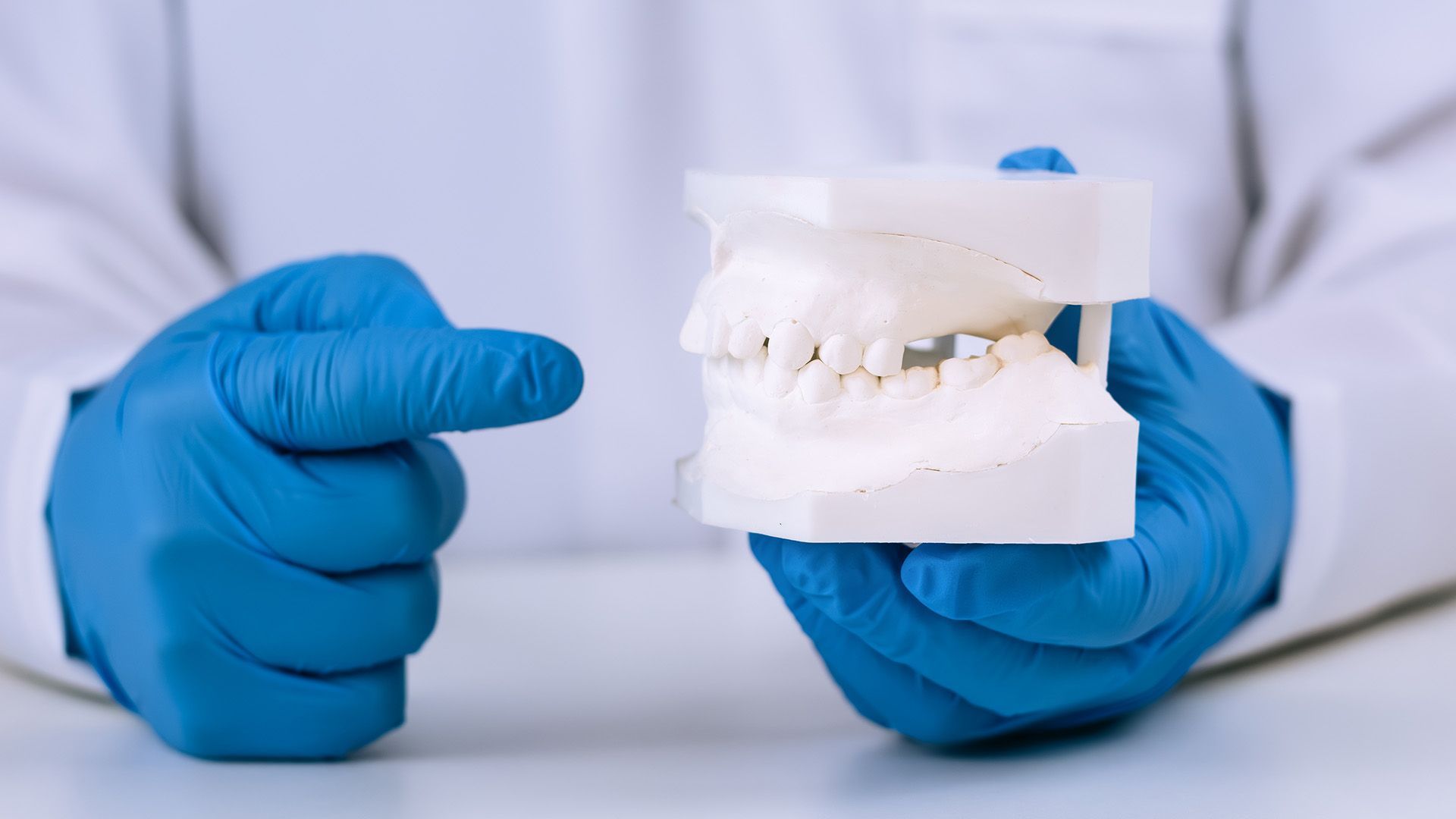
An open bite is a type of malocclusion where one or more areas of the teeth do not touch when the jaws are closed. It may be:
- Anterior: the front teeth do not meet. This is often called an anterior open bite and commonly affects biting into foods and speech.
- Posterior: the back teeth do not meet. A posterior open bite can limit chewing efficiency and place extra strain on front teeth.
- Lateral: the gap appears primarily on one side.
The separation can range from subtle to significant, and the pattern influences both treatment and stability. Identifying whether you have an anterior open bite or posterior open bite is a key first step in open bite correction for adults.
Common signs include difficulty biting into foods like sandwiches or apples, a tongue that rests between the teeth or thrusts forward during swallowing, and speech changes such as a lisp on “s” or “z” sounds. Some adults notice mouth breathing, excessive wear on the teeth that do make contact, or a visible space between the upper and lower front teeth when smiling.
Without correction, an open bite can reduce chewing efficiency, strain the jaw muscles, contribute to gum recession on overworked teeth, and accelerate enamel wear. It may also complicate oral hygiene, raising the risk of cavities and periodontal disease. Open bite correction improves function, protects teeth and gums, and often enhances facial balance and speech clarity.
Causes of Open Bite
Open bites often arise from a combination of skeletal patterns and habits. Key contributors include:
- Genetics and growth: inherited jaw relationships and vertical growth patterns can predispose individuals to open bites. Features may include longer facial dimensions, a downward rotation of the lower jaw, or discrepancies in jaw size and position.
- Airway and posture: chronic mouth breathing from allergies or nasal obstruction and low tongue posture can reinforce separation between teeth over time.
- Functional patterns: tongue thrusting or atypical swallowing patterns apply forward pressure that keeps front teeth from meeting, contributing to an anterior open bite.
- Childhood habits: prolonged thumb or finger sucking and extended pacifier use can alter tooth eruption and jaw development; untreated effects may persist into adulthood.
- Adult habits: tongue thrust, nail biting, or holding objects like pens between the teeth can maintain or exacerbate an existing open bite, including a posterior open bite.
- Muscle balance: the interplay of lips, cheeks, and tongue can gradually shift tooth positions, especially when combined with other factors.
Treatment Options for Open Bite in Adults
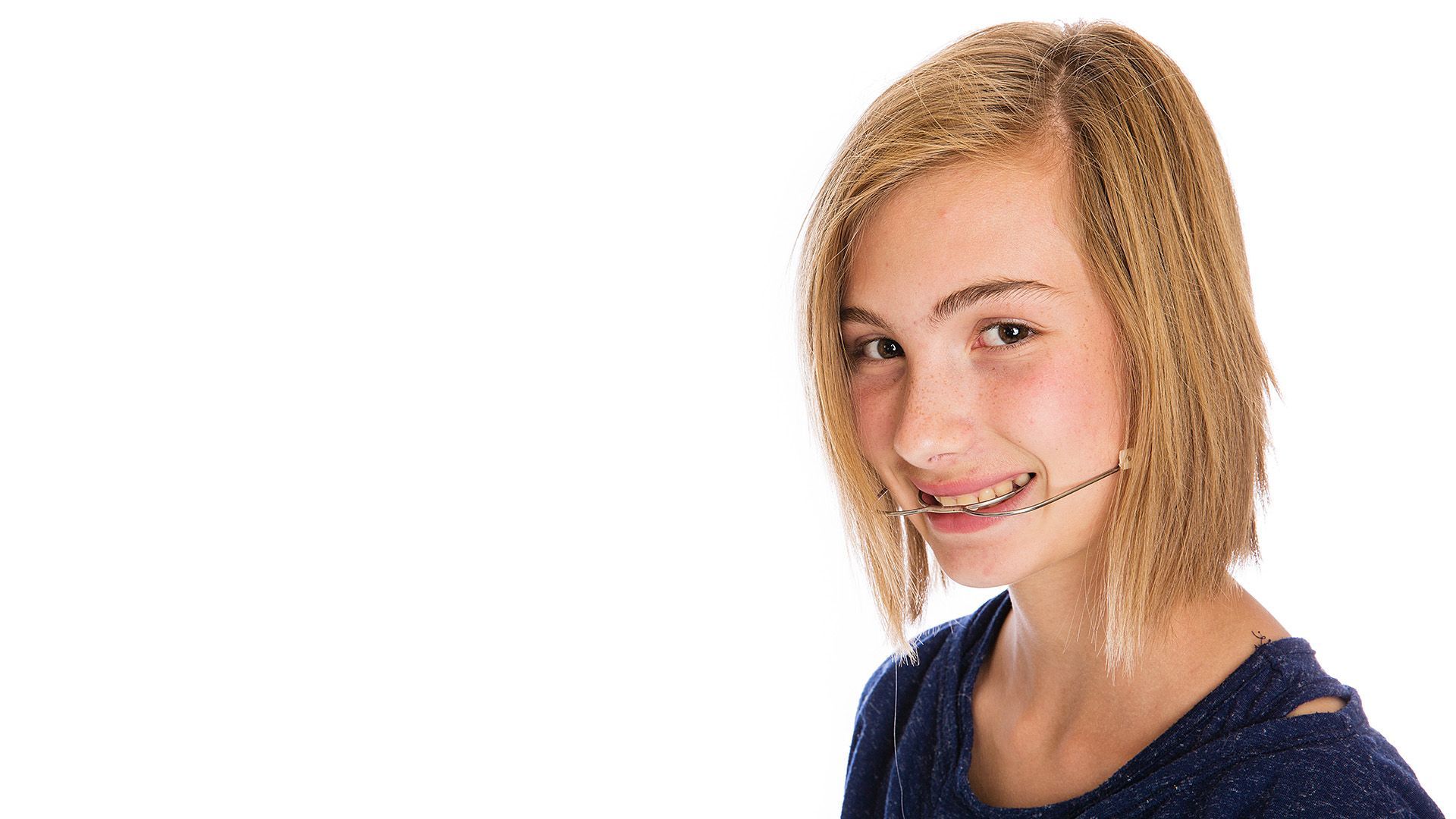
Successful treatment depends on whether the open bite is primarily dental (tooth position), skeletal (jaw position), or a combination. Your orthodontist will tailor care to your bite, goals, and timeline. Open bite correction for adults may involve braces for open bite, clear aligners, adjunctive appliances, or surgical coordination for severe skeletal patterns.
Traditional Braces
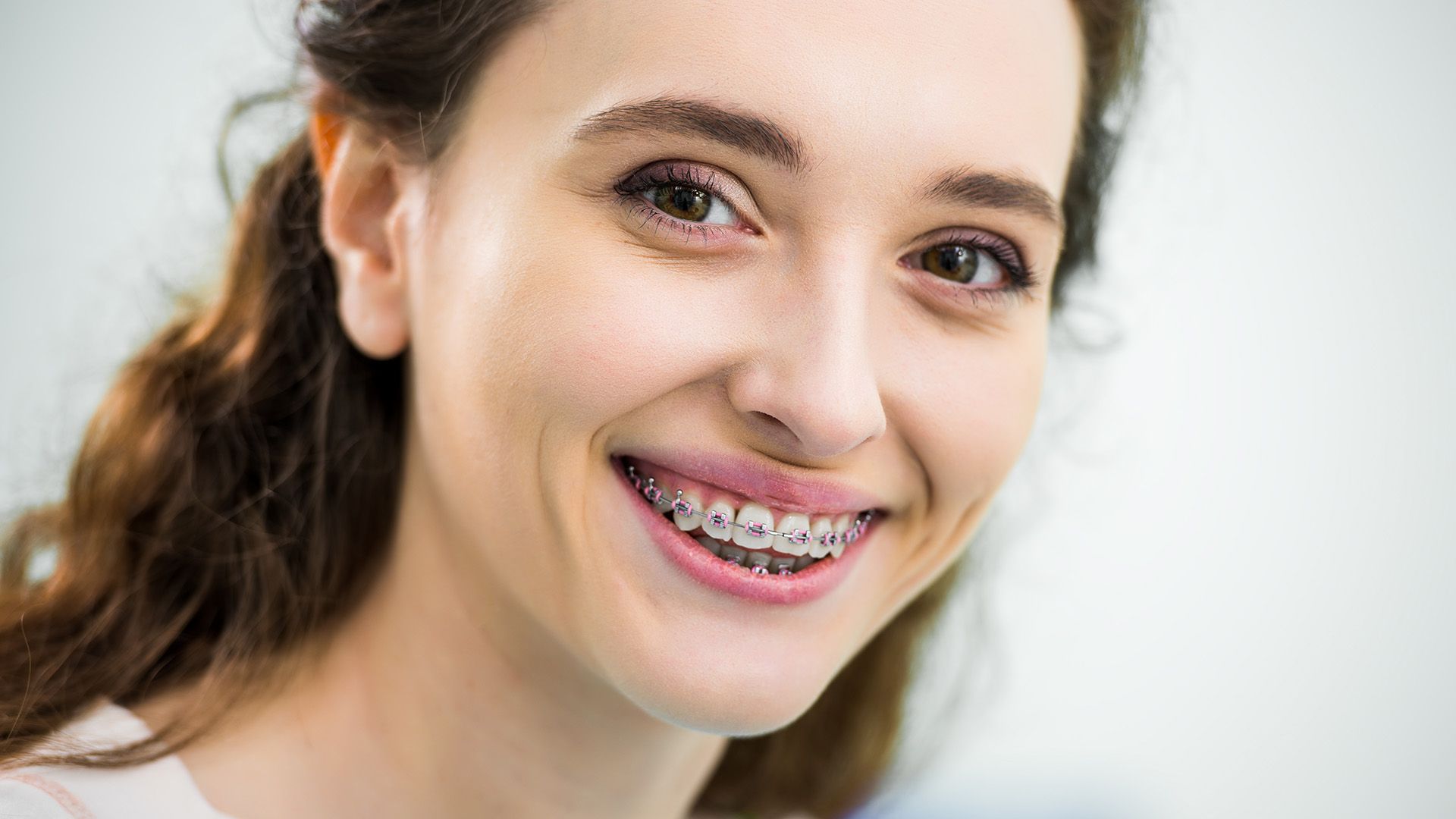
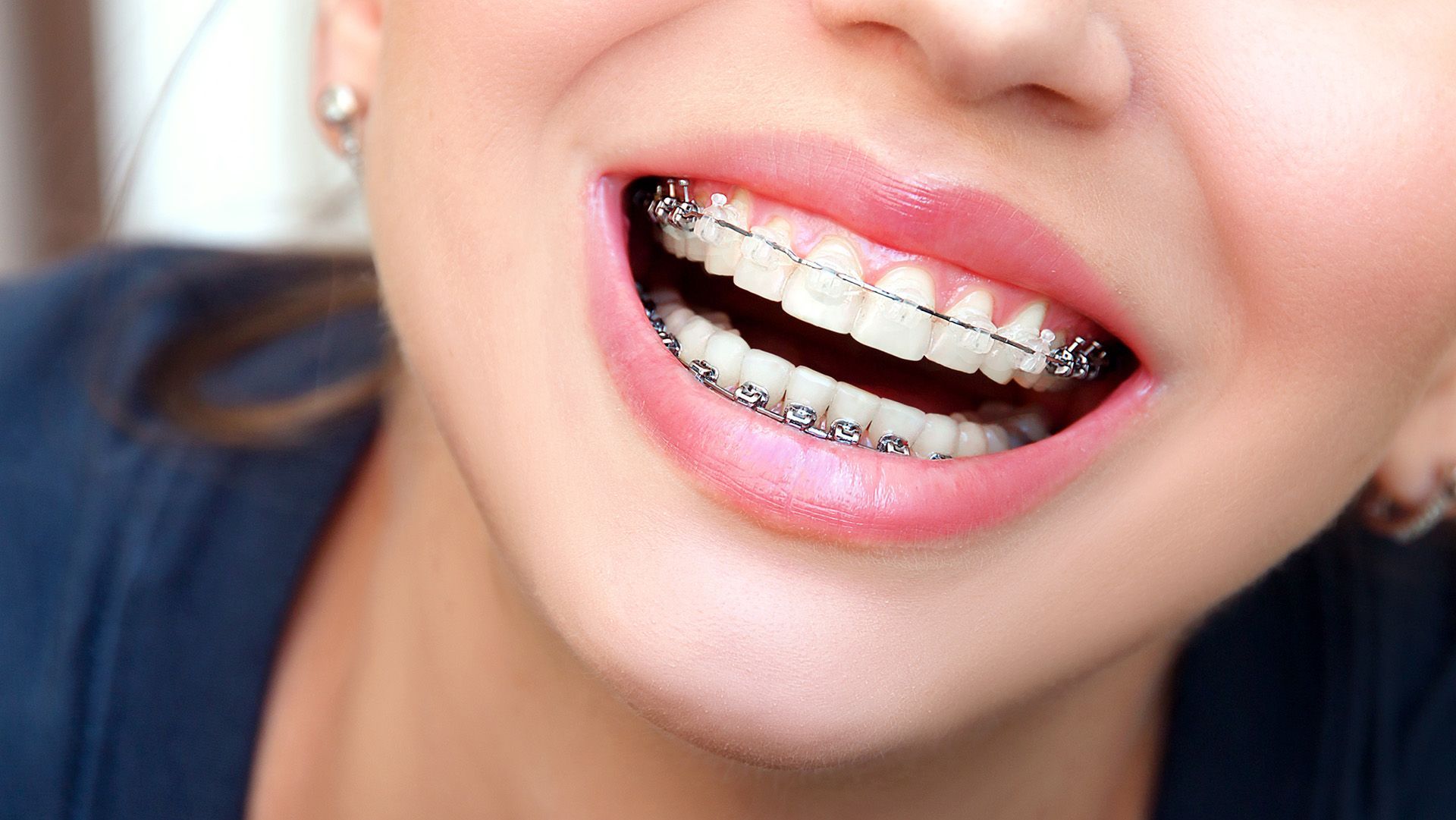
Braces are a proven option for many cases of open bite in adults. Brackets and wires apply controlled forces to align teeth, while vertical elastics help bring teeth together. In select cases, temporary anchorage devices (TADs), small, biocompatible mini-screws, provide stable anchorage to intrude overerupted teeth and close the bite efficiently. Braces excel at complex movements and can be paired with ceramic (tooth-colored) brackets for a more discreet appearance. Braces for open bite are especially helpful when significant root control, molar intrusion, or coordination of the dental arches is required.
Clear Aligners
Clear aligners are popular with adults seeking a nearly invisible solution. Advances in planning, attachments, and features like precision bite ramps now allow many anterior open bites to be corrected by intruding back teeth or extruding front teeth. Benefits include removable trays for easy brushing and flossing, fewer food restrictions, and fewer in-person adjustments. Success depends on wearing aligners 20–22 hours per day and using elastics or attachments as prescribed. For some cases of posterior open bite, aligners can also be designed to control vertical dimension when combined with elastics or TADs.
Orthognathic Surgery
For severe skeletal open bites where jaw position is the main issue, corrective jaw surgery may be recommended. Treatment typically includes orthodontic preparation to align teeth, surgery performed by an oral and maxillofacial surgeon to reposition the jaws, and postsurgical orthodontics to fine-tune the bite. Planning involves X-rays and 3D imaging. Procedures may include repositioning the upper jaw (Le Fort I), the lower jaw (bilateral sagittal split osteotomy), or both. Expect a recovery period with a soft diet and follow-up care. Surgery can deliver dramatic improvements in function, facial aesthetics, and long-term stability for both anterior open bite and posterior open bite presentations.
Working with Your Orthodontist
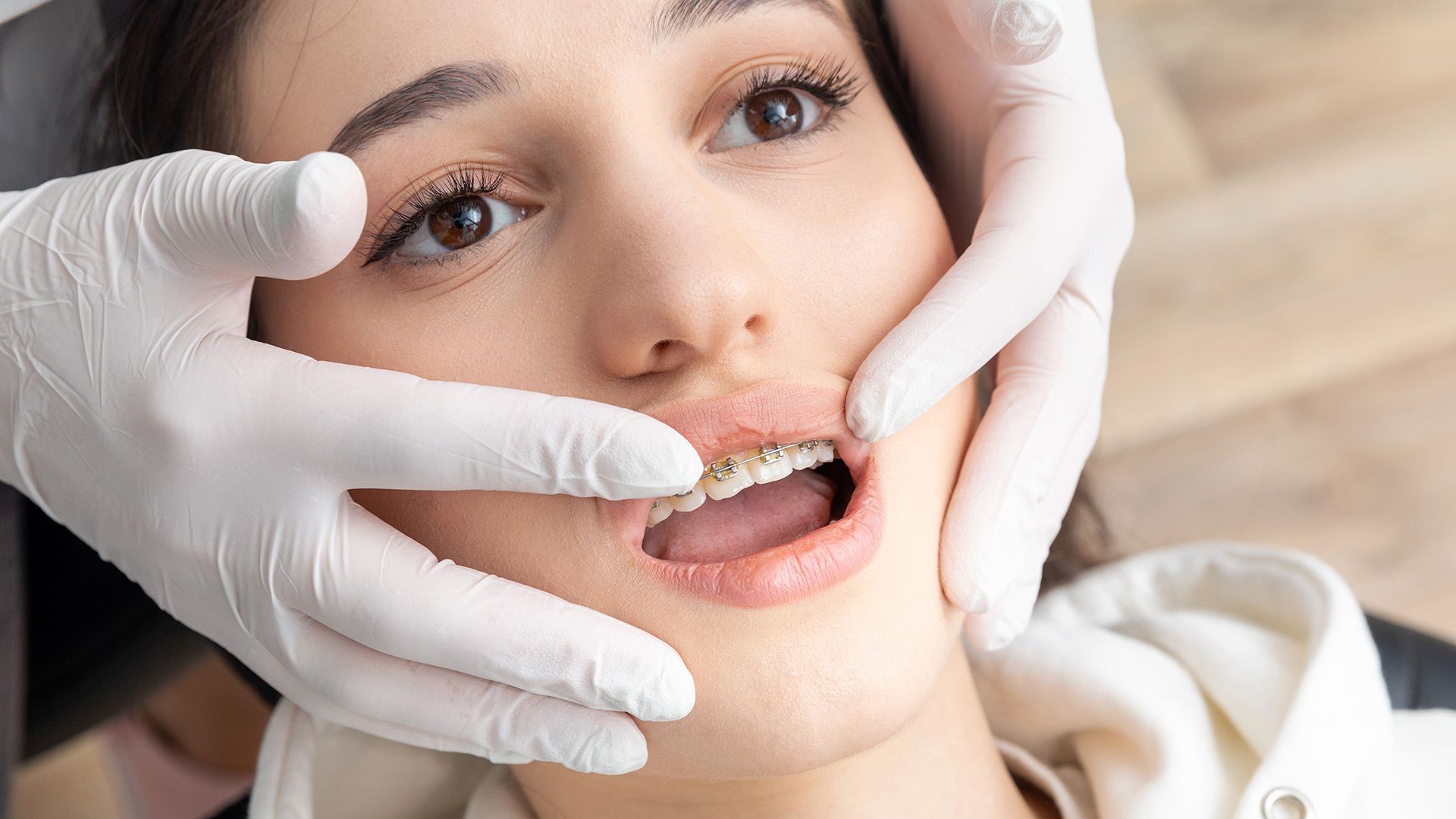
Every open bite is unique. A personalized plan begins with a comprehensive exam and diagnostics, digital scans, photos, and radiographs, to determine whether the cause is dental, skeletal, or mixed. Based on the findings, your orthodontist will outline options such as clear aligners or braces for open bite, adjunctive appliances, myofunctional therapy for tongue posture, or referral for a surgical evaluation when indicated. Open bite correction for adults is most predictable when the underlying drivers are clearly identified.
Regular check-ups are essential to monitor progress, adjust elastics or attachments, and confirm the bite is closing as planned. Typical visit intervals are:
- Aligners: about every 6–10 weeks, depending on your plan and aligner delivery schedule.
- Braces: about every 4–8 weeks for wire changes and elastic adjustments.
Consistent monitoring helps maintain predictable tooth movement and avoid unwanted side effects during open bite correction.
Consider asking these questions at your consultation:
- What is the underlying cause of my open bite?
- Is my case an anterior open bite, posterior open bite, or a combination?
- Which treatments best fit my goals, lifestyle, and timeline?
- How long will treatment take, and what is the expected stability?
- Will I need elastics, TADs, or myofunctional therapy?
- Are clear aligners appropriate for my case, or are braces a better fit?
- What are the costs and insurance considerations?
- What does retention involve after treatment, and how often will I need to wear retainers?
Tips for Successful Open Bite Correction
Oral Hygiene
Healthy gums and clean teeth support efficient tooth movement. Brush at least twice daily with a fluoride toothpaste and floss once daily. Interdental brushes and water flossers are helpful around brackets and attachments. Schedule professional cleanings every 3–6 months to limit inflammation that can slow orthodontic progress.
Diet and Appliance Care
- If you have braces for open bite, avoid hard, sticky, and chewy foods that can damage brackets and wires. Cut crisp foods like apples into smaller pieces.
- If you use aligners, remove trays for meals and any drinks other than water. Rinse before reinserting and minimize sugary or acidic beverages to protect enamel.
Consistency and Retention
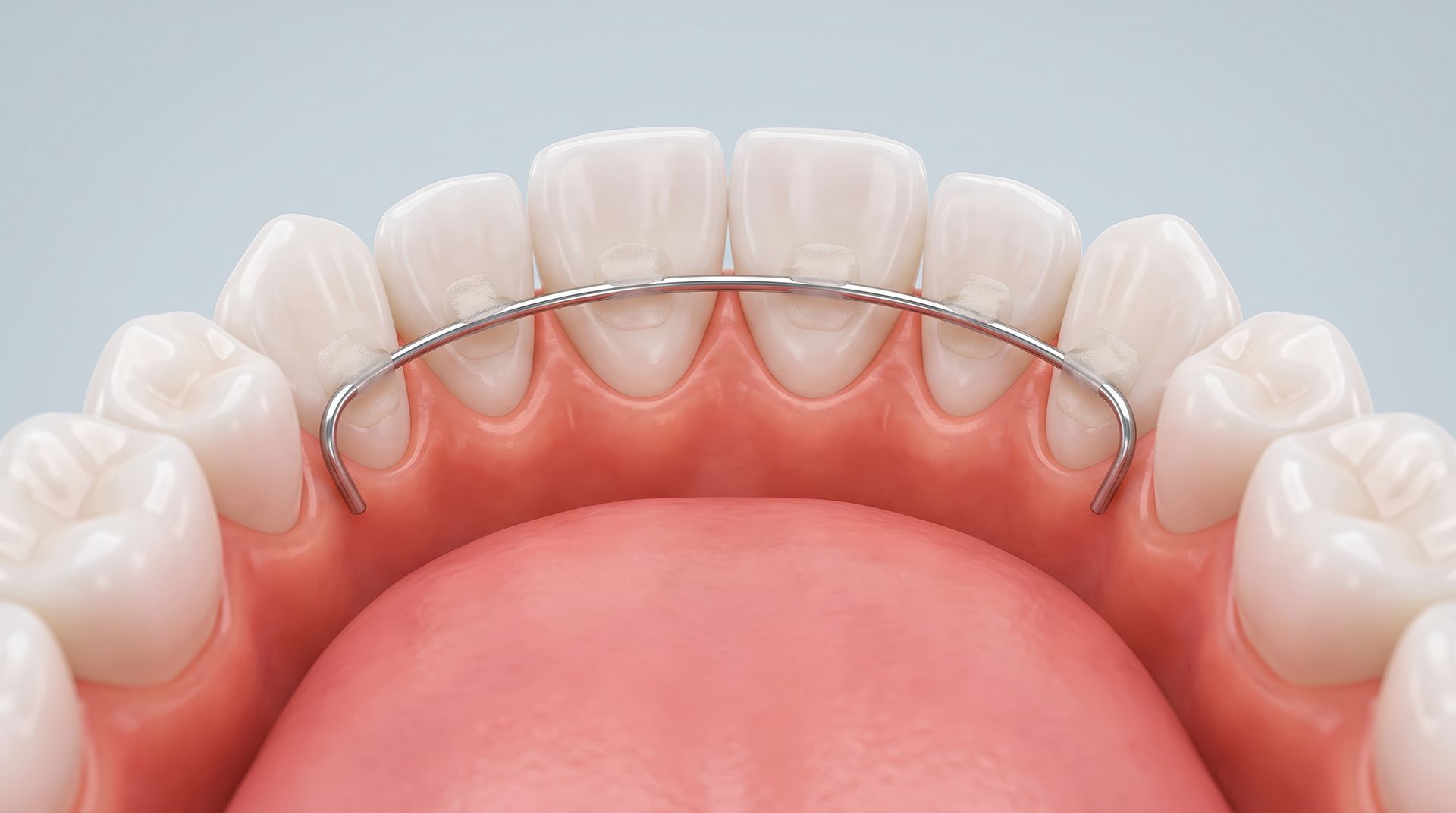
Patient compliance is the strongest predictor of success. Wear aligners 20–22 hours per day and use elastics exactly as prescribed. Attend all scheduled appointments. After your bite is corrected, retainers preserve your results. Expect full-time wear initially, tapering to nightly wear as advised. Report any signs of relapse or retainer issues promptly for quick adjustments.
Are Clear Aligners Right for You?
Clear aligners can effectively correct many cases of open bite in adults, especially those driven by dental factors or mild to moderate vertical discrepancies. Strategic use of attachments, precision bite ramps, elastics, and in some cases TADs allows aligners to intrude back teeth or extrude front teeth as needed. Ideal candidates are motivated adults who can wear trays consistently and maintain excellent oral hygiene.
Compared with braces for open bite, aligners provide discreet aesthetics, removable convenience, easier hygiene, and fewer emergencies like broken brackets. Braces may be preferred for complex rotations, significant root movements, or situations where continuous archwire control is advantageous. In some cases, a hybrid approach, aligners combined with elastics, TADs, or limited fixed appliances, delivers the best outcome. Your orthodontist will select the right tools based on your anatomy and goals, whether addressing an anterior open bite, a posterior open bite, or both.
Real-world results show that many adults with tongue-thrust habits and mild skeletal patterns achieve closure of a 2–4 mm anterior open bite using aligners with attachments and elastics over 9–18 months, followed by retainers and habit management. More complex cases may still be treated with aligners when supplemented by TADs to control the vertical dimension. During your consultation, you can review similar case types, expected timelines, and retention plans to help you make an informed choice about open bite correction.
Why Focus on Open Bite Correction for Adults
Open bite treatment in adulthood requires careful diagnosis, precise planning, and close follow-up. Adults often prefer discreet appliances, flexible scheduling, and clear timelines. Whether you are considering clear aligners or braces for open bite, a comprehensive evaluation can clarify if dental movements, skeletal changes, or both are needed for lasting stability. Addressing functional habits and airway concerns alongside orthodontic mechanics helps maintain results long-term.
If you are ready to improve your bite, comfort, and smile aesthetics, schedule a consultation with a qualified orthodontic provider. They will explain your options for open bite correction for adults, answer your questions, and guide you toward a stable, healthy result for open bite in adults that supports confident chewing and clear speech.
\