Common Orthodontic Myths You Should Know
Thinking about orthodontic treatment but not sure what is true? You are not alone. Misconceptions can keep people from getting care that improves their smile and long-term oral health. Below, we address common orthodontic myths with clear, practical information so you can make confident decisions about treatment. This guide highlights common orthodontic myths and the facts that can help you move forward with clarity.

Thinking about orthodontic treatment but not sure what is true? You are not alone. Misconceptions can keep people from getting care that improves their smile and long-term oral health. Below, we address common orthodontic myths with clear, practical information so you can make confident decisions about treatment. This guide highlights common orthodontic myths and the facts that can help you move forward with clarity.
Myth 1: Only Children Need Braces
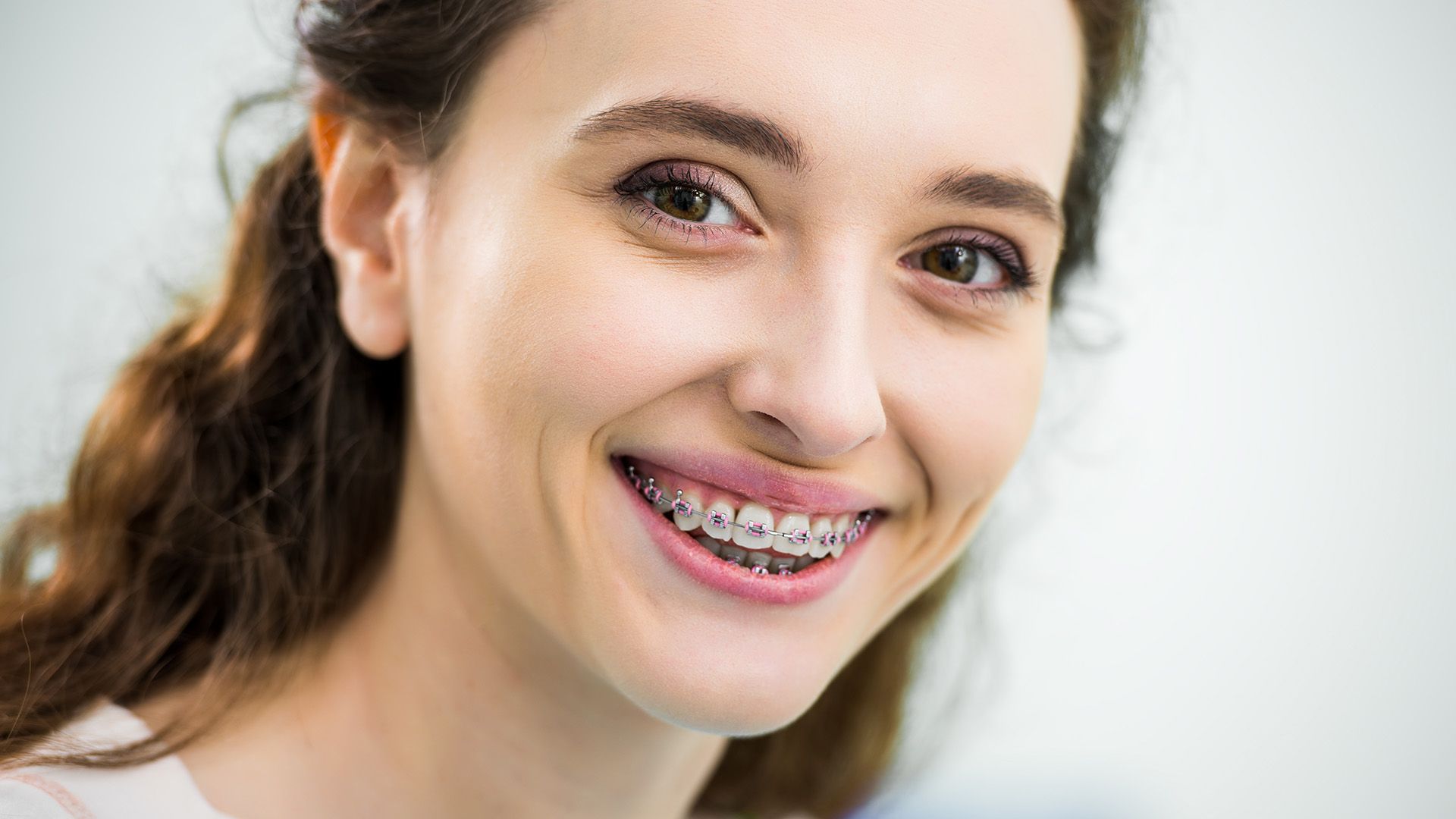
Orthodontic treatment is not just for kids. Today, more adults than ever are choosing braces or clear aligners. The American Association of Orthodontists reports that millions of adults in the United States pursue care each year, driven by discreet options like clear aligners and ceramic braces and a better understanding of the health benefits.
Early orthodontic visits can guide jaw growth, create space for erupting teeth, and prevent more complex problems later. However, it is never too late to improve alignment. Adult treatment can correct crowding, spacing, bite problems, and shifting that can occur over time. While adult bones are no longer growing, modern techniques and technology make treatment effective and predictable across a wide range of ages.
Real-life outcomes are common: professionals choosing clear aligners before a big career milestone, parents completing treatment alongside their teens, or retirees finally correcting a crossbite to improve chewing comfort. Many patients report easier cleaning, fewer chips or uneven wear, and a boost in confidence after treatment.
Myth 2: Orthodontic Treatment Is Only About Aesthetics
A straighter smile looks great, but the benefits extend well beyond appearance. Properly aligned teeth distribute biting forces more evenly, which helps protect enamel and reduces the risk of excessive wear, cracks, and jaw joint strain. A balanced bite can also support efficient chewing and clearer speech.
Orthodontics supports oral health by making teeth easier to brush and floss. When teeth are crowded or rotated, plaque tends to accumulate in hard-to-reach areas, increasing the risk of cavities and gum disease. Aligning teeth improves access for cleaning and can help stabilize the gums and bone that support your teeth.
Misalignment and bite issues can influence overall comfort and function as well. Poor chewing can contribute to digestive difficulties. Chronic grinding or an imbalanced bite may cause headaches, jaw discomfort, and muscle tension. By correcting the underlying alignment, orthodontic treatment can reduce these risks and support long-term wellness.
Myth 3: Dentists and Orthodontists Are the Same
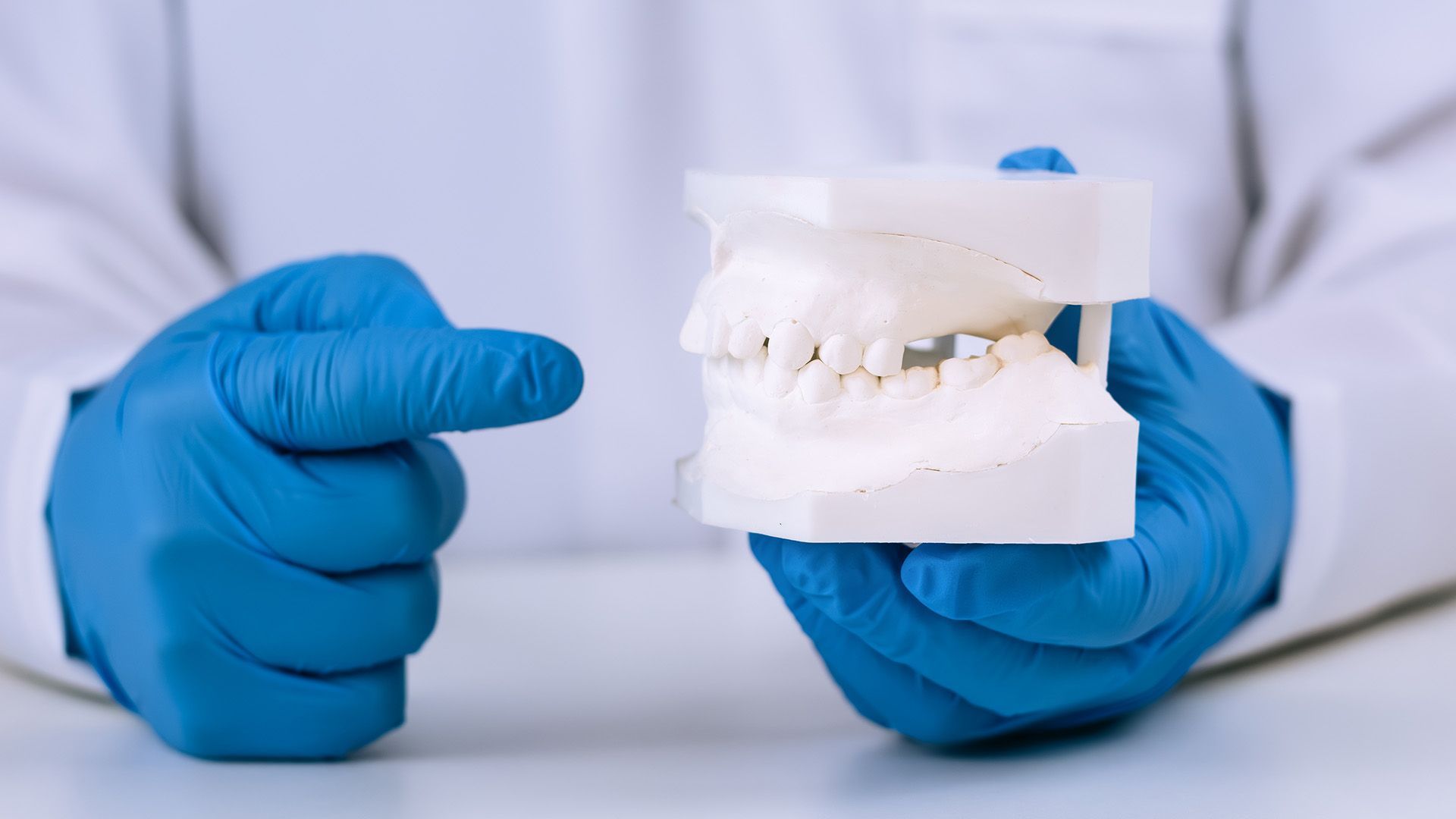
General dentists and orthodontists both play essential roles in oral health, but their training and focus differ. After dental school, orthodontists complete additional years of residency dedicated to tooth movement, jaw growth, and bite correction. This specialized training emphasizes diagnosis and treatment planning for complex alignment and skeletal concerns.
See your general dentist for routine exams, cleanings, fillings, and overall oral health maintenance. Visit an orthodontist when you have concerns about crowding, spacing, overbite, underbite, crossbite, open bite, or jaw alignment. Orthodontists use advanced diagnostics, including 3D imaging and specialized appliances, to create a customized plan that balances function and aesthetics.
Specialized care matters because small changes in tooth position can have big effects on comfort, gum health, and long-term stability. Collaboration between your dentist and orthodontist helps ensure your teeth and gums stay healthy before, during, and after treatment.
Myth 4: Braces Are the Only Option for Straightening Teeth
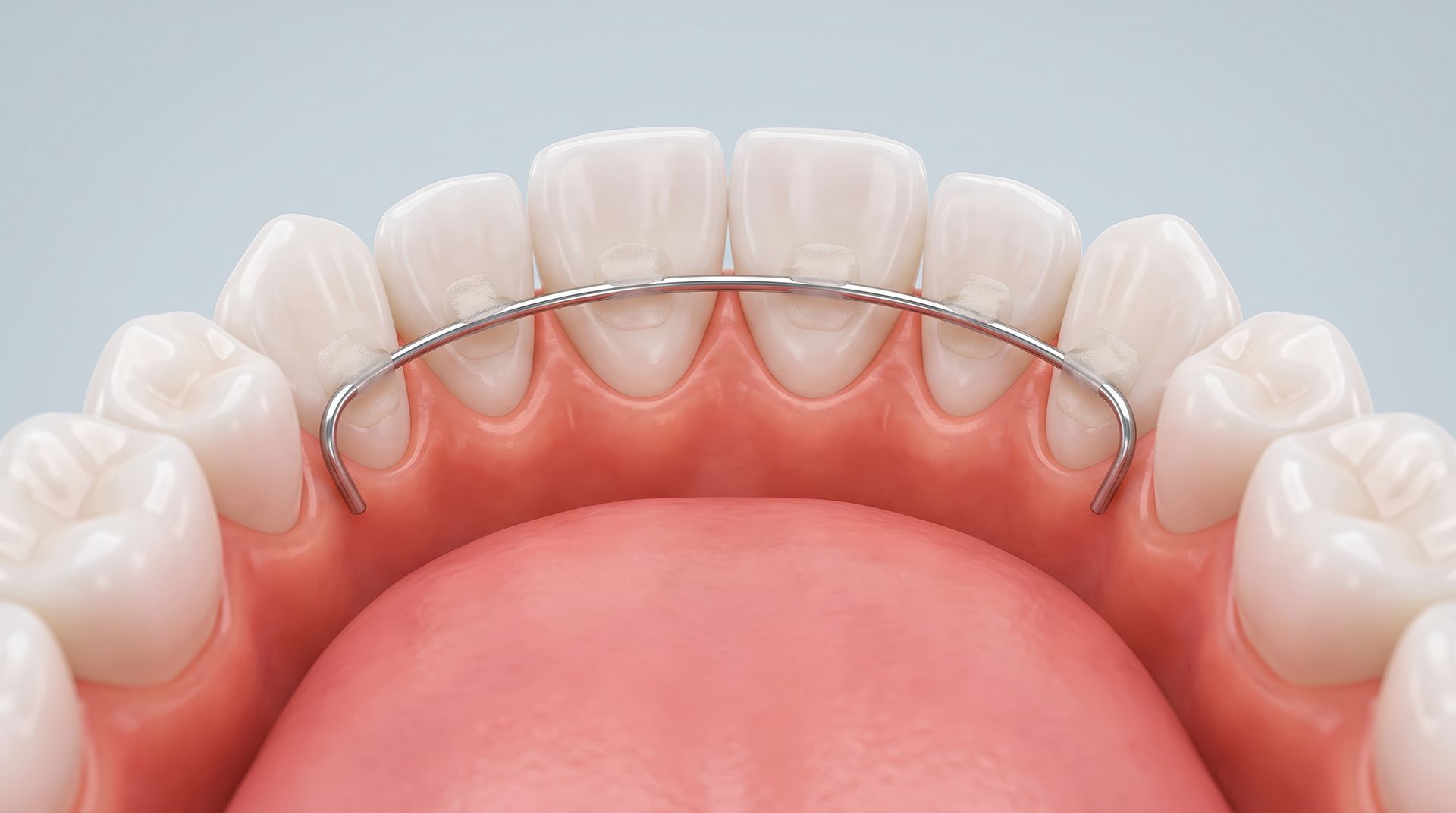
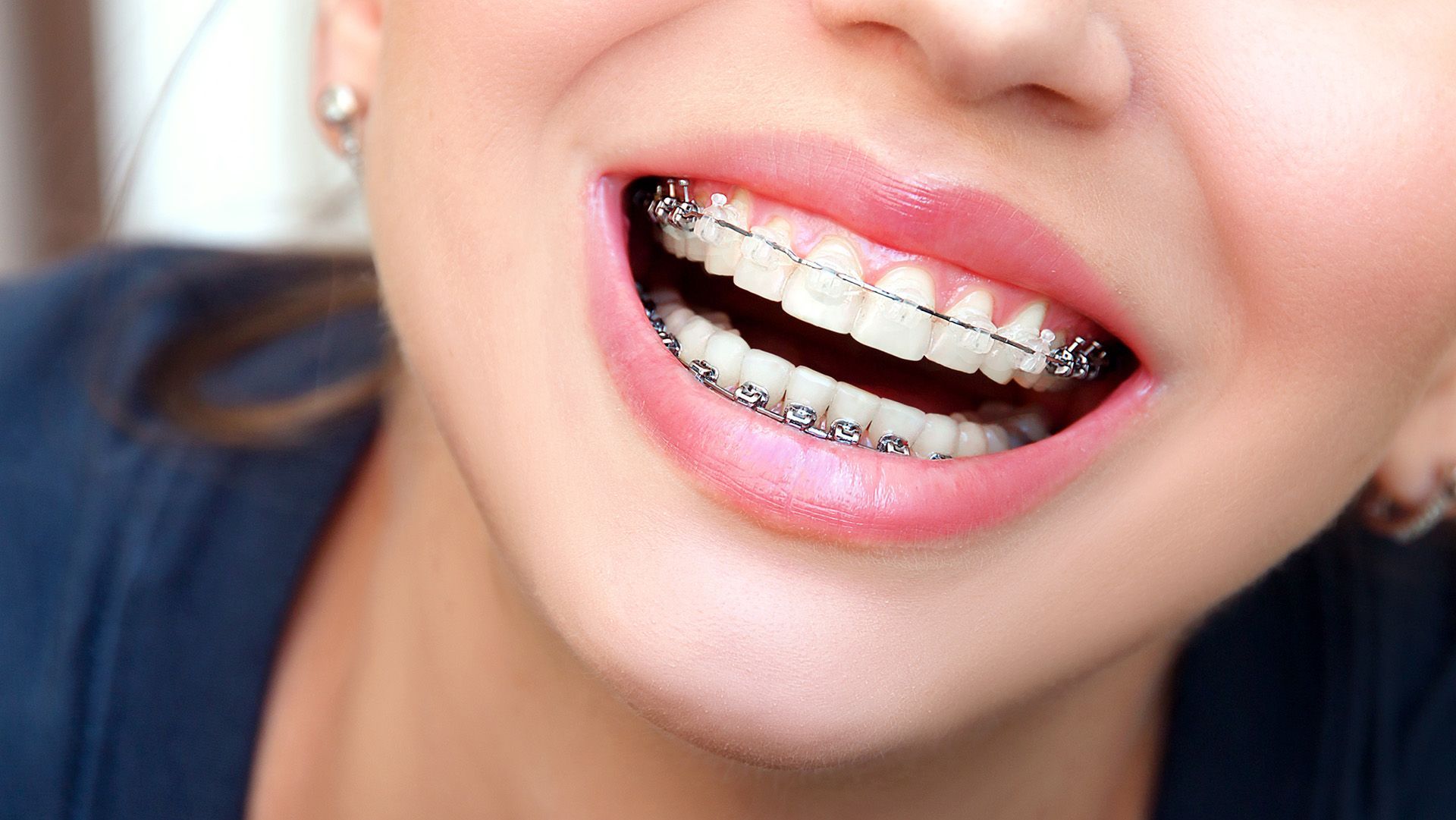
Traditional metal braces are reliable and effective, but they are not the only choice. Clear aligners use a series of removable trays to gently move teeth and offer a discreet option that fits many lifestyles. Ceramic braces use tooth-colored brackets for a lower-profile look. Lingual braces are placed on the tongue side of the teeth for a hidden approach. Limited or minor tooth movement treatments are available for targeted improvements.
Each approach has advantages:
- Clear aligners are nearly invisible and removable for meals and brushing, but they require consistent wear for best results.
- Metal braces are durable and efficient for complex movements and comprehensive bite correction.
- Ceramic braces blend in with teeth but can be slightly more fragile than metal.
The right choice depends on your goals, case complexity, lifestyle, and budget. An orthodontic evaluation typically includes a clinical exam, photos, X-rays, and digital scans to determine which option will deliver the best function and aesthetics. A personalized plan outlines expected timelines, maintenance, and costs so you can decide with confidence.
Quick Guide: Myths vs. Facts
| Myth | Fact |
|---|---|
| Only children get braces | Adults of all ages can benefit from orthodontic treatment |
| Orthodontics is only cosmetic | Aligned teeth improve function, oral hygiene, and long-term stability |
| Dentists and orthodontists are interchangeable | Orthodontists have additional training in alignment and bite correction |
| Braces are the only option | Clear aligners, ceramic, and lingual braces offer effective alternatives |
Use this chart to separate common orthodontic myths from the facts so you can evaluate treatment options with confidence.
What to Expect at an Orthodontic Consultation
Your first visit is designed to answer questions and map out a clear path forward. Expect a thorough review of your concerns, a bite and alignment assessment, photos and X-rays as needed, and digital scans for precise planning. You will receive a tailored recommendation based on your goals, along with timeline estimates and cost information.
Whether you are considering treatment for yourself or your child, the right plan can enhance your smile, improve function, and support lifelong oral health. Addressing common orthodontic myths with accurate information ensures you feel informed and prepared at every step.