How Much Do Braces Cost with Insurance? A Clear, Practical Guide
Braces are a long-term investment in your oral health and confidence. If you are asking, “how much do braces cost with insurance?” The honest answer is: it depends on your treatment plan, the type of appliance, and your specific insurance benefits. Below, you will find typical price ranges, how insurance usually works, what you might pay out of pocket, and smart ways to cut costs and maximize coverage before you start treatment.

Understanding the Cost of Braces
Orthodontic fees reflect the complexity of your bite correction, the length of treatment, the appliance you choose, and regional market factors. While your final fee is personalized, these benchmarks help set expectations and guide comparison.
Average costs by type of treatment
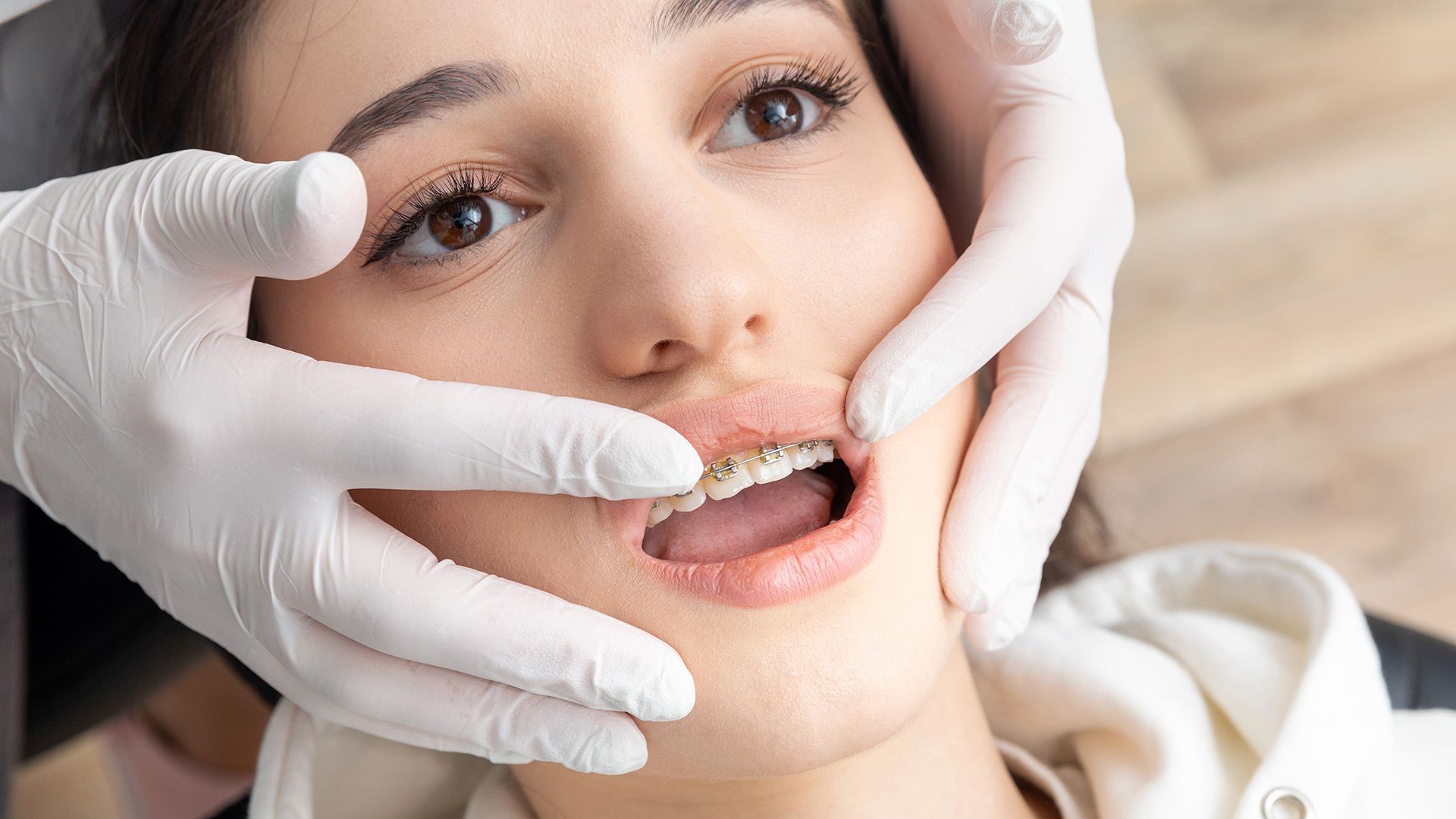
- Traditional metal braces: About $3,000 to $7,000 for comprehensive treatment, varying by complexity and treatment time.
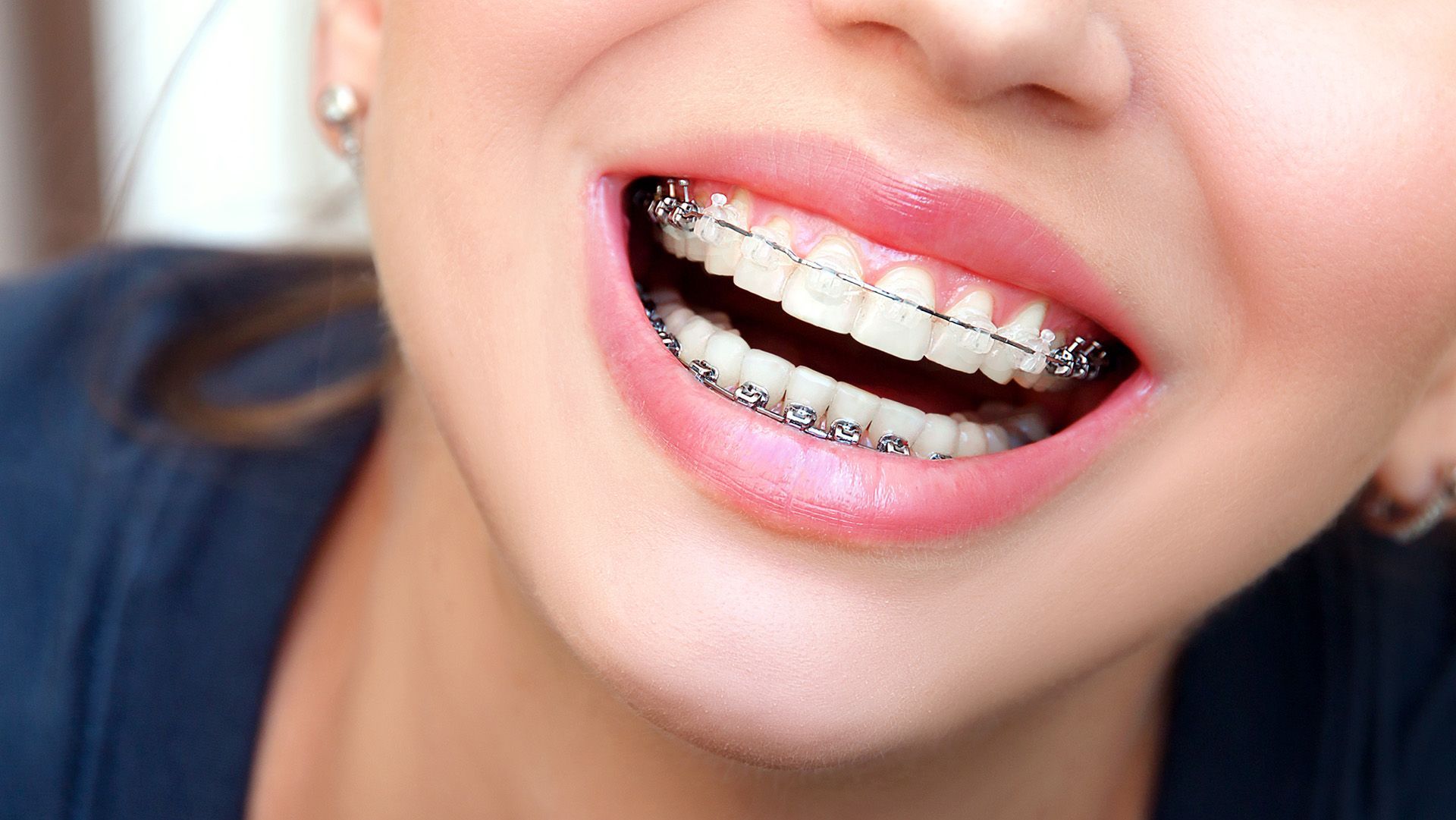
- Ceramic (tooth-colored) braces: Typically $4,000 to $8,500 due to material costs and more frequent maintenance.
- Clear aligners (brand-dependent): Generally $3,000 to $8,000, influenced by the number of trays, refinements, and case difficulty.
What drives total price
- Case complexity: Crowding, spacing, overbite/underbite, and skeletal discrepancies can require more appliances and time.
- Treatment length: Longer timelines mean more visits, adjustments, and materials.
- Appliance type and materials: Aesthetic options and specialty appliances tend to cost more.
- Orthodontist expertise and technology: Digital scanning, 3D printing, and custom brackets may affect fees.
- Region and practice overhead: Costs vary between urban and rural areas and among different states.
Braces vs. clear aligners at a glance
- Cost: Metal braces and clear aligners often overlap; ceramic braces generally cost more.
- Treatment suitability: Braces may address complex bite corrections more efficiently; aligners can be ideal for mild to moderate cases and lifestyle flexibility.
- Aesthetics and comfort: Clear aligners and ceramic braces are more discreet; aligners are removable but require strong patient compliance.
How Much Do Braces Cost with Insurance?
Orthodontic coverage varies significantly by plan. Many dental policies include a lifetime orthodontic maximum, an overall dollar amount the plan will pay toward braces for each covered person. Coverage often applies to dependents under 18, though some policies extend benefits to adults with certain conditions. Always verify eligibility, waiting periods, and whether your orthodontist is in-network.
Typical insurance coverage
- Lifetime orthodontic maximum: Commonly $1,000 to $3,000 per person; some plans offer higher caps.
- Percentage coverage: Many plans pay 50% of eligible charges up to the lifetime maximum.
- Age and medical necessity: Some benefits apply only to patients under 19; adult coverage may require documentation of medical necessity.
- Waiting periods and pre-authorization: New policies may have waiting periods; some plans require pre-authorization or a submitted treatment plan.
Average out-of-pocket costs after insurance
- Metal braces example: If total fees are $5,500 and your plan pays 50% up to a $2,000 lifetime max, insurance contributes $2,000 and your estimated out-of-pocket is $3,500.
- Clear aligners example: If aligners cost $6,000 with the same $2,000 lifetime max, your estimated responsibility is $4,000.
- Ceramic braces: Because overall fees are higher, your costs can remain significant even after hitting the plan maximum.
How plan type influences costs
- PPO dental plans: Often provide broader orthodontic networks with partial coverage for braces or aligners, subject to a lifetime maximum.
- DHMO/DMO plans: Typically require in-network providers and may offer set copays or reduced fees, though provider choices can be limited.
- Employer-sponsored vs. individual plans: Group plans often have stronger orthodontic benefits than many individual policies.
- Secondary coverage: With dual coverage (for instance, both parents covering a child), coordination of benefits can increase total reimbursement up to plan limits.
If you are still wondering how much do braces cost with insurance in a real-world situation, the range usually depends on the plan’s lifetime maximum and percentage coverage as applied to the total treatment fee.
How Much Do Braces Cost Without Insurance?
If you do not have orthodontic coverage, you are responsible for the full fee. The encouraging news is that most orthodontic practices offer flexible payment arrangements and financing to make care more affordable.
Estimated self-pay ranges
- Metal braces: About $3,000 to $7,000.
- Ceramic braces: About $4,000 to $8,500.
- Clear aligners: About $3,000 to $8,000, depending on complexity and refinements.
Payment and financing options
- In-house payment plans: Many offices offer low- or no-interest monthly plans with an initial down payment, spread over treatment.
- Third-party financing: Healthcare financing companies may provide extended terms, subject to credit approval.
- Pay-in-full savings: Some practices extend a courtesy discount for paying the entire fee upfront.
- Family or multi-case discounts: Starting treatment for multiple family members may reduce individual fees.
Why a budget plan helps
- Costs spread over time: Payments typically align with an 18–24 month timeline (or longer), which can integrate with monthly budgets.
- Potential add-ons: Lost aligners, broken appliances, or additional refinements can add cost, build a small contingency into your budget.
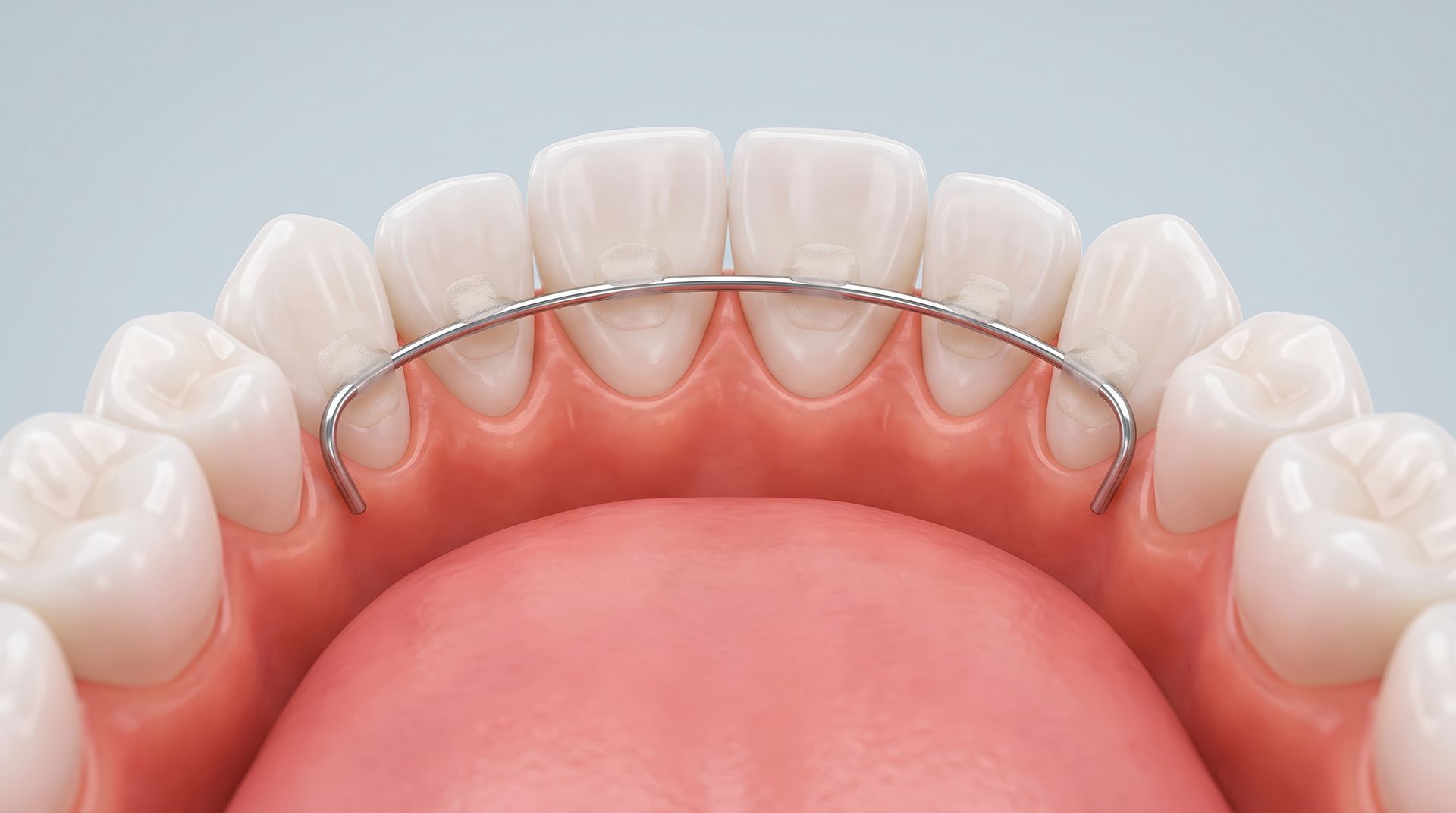
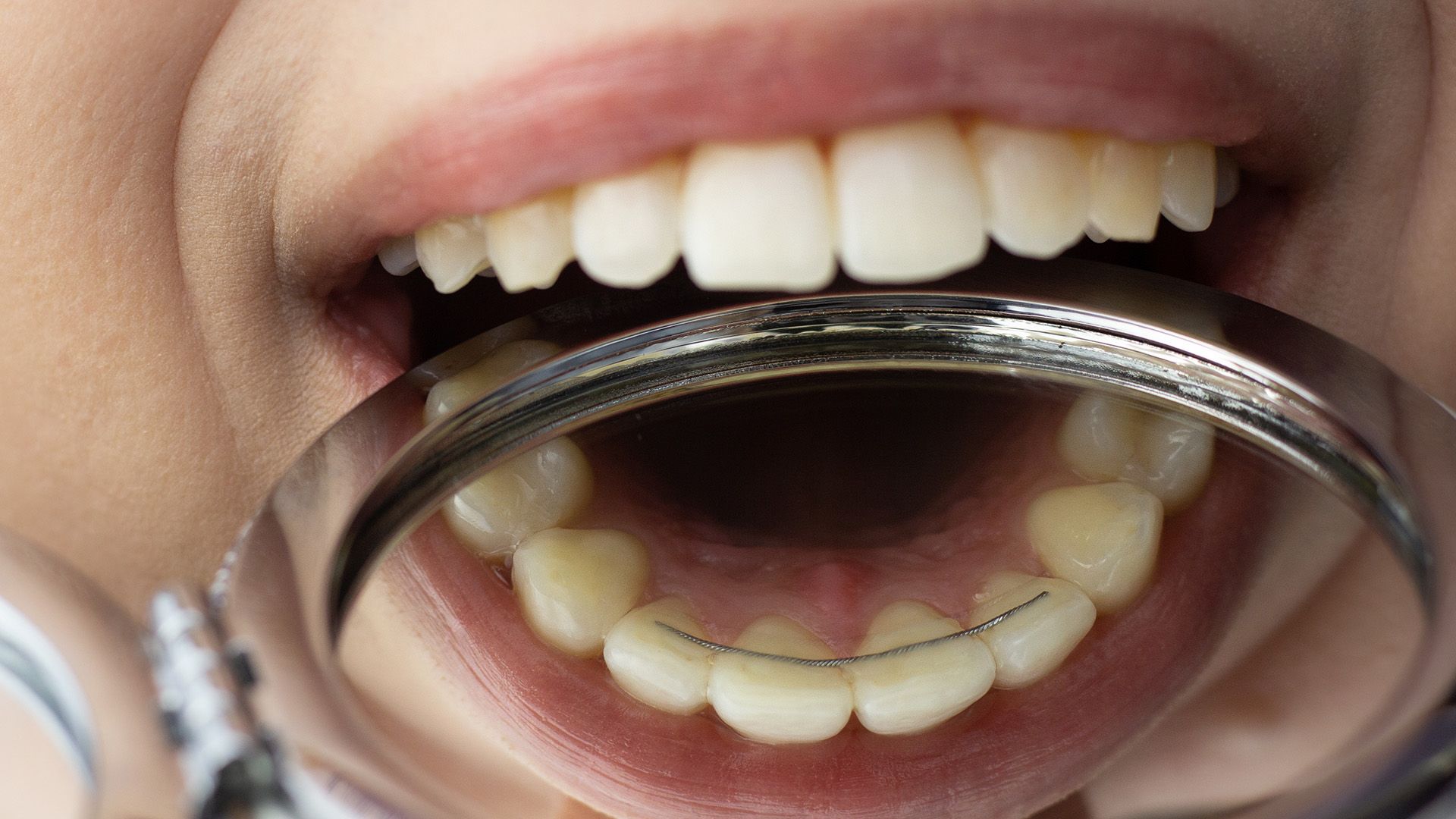
- Retention phase: Retainers and follow-up visits are crucial for maintaining results; confirm whether they are included in your quoted fee.
Factors That Affect the Cost of Braces
No two orthodontic cases are identical. Your total fee reflects the time, expertise, and materials necessary to deliver a healthy, stable bite and smile.
Age and case complexity
- Children and teens: Growth can aid bite correction, and some insurance plans cover only dependents. Early, limited treatment may reduce future complexity.
- Adults: Complex bite issues or relapse from past treatment may extend treatment time and cost.
- Skeletal vs. dental problems: Cases requiring orthognathic surgery or specialized appliances generally increase fees.
Treatment duration and its impact
- Typical timelines: Many comprehensive cases run 18–24 months; some complete in around 12 months, while others may exceed 30 months.
- Adjustments and refinements: Longer treatment equates to more appointments and appliance updates, which increases overall cost.
- Patient compliance: Diligent aligner wear and good oral hygiene help prevent delays and additional expenses.
Geography and practice factors
- Location: Urban markets with higher overhead typically have higher fees than suburban or rural areas.
- Provider experience and technology: Board-certified orthodontists and practices using advanced digital planning may have different fee structures.
- Lab and material costs: Custom appliances, 3D-printed guides, and premium brackets can raise fees.
What Insurance Typically Covers for Braces
Understanding how your dental plan applies to orthodontics helps you forecast your total investment. While every plan is different, most follow a common structure.
Coverage framework
- Benefit structure: Many plans pay a percentage (often 50%) of eligible orthodontic charges up to a lifetime maximum.
- Who is covered: Benefits often apply to dependents under 18; adult coverage varies by policy and may require medical necessity documentation.
- Covered appliances: Metal braces are commonly covered; some plans include ceramic braces and clear aligners, while others restrict aligner benefits.
- Limitations and exclusions: Waiting periods, age limits, and prior treatment exclusions are common; verify specifics before starting.
How benefits are paid
- Staged payments: Insurers often release benefits over time (for example, a portion at banding and the rest in periodic payments) rather than all at once.
- Coordination with your payments: Your monthly responsibility may be reduced as insurance pays its share, up to plan limits.
- Out-of-pocket planning: Once the lifetime max is used, any remaining balance is your responsibility.
Tips for Reducing Braces Costs
A thoughtful approach can lower your out-of-pocket costs without compromising care quality. Use these strategies to make the most of your budget and benefits.
Ask about discounts and offers
- Seasonal promotions: Some practices run limited-time savings or community event specials.
- Pay-in-full courtesy: Inquire about a discount for paying the entire fee at the outset.
- Family pricing: Sibling or multi-person start discounts may be available.
- New patient bundles: Some offices include records, retainers, emergency visits, or whitening within a bundled fee.
Leverage tax-advantaged accounts
- Flexible Spending Account (FSA): Contribute pre-tax dollars to pay eligible orthodontic expenses within the plan year.
- Health Savings Account (HSA): If you have a high-deductible health plan, HSA funds can pay for qualified orthodontic care; unused funds roll over annually.
- Timing contributions: Coordinate treatment start with FSA/HSA funding cycles to maximize tax savings.
Negotiate and clarify upfront
- Request a detailed fee breakdown: Confirm what’s included, diagnostic records, appliances, adjustments, emergency visits, retainers, and what might cost extra.
- Discuss in-house financing: Understand the down payment, monthly payment amount, and any interest or administrative fees.
- Compare options: Ask whether aligners or braces would be more cost-effective for your goals.
- Verify network participation: Using an in-network provider may reduce your share under PPO plans.
Maximizing Your Insurance Benefits
Preparation reduces surprises and helps you make the most of your coverage. Before you commit, work with your orthodontic team to confirm benefits and ensure a smooth claims process.
Steps to take before treatment
- Verify eligibility: Confirm whether your policy covers orthodontics for your age group and the specific treatment you are considering.
- Check waiting periods: New policies may require a waiting period before orthodontic benefits apply.
- Obtain pre-authorization: Many insurers request a treatment plan with estimated duration and cost before benefits are approved.
- Confirm lifetime maximums: Know your exact orthodontic maximum and whether benefits are per person and lifetime only.
Understand your policy details
- Coverage percentage and limits: Determine whether your plan pays 50% up to the lifetime max and whether annual caps also apply.
- Network and referrals: In-network care may reduce your out-of-pocket costs; some plans require referrals or specific documentation.
- Eligible appliances: Confirm coverage for metal, ceramic, and clear aligners; some plans limit aligner benefits.
- Coordination of benefits: If two policies cover a child, ask how they coordinate (primary vs. secondary) to optimize reimbursement.
Appealing denials and handling claims
- Document medical necessity: Provide photos, X-rays, and a clinical narrative explaining functional bite issues when needed.
- Follow insurer procedures: File appeals within deadlines and include all requested documentation.
- Keep organized records: Save pre-approvals, explanations of benefits (EOBs), and payment receipts.
- Lean on your orthodontic office: Many practices assist with pre-authorizations and claim submissions to streamline the process.
Bottom line: Your final cost with insurance is determined by your plan’s benefits and your clinical needs. A comprehensive exam, a written estimate, and a benefits check will provide a personalized figure before you begin. If you are still weighing how much do braces cost with insurance for your situation, this process delivers the most accurate answer.
Sample Costs and Insurance Scenarios
The examples below illustrate how different insurance structures affect what you pay. Use them as a guide, your actual costs will reflect your unique plan and treatment.
| Scenario | Total Fee | Insurance Benefit | Your Cost | Notes |
|---|---|---|---|---|
| Metal braces with PPO plan | $5,500 | 50% to $2,000 lifetime max | ≈ $3,500 | Benefits paid in stages; once $2,000 max is reached, you cover the remainder. |
| Clear aligners with PPO plan | $6,000 | 50% to $2,000 lifetime max | ≈ $4,000 | Some plans restrict aligner coverage; verify eligibility in advance. |
| Ceramic braces under DHMO/DMO | $7,500 | Reduced in-network fee schedule | Varies by plan | Copays or set fees may apply; provider network is typically limited. |
| Dual coverage for a child | $6,500 | Primary and secondary benefits | Potentially lower | Coordination of benefits can increase total reimbursement up to plan limits. |
Planning Your Budget and Timeline
Creating a clear budget reduces stress and helps you stick to your treatment plan. Consider both the immediate and long-term aspects of orthodontic care.
- Down payment and monthly payments: Many offices split fees into manageable monthly payments over 18–24 months or the length of treatment.
- Records and exams: Ask whether diagnostic records, digital scans, and periodic progress checks are included in the fee.
- Emergency visits: Confirm whether urgent visits for poking wires or lost brackets are covered.
- Retainers and retention: Retainers are essential for maintaining results; verify if they are included and for how many sets.
- Post-treatment refinements: Aligners may require additional trays; understand how refinements are handled financially.
Frequently Asked Questions
Do all dental insurance plans cover braces? No. Some plans include orthodontic benefits, while others exclude them or limit coverage to dependents. Always verify with your insurer or benefits administrator.
Is adult orthodontic treatment covered? Some plans cover adult braces or aligners, often with medical necessity criteria. Many limit benefits to patients under a certain age.
How are insurance benefits paid during treatment? Insurers commonly release payments over time, part at the start and the balance in installments. You are responsible for any remaining balance after the lifetime maximum is reached.
Are clear aligners covered like braces? Coverage varies. Some plans treat aligners the same as braces; others exclude them or pay a lower amount. Confirm coverage before choosing aligners.
Can I switch plans during treatment? Mid-treatment plan changes can affect benefits. New plans may not cover treatment in progress, and waiting periods may apply. Coordinate any changes carefully with your orthodontic office and insurer.
What if my insurance denies coverage? You can appeal with supporting documentation (photos, X-rays, and a clinical narrative). Follow appeal procedures and deadlines. Your orthodontic office can often assist with documentation and resubmission.
How can I best estimate how much do braces cost with insurance? Start with a comprehensive exam and a written treatment plan. Then review your policy’s orthodontic percentage, lifetime maximum, waiting periods, and network rules. Combining these details will narrow down how much do braces cost with insurance under your specific plan.
Next Steps: Get a Personalized Estimate
The best way to know your exact cost with insurance is to schedule a consultation. Your orthodontic team will evaluate your bite, discuss appliance options, and provide a written estimate. They can also verify your insurance benefits, outline payment options, and help you plan for FSA/HSA contributions.
- Comprehensive exam and digital records to assess your needs.
- Side-by-side comparison of braces and aligners for your case.
- Transparent fee breakdown, including what’s covered and any potential add-ons.
- Insurance benefits check and coordination of claims.
- Flexible payment plans tailored to your budget.
If you are ready to explore treatment, contact an orthodontic office to schedule your consultation. You will gain clarity on your clinical needs, understand how much do braces cost with insurance based on your plan, and find a payment plan that fits comfortably.