How Long Does It Take Teeth to Shift Without a Retainer?
If you stop wearing your retainer, teeth can begin to move quickly, sometimes within days, and noticeable changes often develop over weeks to months. Teeth are stabilized by bone, periodontal ligaments, and soft tissues that continue to remodel after orthodontic treatment. Without retention, those tissues can pull teeth back toward their original positions. This guide explains how and why teeth shift, what timeline to expect, and how to keep your smile stable long term. It also addresses common questions like how long does it take teeth to shift without retainer, how long can you go without retainers before noticing changes, and what happens if you don't wear your retainer.

How Tooth Movement Works
Your teeth sit in jawbone sockets and are connected to the bone by the periodontal ligament (PDL), a mesh of microscopic fibers that cushions chewing forces and allows tiny movements. Surrounding gum tissue, along with tongue and lip pressure, also influences tooth position. These structures usually maintain alignment, until the balance is disrupted.
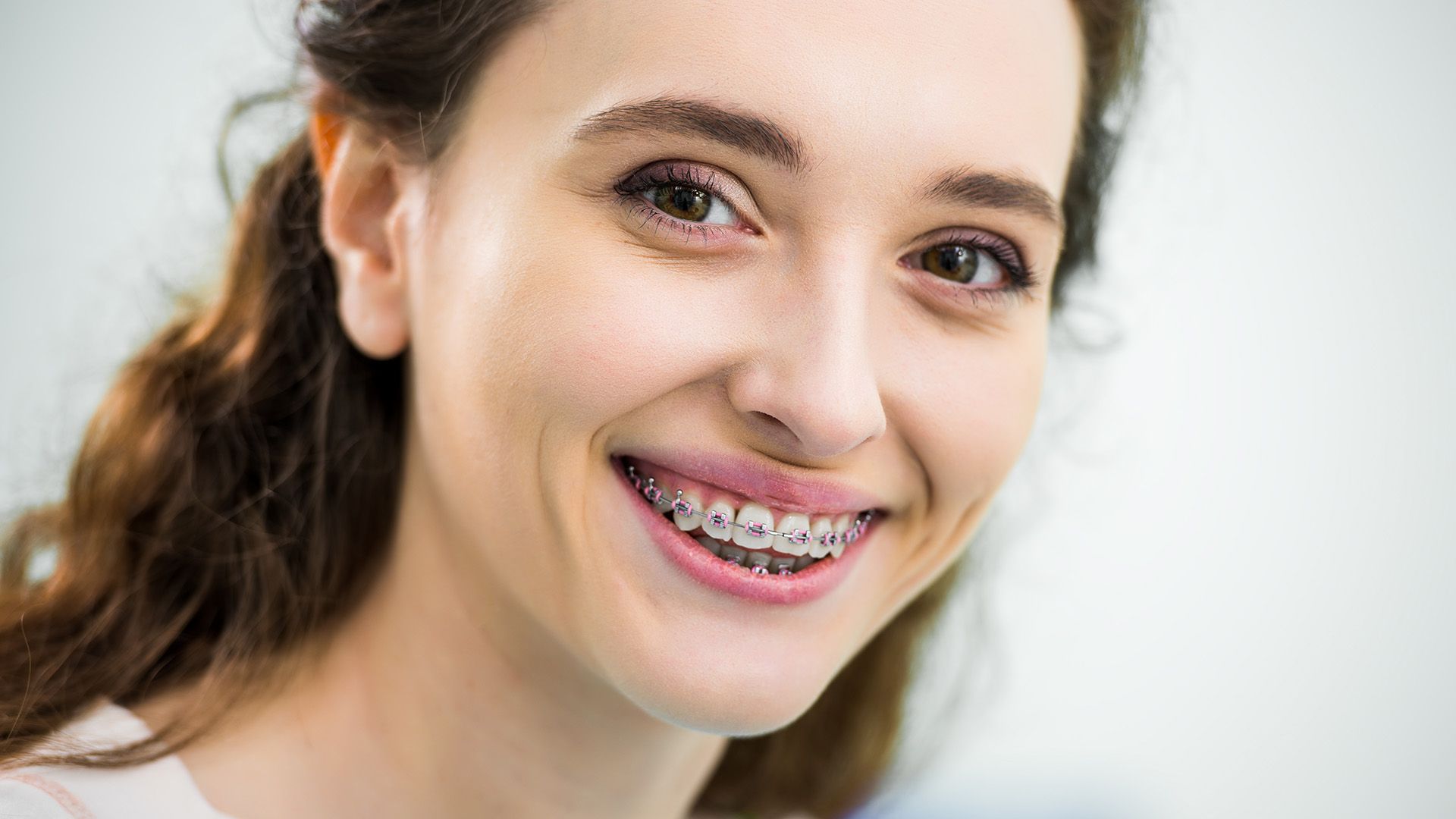
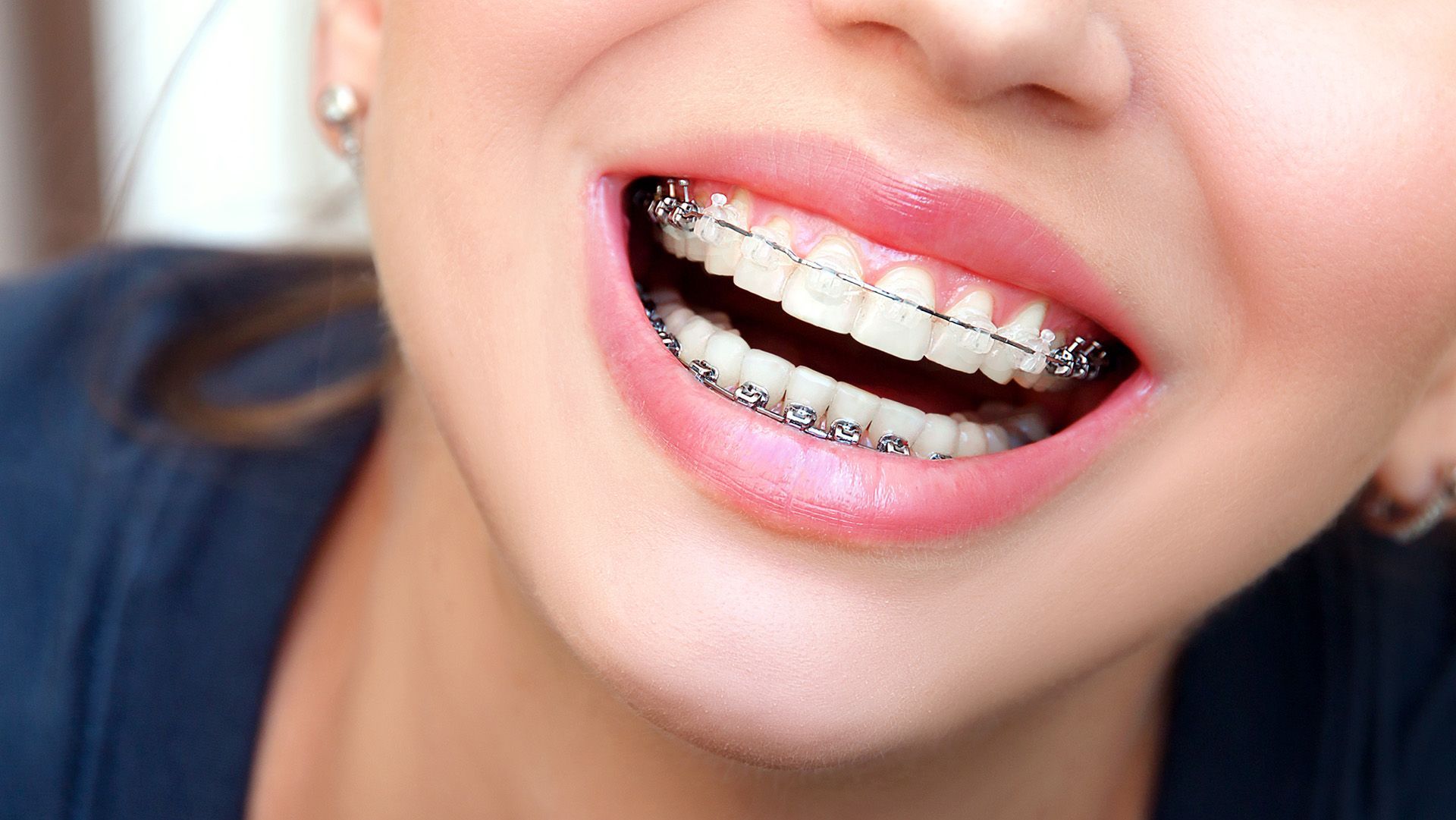
Braces and clear aligners move teeth by applying controlled forces: bone is resorbed on the pressure side of a tooth and rebuilt on the tension side. When teeth reach their new positions, the bone and soft tissues need time to reorganize and stabilize. During this transition, teeth are especially vulnerable to relapse toward their pre-treatment positions.
The tissues stretched during tooth movement can create a rebound effect. Collagen fibers in the PDL and gingival tissues may try to pull teeth back. Retainers counter these forces while bone remodels and ligament fibers reorient. Without a retainer, everyday forces from chewing, tongue posture, and habits such as clenching or nail biting can gradually nudge teeth out of alignment. Understanding this helps answer how long it takes teeth to shift without retainer and what happens if you don't wear your retainer for days or weeks.
Typical Timeline for Teeth Shifting
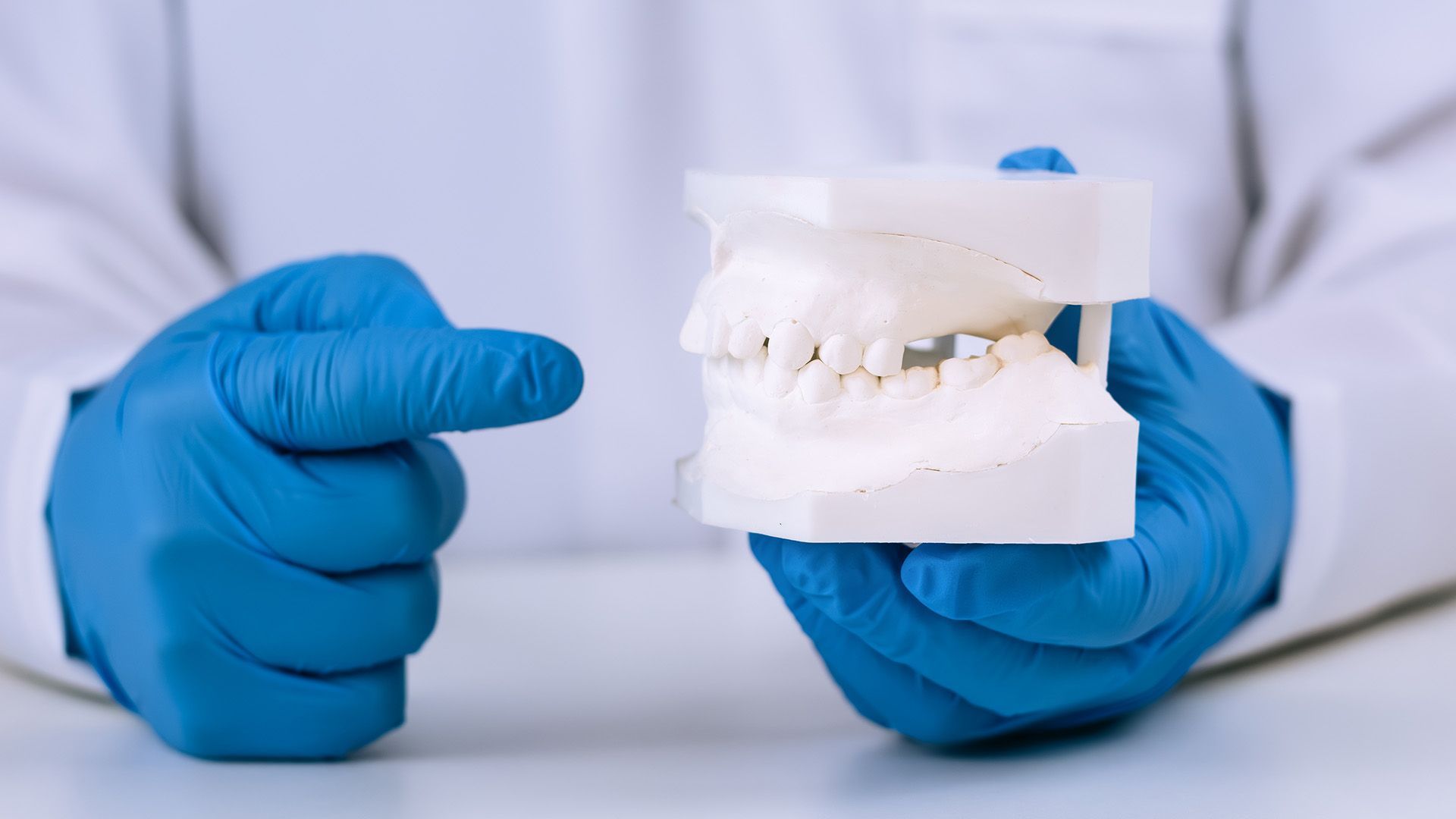
Teeth can begin to shift soon after retainer wear stops, especially within the first year after finishing orthodontic treatment. Early changes may be microscopic but can become apparent sooner than expected. If you are wondering how long you can go without retainers before noticing differences, the answer varies, but even short gaps can matter.
- First 48–72 hours: If you try to put your retainer back in, it may feel tighter, signaling slight movement.
- One to two weeks: Tiny spaces or subtle rotations of front teeth can appear in some people.
- One to three months: Many notice mild crowding, particularly in the lower front teeth. Not wearing a retainer for a month can be enough for some movement to become visible.
- Six months to one year: More visible shifting and bite changes can develop, and relapse becomes harder to correct with a simple retainer.
Short-term movement occurs over days to weeks and may be reversible with prompt, consistent retainer wear. Long-term movement develops over months to years as bone and soft tissues remodel, often requiring professional treatment to correct.
On average, noticeable changes arise within a few weeks to a few months, depending on your biology and treatment history. The risk is highest in the first year post-treatment, but teeth can shift at any age. For this reason, many orthodontists recommend lifelong nighttime retainer wear to maintain alignment. If you have not worn a retainer for a month, plan to check fit carefully and consult your provider if reinsertion is uncomfortable.
What Speeds Up or Slows Down Tooth Movement
Several factors influence how quickly teeth shift without retention:
- Age: Younger patients have faster bone remodeling, which can mean quicker relapse if retainers are not worn. Adults typically remodel more slowly but still experience gradual shifting over time, especially in the lower front teeth.
- Type of treatment: Teeth that were rotated, expanded, or moved to close spaces (like a diastema) are more prone to relapse. Extractions and larger bite corrections can also increase the likelihood of movement without retention. The more recent your treatment, the greater the risk because tissues have not fully stabilized.
- Anatomy and genetics: A naturally tighter lower arch, thin gum tissue, or stronger tongue and lip pressures can encourage crowding. Habits such as tongue thrusting, mouth breathing, nail biting, clenching, or grinding can accelerate movement.
- Gum health: Periodontal disease damages the supporting bone and can destabilize tooth positions, making shifting more likely.
These factors help explain how long it takes teeth to shift without retainer in different situations and why what happens if you don't wear your retainer can vary from person to person.
How to Tell if Your Teeth Are Shifting
Early signs can be subtle. Watch for:
- Small gaps reopening between front teeth
- Slight overlapping or twisting of lower incisors
- Edges of front teeth meeting differently when you bite
- A retainer that feels tight, won’t fully seat, or leaves pressure marks
Functional clues include a new clicking or catching sensation when chewing, uneven wear spots, or teeth that meet differently than before. Mild soreness around certain teeth, especially after skipping retainer wear, can indicate shifting.
Regular dental and orthodontic checkups help detect early relapse that may not be visible in the mirror. Your provider can evaluate retainer fit, adjust or replace retainers, and recommend steps to stabilize your results before changes progress.
Consequences of Skipping Your Retainer
As teeth move out of alignment, oral hygiene often becomes more challenging. Crowding creates tight, hard-to-clean areas that trap plaque, raising the risk of cavities and gum inflammation. Changes in how your teeth meet can lead to uneven wear, jaw discomfort, or chipped edges over time.
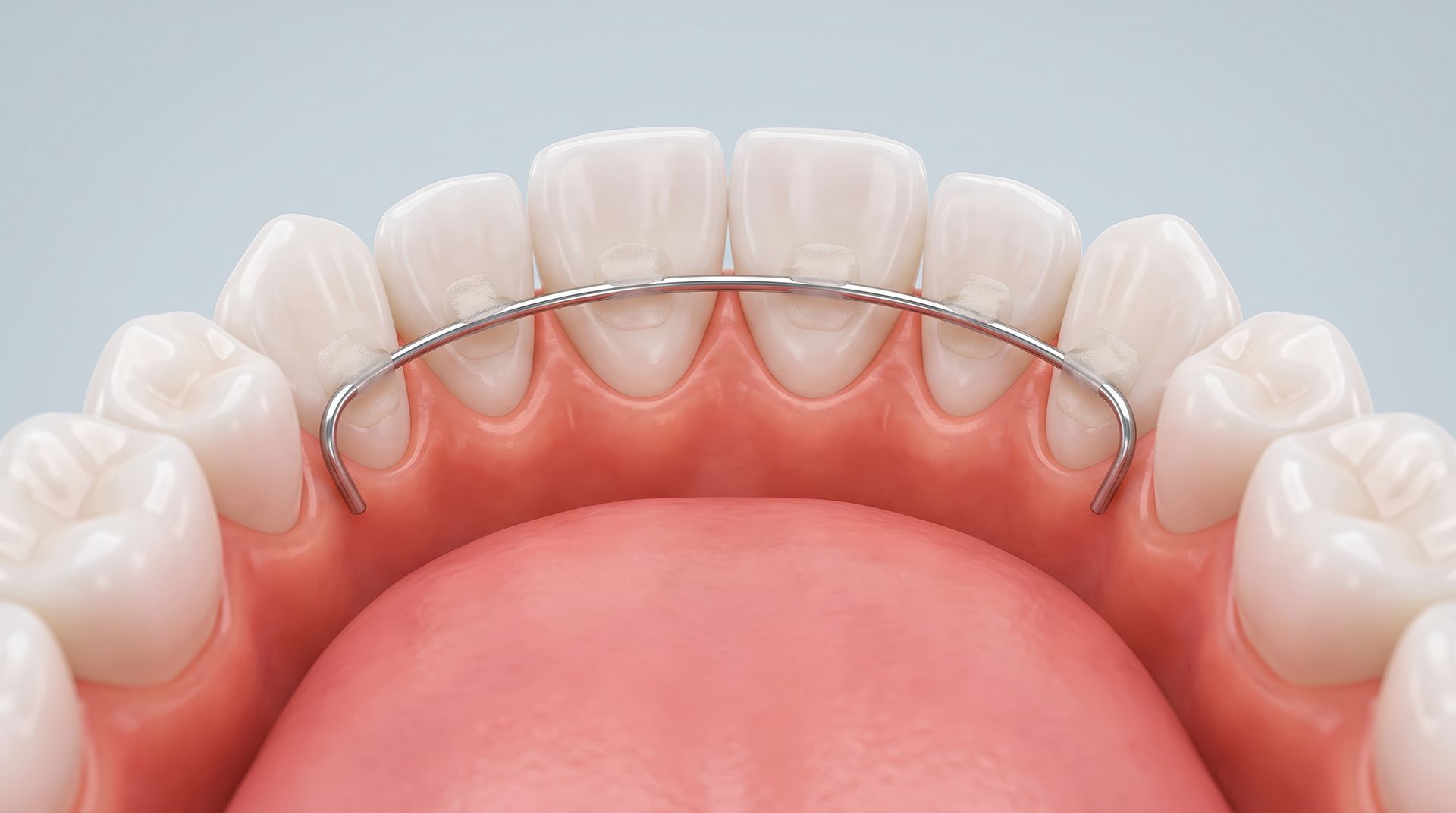
Relapse may require additional treatment. In mild cases, wearing your original retainer consistently can recapture recent movement. If the retainer is too tight, damaged, or warped, you may need a new retainer or a short course of clear aligner therapy. More significant relapse could require comprehensive orthodontic care to restore proper alignment and bite.
Shifting can also affect confidence in your smile. The encouraging news: early recognition and consistent retainer wear are highly effective at preserving alignment. If you are deciding how long you can go without retainers, remember that even brief lapses can lead to small but important changes, and not wearing a retainer for a month increases the chance that professional help will be needed.
What to Do if Your Retainer No Longer Fits
If your retainer feels uncomfortable or won’t seat fully, do not force it, it can damage teeth or the appliance. Instead:
- Contact your orthodontic provider promptly for an assessment.
- Bring your current retainer to your visit so fit can be evaluated.
- Ask whether a short period of increased wear could reverse recent movement.
- Discuss options such as a replacement retainer or limited aligner therapy if needed.
Acting quickly improves the chances of simple solutions and helps prevent further movement. This is especially important if you have not been wearing a retainer for a month or longer, or if you have questions about what happens if you don't wear your retainer after recent treatment.
Prevention: How to Keep Teeth from Shifting
Long-term stability is achievable with consistent habits:
- Wear your retainer as directed. Most patients benefit from nighttime wear indefinitely.
- Maintain good oral hygiene to keep gums and bone healthy.
- Address habits like tongue thrusting or clenching with guidance from your provider.
- Replace worn or ill-fitting retainers promptly to maintain effectiveness.
- Schedule periodic checkups to monitor alignment and retainer condition.
If you are wondering how long you can go without retainers without risking movement, the safest approach is to avoid gaps in wear unless your provider advises otherwise. Consistency reduces the risk of relapse and answers the concern of how long it takes teeth to shift without retainer by keeping movement minimal.
At-a-Glance: Teeth Shifting Without a Retainer
| Time Without Retainer | What You Might Notice | Recommended Action |
|---|---|---|
| 48–72 hours | Retainer feels tight; slight pressure if reinserted | Resume consistent wear; monitor fit; consider what happens if you don't wear your retainer beyond this window |
| 1–2 weeks | Minor spacing or subtle rotations | Increase wear time; contact your provider if fit is difficult; limit how long you go without retainers |
| 1–3 months | Mild crowding, especially lower front teeth | Schedule an evaluation; consider a new retainer or limited aligner therapy; if not wearing retainer for a month, seek guidance promptly |
| 6–12 months | Visible shifting, bite changes | Professional assessment; possible comprehensive retreatment |
Bottom Line: How Fast Do Teeth Shift Without a Retainer?
Teeth can begin to shift within days of stopping retainer wear, and noticeable changes often appear within weeks to a few months. The risk is greatest during the first year after treatment, but shifting can occur at any age. Lifelong nighttime retainer wear is the most reliable way to maintain your smile. If your retainer feels tight or no longer fits, reach out to your orthodontic provider promptly, early action can make all the difference. If you are asking how long does it take teeth to shift without retainer or how long can you go without retainers, remember that shorter is always better, and not wearing retainer for a month may already allow changes that require professional help. Understanding what happens if you don't wear your retainer can help you protect your results for the long term.