How to Help Your Kids Brush Better with Braces
Maintaining excellent oral hygiene is essential for children wearing braces to ensure both their dental health and the effectiveness of their orthodontic treatment. Learning how to help your kids brush better with braces is crucial because braces can easily trap food particles and plaque, making effective brushing vital to prevent cavities and gum disease. This guide provides practical strategies and tools to assist your kids in brushing better with braces. From understanding the importance of oral hygiene to fostering good brushing habits, you'll find valuable tips to help your child achieve a healthy, bright smile throughout their orthodontic journey.
Understanding the Importance of Oral Hygiene with Braces
When children get braces, dental hygiene becomes more critical due to the additional spaces where food particles and plaque can accumulate. These orthodontic devices can hinder the natural brushing and flossing process, necessitating a more meticulous approach to oral care. Ineffective brushing increases the risk of plaque buildup, leading to potential complications.
Poor oral hygiene can result in white spot lesions, early decay signs that can become permanent stains. Moreover, gum disease can develop, causing inflammation, bleeding, and potentially tooth loss if untreated. These issues not only impact your child’s dental health but can also prolong orthodontic treatment and lead to suboptimal outcomes.
Conversely, maintaining healthy teeth during orthodontic treatment is highly advantageous. Good oral hygiene helps keep teeth strong and healthy, allowing the treatment to proceed smoothly. By instilling effective brushing habits, you help your child achieve their desired smile more quickly and with fewer complications. A healthy mouth enhances overall well-being, boosting your child's confidence and self-esteem as they progress through their orthodontic journey.
Step-by-Step Guide to Brush Your Teeth with Braces
Learning how to help your kids brush better with braces involves specific techniques to ensure optimal oral health. Start by selecting a soft-bristled toothbrush and fluoride toothpaste, both gentle on teeth and braces. Position the toothbrush at a 45-degree angle to the gum line and use short, gentle strokes to clean the front, back, and chewing surfaces of each tooth. Pay extra attention to brackets and wires where food particles can easily become trapped.
Children should brush their teeth with braces at least twice daily for two minutes each time. Reinforcing this routine helps establish lifelong good habits. Encourage them to rinse their mouth with water after meals to dislodge any food particles caught in the braces.
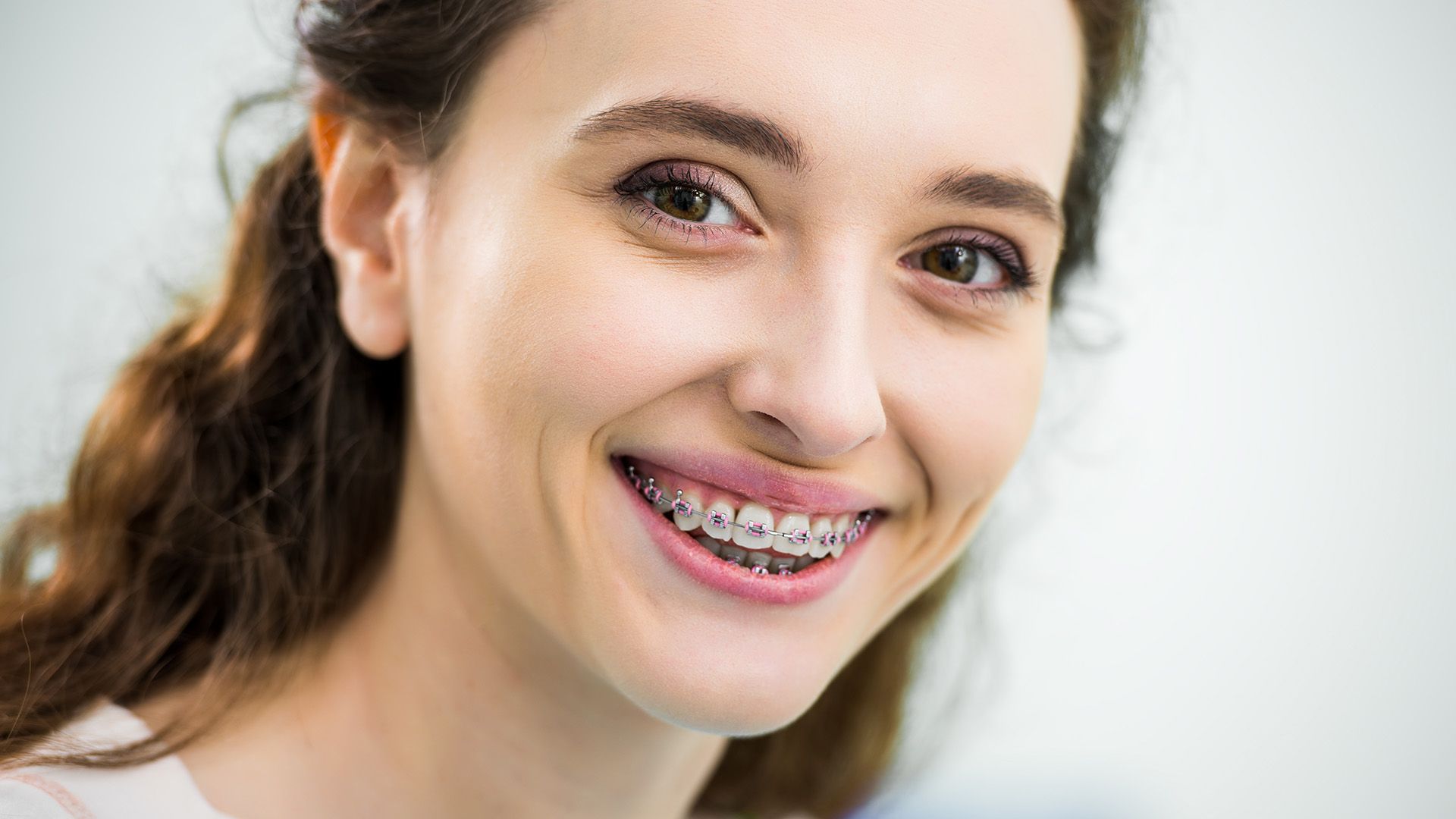
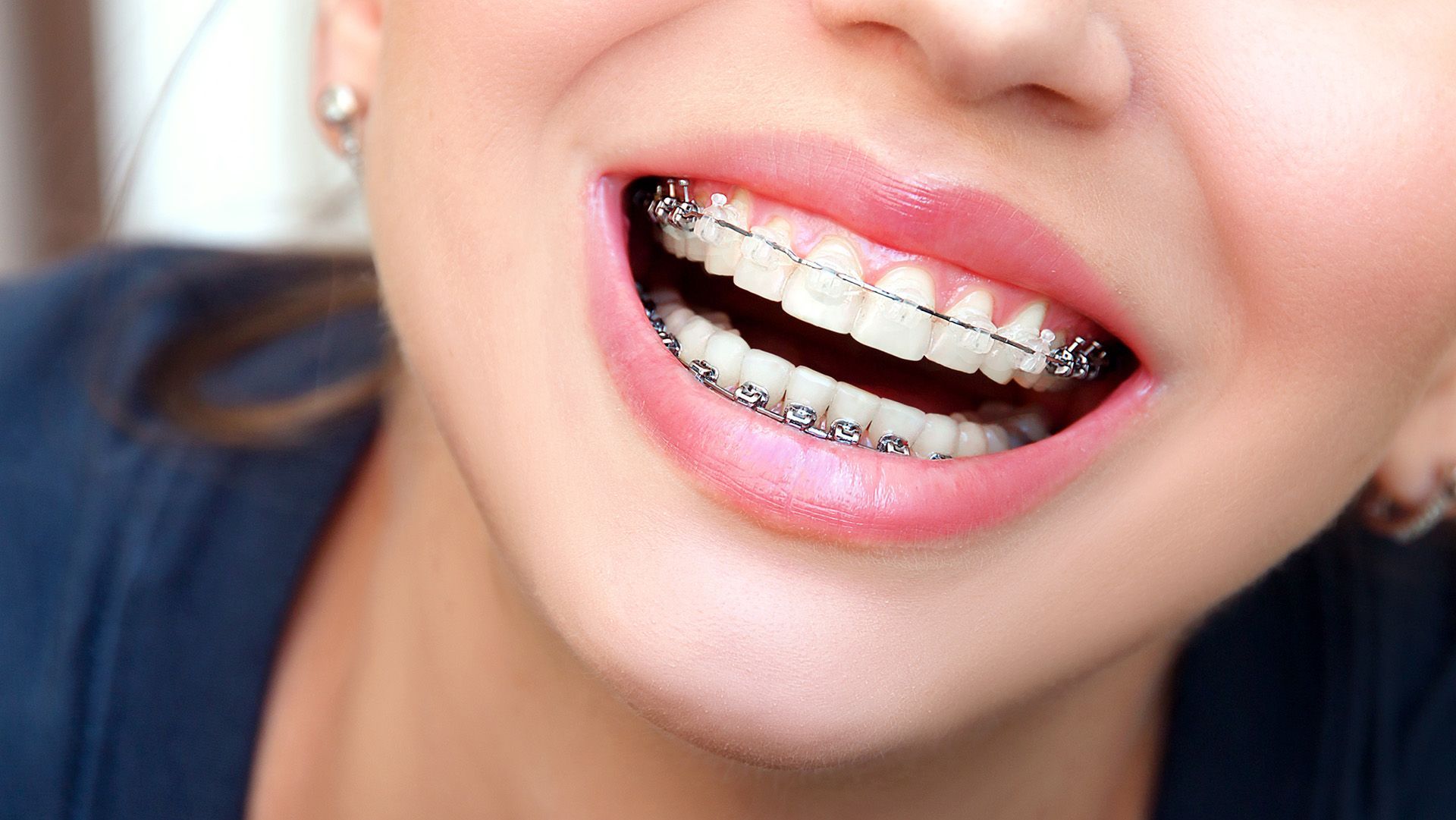
Cleaning around brackets and wires can be challenging but is essential to prevent plaque buildup. Brush above and below each bracket using gentle circular motions around the wires. A proxy brush or orthodontic toothbrush can help reach difficult spots. Remember to brush the tongue and roof of the mouth, as bacteria can accumulate there too. By following these steps, your child can maintain a clean and healthy mouth throughout their orthodontic treatment.
Essential Tools for Brushing Teeth with Braces
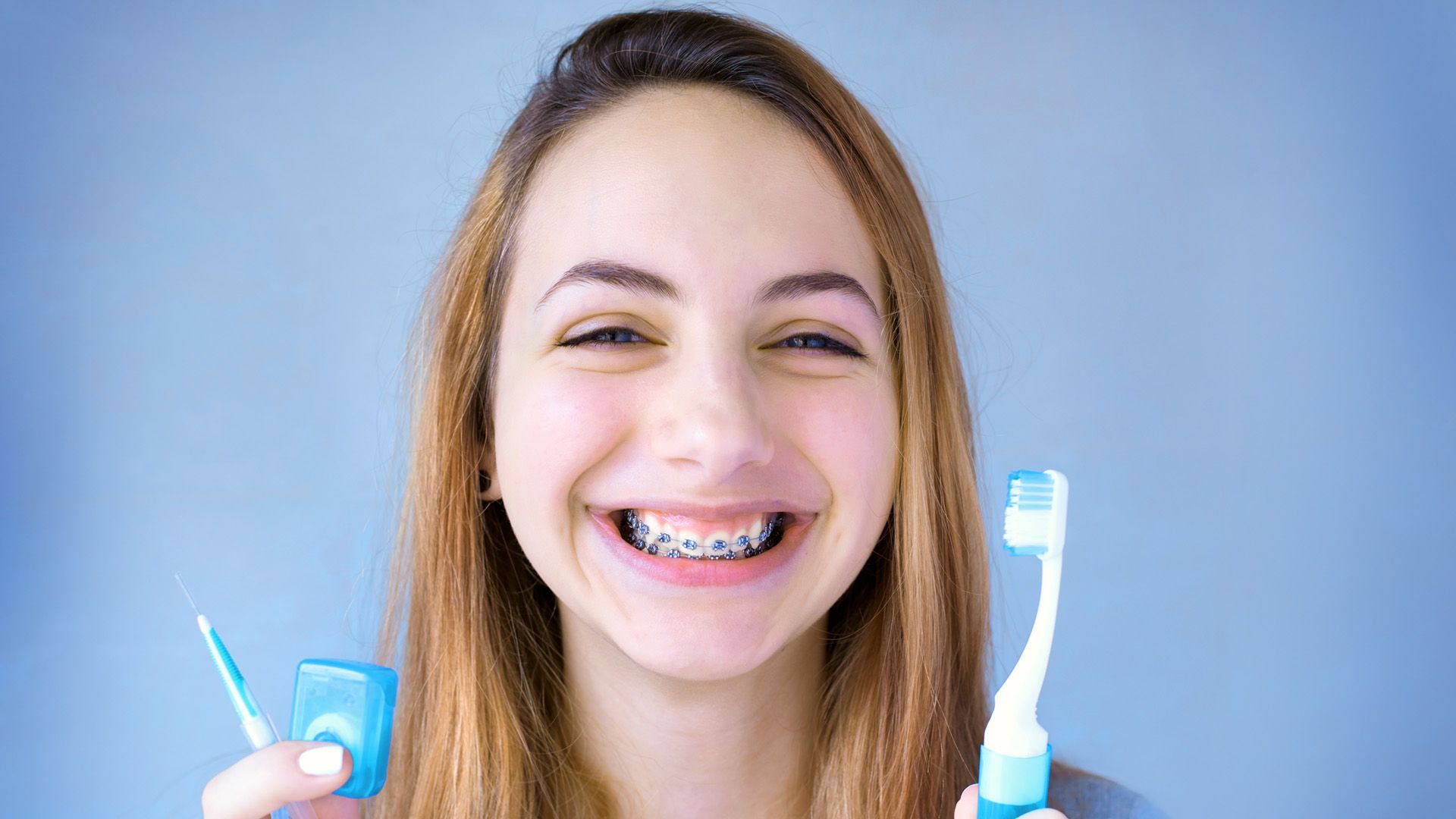
Choosing the right tools can significantly enhance oral hygiene during orthodontic treatment. Consider a toothbrush specifically designed for braces, featuring softer bristles and unique shapes for effective cleaning around brackets and wires. An orthodontic toothbrush or electric toothbrush with a specialized head can make brushing teeth with braces more thorough and enjoyable.
Flossing aids are crucial for cleaning between teeth and around brackets. Floss threaders or orthodontic flossers facilitate navigating around braces, making flossing quick and effective. These tools ensure that food particles and plaque are removed from hard-to-reach areas.
Incorporating a mouthwash that supports dental health during orthodontic treatment can further enhance oral hygiene. Opt for an antibacterial mouthwash to reduce plaque and combat gum disease. A fluoride mouthwash offers additional cavity protection, which is especially important for children with braces.
Equipping your child with the right tools helps them develop good brushing habits and maintain a healthy smile throughout their orthodontic treatment.
Tips to Encourage Your Child to Maintain Good Brushing Habits
Creating a fun brushing routine can greatly improve oral hygiene for children with braces. Incorporate music or a timer to ensure a brushing duration of two minutes. Allow your child to select their favorite song or use a fun brushing app to make the experience enjoyable, transforming a mundane task into a pleasant activity and encouraging consistency.
Setting reminders and offering rewards are effective strategies. Consider creating a brushing chart for your child to track each successful brushing session. Offer small rewards, such as stickers or extra screen time, to motivate them. This practice fosters accountability and reinforces the importance of good dental hygiene.
Involving older siblings or friends can provide additional support and encouragement. If a sibling has braces, they can share tips and experiences, making your child feel less isolated in their journey. Alternatively, organize brushing playdates with friends to create a fun, communal atmosphere. This camaraderie can inspire your child to adopt better habits, making oral care feel less like a chore.