After Braces Care: A Complete Guide to Protecting Your New Smile
Finishing orthodontic treatment is a big milestone, but the work of protecting your results starts now. Teeth and gums need time to stabilize, and daily habits play a major role in keeping your smile straight, healthy, and bright. This guide covers why aftercare matters, how to care for retainers, the essentials of oral hygiene, smart diet and lifestyle choices, what to expect at follow-up visits, and how to troubleshoot common post-braces concerns. With a thoughtful plan and ongoing support from your orthodontic and dental teams, you can maintain your new smile for the long term. Thoughtful after braces care ensures that the improvements you worked for remain steady, and that your mouth stays healthy as you transition out of braces.
Why Aftercare Matters
Teeth and the surrounding tissues are not static. After braces come off, the periodontal ligaments and bone are still adapting to your new alignment. Without consistent retention, teeth can slowly drift back toward their original positions, a process called relapse. Retainers counter this tendency by holding teeth steady while tissues remodel, helping to lock in the alignment you achieved.
Skipping aftercare can lead to avoidable problems. Relapse may bring back crowding or gaps, sometimes requiring retreatment. With brackets and wires gone, plaque can build up along the gumline more easily, raising the risk of inflammation, bleeding gums, and gum disease. Enamel may also be more prone to staining or white spot lesions if hygiene lags. Irregular retainer wear and missed check-ups amplify these risks.
A personalized aftercare routine, consistent retainer use, excellent daily hygiene, mindful food and drink choices, and regular professional visits, protects your investment. Staying consistent supports gum health, minimizes relapse, and keeps your smile looking and feeling its best. Effective after braces care is ultimately about safeguarding function and aesthetics long after active treatment ends.
Retainer Care and Wearing Schedule
Retainers generally fall into two categories: fixed and removable.
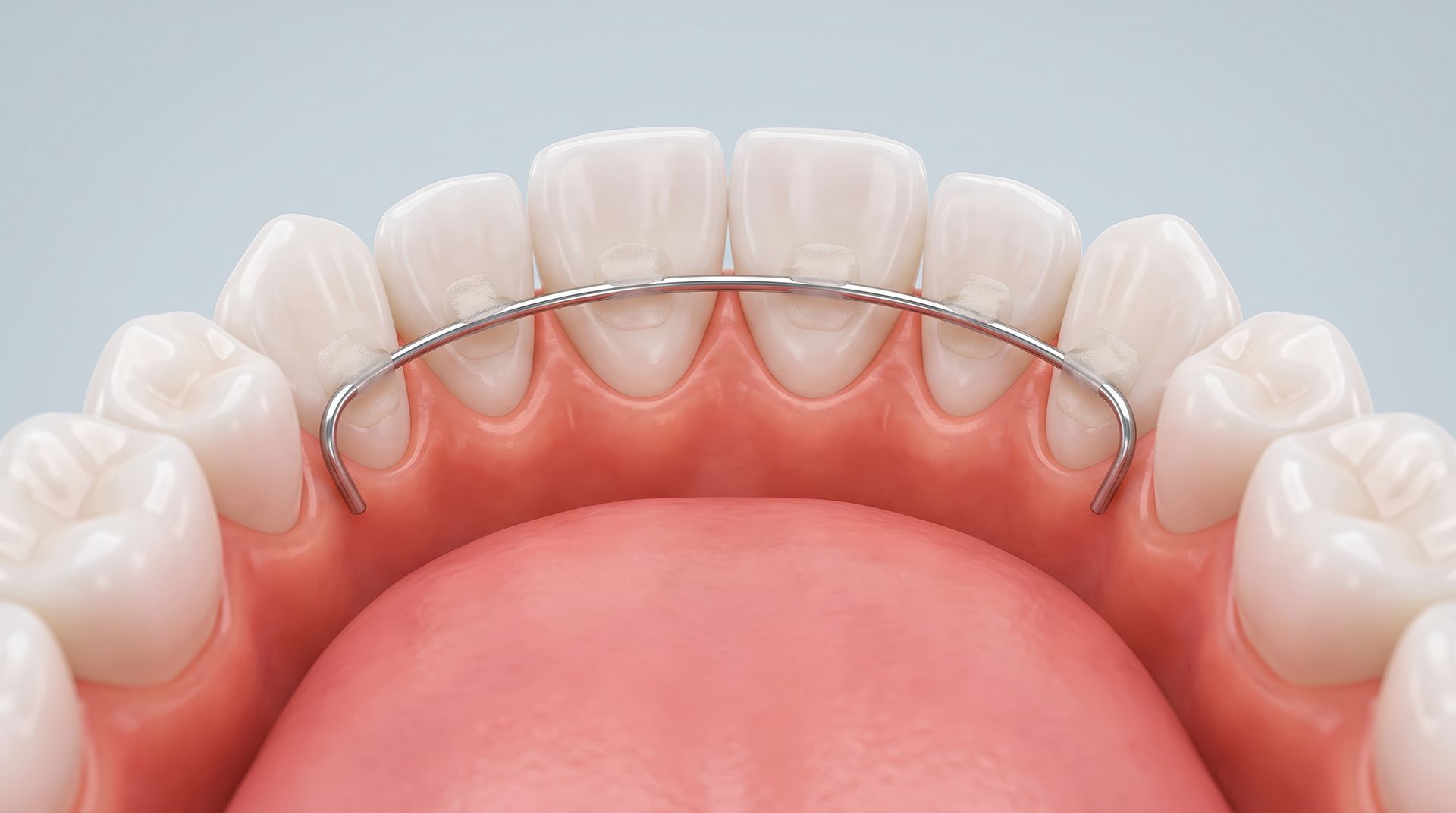
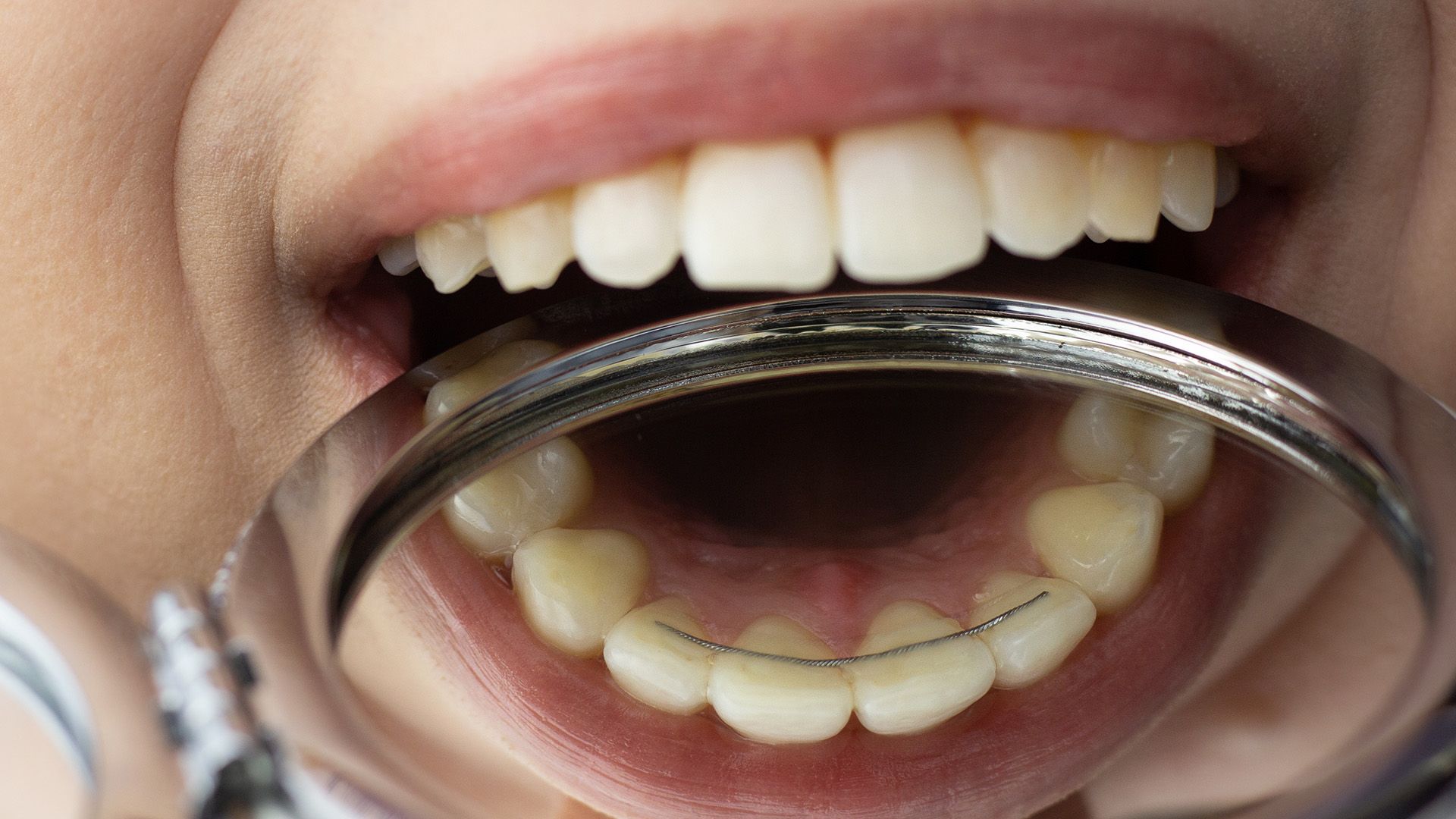
- Fixed (bonded) retainers: A thin wire bonded to the back surfaces of front teeth, typically canine-to-canine. They are always in place and invisible from the front. Fixed retainers are highly effective for maintaining alignment, especially in the lower front teeth, but they require meticulous flossing and routine professional monitoring to prevent tartar buildup.
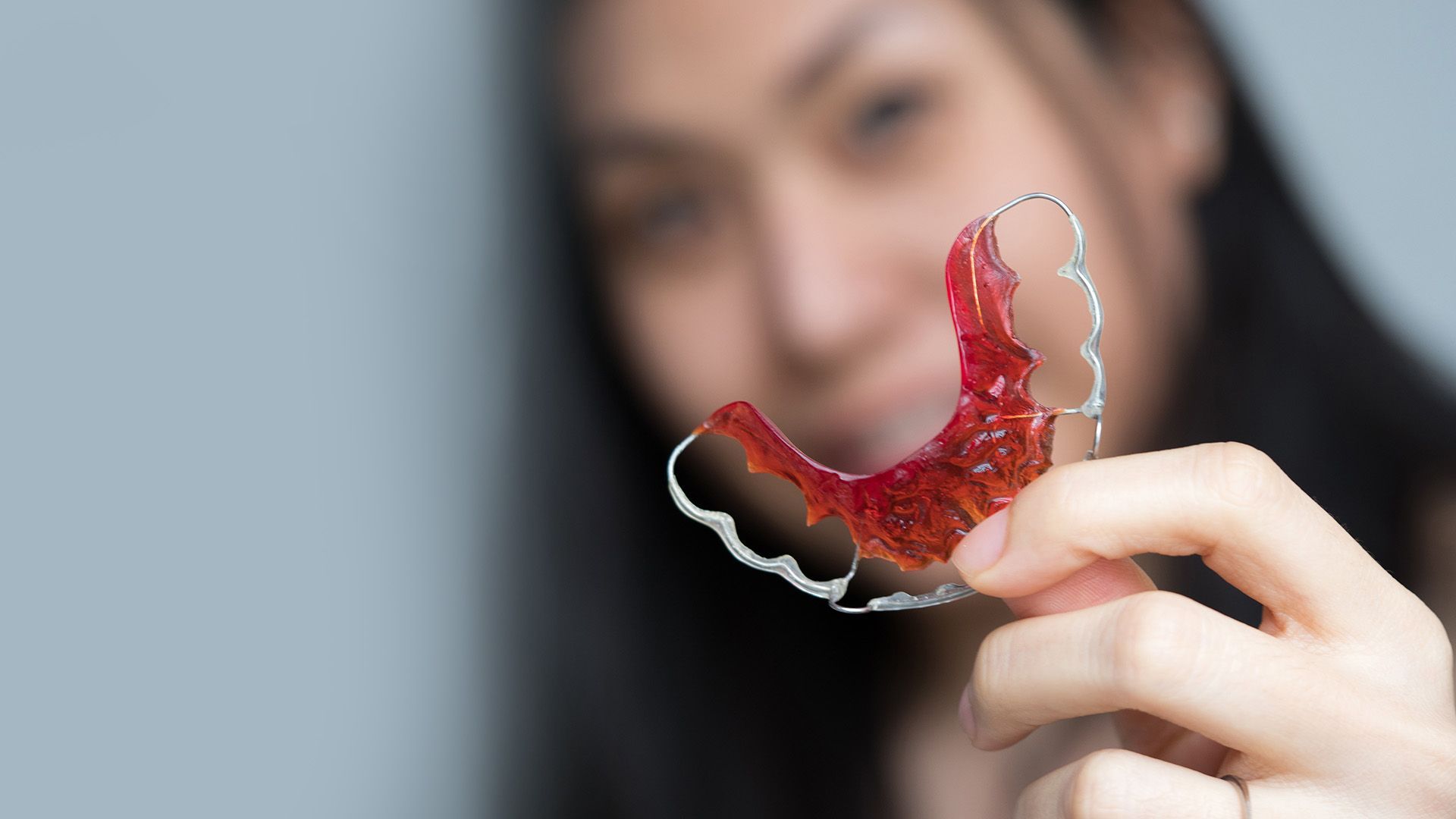
- Removable retainers: These include clear thermoplastic trays (often called Essix retainers) and traditional Hawley retainers with an acrylic base and metal wire. Clear retainers are discreet and snug; Hawley retainers are durable and adjustable. Your orthodontist will recommend the type, or a combination, that best suits your case, lifestyle, and relapse risk. Many patients use a fixed retainer for key teeth plus a removable retainer for nighttime wear.
Wear schedules vary by individual needs, but a common progression involves full-time wear of removable retainers (about 20–22 hours per day) for the first few months after braces are removed. After this initial stabilization period, most patients transition to night-only wear. Over time, your provider may reduce the frequency (for example, every other night), though many people benefit from lifelong nighttime wear to counter natural age-related shifting. Follow the schedule given by your orthodontist closely; deviating can lead to relapse.
Clean retainers thoroughly to keep them clear, odor-free, and comfortable:
- Rinse with cool or lukewarm water after removal and before reinsertion.
- Brush daily using a soft toothbrush and a mild liquid soap; avoid toothpaste on clear retainers, as abrasives can cause scratching and clouding.
- Use retainer-specific cleaning tablets periodically and follow product directions.
- Never use hot water on plastic retainers, which can warp them.
- Store retainers in a ventilated case when not in use. Do not wrap them in a napkin or leave them within reach of pets.
- Keep the case clean and dry, and bring your retainer to check-ups for inspection.
If a fixed retainer becomes loose or breaks, or if a removable retainer cracks, contact your orthodontic team promptly. Early repairs prevent unwanted movement and preserve your results. Consistent retainer wear is a cornerstone of after braces care and helps prevent relapse while tissues stabilize.
Oral Hygiene Routine After Braces
After braces, your hygiene goals are to protect enamel, maintain healthy gums, and prevent buildup and staining. A consistent, gentle routine is key.
Brushing
- Brush at least twice daily for two minutes with a soft-bristled manual or electric toothbrush. An electric brush with a pressure sensor can help prevent overbrushing and enamel abrasion.
- Angle bristles toward the gumline and use small, gentle circular motions to remove plaque where it tends to collect.
- Give extra attention to the front teeth and along the gum margins, especially if you have a fixed retainer.
Flossing and Interdental Care
- Floss once a day to clean where brushes cannot reach. With fixed retainers, use a threader or super floss to slide beneath the bonded wire.
- Consider a water flosser to flush plaque and food particles from tight spaces and around fixed retainers.
- Interdental brushes are helpful around retainers and in wider spaces between teeth.
Fluoride and Sensitivity
- Use a fluoride toothpaste to strengthen enamel and protect against decay.
- If you experience sensitivity, a desensitizing toothpaste with potassium nitrate may help over several weeks of consistent use.
- An alcohol-free fluoride mouthrinse can offer added protection, particularly if you have a history of white spot lesions.
Professional Care and Stain Prevention
- Limit frequent snacking on sugary or starchy foods that feed cavity-causing bacteria.
- After drinking pigmented beverages like coffee, tea, red wine, or dark sodas, rinse with water to reduce staining.
- Chew sugar-free gum with xylitol after meals to stimulate saliva and help neutralize acids.
- Schedule professional cleanings every six months, or as recommended by your dentist, to remove tartar and polish away surface stains.
Staying consistent with these steps right after braces are removed lowers your risk of decay and gum inflammation and keeps your smile bright. Your dental team can personalize recommendations based on your needs, including targeted home-care tools that make after braces care easier to maintain.
Diet and Lifestyle Recommendations
Thoughtful food and habit choices help protect enamel and keep teeth stable after orthodontic treatment. Focus on minimizing acid exposure, supporting remineralization, and avoiding behaviors that stress teeth or retainers.
Protect Enamel
- Limit acidic drinks such as sodas, energy drinks, and citrus juices. If you choose them, use a straw to reduce contact with teeth and rinse with water afterward.
- Avoid sipping acidic or sugary beverages over long periods, which extends acid exposure.
- Keep sticky candies and hard sweets to an occasional treat and brush soon after if possible.
Support a Healthy Oral Environment
- Include calcium-rich foods (dairy, leafy greens, fortified alternatives) and vitamin D sources (fatty fish, eggs, fortified milk) to aid remineralization.
- Choose lean proteins for phosphorus, an important mineral for enamel health.
- Snack on crunchy fruits and vegetables to stimulate saliva and gently cleanse surfaces.
- Opt for low-acid snacks, whole grains, and plenty of water to maintain a neutral oral pH.
Break Harmful Habits
- Stop nail-biting, chewing on ice, and using teeth as tools; these can chip enamel and strain retainers.
- If you notice signs of clenching or grinding, such as worn edges or morning jaw soreness, ask about a nightguard that works with your retainer routine.
- Wear a properly fitted mouthguard for contact sports and consult your orthodontist on how to use it alongside your retainer.
Small, consistent choices add up. Pairing good nutrition with protective habits supports long-term stability after braces and helps you avoid unnecessary wear or damage to your retainers.
Follow-Up Appointments and What to Expect
Regular follow-ups help ensure your smile stays stable and healthy. These visits are an opportunity to confirm your retainers fit well, detect early signs of relapse, and address any hygiene challenges.
Timeline of Visits
- Retainer delivery: Immediately after braces removal, your retainers are fitted, and your wear and care instructions are reviewed.
- Early follow-up: A check a few weeks later confirms fit and comfort and allows for any adjustments.
- Ongoing monitoring: Visits every few months during the first year help verify stability and retainer integrity.
- Dental cleanings and exams: Continue regular dental visits every six months, or more often if recommended due to gum disease or cavity risk.
What Your Provider Checks
- Alignment and bite, with attention to any subtle shifts.
- Retainer condition, including cracks, warping, or tight spots on clear trays.
- Comfort and effectiveness of Hawley retainers, with adjustments as needed.
- Integrity of fixed retainers and any areas of plaque or tartar buildup around them.
- Progress photos or scans to document changes over time.
If early signs of movement are detected, your orthodontist may increase wear time, replace a worn retainer, or recommend brief aligner therapy to recapture ideal alignment.
When to Call Between Visits
- Persistent soreness or pressure that does not ease after a few days of consistent retainer wear.
- A cracked, lost, or distorted retainer, or a fixed retainer that feels loose or is poking your tongue.
- Difficulty fully seating a removable retainer, especially after missing wear for only a few days.
- Noticeable tooth movement or irritation from any bonded wire or sharp edge.
Timely communication helps prevent small concerns from becoming setbacks. Staying on schedule with follow-ups is a practical part of after braces care because minor shifts are easiest to correct early.
Troubleshooting Common Post-Braces Issues
Some minor adjustments are normal as you transition out of braces and into a retainer routine. Knowing what to expect and when to seek help can make this period smoother.
Initial Discomfort and Sensitivity
- Mild sensitivity or pressure during the first days of retainer wear, especially after a gap in use, is common and usually short-lived.
- Stick to softer foods if needed, and consider an over-the-counter pain reliever as directed for brief discomfort.
- Wear your retainer as prescribed to avoid repeated “re-start” soreness.
- If a fixed retainer feels rough or a bond breaks, avoid touching or bending the wire and schedule a repair.
Color Changes and White Spots
- Right after bracket removal, enamel may appear uneven in color where brackets were previously bonded. This typically improves with time and polishing.
- White spot lesions (chalky areas of demineralization) may improve with meticulous hygiene, fluoride exposure, and products containing casein phosphopeptide–amorphous calcium phosphate (CPP-ACP) if recommended by your dentist.
- Persistent surface stains often respond well to a professional cleaning and polish.
Shape, Edges, and Minor Alignment
- If edges look uneven or you notice small chips, ask your dentist about conservative enamel recontouring or bonding to refine shape.
- Minor spacing or rotation appearing soon after debonding may respond to increased retainer wear or a short course of clear aligners.
- Consider professional whitening once your dentist confirms gum and enamel health. Plan whitening after your retainer routine is stable, and remember that composite or bonded areas will not whiten like natural enamel.
When to Seek Professional Care
- Symptoms persist beyond a few days, you cannot fully seat your retainer, or visible movement is present.
- White spots do not improve with home care, your dentist may suggest remineralization treatments, microabrasion, or resin infiltration.
- Heavy tartar forms around a fixed retainer, professional cleaning is essential to protect gum health.
Addressing issues promptly helps you maintain stability after braces and keeps your retainers working effectively.
Quick Reference: After Braces Care
| Topic | Best Practices |
|---|---|
| Retainer wear | Full-time (20–22 hrs/day) initially, then nights only as advised; many benefit from lifelong nighttime wear. |
| Retainer care | Rinse after use, brush daily with mild soap, avoid hot water, use cleaning tablets periodically, store in a ventilated case. |
| Brushing | Twice daily for two minutes with a soft brush; gentle circular motions angled at the gumline. |
| Flossing | Daily; use threaders or super floss with fixed retainers. Consider water flossers and interdental brushes. |
| Fluoride | Fluoride toothpaste daily; consider alcohol-free fluoride rinse, especially with a history of white spots. |
| Diet | Limit acidic and sugary drinks; use a straw; rinse with water; choose calcium- and vitamin D–rich foods, lean proteins, and crunchy produce. |
| Lifestyle | Avoid nail-biting, ice chewing, and using teeth as tools; ask about a compatible nightguard if you grind; wear a sports mouthguard. |
| Follow-ups | Retainer delivery, early check a few weeks later, then every few months in year one; dental cleanings every six months. |
| Call the office if | Retainer cracks, doesn’t fit, or fixed wire loosens; persistent soreness; sharp edges; visible movement. |
Use this quick reference as a daily reminder of the essentials of after braces care so your routine stays simple and consistent.
Frequently Asked Questions
How long will I need to wear my retainers?
Most patients wear retainers full-time for the first few months after braces, then at night. Because teeth can shift with age, many benefit from wearing retainers at night indefinitely. Your orthodontist will personalize your schedule.
What if I forget to wear my retainer for a few days?
Try to seat it right away. If it feels tight but fits fully, wear it more consistently to regain stability. If it will not seat completely or causes significant discomfort, contact your orthodontic office promptly.
Can I clean my retainer with toothpaste?
It is best to avoid toothpaste on clear retainers because abrasives can scratch and cloud the plastic. Use a soft brush with mild liquid soap, and consider periodic use of retainer cleaning tablets.
Are fixed retainers hard to keep clean?
They require a bit more care, particularly with flossing, but with threaders, super floss, and/or a water flosser, most patients maintain excellent hygiene. Regular dental cleanings help prevent tartar buildup.
When can I whiten my teeth after braces?
Discuss timing with your dentist. Whitening is often considered once gums are healthy and your retainer routine is stable. Keep in mind that composite fillings and bonding will not whiten like natural enamel.
If you have additional questions about after braces care, bring them to your next appointment so your provider can tailor guidance to your needs.
Your Long-Term Smile Plan
Protecting your new smile is a partnership between you and your dental team. Consistent retainer wear prevents relapse, daily hygiene preserves enamel and gum health, and smart choices around food and habits reduce risk. Regular orthodontic check-ins and dental cleanings allow for early course corrections and professional support.
If you have questions about retainers, hygiene tools, or scheduling follow-ups, reach out to your orthodontist. A tailored aftercare plan, and sticking with it, keeps your smile stable, comfortable, and confident for years to come. The right focus on after braces care helps ensure the improvements from after braces are long-lasting and that you enjoy a healthy, balanced bite well into the future.