What to Do If Your Permanent Retainer Comes Off
When a permanent retainer loosens or detaches, it can be unsettling. Acting quickly helps protect your alignment and prevents unwanted shifting. If you’re searching for what to do if your permanent retainer comes off, use this guide to spot a problem, take safe immediate steps, know when to call your orthodontist, and understand how permanent retainer repair or replacements are handled. If your permanent retainer broke recently or you have a broken permanent retainer.
How to Tell Your Permanent Retainer Has Come Off
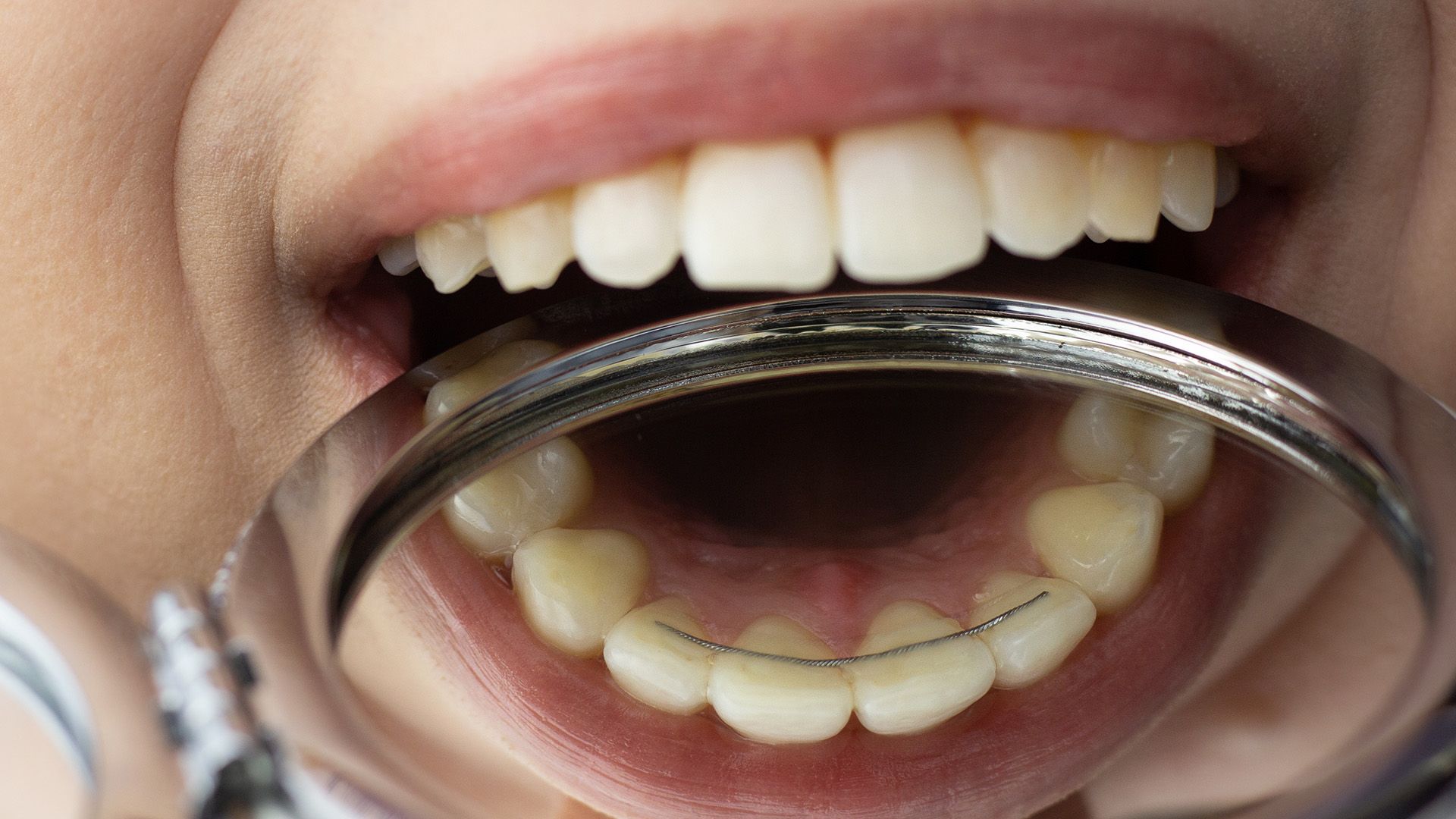
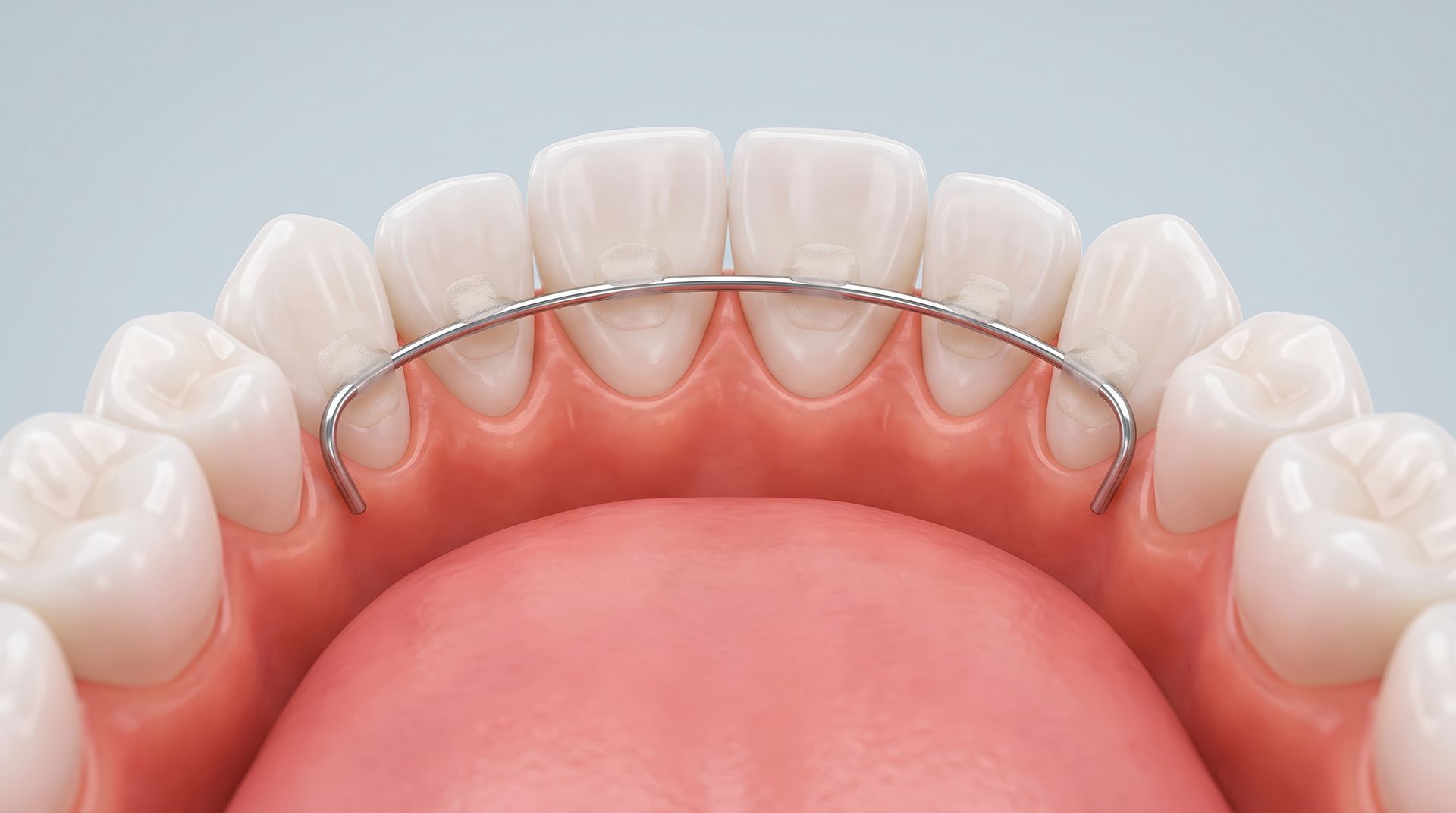
A permanent retainer is a thin wire bonded to the back of your teeth. When the bond weakens or breaks, you may notice:
- Wire movement when you touch it with your tongue.
- Missing or chipped bonding material that looks like a gap or rough spot.
- Sharp or poking metal irritating your tongue, cheek, or gums.
- A bite that suddenly feels different or tight.
- New sensitivity near the bond or along the wire.
Check gently at home using a clean mirror and bright light. Feel the area with a clean fingertip or cotton swab to avoid snagging. Do not pull, bend, or press on the wire. Never try to glue, rebond, or cut the wire yourself, DIY fixes can damage enamel and make professional permanent retainer repair more complex.
If you can safely capture a clear photo, take one that shows the wire, the specific teeth involved, and any areas where the bond appears broken. Jot down when you first noticed the problem, what you were eating or doing at the time, and whether you feel sharp edges or a change in your bite. These details help your orthodontic team triage and plan your visit when a permanent retainer broke or you’re dealing with a broken permanent retainer.
Immediate Steps to Take Right Now
If the retainer is partially or fully detached, simple measures can keep you comfortable until your appointment:
- Protect soft tissues: Cover sharp or irritating edges with orthodontic wax. If you don’t have wax, a small piece of sugar-free gum can serve as a short-term buffer. Replace it frequently and avoid swallowing it.
- Avoid problem foods: Skip hard, crunchy, chewy, and sticky foods, such as nuts, popcorn, taffy, caramel, and crusty bread, that can pull on the wire or worsen a break.
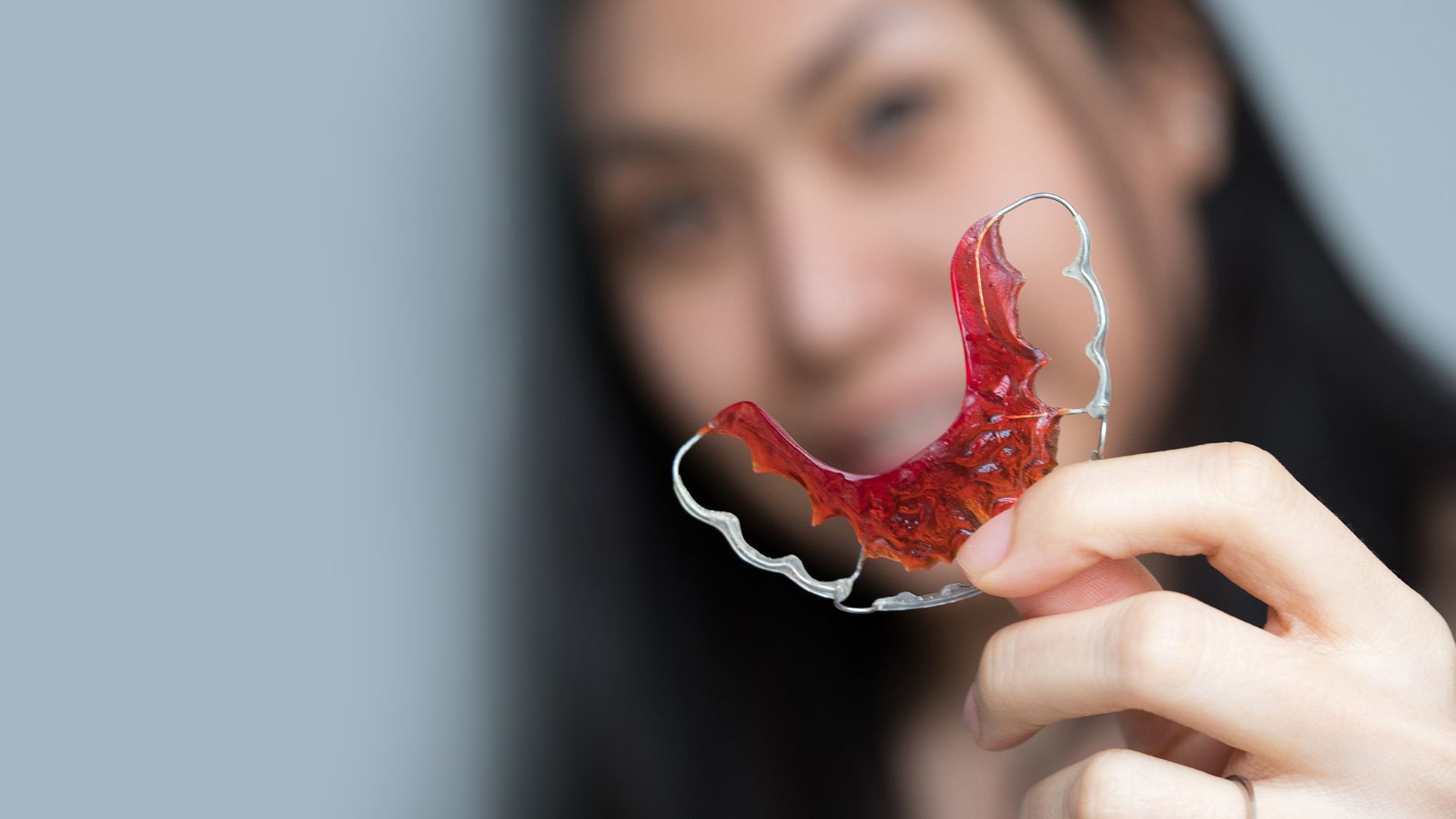
- Minimize movement: If you have a removable clear retainer that seats comfortably over the fixed wire, wear it as directed. Do not force a removable retainer over a bent or displaced wire. If it won’t fit, stop and call your orthodontist.
Contact your orthodontic office promptly. Share whether the issue is on the upper or lower teeth, which teeth are affected, if just one bond popped or if the whole wire is loose, whether you feel pain or sharp metal, and if your bite feels different. Let the office know if you have a removable retainer to use temporarily and send photos if possible. This information helps determine whether you need a same-day retainer repair or an initial comfort visit followed by a full rebonding appointment. If you’re unsure what to do if your permanent retainer comes off, call for guidance right away to reduce the risk of movement.
Will Your Teeth Shift? Risks and Timelines
Teeth can move without consistent retention. How quickly depends on your biology, how recently you completed treatment, and your history of crowding. The lower front teeth are especially prone to early relapse, and some changes can begin within days to weeks if the retainer isn’t functioning.
Watch for early signs of movement:
- Your bite feels tighter or different than usual.
- Front teeth show slight rotation or spacing.
- Your removable retainer feels snug or no longer seats all the way.
Do not force a tight removable retainer. Instead, contact your orthodontist for guidance. If minor shifting has started, prompt action often reverses it. Your orthodontist may recommend increased hours of removable retainer wear or make small adjustments to help guide teeth back. If movement is more pronounced, short-term aligners or limited braces refinements may be suggested to correct relapse before it becomes harder to treat. If your permanent retainer broke and you’re waiting for permanent retainer repair, ask whether to increase removable retainer wear in the interim.
How a Detached Permanent Retainer Is Repaired or Replaced
Most broken fixed retainers can be corrected quickly in the office. Common solutions include:
- Rebonding: Cleaning the existing wire and rebonding it to the affected teeth with fresh adhesive.
- Wire reshaping or replacement: Contouring a slightly bent wire back into position or placing a new wire for the best fit.
- Refreshing bonding material: Removing worn composite and replacing it to improve strength and comfort.
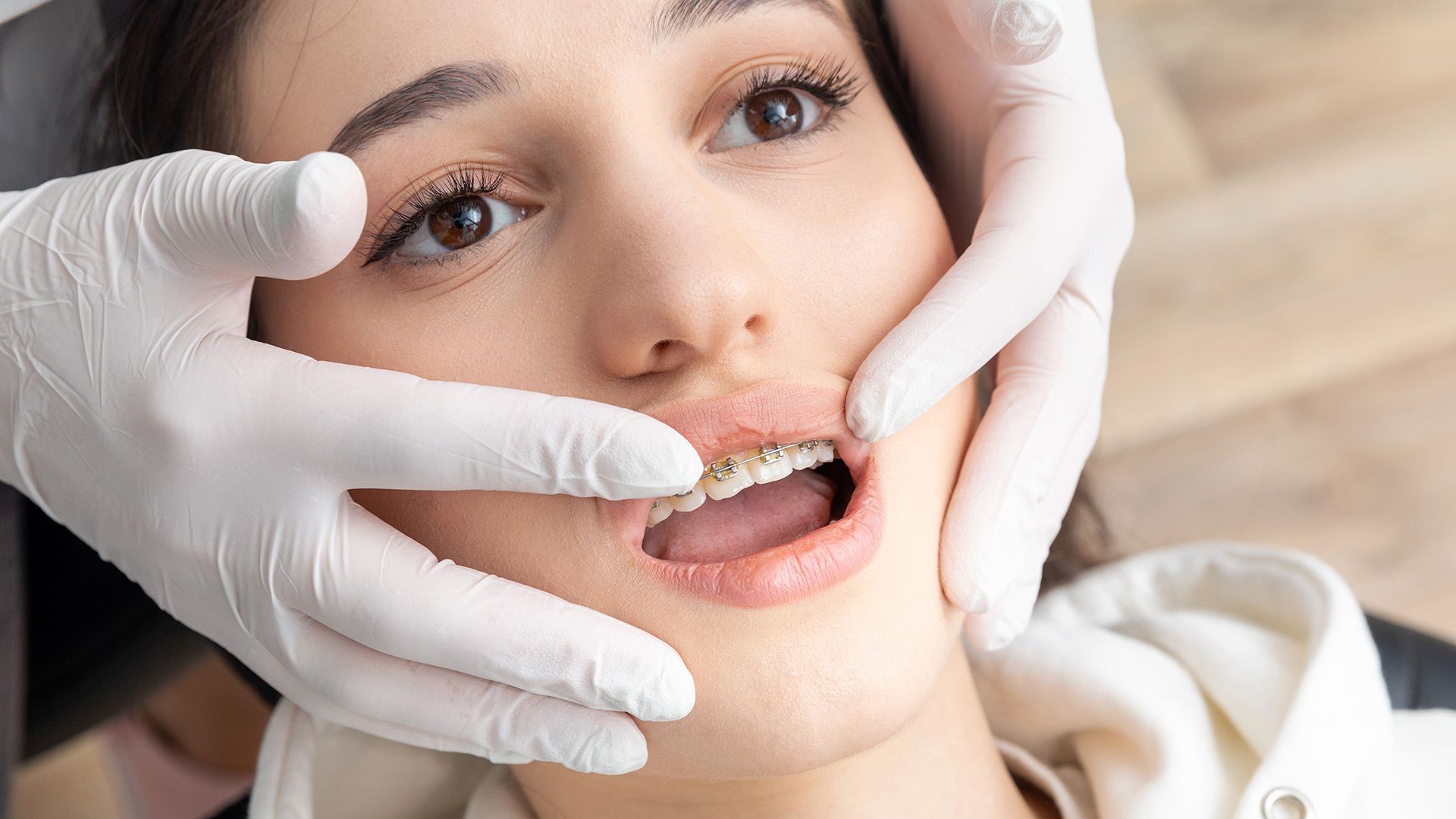
At your appointment, your clinician will examine the area, remove old adhesive, polish the enamel, and dry the teeth thoroughly. A bonding agent and composite are applied to secure the wire and then cured with a light. The team will check your bite, smooth any rough edges, and review care instructions before you leave. This type of retainer repair is typically straightforward when only one bond has come off.
In some cases, a full replacement or an updated retention plan is recommended. If detachment has happened more than once, your orthodontist may modify the wire design or bonding technique. If oral hygiene is a challenge or you prefer not to have a fixed wire, a removable retainer plan may be used instead. Many patients transition to nightly wear once stability is confirmed. Your plan will be tailored to your relapse risk, hygiene, and lifestyle.
Appointment times vary based on the repair. A single-tooth rebond can take about 20 to 40 minutes. Replacing a full wire can take around 45 to 60 minutes, particularly if multiple teeth are involved or if digital scans or impressions are needed. If you’re wondering what to do if your permanent retainer comes off and the wire is fully detached, ask about timing for permanent retainer repair and whether a temporary removable retainer should be worn.
Cost, Follow-up Care, and Prevention
Costs depend on the type of repair, materials, and whether a new wire is required. Rebonding a single tooth is generally less costly than a full replacement. If you have orthodontic insurance, ask whether fixed retainer repairs or replacements are considered post-treatment services and whether deductibles, co-pays, or preauthorization apply.
After repair, these habits help keep your retainer secure and your gums healthy:
- Oral hygiene: Brush along the wire with a soft-bristled brush. Floss daily using a floss threader or interdental brushes to clean under and around the wire. A water flosser can be a helpful addition.
- Food choices: Avoid biting directly into hard items like ice, hard candies, and nuts. Be cautious with sticky foods that can tug at the bond. Cut tougher foods into smaller pieces and chew slowly.
- Sports protection: Wear a well-fitted mouthguard during contact sports. If you feel the wire after an impact, call your orthodontist even if you don’t see a break.
- Routine checks: Schedule retainer checkups every 6 to 12 months, or as recommended after your repair. Bring your removable retainer so the team can confirm the fit and adjust your plan as needed.
If you notice roughness, new sensitivity, or a loose wire, contact your orthodontic office right away. Early attention typically means simpler retainer repair and less chance of movement. If your permanent retainer broke once, preventive care reduces the chance of a broken permanent retainer happening again.
Frequently Asked Questions
What should I do if the wire is completely off? Place orthodontic wax on any sharp spots and store the wire in a clean container or bag. Do not try to reattach it yourself. Call your orthodontist for an urgent appointment and ask whether to wear a removable retainer in the meantime. If you’re unsure what to do if your permanent retainer comes off, request instructions for temporary retention until permanent retainer repair is completed.
Can I cut the wire at home? No. Cutting can injure soft tissues, damage enamel, and complicate the repair. Cover sharp areas with wax and seek care promptly. Avoid DIY approaches for any broken permanent retainer or when a permanent retainer broke unexpectedly.
Is it okay to eat normally until my appointment? Choose soft foods and avoid anything hard, crunchy, or sticky. This prevents further breakage and irritation.
Will I need new scans or impressions? If the wire is being replaced or redesigned, your orthodontist may take digital scans or impressions to ensure an ideal fit. Simple rebonding often doesn’t require new records.
How long should I wear my removable retainer if my fixed retainer is off? Your orthodontist may recommend increased wear, often full-time except for eating and brushing, until the fixed retainer is repaired or replaced, especially if you recently completed treatment or have a history of crowding.
Can I switch from a fixed retainer to a removable one permanently? Many patients maintain results with nightly removable retainers. Your orthodontist will consider your relapse risk, hygiene, and preferences to design a plan that keeps your teeth stable long term.
Need Help Now?
If your permanent retainer has come off or feels loose, don’t wait. Call your orthodontic office for prompt guidance and care. Whether you need immediate retainer repair, have a broken permanent retainer, or your permanent retainer broke during eating or
sports, professional advice will help you protect your alignment, relieve irritation, and get your retainer working again as quickly as possible. Keep this guide handy so you know exactly what to do if your permanent retainer comes off and how permanent retainer repair is typically managed.