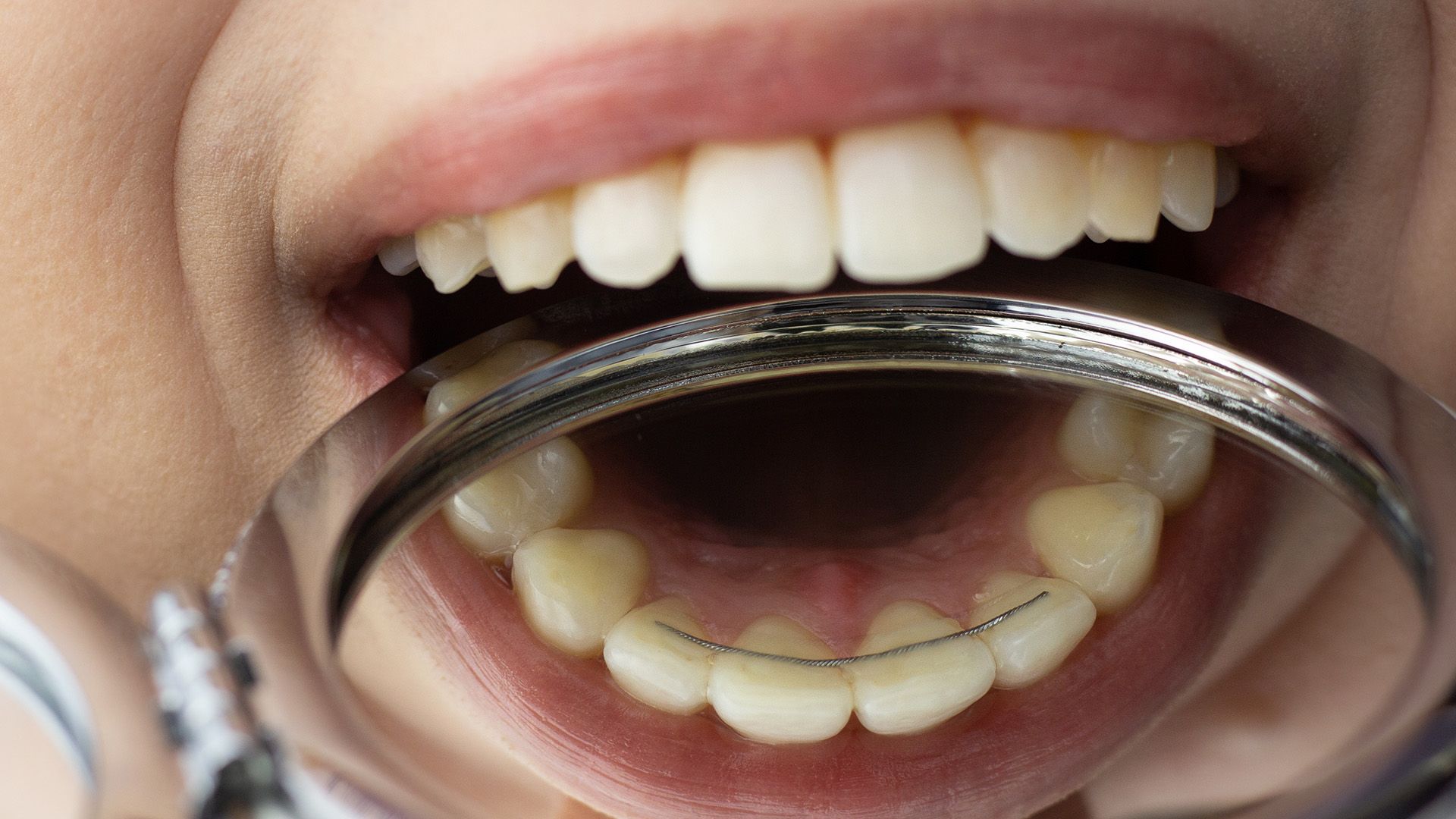
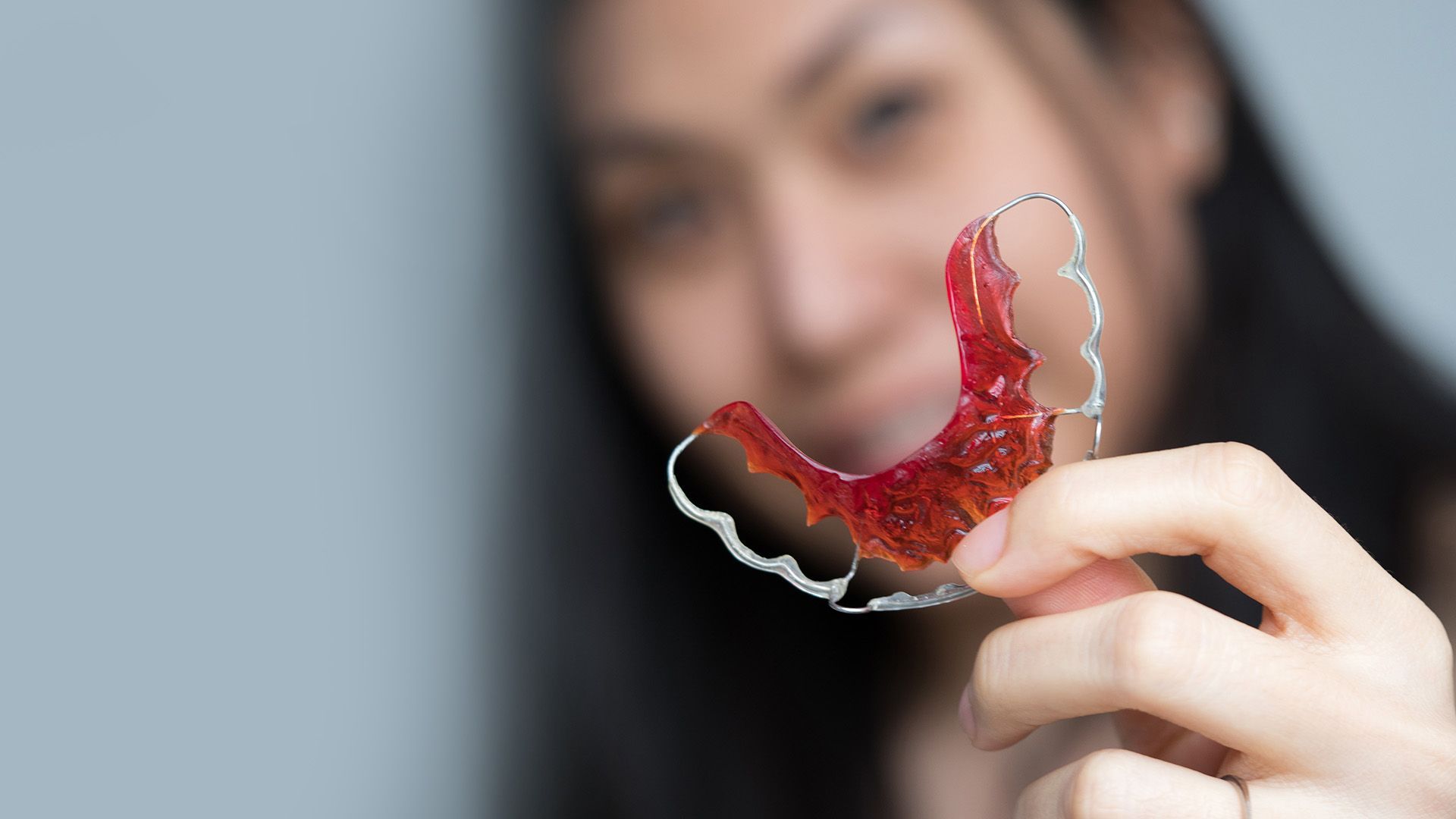
How to Tell If Your Bite Is Not Aligned
A misaligned bite can affect more than just your smile. It can change how you chew and speak and how your jaw joints feel day to day. This guide explains what to look for at home, what dental professionals evaluate, and the steps to take if you notice symptoms. Early evaluation can prevent wear, reduce discomfort, and support long-term oral health. Act early and protect your teeth, gums, and jaw joints.
What a Misaligned Bite Means and Why It Matters
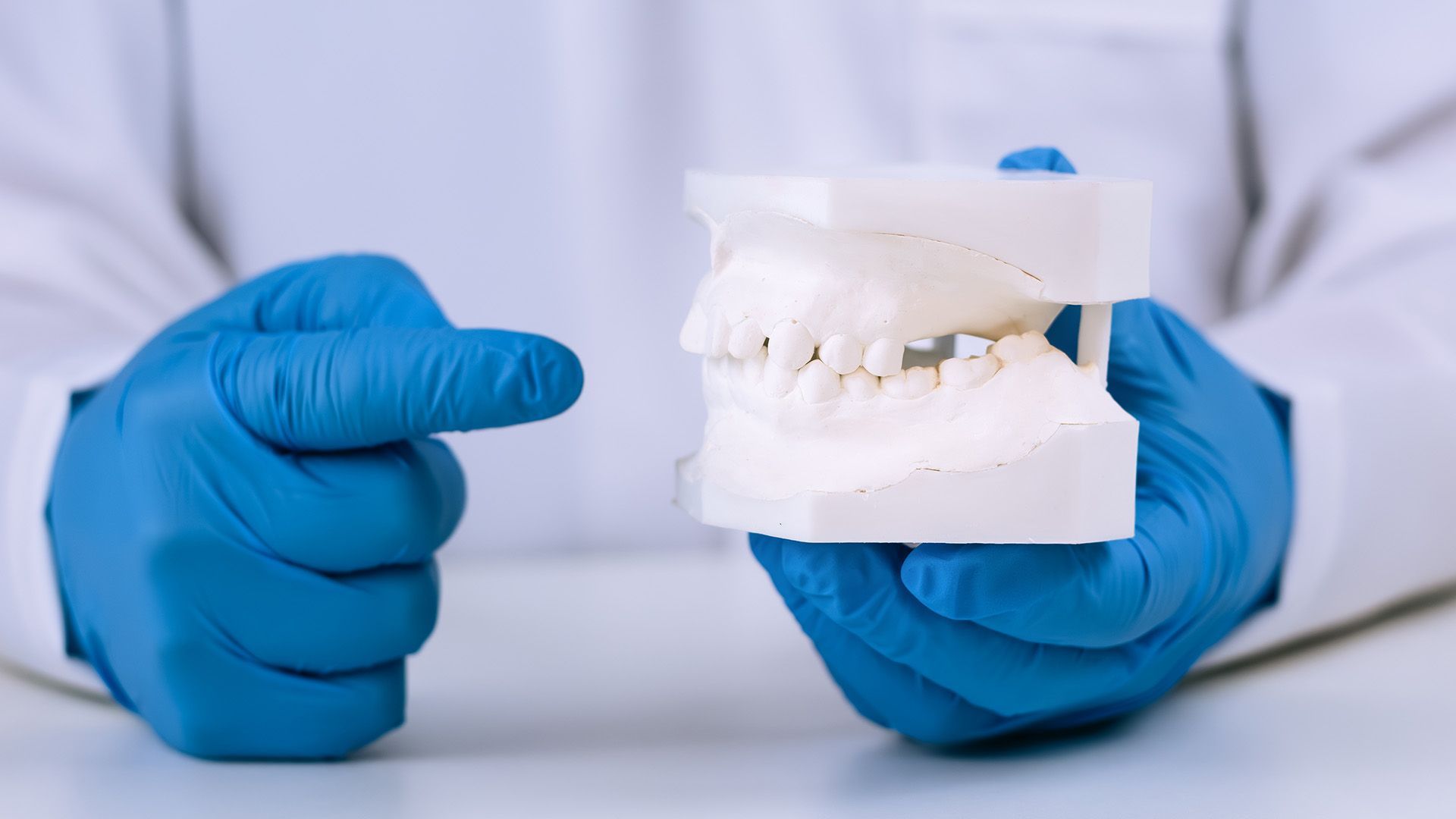
A misaligned bite, or malocclusion, occurs when your upper and lower teeth do not meet properly. Common patterns include:
- Overbite: Upper front teeth significantly overlap the lower front teeth.
- Underbite: Lower front teeth sit ahead of the upper front teeth when you bite down.
- Crossbite: Upper teeth sit inside lower teeth on one side or in specific areas.
- Open bite: Front or back teeth do not touch when the back teeth are together, leaving an opening.
- Crowding or spacing: Teeth are too close together or have gaps that change how they fit.
Why it matters: Bite problems can lead to uneven wear, chipping, and tooth sensitivity. They may strain the jaw joints (TMJ), causing clicking, popping, soreness, or headaches. An imbalanced bite can make chewing less efficient, sometimes contributing to digestive discomfort. In some cases, misalignment affects speech sounds or leads to a lisp. Over time, these issues can influence sleep quality, posture, and overall well-being.
When to seek help: If you notice ongoing discomfort, chewing or speech difficulties, visible tooth position changes, or a shift in how your teeth meet, schedule a professional evaluation. If signs are mild and not bothersome, you can monitor at home, but routine dental checkups are essential to catch early changes.
Common Signs You Can Spot at Home
Recognizing bite issues early often starts with what you see and feel. Pay attention to:
- Visible alignment concerns: Teeth that look crowded or uneven, gaps that appear new or seem wider, or front teeth that do not meet when you bite down. Notice if one side of your back teeth touches before the other or if your lower jaw shifts to one side as you close.
- Functional clues: Trouble chewing certain foods, frequently biting your cheeks or tongue, or difficulty pronouncing certain sounds. You may also notice that snapping your teeth together feels off or that your jaw searches for a comfortable position.
- Habit and comfort indicators: Morning jaw soreness, clenching or grinding (bruxism), tension headaches, ear pain without an ear infection, or persistent jaw stiffness. These may indicate your bite is placing extra strain on muscles and joints.
These at-home signs provide a useful starting point. Track changes over time so you can share accurate details with your dental professional.
Dental and Facial Clues Your Dentist or Orthodontist Will Look For
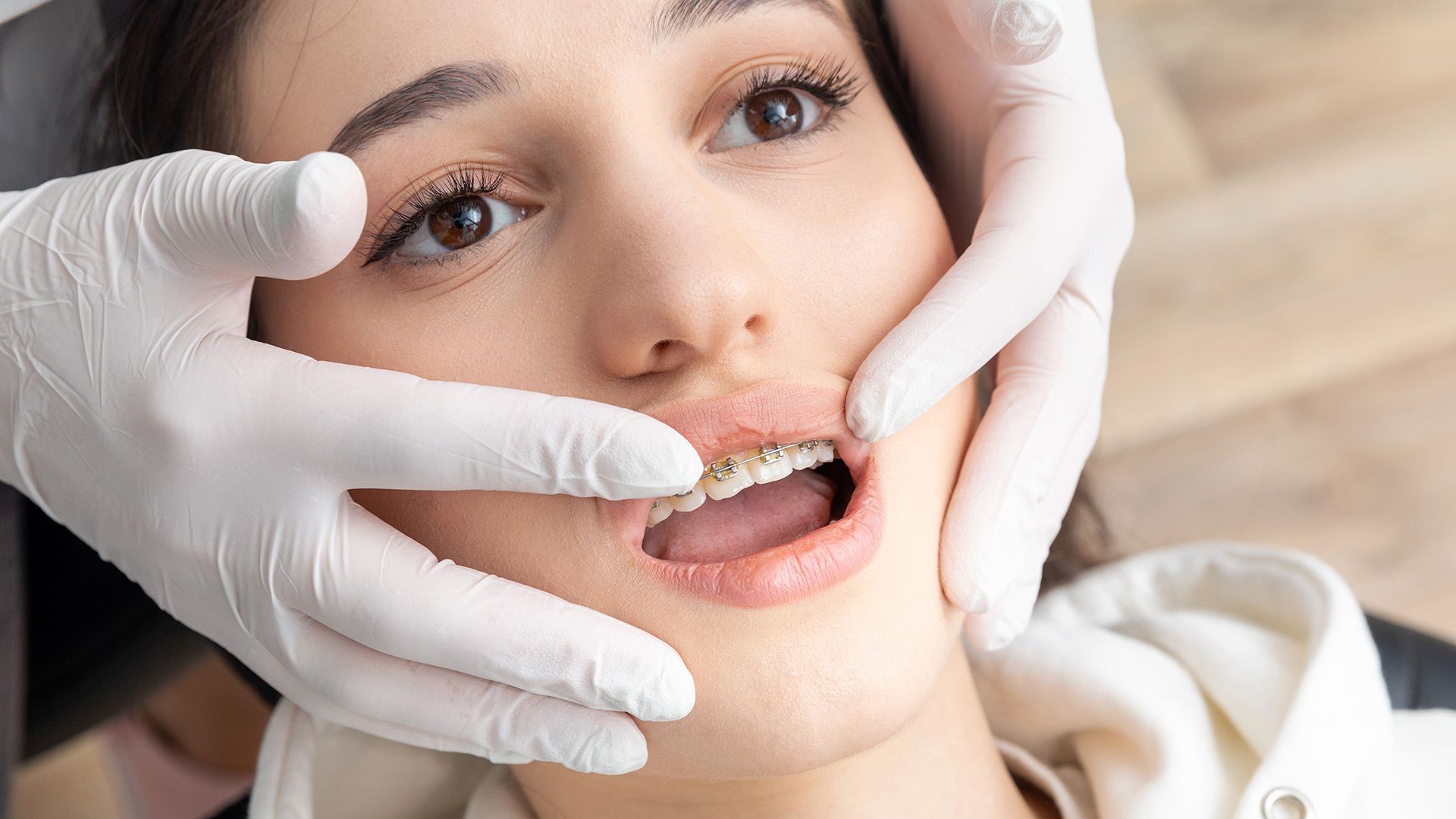
During an exam, your provider evaluates both appearance and function to support long-term health:
- Tooth and gum indicators: Uneven wear facets, flattened or chipped edges, notches near the gumline, temperature sensitivity, and gum recession linked to traumatic occlusion. They also check for fractured fillings or crowns caused by excessive bite forces.
- Jaw joint and muscle assessment: Clicking or popping when opening or closing, limited opening range, jaw deviation on opening, tenderness in the jaw muscles, and asymmetry in how the jaw moves from side to side.
- Diagnostic tools: Clinical photographs, digital scans or dental impressions, and radiographs to assess tooth roots and jaw structure. Bite tests using articulating paper or digital sensors help map where teeth contact and whether specific areas are overloaded.
At-Home Self-Checks and When to Document Symptoms
Simple checks can help you track changes and communicate clearly with your provider:
- Mirror check: With teeth gently together and lips parted, look for overlapping, spaces, or teeth that meet on only one side. Compare your natural smile with a relaxed position to see if symmetry changes.
- Lips-closed bite test: Close your lips lightly and swallow. Then bring your teeth together without forcing. Notice if one side touches first, if your jaw shifts, or if any teeth feel high or tender.
- Chewing observation: Chew soft, then firmer foods. Note if you favor one side, feel clicking or popping, or if chewing triggers discomfort.
How to record symptoms: Take dated photos from the front and each side with teeth together and in a natural smile. Keep notes about pain intensity, timing, and triggers, such as mornings, stress, or chewy foods. If you suspect grinding, track morning jaw soreness or use input from a sleep app or partner observations.
Red flags: Seek prompt professional care if you experience severe or worsening jaw pain, sudden changes in your bite after injury or dental work, jaw locking or inability to open fully, or any difficulty breathing or swallowing.
Treatment Options, What to Expect, and Next Steps
Most bite problems can be improved with a tailored plan. Common options include:
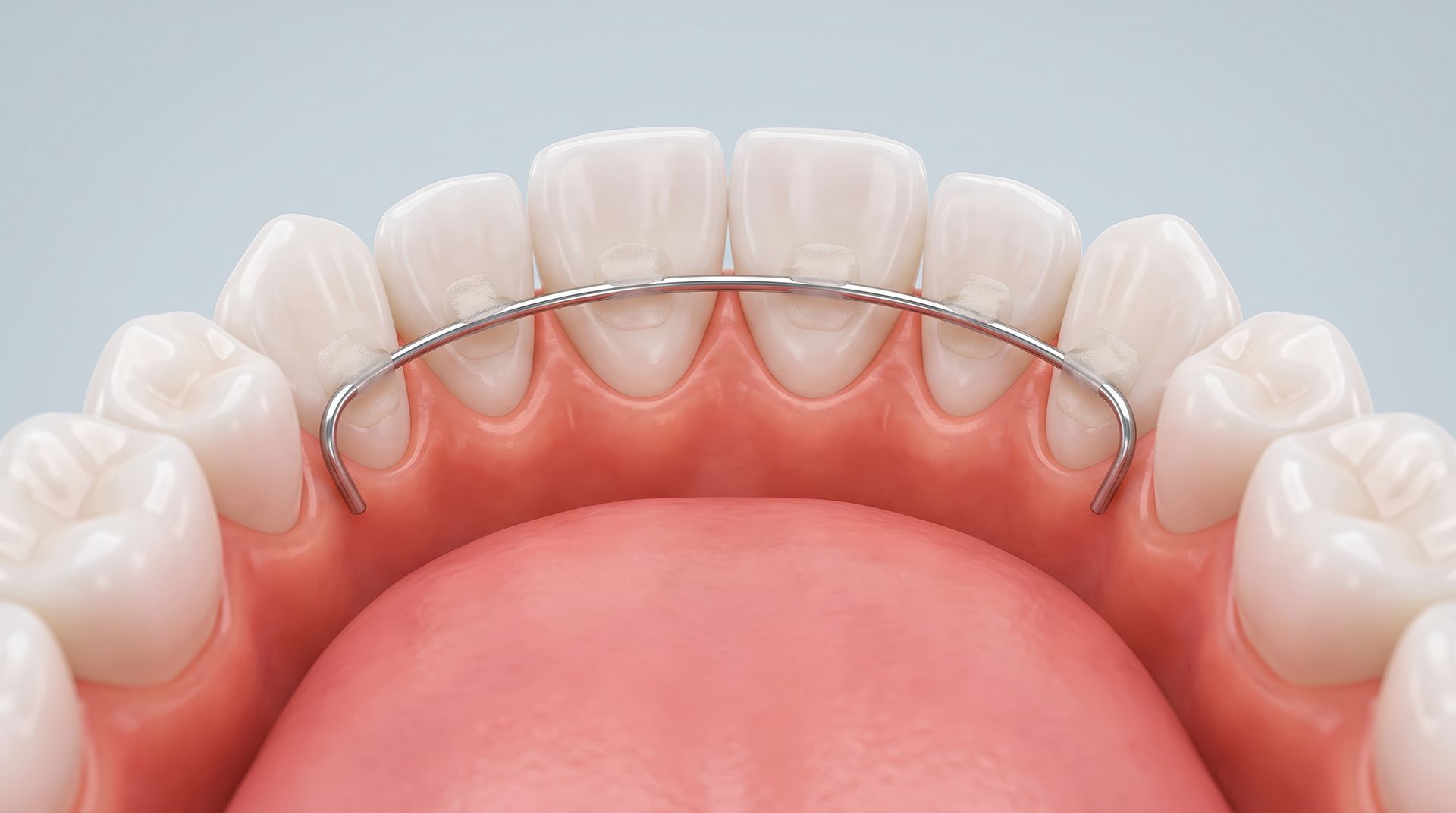
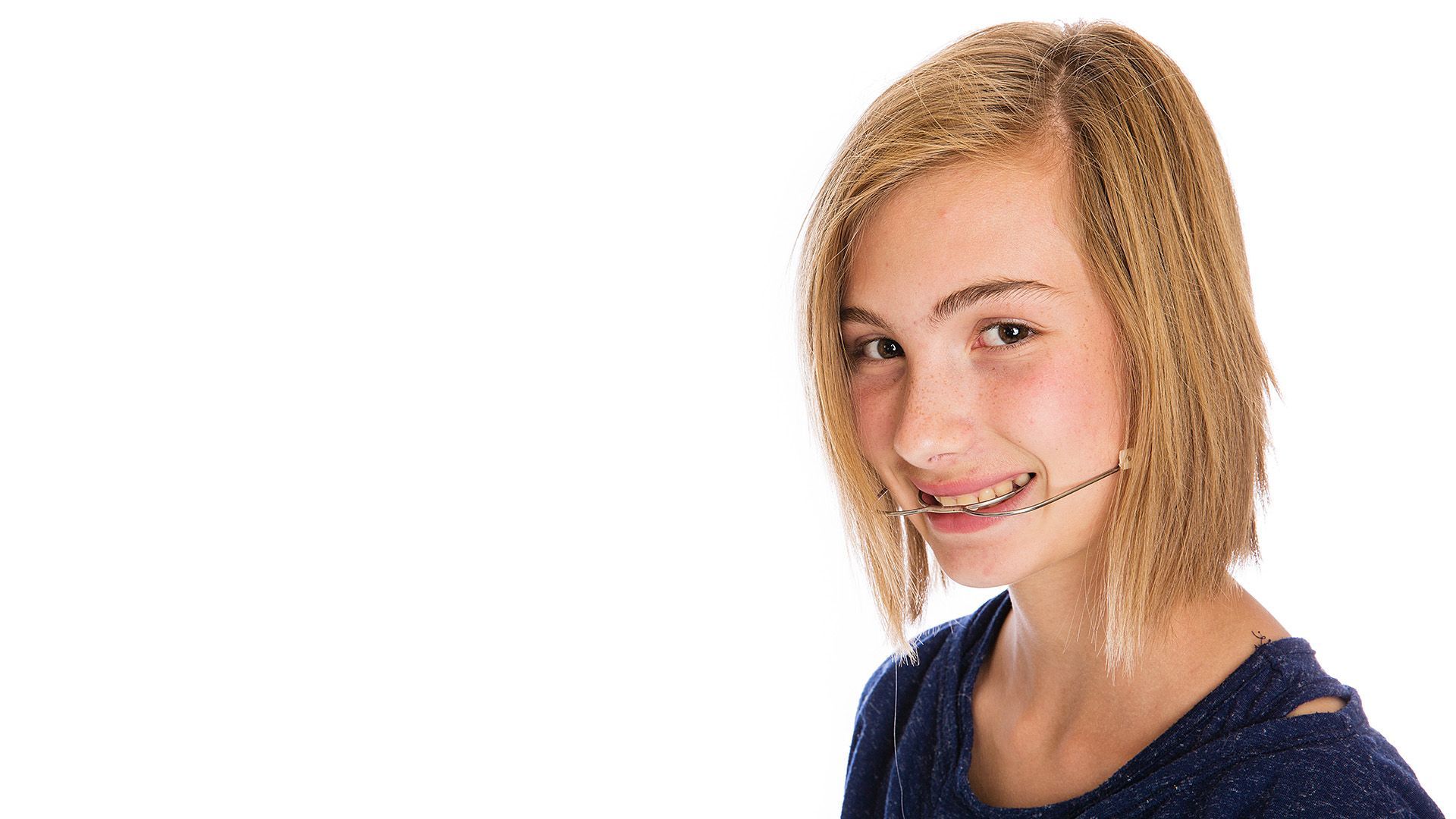
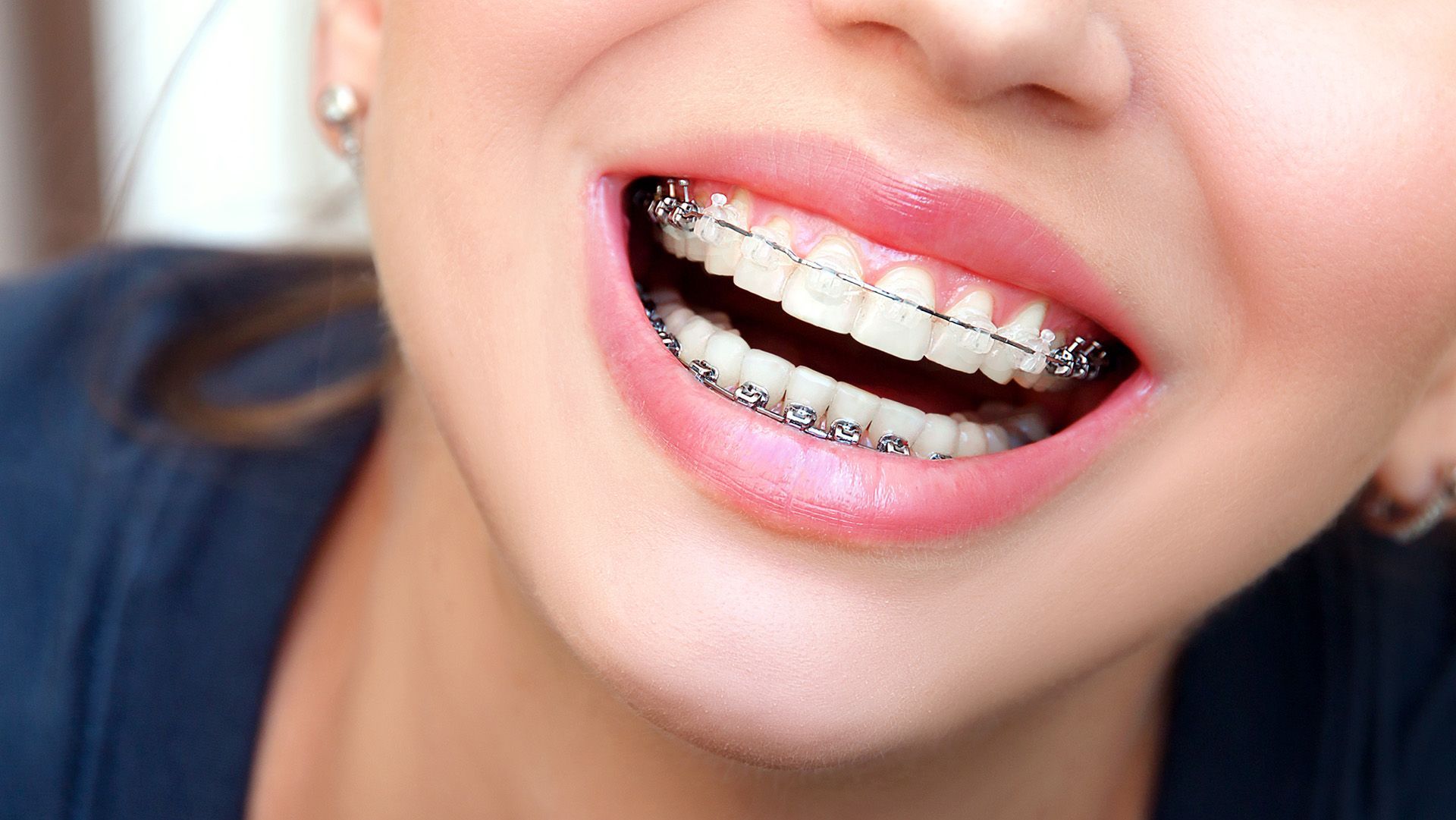
- Orthodontics: Braces or clear aligners to reposition teeth and correct overbite, underbite, crossbite, open bite, and crowding. Elastics and attachments may guide jaw and tooth relationships. Some cases benefit from expanders or early limited treatment in children.
- Bite adjustments and restorative care: Selective reshaping of high contact points, repairing worn or fractured teeth, or using crowns and bonding to restore proper contact and protect enamel.
- TMJ-focused therapies: Custom night guards or splints to manage grinding and balance forces, guided jaw exercises, physical therapy, and behavior strategies to reduce clenching. In complex skeletal cases, combined orthodontic and surgical treatment may be recommended.
What happens at an initial consultation: You will discuss symptoms and goals, followed by an exam, photographs, and digital scans or impressions. Your orthodontist evaluates tooth positions, jaw relationships, and airway considerations. You will receive a personalized plan outlining expected timelines, costs, and follow-up intervals. Progress is monitored with periodic visits and updated scans or photos to ensure your bite is moving into healthy alignment.
While you wait for evaluation: Use over-the-counter pain relief as directed by your physician, apply warm compresses to sore jaw muscles, and avoid very hard or sticky foods. A properly fitted mouth guard (night guard) can reduce grinding forces. Maintain good posture, keep your jaw relaxed with lips together and teeth apart at rest, and prioritize consistent sleep to reduce clenching triggers.
Next steps: If you suspect your bite is off, schedule a consultation with an orthodontic practice. Early assessment can shorten treatment time, reduce risks of wear and TMJ discomfort, and help you achieve a comfortable, confident smile.