Do Braces Hurt? What to Expect, How Much It Hurts, and How to Manage Discomfort
Braces guide teeth into healthier positions using gentle, steady forces. This movement can cause temporary soreness or tenderness, most often felt as pressure rather than sharp pain. Discomfort is typically greatest in the first few days after braces are placed and after routine adjustments. Some tenderness is normal and manageable. Knowing what is normal, how long it lasts, and how to ease symptoms can make treatment more comfortable from day one.

Does Getting Braces Hurt?
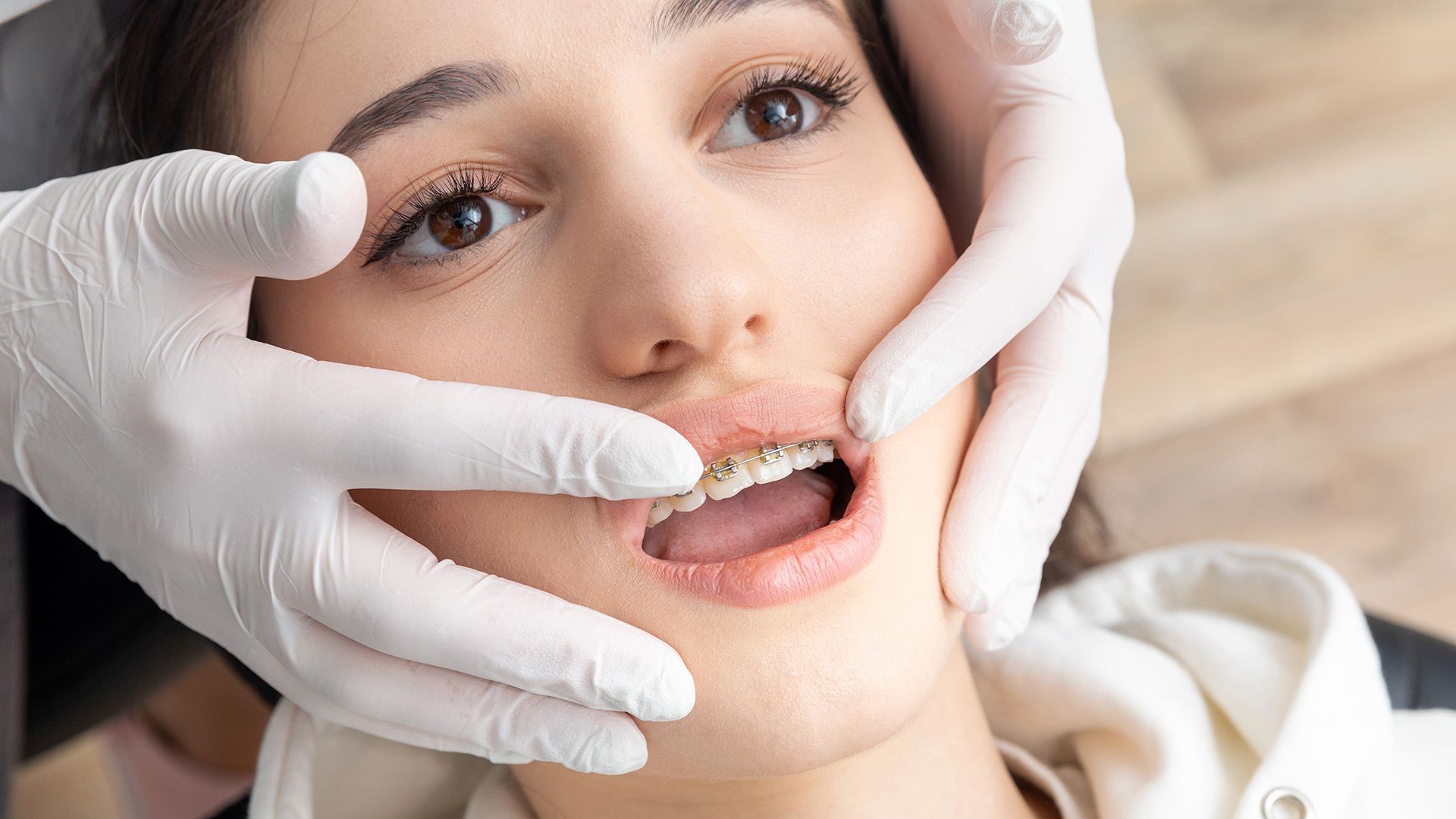
During the initial bonding appointment, your orthodontic team cleans and dries your teeth and places brackets using a safe adhesive. You may notice light pressure and the sensation of instruments in your mouth, but the process should not be painful. Molar bands, if used, can feel snug momentarily. Once the archwire is secured with small elastics, it is common to feel a tight or pressured sensation as the wire begins to engage your teeth.
Local anesthesia is rarely needed because there is no drilling or injections involved in standard bonding. For patients with a strong gag reflex or dental anxiety, simple comfort measures, short breaks, gentle placement of cheek retractors, and lip moisturizer, can help. If separators (spacers) are placed before band fitting, they may feel like a piece of food stuck between teeth for a day or two.
After braces are placed, your teeth may feel tender when you bite down, and the cheeks, lips, and tongue can be sensitive as they adjust to brackets and wires. Early aftercare includes choosing soft foods, using orthodontic wax on rough areas, and taking over-the-counter pain relievers as directed by your orthodontist. Soreness often peaks within 24 to 48 hours and then steadily improves.
Why Do Braces Hurt? Common Causes of Discomfort
Braces move teeth by applying controlled forces that stimulate the periodontal ligament and surrounding bone to remodel. This normal biological response can cause inflammation and tenderness, especially at the start of treatment and after adjustments when forces are changed.
Soft tissue irritation is another frequent source of discomfort. Brackets, hooks, or wire ends can rub on the inside of your cheeks and lips, creating sore spots until those tissues adapt. Orthodontic wax or silicone covers act as a cushion to protect irritated areas while you adjust.
Certain treatment steps can briefly intensify sensitivity, including adding or tightening archwires, placing power chains, wearing elastics, or inserting separators. Auxiliary appliances like expanders or bite turbos can temporarily alter how your teeth meet, which may lead to short-term soreness or pressure.
A Braces Pain Timeline: What to Expect Week by Week
- First 24–72 hours: Expect mild to moderate tenderness, especially with chewing. Cold foods and drinks can be soothing. Cheeks and lips may feel sensitive as they contact brackets for the first time.
- First week: Soreness usually eases significantly by days three to five. Soft tissue irritation improves as you pinpoint where wax helps most. Eating gets easier, though very hard or sticky foods may still be uncomfortable.
- First month: Most patients settle into a routine. You may have occasional irritation if a wire shifts or a bracket rubs. After an adjustment, discomfort generally follows the same pattern as the initial placement, peaking within 48 hours and then fading.
- After each adjustment: Expect renewed pressure or tenderness for one to three days, depending on the changes made. Sticking to soft foods and using home care strategies helps shorten recovery.
Everyone experiences treatment differently. Pain sensitivity, the complexity of tooth movement, appliance type, and oral habits can all affect how long and how intense soreness feels. It is normal for symptoms to ebb and flow, especially after active changes. It is not normal to have severe pain that disrupts sleep for multiple nights, persistent throbbing in one tooth, swelling, fever, pus, a bad taste, or a sharp wire that causes cuts. Call your orthodontist promptly if you notice any of these signs.
How Much Do Braces Hurt? Pain Levels and When to Call
Most patients describe braces discomfort as mild to moderate, particularly at the beginning and after adjustments. Use these general guidelines:
| Pain Level | What It Feels Like | Typical Duration | What to Do |
|---|---|---|---|
| Mild | Dull pressure, tender teeth with chewing, slight cheek or lip irritation | Common in first 24–48 hours; resolves as tissues adapt | Soft foods, wax as needed, cold foods/drinks, routine oral care |
| Moderate | Noticeable soreness that favors soft foods; irritation needing frequent wax | Typically one to three days after major changes | Over-the-counter pain relief as directed; saltwater rinses; cold compresses |
| Severe | Sharp or throbbing pain, swelling, night pain; wire or bracket causing cuts | Not typical; should be addressed promptly | Call your orthodontic office for evaluation and adjustment |
Red flags include severe pain persisting beyond three days, gum or facial swelling, fever, foul taste or drainage, loose or broken parts causing injury, or a wire that cannot be covered with wax. Contact your orthodontic team right away. At your visit, they may trim a wire, replace a bracket, adjust forces, evaluate your bite, or coordinate with your dentist if a tooth-specific issue is suspected.
How to Relieve Braces Pain: Home Care and In-Office Help
Simple strategies at home can make the first days and post-adjustment periods much easier. Try the following:
- Over-the-counter pain relief: Use acetaminophen or ibuprofen as directed by your orthodontist and the medication label. If you have medical conditions or take other medications, check with your healthcare provider first.
- Cold therapy: Apply a cold compress to the outside of your cheek. Choose cold, soft foods like yogurt, smoothies, cottage cheese, or sugar-free ice pops to reduce inflammation and numb tender areas.
- Saltwater rinses: Dissolve 1/2 teaspoon of salt in 8 ounces of warm water and swish gently for 30 seconds, up to a few times per day, to soothe irritated tissues.
- Soft foods: Focus on eggs, oatmeal, pasta, mashed potatoes, soups, steamed vegetables, soft fruits, and tender proteins. Avoid hard, sticky, or very chewy foods that stress brackets and wires.
- Orthodontic wax and silicone: Place a small ball of wax over brackets or hooks that rub. Silicone covers or lip protectors can be helpful during the first week and for sports. Reapply as needed and remove before brushing.
- Topical gels and rinses: Alcohol-free mouth rinses and benzocaine-free soothing gels can calm soft tissue irritation. Use as directed.
- Oral hygiene: Brush gently with a soft-bristled brush and use interdental brushes or a water flosser to control plaque. Cleaner tissues heal faster and feel better.
If these measures are not enough, your orthodontic office can help. Call if a wire is poking, a bracket is loose, or pain seems beyond what is expected. The team can clip or tuck wires, replace attachments, smooth rough edges, and adjust forces to improve comfort. They can also review how to wear elastics, use expanders, or manage bite turbos correctly to avoid unnecessary soreness.
Frequently Asked Questions About Braces and Pain
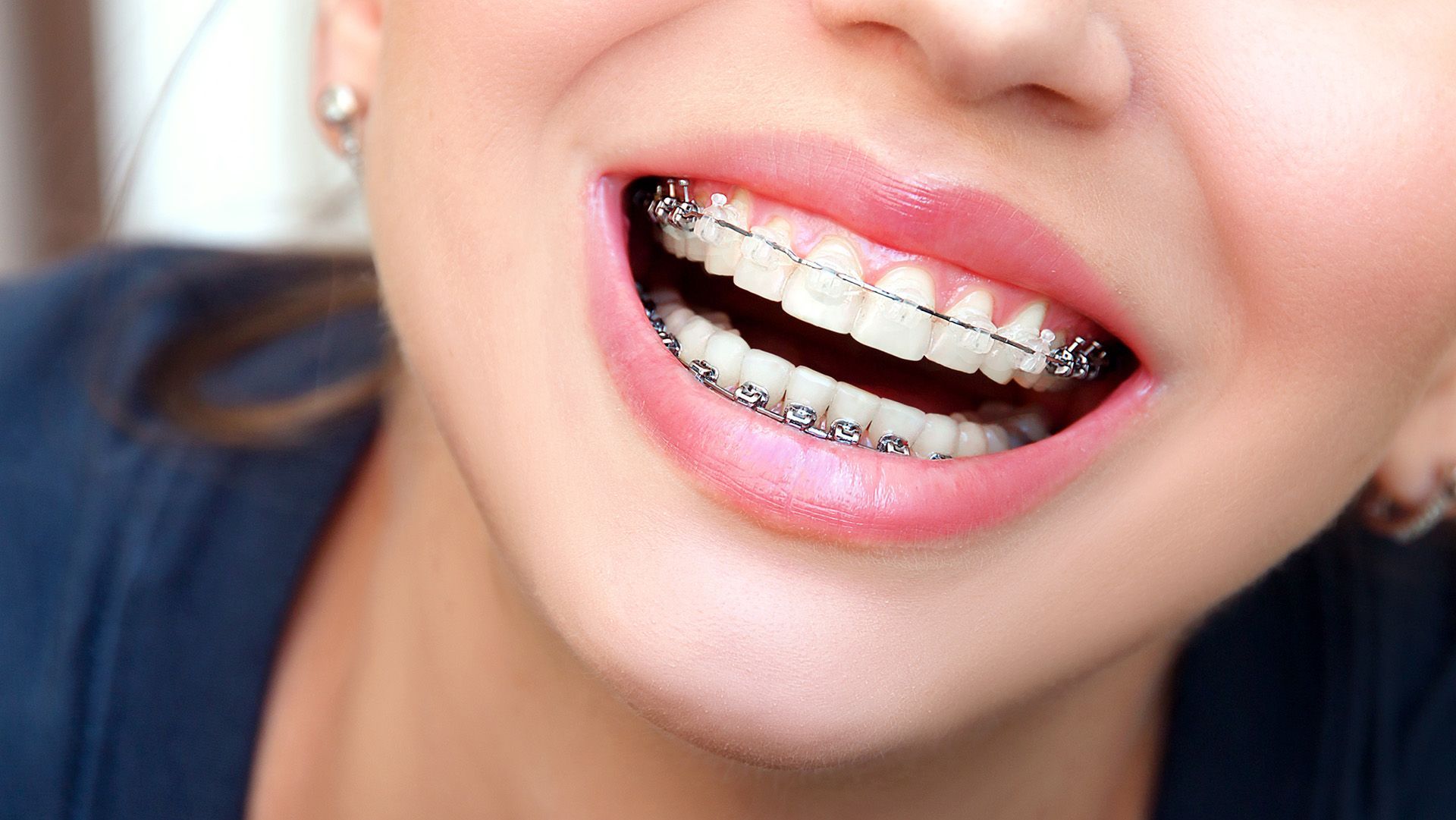
- Do clear braces or metal braces hurt more? Comfort is similar across types. Early soreness and post-adjustment pressure are comparable, though the feel of brackets against cheeks can vary slightly by design.
- Do elastics make braces hurt more? Elastics add gentle force and can increase tenderness for a day or two. Consistent wear helps your mouth adapt faster.
- Can I exercise after getting braces? Yes. Light exercise is fine. If your mouth feels sore, opt for low-impact activities for a couple of days.
- Do braces pain levels mean treatment is working? Feeling some pressure after adjustments is normal, but lack of pain does not mean braces are not working. Tooth movement occurs with or without noticeable soreness.
- What if I develop canker sores? Use orthodontic wax to cover rubbing areas, rinse with warm saltwater, and consider an alcohol-free protective mouth rinse. Most sores improve within a week.
- Do braces hurt more with certain foods? Hard, sticky, or very chewy foods can increase tenderness and risk of irritation. Choosing soft foods during sore periods helps reduce discomfort.
Removing Braces and Long-Term Comfort: What to Expect
Debonding, or removing braces, is usually quick and comfortable. You will feel gentle pressure as brackets are released and adhesive is polished off the enamel. Some people notice brief sensitivity to air or cool water during cleanup, which fades quickly.
After removal, teeth and gums may be slightly sensitive for a day or two. Avoid very hard or extremely hot or cold foods right away. Keep brushing and flossing thoroughly to support healthy tissues. With brackets gone, soft tissue irritation typically resolves immediately.
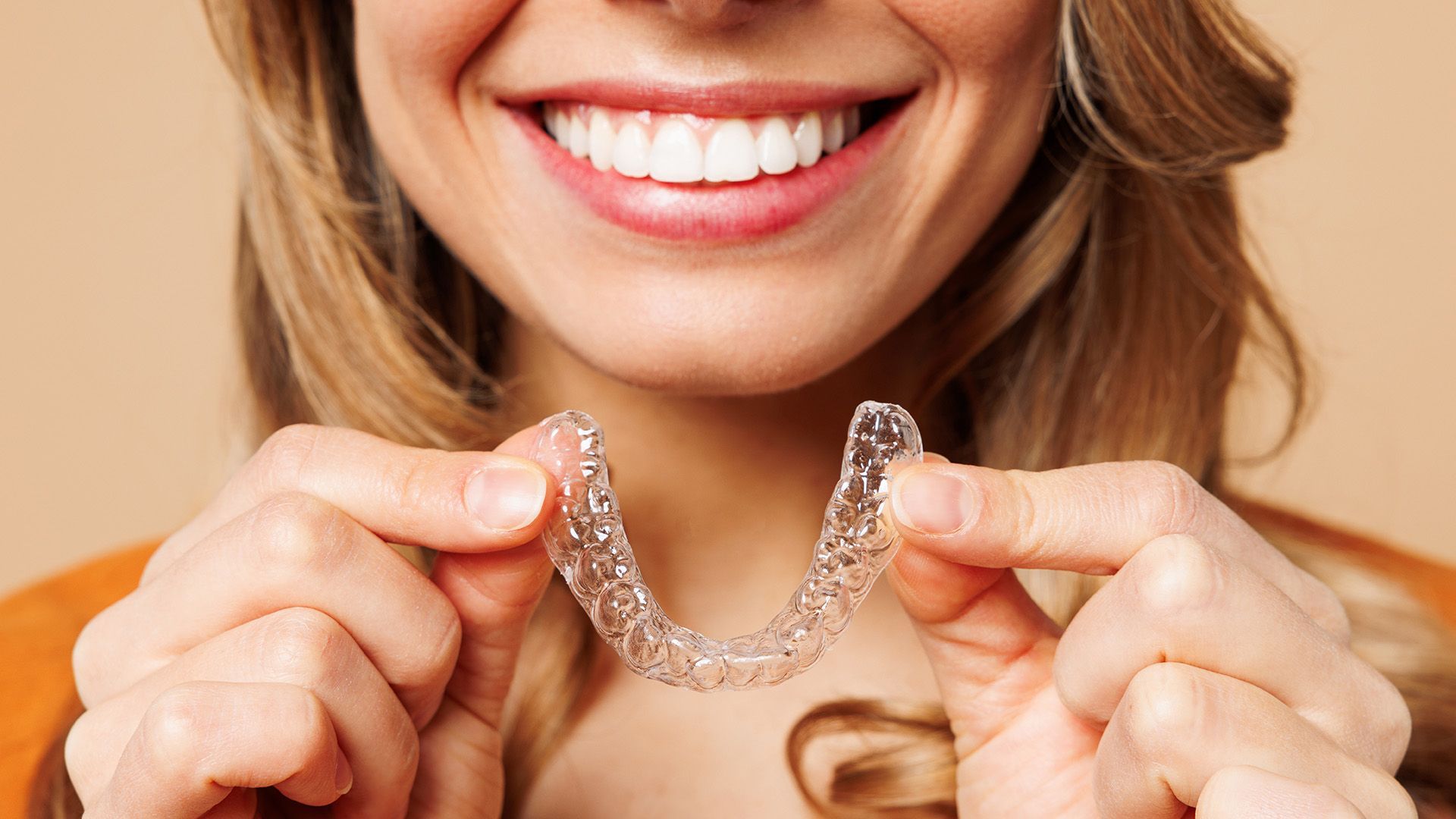
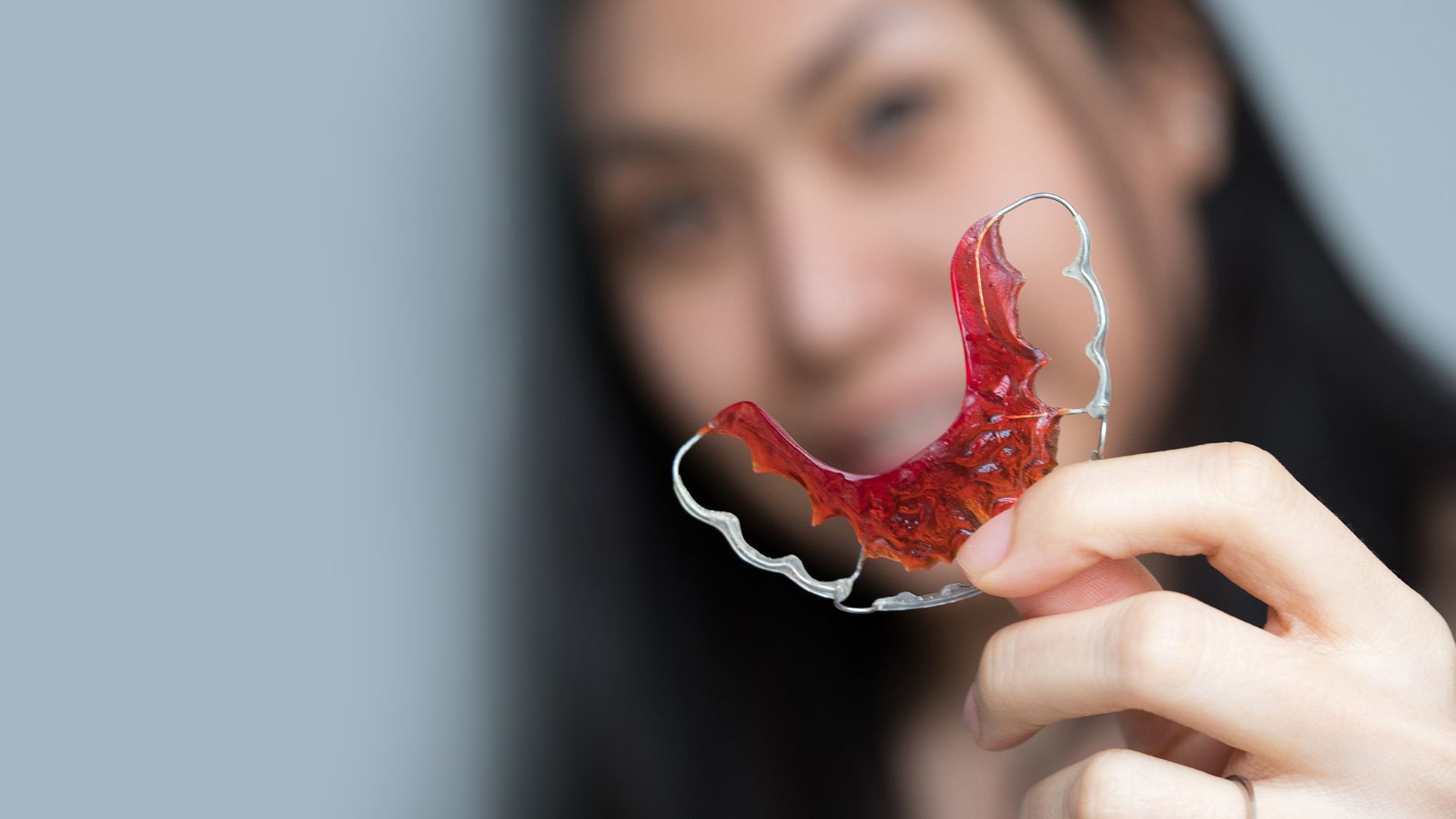
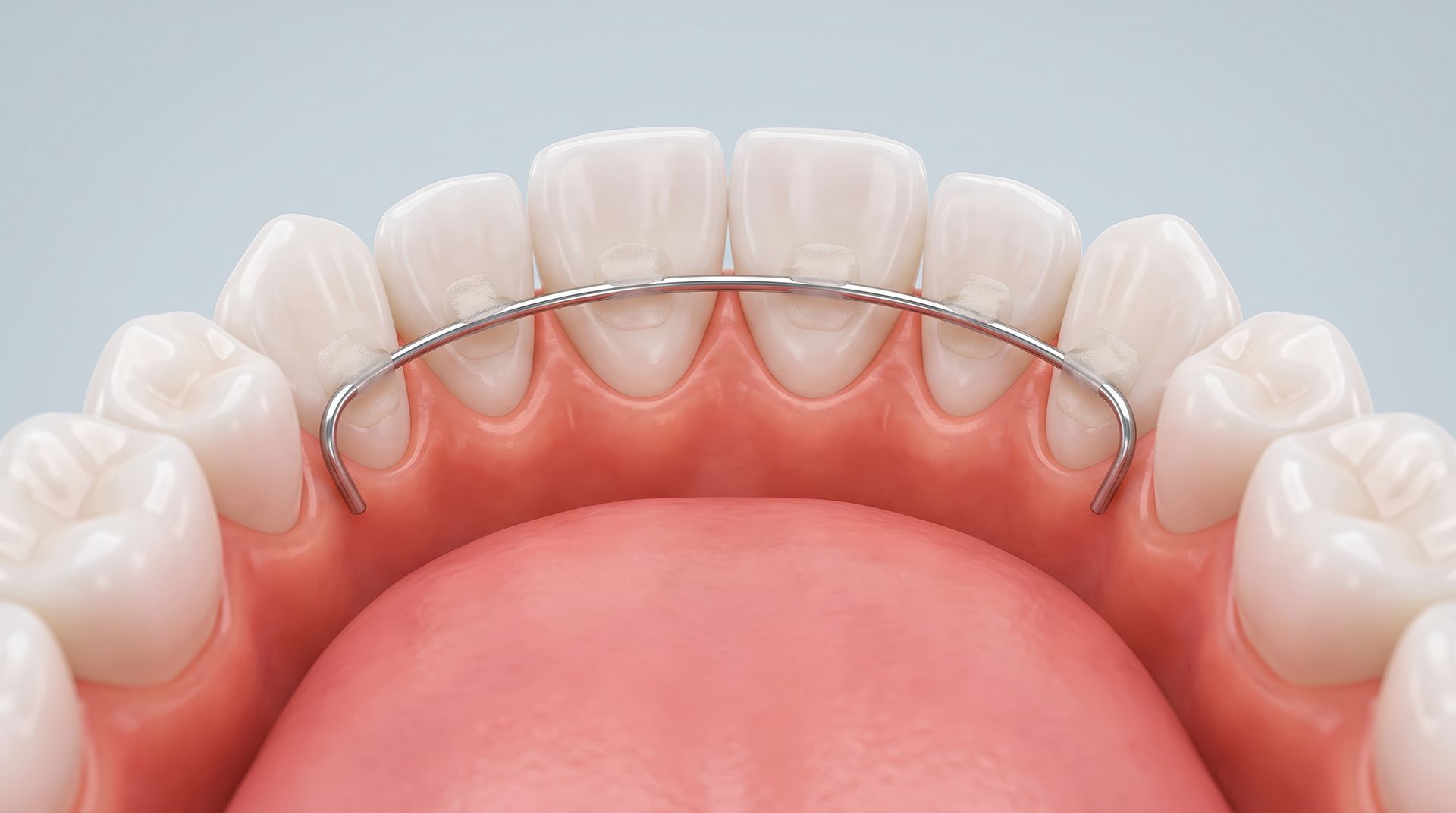
Retainers are essential to maintaining your new alignment. Your orthodontist will provide fixed or removable retainers and instructions on wear time. Mild pressure from a new retainer is normal for the first few days. Consistent wear stabilizes teeth and prevents relapse, helping you keep a comfortable, healthy bite. Regular follow-ups allow your team to check the fit, make adjustments, and protect your long-term results. After removal and during retainer wear, expect only mild, short-lived pressure as your mouth adapts.