What to Know About Invisalign: A Complete Patient Guide
Thinking about Invisalign? This guide covers how clear aligners straighten teeth, what day-to-day wear looks like, ways to stay comfortable, expected costs, care tips, and life after treatment. Whether you are comparing options or ready to begin, you will find practical, patient-friendly information to help you feel confident from consultation to retainers. Here we will cover what to know about Invisalign before you start to help you make informed decisions.
How Invisalign Works
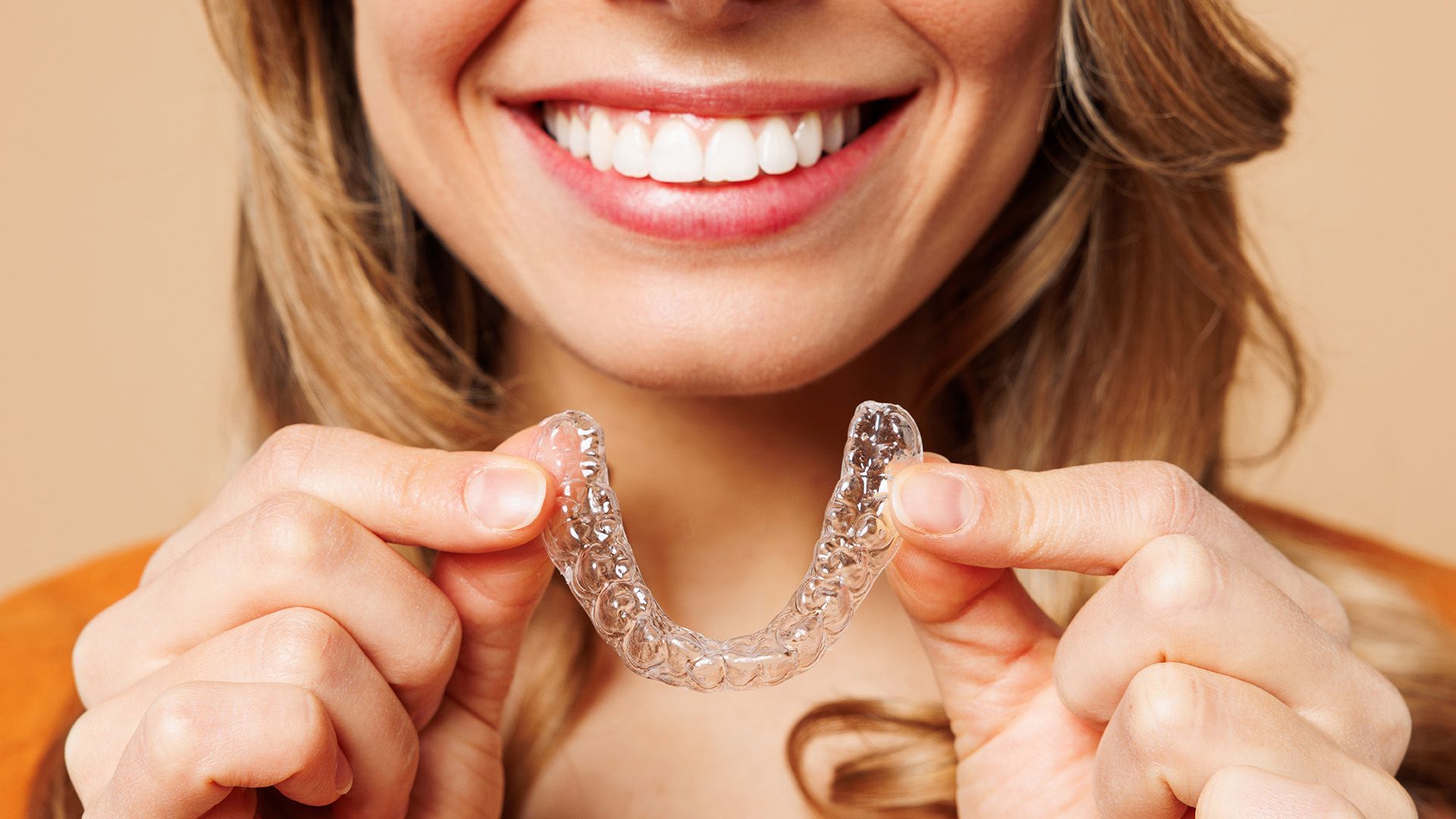
Invisalign uses a series of custom clear aligners to gently shift teeth into their planned positions. Each set applies precise, controlled forces to move teeth in small increments. Movements are sequenced so that each aligner builds on the last, guiding you toward your final result.
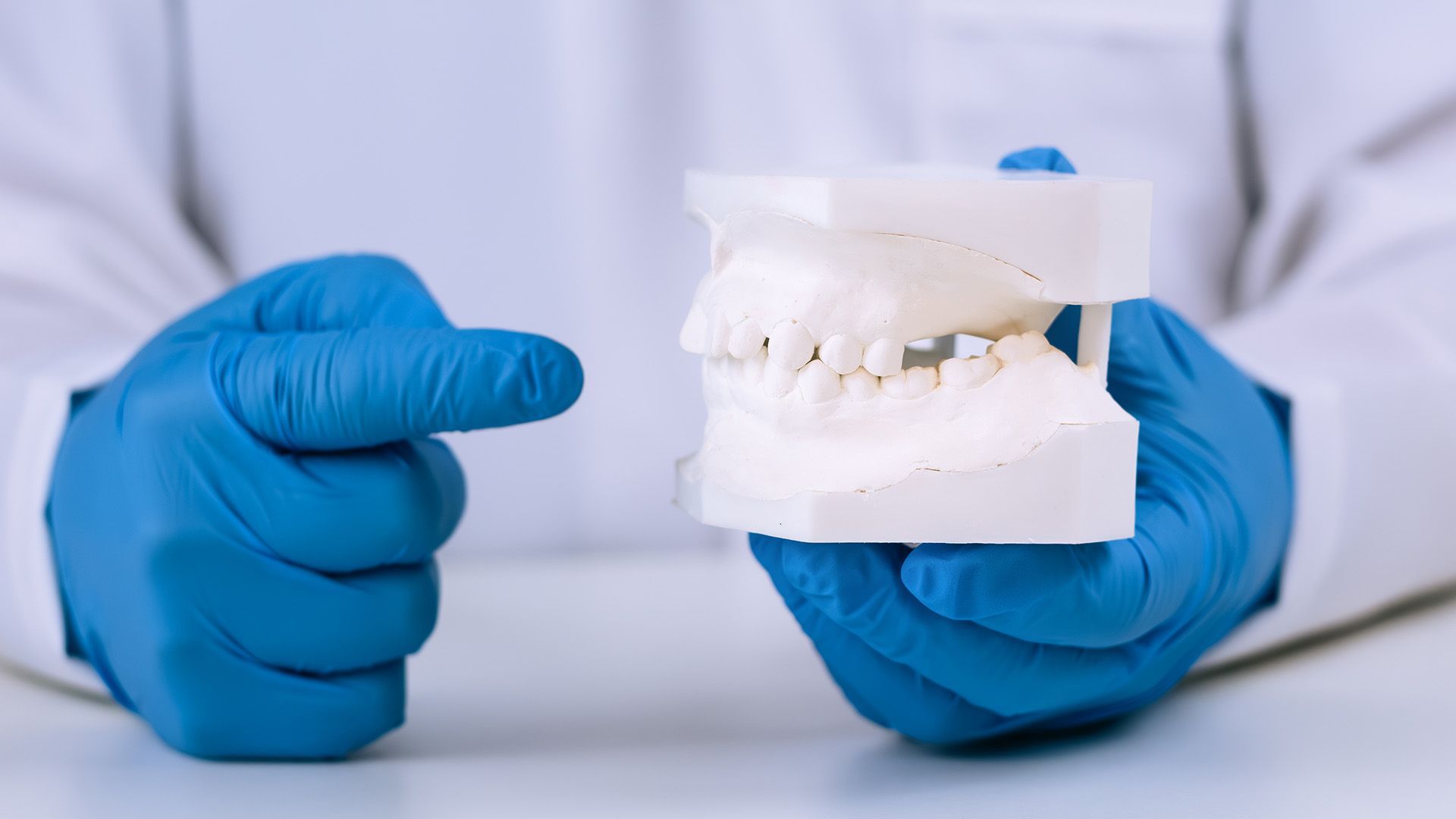
Your first visit usually includes a comprehensive exam, digital scans, photos, and X-rays. These records create a 3D model of your bite, allowing your orthodontist to design a detailed digital treatment plan. You will preview a simulated outcome and see how each stage of movement is scheduled.
Most patients wear each aligner for 1 to 2 weeks before advancing to the next. Total treatment time depends on your case, often 6 to 18 months. Check-ins are typically every 6 to 10 weeks to monitor progress and make any necessary adjustments. Small, tooth-colored attachments may be bonded to certain teeth to help aligners grip and move them more effectively. These are common, discreet, and removed when treatment ends. Steady, consistent wear drives predictable outcomes.
Wearing Your Aligners: Daily Life and Compliance
Consistent wear is the key to predictable results. Plan on 20 to 22 hours of daily wear, removing aligners only to eat, drink anything besides plain water, and to brush or floss. Skipping wear time can slow progress or cause aligners to feel too tight at the next change.
Speech may feel different during the first few days, and a slight lisp is common. This usually fades quickly as your tongue adapts. Reading aloud, staying hydrated, and keeping aligners in place helps you adjust faster.
- Carry a protective case to store aligners during meals and snacks.
- Rinse aligners with cool water when removing and before reinserting.
- Brush after meals or at least rinse your mouth to keep aligners clear and odor-free.
- Use phone reminders or calendar alerts to switch aligners on schedule.
- Seat aligners fully with gentle pressure or chewies if provided.
Comfort, Side Effects, and Managing Discomfort
It is normal to feel mild pressure or soreness for a day or two with a new set. This sensation means your aligners are working. Some patients notice teeth feel slightly loose during movement; that is expected with orthodontic treatment. Aligners should feel snug but not painful.
Less common issues include irritation from an aligner edge or a tray that does not seat fully. Minor rough spots can often be smoothed carefully with an emery board. If irritation continues, reach out to your orthodontist. Do not force an aligner that cracks or will not fit, contact the office for guidance or a replacement.
- Switch to a new aligner at night so initial pressure occurs while you sleep.
- Use over-the-counter pain relievers as directed during the first day if needed.
- Apply orthodontic wax to any sharp edges that rub your cheeks or gums.
- Use chewies or prescribed seating aids to ensure a proper fit.
- Call your orthodontist if you experience severe pain, frequent attachment loss, or an aligner that will not fit even with consistent wear.
Costs, Maintenance, and What Happens After Treatment
Invisalign costs vary with case complexity, treatment length, and the need for refinements. Many practices offer flexible payment options, including monthly plans and the use of HSA or FSA funds. Orthodontic insurance may cover part of the cost. Your treatment fee typically includes the initial exam, digital records, aligners, scheduled visits, and a set of retainers at the end. Replacement fees may apply for lost or damaged aligners.
Keeping Aligners and Teeth Clean
- Brush your teeth after meals and before reinserting aligners.
- Clean aligners daily with a soft toothbrush and clear, unscented soap or a recommended cleaning solution.
- Avoid hot water, abrasive toothpaste, and colored mouthwashes that can warp or stain trays.
- Store aligners in their case whenever they are not in your mouth.
After Active Treatment: Retainers and Long-Term Care
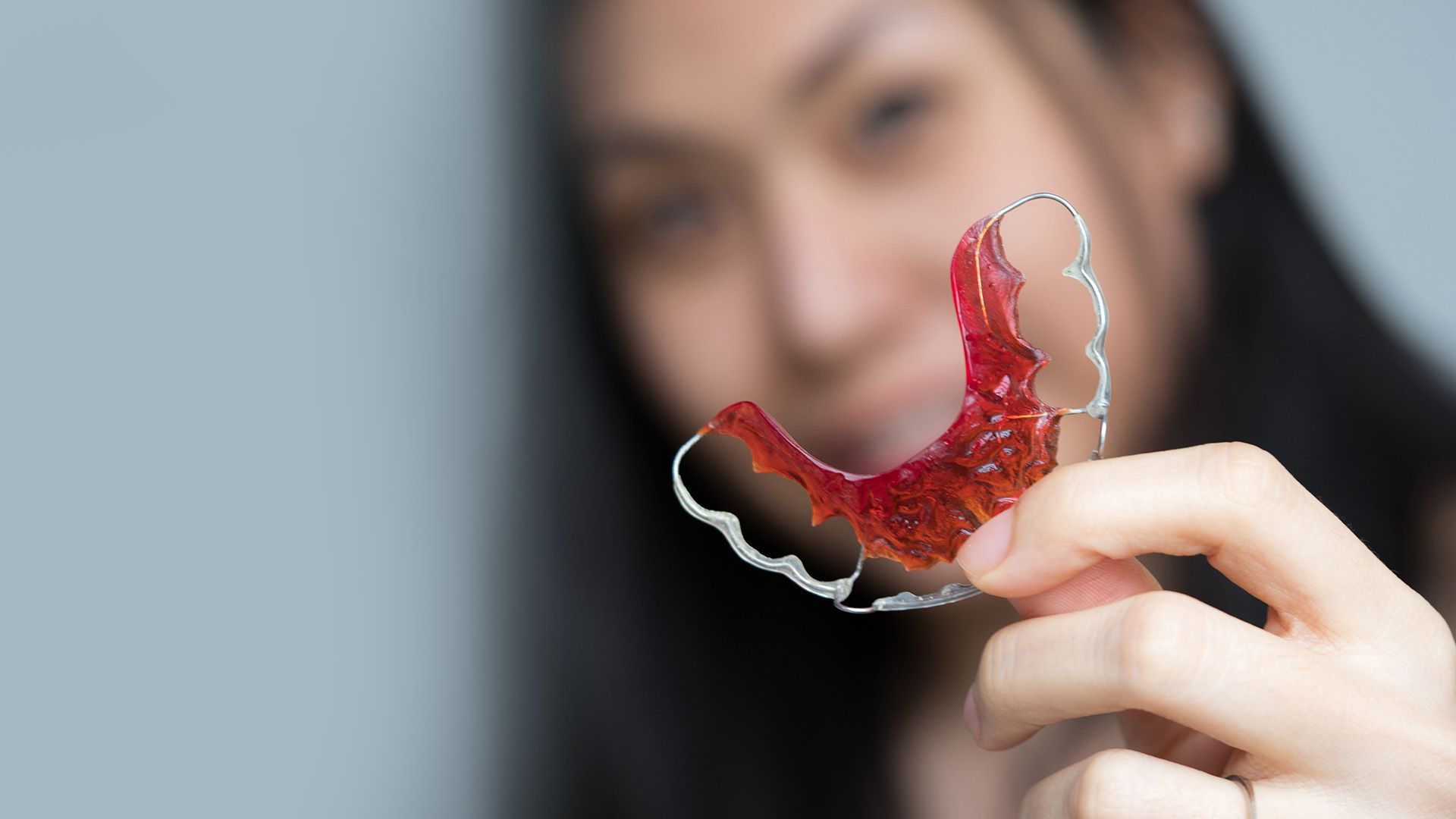
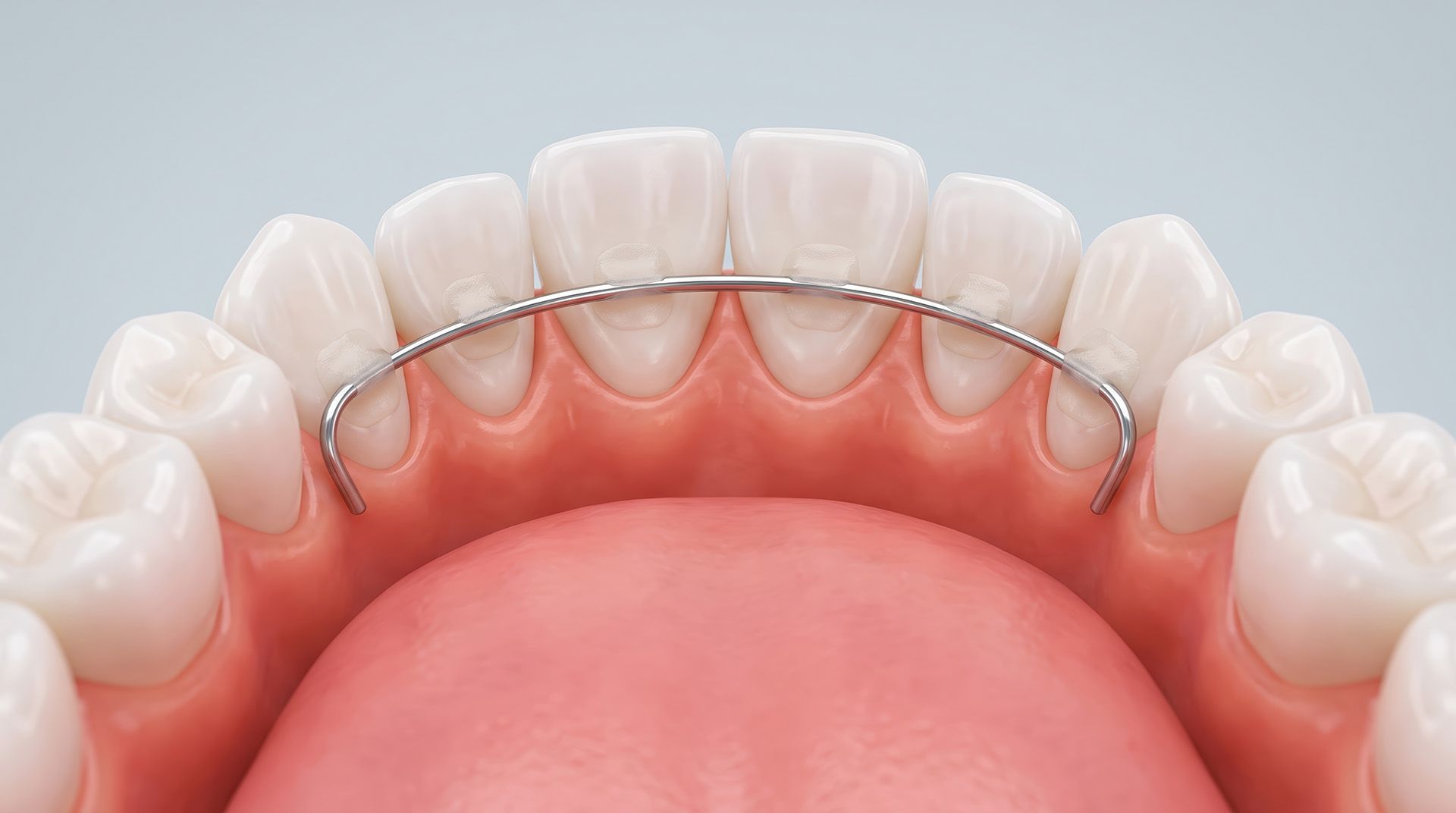
When you finish your aligner series, you will transition to retainers to maintain your result. Depending on your needs, retainers may be clear removable trays or a bonded wire placed behind certain teeth. Most patients wear retainers full-time initially, then at night long-term. Consistent retainer use helps prevent shifting and preserves your smile.
- Follow your orthodontist’s schedule for wear and follow-up visits.
- Keep excellent oral hygiene and continue regular dental checkups.
- If a retainer is lost, damaged, or no longer fits, contact your orthodontist promptly to prevent relapse.
Invisalign at a Glance
| Topic | What to Expect |
|---|---|
| Treatment process | Digital scans, 3D planning, series of custom aligners, periodic check-ins |
| Wear time | 20–22 hours per day; remove only for eating, non-water drinks, brushing, and flossing |
| Timeline | Typically 6–18 months, varies by complexity |
| Comfort | Mild pressure for 1–2 days with each new set; usually manageable with simple home care |
| Attachments | Small tooth-colored bumps may be placed to improve certain movements; removed after treatment |
| Care | Brush after meals; clean aligners daily; avoid heat and staining products; store in case |
| After treatment | Transition to retainers; full-time at first, then nights to maintain results |
| Attachments | |
| Small tooth-colored bumps may be placed to improve certain movements; removed after treatment | |
| Care | |
| Brush after meals; clean aligners daily; avoid heat and staining products; store in case | |
| After treatment | |
| Transition to retainers; full-time at first, then nights to maintain results |
Is Invisalign Right for You?
Invisalign can address many orthodontic concerns, including crowding, spacing, certain bite issues, and relapse after past treatment. Success depends on a precise plan and your commitment to wearing aligners as directed. A consultation with an orthodontist will clarify your options, expected timeline, and costs based on your unique smile. Consider your goals, lifestyle, and willingness to wear aligners consistently.
If you are ready to learn more, schedule a visit. We will evaluate your bite, answer your questions, and outline a custom plan so you know exactly what to expect every step of the way. For patients who are looking to start Invisalign treatment, remember: consistent wear, good hygiene, regular check-ins, and long-term retainer use are the pillars of lasting results.