What Happens If You Get a Cavity With Braces?
Cavities during orthodontic treatment are more common than many patients realize, but they do not have to slow your progress. With prompt diagnosis, coordinated care between your orthodontist and general dentist, and a strong prevention plan, tooth decay can be managed effectively while your treatment stays on track. If you have been wondering what happens if you get a cavity with braces, the short answer is that your dental team can treat it efficiently while keeping your orthodontic plan moving forward.

How Cavities Develop During Orthodontic Treatment
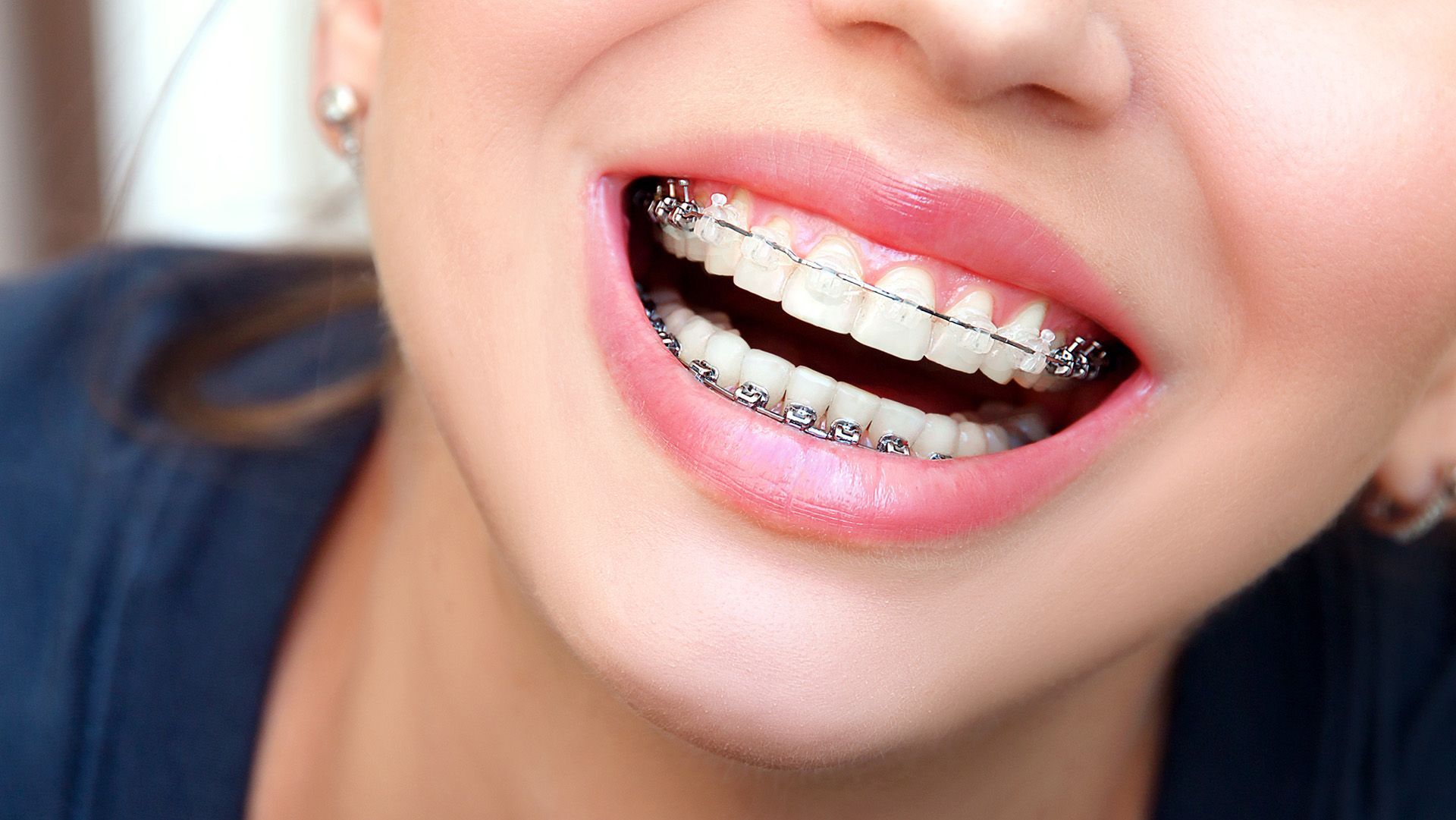
Braces add small ledges and crevices that make plaque more difficult to remove. Plaque bacteria use sugars from food and drinks to produce acids that soften and demineralize enamel. When food collects around brackets, along the gumline, and under archwires, plaque can linger longer than it should, increasing the risk of decay.
Why the risk rises with braces:
- Plaque traps around brackets, bands, and under wires
- Food buildup near the gumline that is harder to brush away
- Enamel demineralization from repeated acid exposure when brushing, flossing, and fluoride use are inconsistent
Common warning signs include sensitivity to sweets or cold, discomfort when biting or chewing, rough or sticky spots you can feel with your tongue, and white, brown, or dark areas near brackets or between teeth. Early white spots are a sign of demineralization and may look chalky.
Call your orthodontist or dentist if sensitivity lingers, spots do not brush away, or pain wakes you up or persists after eating. Mild, short-lived sensitivity can usually wait until your next visit, but sharp or ongoing pain should be checked promptly. Swelling or a pimple-like bump on the gums needs urgent dental evaluation, as it may signal an infection.
Diagnosis and Assessment With Braces On
Dentists can diagnose cavities accurately even when brackets and wires are present. A visual exam helps identify plaque accumulation, white spot lesions, and visible decay near bracket edges. Gentle probing can reveal softened areas. Bitewing X-rays are especially useful for detecting decay between teeth and under contact points, and they are typically obtainable with braces in place.
It is important to distinguish early enamel changes from true cavities:
- White spot lesions: Early demineralization limited to enamel; often reversible with fluoride, improved hygiene, and remineralization therapies.
- Cavitated lesions into dentin: Usually appear darker visually or as shadows on X-rays; these require fillings to stop progression.
Your orthodontist and dentist will coordinate to protect your oral health and keep your treatment moving. In some cases, an archwire may be removed briefly for better X-rays or to allow access for a filling. If a bracket is in the way, it can be temporarily unbonded and replaced. Teams communicate timing so orthodontic adjustments can resume smoothly once treatment is complete.
Treatment Options for a Cavity While Wearing Braces
For early lesions without cavitation, non-invasive and minimally invasive strategies can halt or reverse damage. Your dentist may recommend:
- Prescription-strength fluoride toothpaste or gel
- In-office fluoride varnish
- Remineralization products with calcium and phosphate
- More frequent professional cleanings and photo monitoring
When decay has progressed into dentin, a filling is necessary. Composite resin is commonly used for durable, natural-looking restorations. To provide access, your orthodontist may remove or reposition the archwire, place protective barriers, or temporarily unbond a nearby bracket. After the filling is placed, the bracket is rebonded and the wire is reinserted, often the same day or soon after.
Sometimes a band or bracket must be taken off to restore a tooth properly, especially when decay extends under a band at the gumline or in a tight contact. Expect local anesthesia, careful decay removal, placement of a bonded filling, and reattachment of the orthodontic component. Most patients experience little to no impact on their overall treatment timeline.
Prevention and Aftercare to Protect Teeth During Braces
Daily hygiene is your strongest defense against cavities. Aim for thorough plaque removal around all orthodontic components and along the gumline.
- Brush for two minutes, at least twice daily, with fluoride toothpaste.
- Angle bristles 45 degrees toward the gumline and clean around brackets and band edges.
- Use an interdental brush to reach under wires and between brackets.
- Floss daily with a floss threader or use a water flosser to clean between teeth.
- Rinse with a fluoride mouthrinse at night for added protection.
Smart diet choices reduce acid attacks and plaque fuel:
- Limit frequent snacking, especially on sugary or starchy foods.
- Avoid sticky treats that cling to brackets, like caramels and gummy candies.
- Cut back on sugary or acidic beverages; if you have a treat, enjoy it with a meal and rinse with water afterward.
After a filling or other decay treatment, follow your dentist’s guidance for sensitivity and avoid chewing hard or sticky foods on the restored tooth for the first day. Keep up with scheduled cleanings and orthodontic visits. To prevent future decay during treatment, ask about fluoride varnish applications, sealants on molars when appropriate, and periodic photos to track white spot lesions. Consistent technique and the right tools make the biggest difference.
What to Expect if You Get a Cavity With Braces
| Phase | Description |
|---|---|
| Evaluation | Visual exam, gentle probing, and bitewing X-rays to confirm the extent of decay. |
| Access | Temporary wire removal or bracket unbonding if needed to reach the area. |
| Treatment | Fluoride/remineralization for early lesions; composite filling for cavitated decay. |
| Orthodontic impact | Minimal; brackets and wires are replaced promptly and adjustments continue. |
| Prevention | Heightened home care, fluoride support, dietary adjustments, and regular checkups. |
The bottom line: cavities can be treated effectively without derailing your orthodontic plan. If you notice symptoms or see spots that concern you, contact your dental team so they can intervene early and keep your smile healthy throughout treatment. Expect a coordinated approach that identifies the problem quickly, restores the tooth, and gets your braces back in action with little disruption.