How to Make Braces More Comfortable: Practical Tips for a Smoother Adjustment
Braces build a healthier, more confident smile, but the first few days and routine adjustments can bring soreness and irritation. With a few simple strategies, you can ease pressure, protect your cheeks and lips, and move through the adjustment period with less stress. Use this guide to learn why braces can feel uncomfortable, what to do right away, and how to stay comfortable long term. If you are searching for how to make braces more comfortable because braces hurt or you are feeling pain from braces, the tips below can help.

Why Braces Cause Discomfort
Braces move teeth with gentle, steady pressure. After placement or tightening, the periodontal ligament around each tooth compresses and stretches, which can lead to soreness and sensitivity. This is a normal part of orthodontic tooth movement and a sign that treatment is working, even when braces hurt during the first few days.
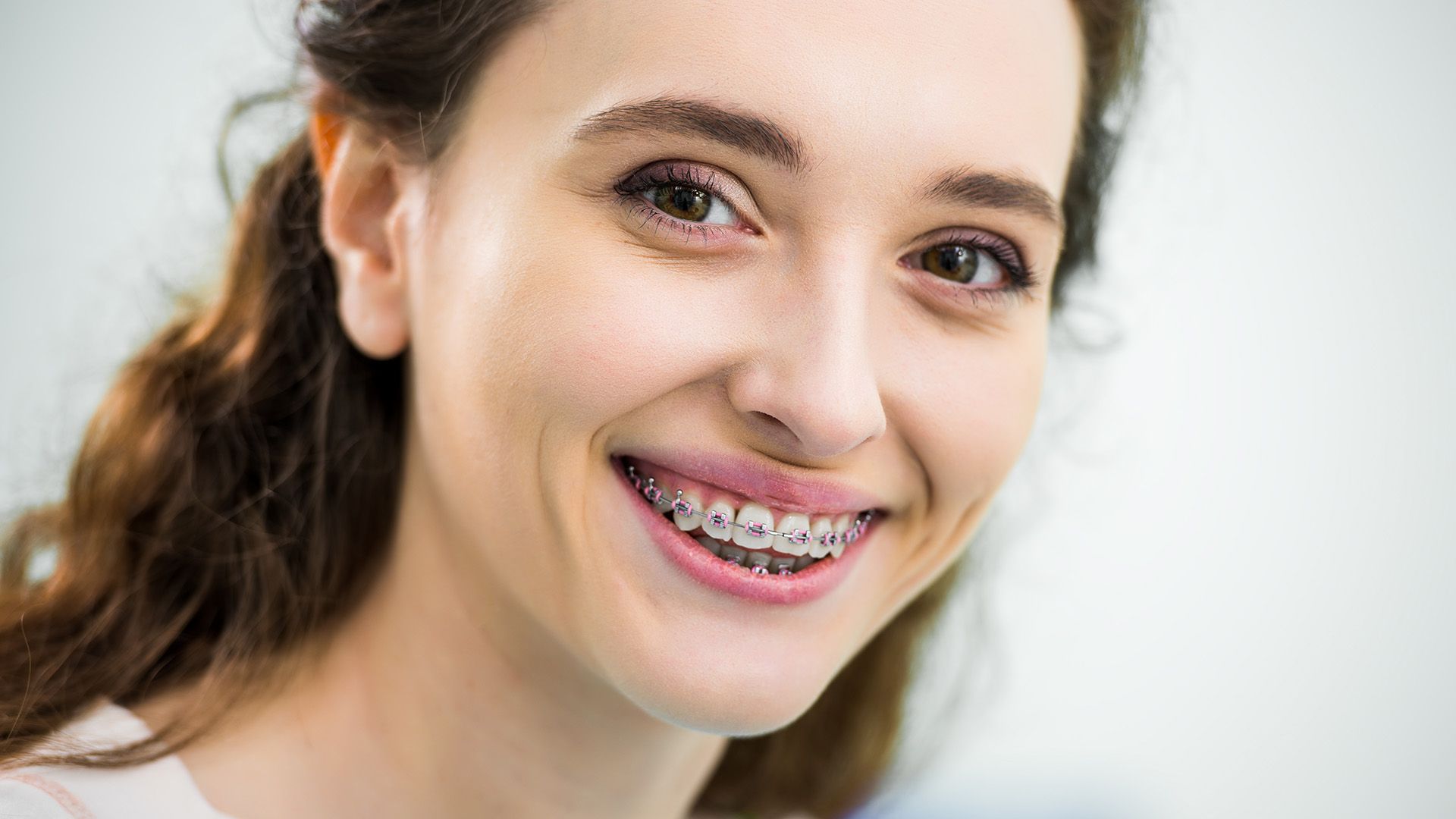
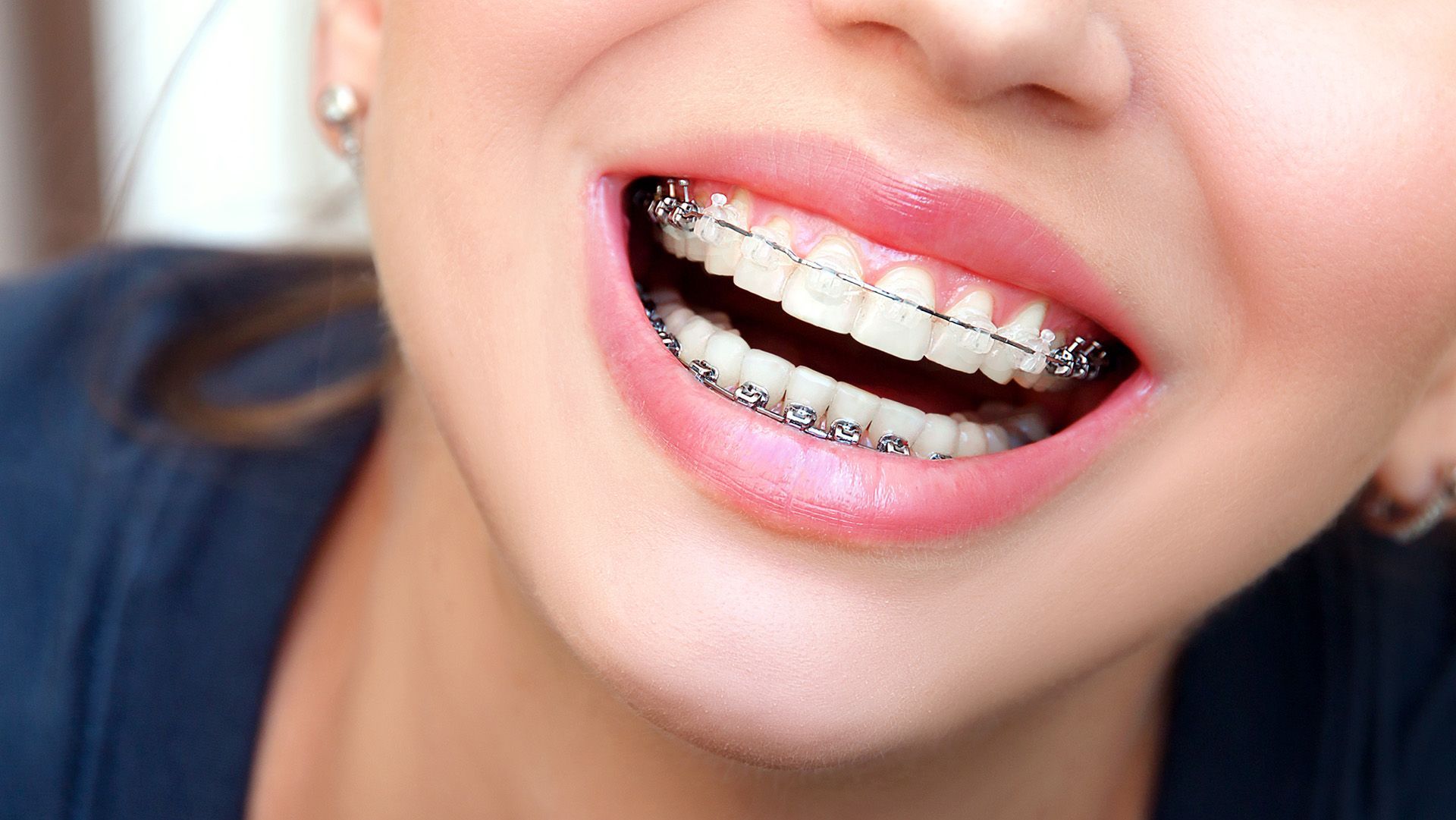
The hardware can also irritate soft tissues as you adjust. Brackets and bands may rub the inner cheeks and lips at first. Archwires can shift slightly after eating or brushing, and a long or bent wire may poke the cheeks or gums. Hooks and elastic ties can create friction until the tissues adapt.
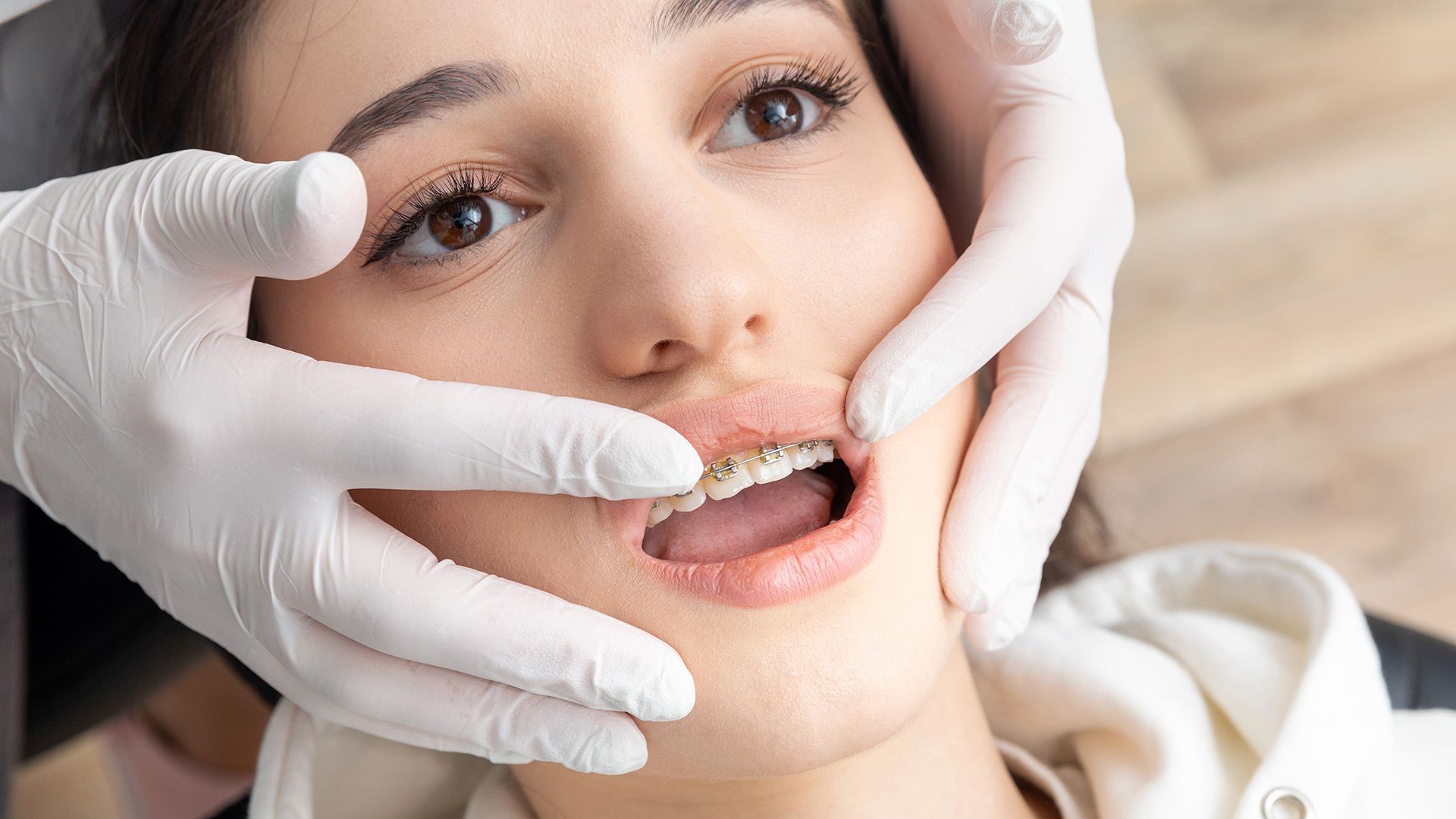
Most people feel the most tenderness within 24 to 72 hours after braces are placed or tightened. Discomfort often peaks around day two and eases over the next few days. Mild rubbing or sore spots typically improve within a week. If pain from braces is severe or persists beyond a week, contact your orthodontic team for guidance on how to make braces more comfortable.
Immediate Comfort Strategies
Orthodontic wax offers quick relief from rubbing. Dry the area, pinch off a pea-sized piece of wax, roll it into a ball, and press it over the bracket or wire that is causing irritation. Replace as needed, especially after meals or brushing. If it comes off, simply reapply a fresh piece.
Over-the-counter pain relievers can reduce pressure-related soreness. Acetaminophen or ibuprofen are common choices when used as directed on the label, unless your orthodontist or physician advises otherwise. Taking a dose shortly before or right after an adjustment can be helpful. Avoid aspirin for children and teens unless recommended by a doctor. These steps are simple, practical answers for people wondering how to make braces more comfortable when braces hurt most.
Simple home remedies also help:
- Warm saltwater rinse: Mix 1/2 teaspoon of salt in 8 ounces of warm water. Swish gently for 30 seconds, two to three times daily to soothe irritated tissue and ease pain from braces.
- Cold therapy: Apply a cold compress to the outside of the cheek for 10 to 15 minutes or choose cold foods like yogurt, smoothies, or sugar-free ice pops to reduce inflammation and numb soreness.
- Smooth barriers: Orthodontic silicone covers or comfort strips can provide a temporary smooth surface over brackets during the first few days.
Eating and Oral Care Habits for Comfort
Right after getting braces or following an adjustment, choose foods that are soft and cool to minimize chewing and pressure. Cold options can be especially soothing during the peak soreness window if braces hurt or you are experiencing pain from braces.
| Comfort-Friendly Foods | Foods to Avoid | Smart Alternatives |
|---|---|---|
| Mashed potatoes, scrambled eggs, oatmeal | Hard candies, nuts, popcorn, ice | Soft granola bars, tender muffins |
| Yogurt, smoothies, cottage cheese | Sticky caramels, taffy, gummy candies, gum | Puddings, fruit purees |
| Pasta, steamed vegetables, soups (slightly cooled) | Thick crusts and very crunchy breads | Cut sandwiches into small pieces |
| Tender fish, shredded chicken | Biting into whole apples or raw carrots | Cut apples and carrots into bite-sized pieces |
Keep oral hygiene gentle but thorough to limit irritation. Use a soft-bristled brush and angle bristles around brackets and along the gumline. An orthodontic toothbrush or an electric brush on a sensitive setting can make cleaning easier. Floss daily using a floss threader or orthodontic flossers to get under the archwire. Interdental brushes help remove plaque around brackets, and a water flosser can flush away trapped food that might otherwise cause sore spots.
To protect your comfort and your braces, avoid foods that can bend wires or dislodge brackets. For firm foods like apples, carrots, and crusty bread, cut them into small, bite-sized pieces and chew with your back teeth to reduce pressure and friction.
Longer-Term Adjustments and When to Contact a Professional
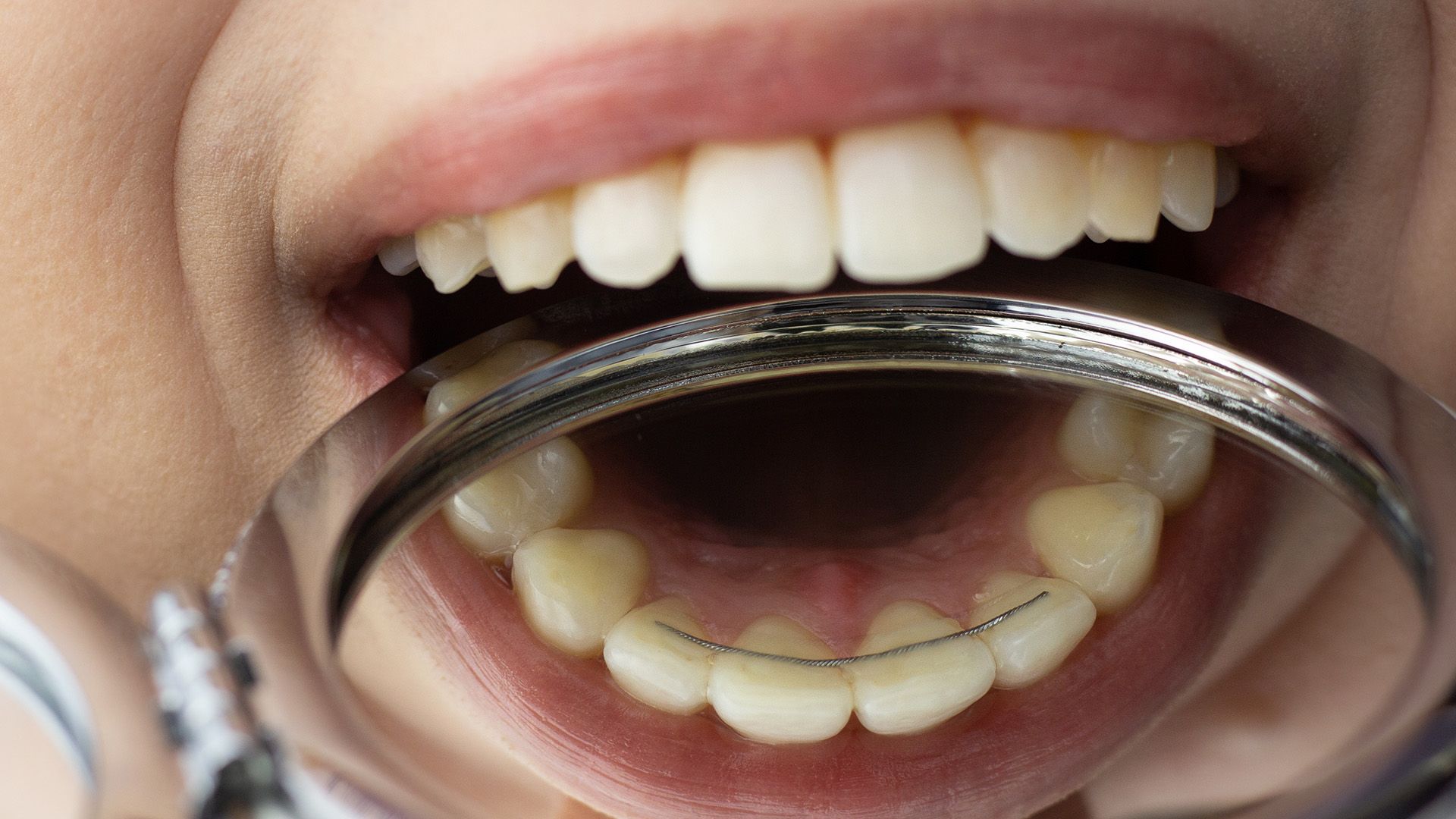
As your mouth adapts, small, consistent habits make a difference. Brush and floss regularly to keep tissues healthy and less prone to irritation. Keep a small kit with orthodontic wax, a compact mirror, and an interdental brush for quick on-the-go fixes. If you play sports, wear an orthodontic mouthguard to cushion your lips and cheeks. Stay well hydrated to support healing and reduce dryness that can make friction worse.
Some problems need professional attention. Contact your orthodontic office if:
- Pain remains significant more than a week after an adjustment.
- A bracket or band feels loose.
- A wire slips out, bends, or pokes your cheek or gums.
- You develop a mouth ulcer that is not improving.
- You notice swelling, bleeding, or signs of infection.
Do not attempt to cut wires yourself. If a wire is poking, cover it with wax as a temporary fix until you can be seen. If braces hurt for more than a few days or pain from braces interferes with eating, sleeping, or brushing, reach out for an evaluation and personalised adjustments.
With the right daily habits and timely professional care, you can reduce irritation, shorten flare-ups, and feel more confident about how to make braces more comfortable throughout treatment.