Modern Headgear Braces: A Practical Guide for Parents and Patients
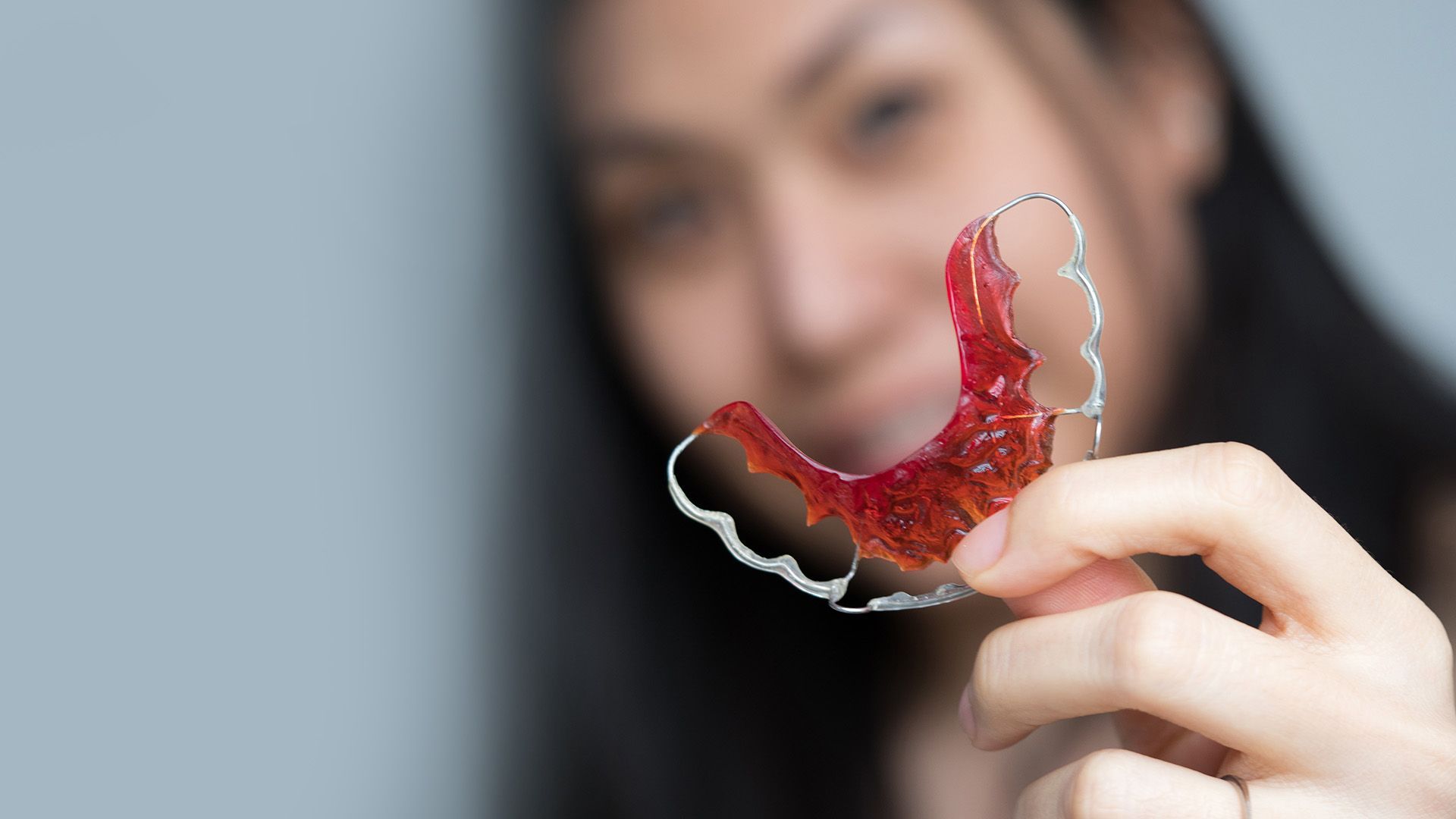
Modern headgear braces are a far cry from the bulky devices of the past. Today’s options are lighter, more precise, and used strategically to guide jaw growth, correct overbites or underbites, and provide anchorage so teeth move efficiently. This guide outlines how contemporary headgear works, who benefits most, and what families can expect during treatment. Throughout, we explain how braces and headgear work together and where modern headgear fits into current orthodontic care.
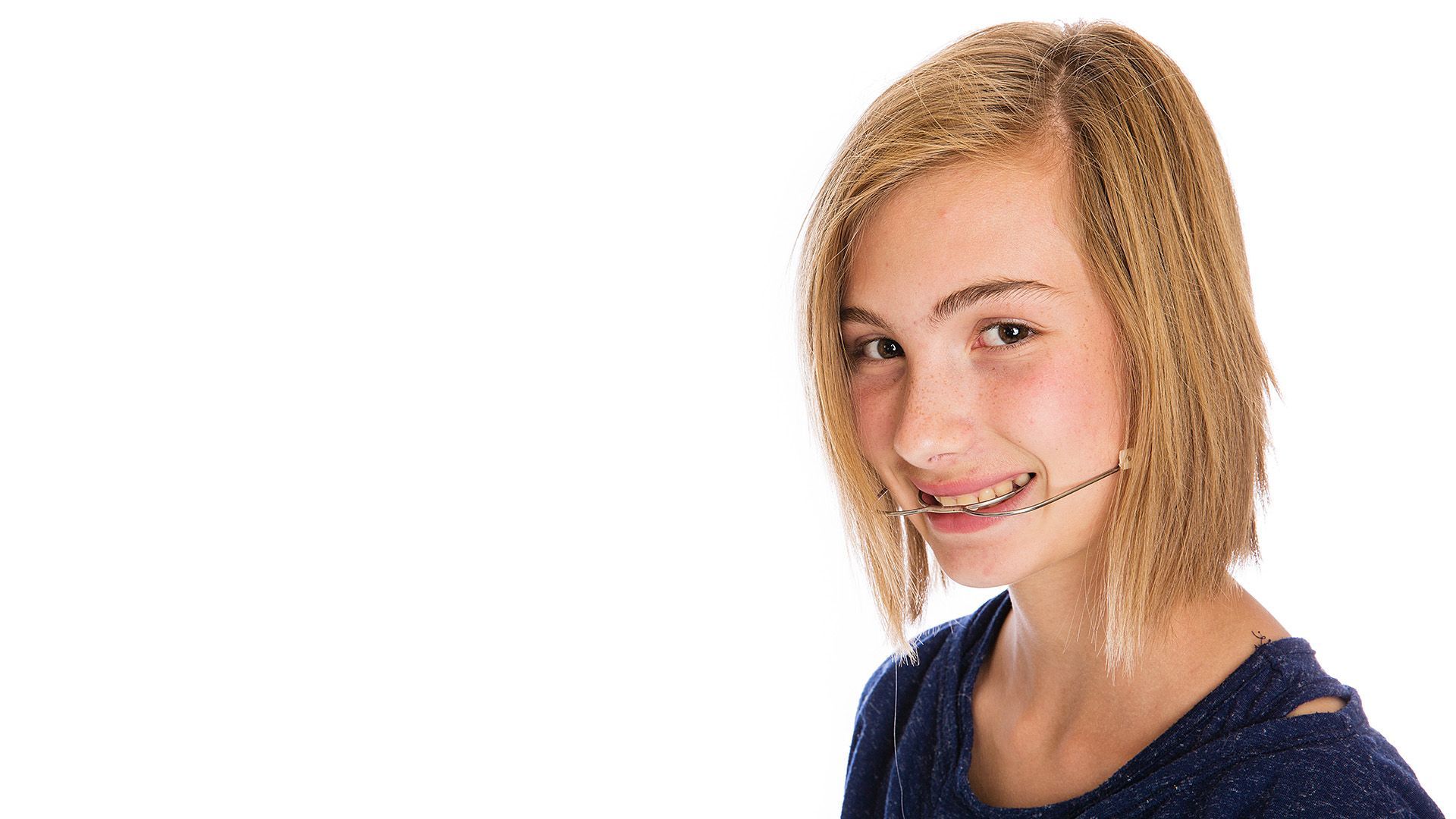
Modern headgear braces are a far cry from the bulky devices of the past. Today’s options are lighter, more precise, and used strategically to guide jaw growth, correct overbites or underbites, and provide anchorage so teeth move efficiently. This guide outlines how contemporary headgear works, who benefits most, and what families can expect during treatment. Throughout, we explain how braces and headgear work together and where modern headgear fits into current orthodontic care.
Overview: What Modern Headgear Braces Are and Who Benefits
Contemporary orthodontic headgear applies gentle, controlled forces outside the mouth to influence jaw position and support targeted tooth movement inside the mouth. Key goals include growth guidance during critical developmental years, bite correction for Class II (overbite) and Class III (underbite) patterns, and anchorage to move specific teeth without affecting others. As part of braces and headgear therapy, these tools can complement aligners, fixed appliances, or expanders.
Headgear braces are most commonly recommended for growing patients ages 7 to 14, when the jaws can still be directed. Select teens and adults may also benefit when precise anchorage is required or when orthopedic correction could reduce the need for surgery. For example, orthodontic headgear for overbite can help retract upper molars and reduce protrusion, while dental headgear for underbite may encourage forward growth of the upper jaw.
Modern designs improve comfort and aesthetics with streamlined facebows and pads, lighter yet durable materials, and adjustable force modules that let the orthodontist fine-tune pressure. Patients often appreciate the lower profile and compatibility with school, sports (when not worn), and daily routines. Modern headgear also integrates smoothly with braces headgear protocols to achieve predictable outcomes.
Treatment Details: What to Expect During Headgear Therapy
Types of modern headgear include:
- Cervical pull (strap around the neck) to reduce overbite and provide molar anchorage; this is a common form of orthodontic headgear for overbite.
- High-pull (strap around the crown of the head) to control vertical growth and reduce upper jaw prominence as part of braces and headgear treatment.
- Reverse-pull facemask to encourage forward growth of the upper jaw for underbite correction; a widely used approach to dental headgear for underbite.
Your orthodontist selects the configuration that matches your bite and growth pattern. Modern headgear braces are often paired with braces, expanders, or aligners to guide overall tooth and jaw alignment. Treatment typically spans several months to 12–18 months, depending on goals and growth timing. Expect progress checks every 6 to 10 weeks to adjust forces and verify wear time.
Daily wear recommendations usually range from 10 to 14 hours, with most hours completed at home and overnight. Consistency matters more than any single long session. Fitting is quick: your orthodontist will demonstrate insertion and removal and confirm comfort and safety. Clean the facebow with mild soap and water, wipe straps and pads as directed, and store the appliance in a clean case. Avoid rough play while wearing headgear, and do not adjust force modules without guidance. When braces headgear is worn as prescribed, results tend to be faster and more stable.
Risks, Benefits, and Decision Factors for Families
Benefits include improved facial balance, reduced overbite or underbite, lower risk of trauma to protruded front teeth, and better long-term stability by guiding growth at the right time. Early orthopedic correction with headgear braces can lessen the likelihood of extractions or jaw surgery later. Delaying treatment past key growth windows may limit results and lead to longer, more complex care. Modern headgear can be an effective alternative to more invasive options when used consistently.
Common concerns are comfort and compliance. Initial pressure or mild soreness is typical and usually eases within a few days. Modern padding and adjustable forces help minimize irritation. The main risk is limited progress from inconsistent wear. Establishing a routine, using reminder apps, and wearing the device during homework or screen time improve success. Your orthodontist will also review safe handling to prevent accidental eye or cheek injury when removing the facebow. With braces and headgear used as directed, orthodontic headgear for overbite and dental headgear for underbite can achieve reliable corrections.
When choosing treatment, ask:
- What is the primary goal, growth guidance, bite correction, or anchorage with modern headgear braces?
- How many hours should we target daily, and how will progress be measured with orthodontic headgear?
- What alternatives exist (elastics, temporary anchorage devices, surgery later), and how do outcomes compare to braces headgear?
Consider your child’s growth stage, lifestyle, and motivation. A clear wear plan, regular follow-ups, and education about modern headgear and headgear braces help families feel confident and supported throughout treatment.