How Are Clear Braces Different from Metal Braces? A Patient’s Guide
Choosing between clear and metal braces isn’t only about appearance. The best option depends on your bite, treatment goals, lifestyle, and how you want to look during treatment. If you have been wondering how clear braces are different from metal, this guide explains the essentials. It breaks down how braces move teeth, what to expect from each type, and how to evaluate clear braces vs metal so you can select the right solution for a healthy, confident smile.
How Braces Work: The Basics
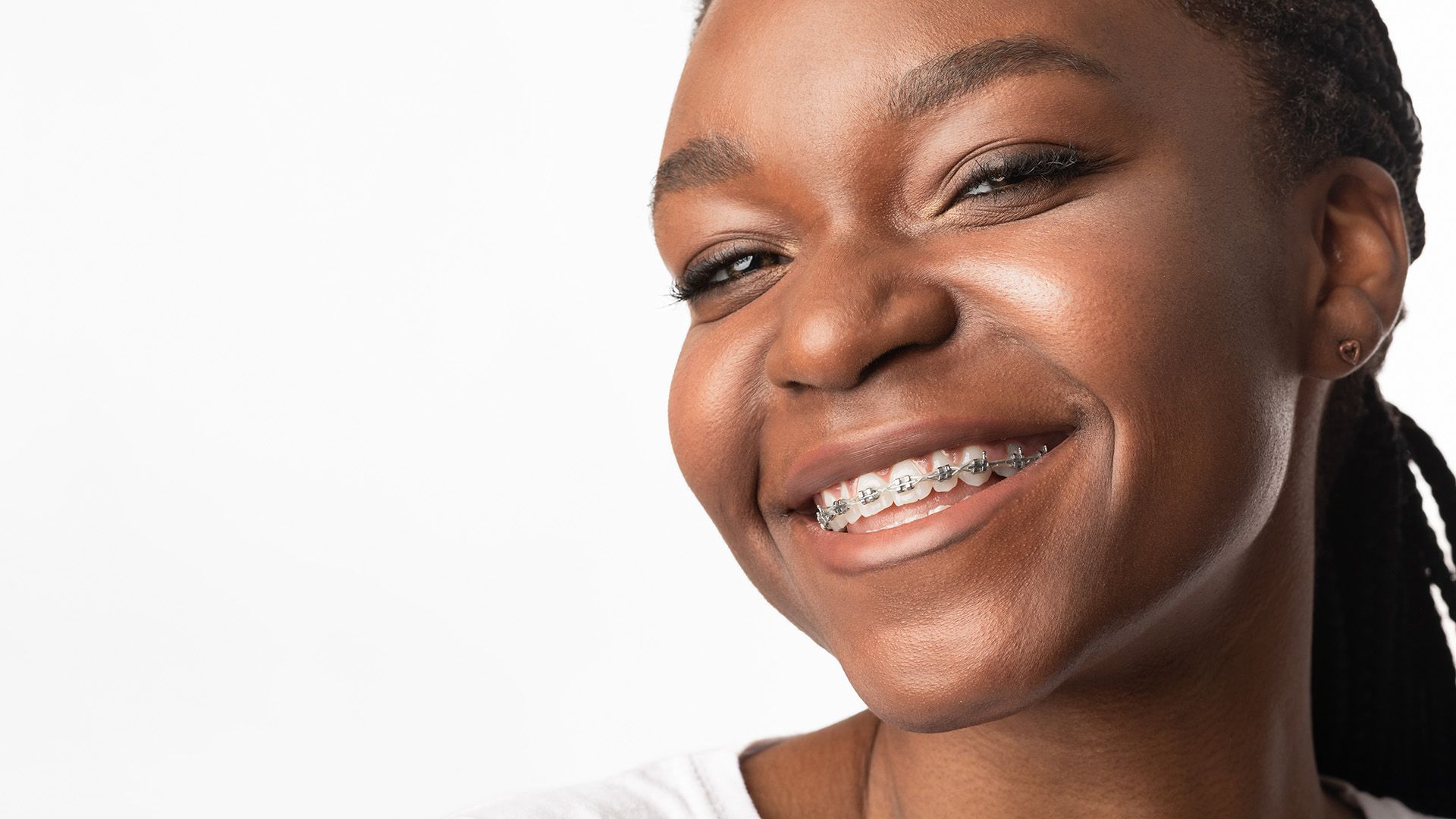
Braces use a system of brackets, archwires, and elastics to apply gentle, steady forces that move teeth into better positions. Brackets are bonded to each tooth, archwires connect the brackets, and elastic ties or clips hold the wire in place. When the wire is engaged, it seeks to return to its original shape, delivering precise pressure that stimulates bone remodeling around the tooth roots. Over time, this process aligns teeth, improves bite relationships, and enhances function and aesthetics.
Treatment time varies with case complexity. Mild crowding or spacing may finish in about 12 to 18 months. More comprehensive bite corrections often take 18 to 24 months or longer. Expect adjustment visits roughly every 6 to 10 weeks. At these appointments, your orthodontic team may change wires, add bends, swap elastics, or use auxiliaries like power chains or rubber bands to fine-tune movement.
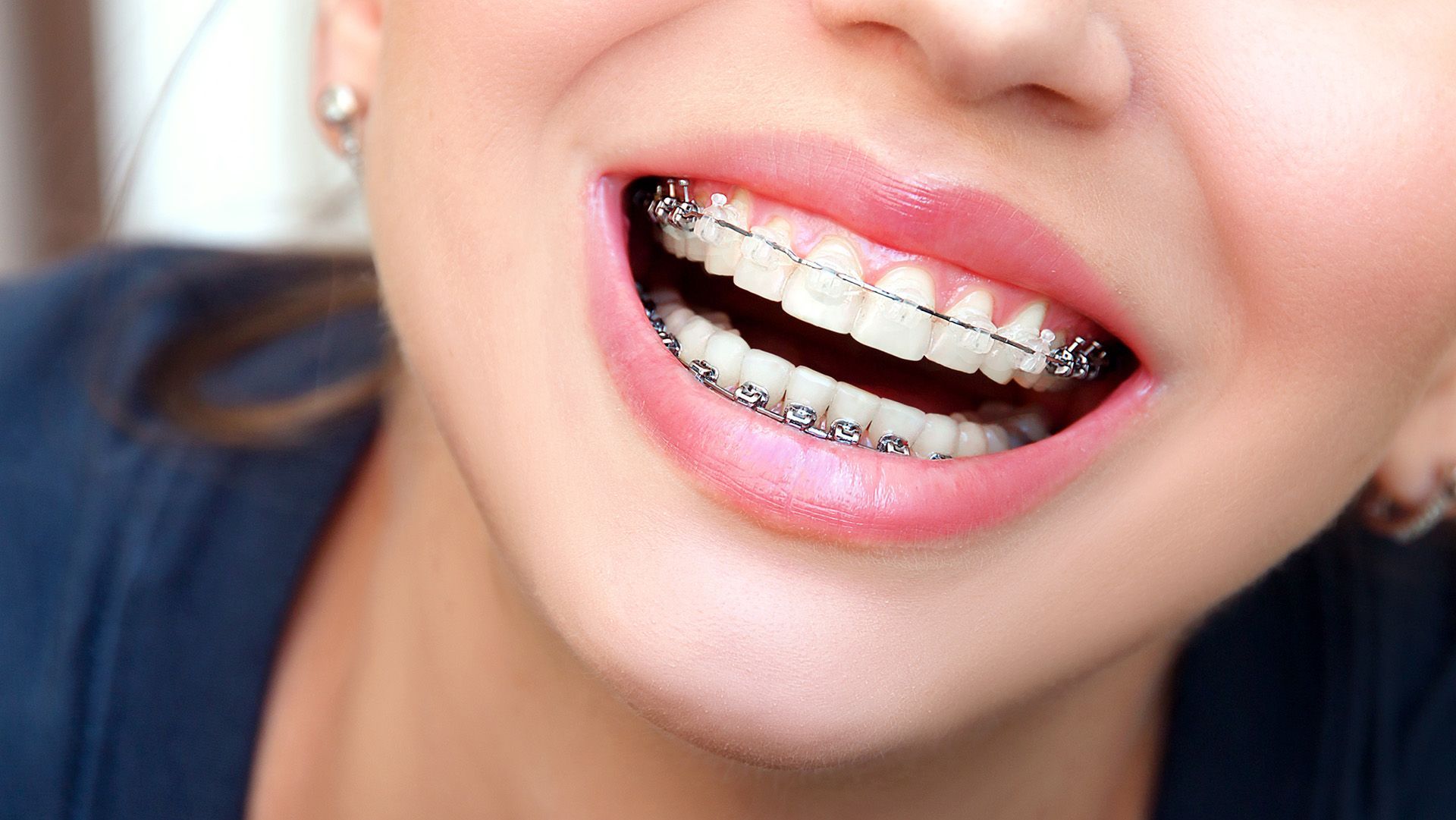
Appliance selection is guided by your goals and clinical needs. For deep overbites, significant rotations, or movements that require extra control or durability, metal brackets and wires designed for higher precision and strength may be recommended. If a low-profile look is your top priority, clear braces may be preferred, provided they can deliver the force systems your case needs. Many patients benefit from a hybrid plan, clear brackets on the upper front teeth for a discreet smile and metal brackets on the lower or back teeth for added durability. This mixed approach puts clear and metal braces to work where they each perform best.
What Are Clear Braces and What to Expect
Clear braces use ceramic or polycrystalline brackets that blend with your tooth color for a more discreet appearance. Modern ceramic brackets pair with high-performance archwires, and the bracket bases are engineered for secure bonding. Slot tolerances (the space where the wire sits) are designed for consistent, controlled tooth movement. In many cases, tooth-colored or frosted wires and clear ligatures can further reduce visibility.
Patients choose clear braces primarily for their appearance, especially on upper front teeth that show in photos and everyday interactions. Ceramic brackets are slightly larger than metal, so they may feel more pronounced for a few days, but most patients adapt quickly. The adjustment experience is comparable to metal braces: expect mild soreness after wire changes and occasional pressure as teeth shift. If you are comparing clear braces vs metal in terms of comfort, most people find the day-to-day feel quite similar after the initial adjustment period.
Maintenance with clear braces focuses on keeping brackets clean and minimizing discoloration of elastic ties. While ceramic brackets themselves resist staining, clear ligatures can absorb pigments from foods and beverages like tomato sauce, curry, red wine, and dark sodas. Upkeep is reduced by stain-resistant ligature options and replacement at routine visits. Brushing after meals, using an interdental brush around brackets, and rinsing with water after strongly colored foods help keep your braces looking fresh between appointments.
Good oral hygiene habits are essential. Use a soft-bristled brush, fluoride toothpaste, and either a water flosser or floss threader to clean around brackets and under the archwire. If a bracket edge feels rough, orthodontic wax can provide immediate relief until the area is smoothed or adjusted at your next visit.
What Are Metal Braces and What to Expect
Metal braces use medical-grade stainless steel brackets and wires valued for strength and reliability. These brackets are compact and durable, with smooth contours built for comfort. Because metal is less brittle than ceramic, it resists chipping under chewing forces and is a strong choice for patients with deeper bites or stronger occlusion forces. Modern metal systems also offer precise slot dimensions for predictable control of rotation, tipping, and torque.
Metal braces remain the standard for some complex tooth movements and challenging bites due to their durability and lower friction with certain wires. In cases with severe crowding, significant rotations, or extensive bite correction, metal brackets may reach goals slightly more efficiently. For many patients, overall treatment time is comparable to clear braces, but the extra durability can be helpful when heavier forces, frequent elastics, or more robust auxiliaries are anticipated. If you are weighing clear and metal braces for a demanding case, metal may offer a small edge in efficiency and robustness.
Daily care is straightforward. Brush after meals with a small-headed brush, angling bristles at the gumline and around brackets. Clean between teeth using floss threaders or a water flosser. Some patients notice temporary rubbing on cheeks or lips during the first week; orthodontic wax can cushion any tender spots. Warm saltwater rinses and over-the-counter pain relievers as directed can help with initial soreness after wire changes. If you play sports, a mouthguard is recommended to protect both your braces and soft tissues.
Clear vs. Metal: Key Differences
Both clear and metal braces can effectively straighten teeth and improve your bite when planned and monitored by an experienced orthodontist. The differences come down to appearance, durability, and day-to-day maintenance. Use the points below to guide your decision and discuss them with your care team.
Aesthetics
- Clear braces blend with tooth color for a lower-profile look in photos and face-to-face interactions.
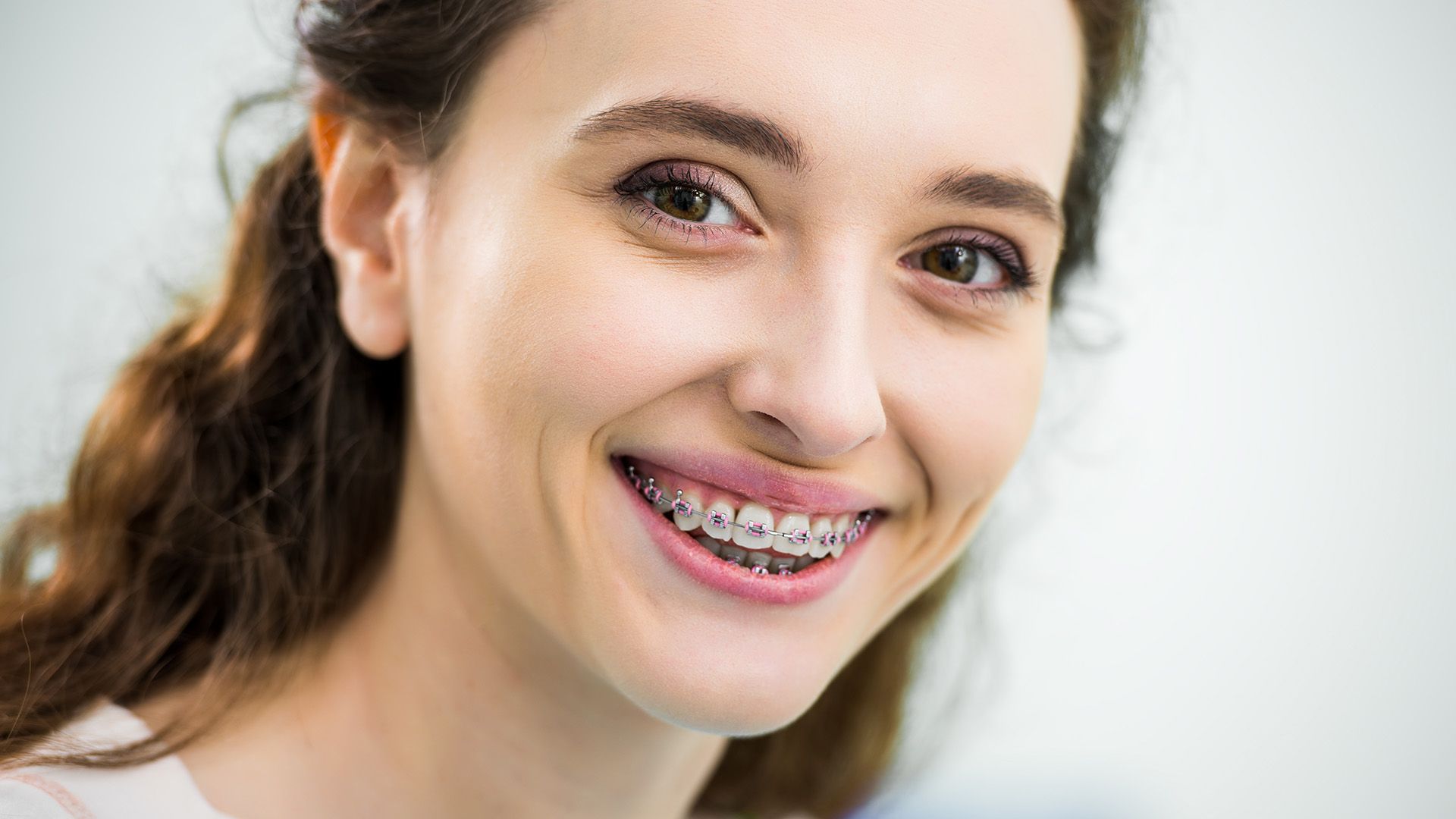
- Metal braces have a classic silver appearance and can be personalized with colored elastics.
- Many patients choose clear brackets on the upper front teeth and metal brackets on lower teeth to balance aesthetics and strength, an approach that combines metal and clear braces strategically.
Effectiveness
- For most alignment needs, both systems deliver similar outcomes within comparable timelines.
- For complex rotations, large root movements, or significant bite changes, metal braces may allow greater flexibility with wires and auxiliaries and can be slightly more efficient due to lower friction and reduced bracket brittleness.
- Modern ceramic systems have narrowed the performance gap for many cases, and clear braces are appropriate for a wide range of treatments. In the discussion of clear braces vs metal, capability is often comparable for mild to moderate cases.
Comfort
- Initial soreness after adjustments is similar for both systems.
- Ceramic brackets are slightly bulkier, which some patients notice early on.
- Metal brackets tend to be marginally smaller and may feel smoother.
- Orthodontic wax helps ease irritation with either option during the adaptation period.
Maintenance
- Ceramic brackets resist staining, but clear elastic ties can discolor between visits. Brushing after meals and rinsing after strongly colored foods helps maintain appearance.
- Metal brackets do not stain, but they still require diligent brushing and flossing to prevent plaque buildup.
- Avoid hard and sticky foods with both types to protect wires and brackets when choosing between clear and metal braces.
Cost and Insurance
- Clear braces may have a higher fee due to material costs and aesthetic components.
- Many dental plans include orthodontic benefits that apply to both clear and metal braces, often with a lifetime maximum and eligibility criteria.
- Practices typically verify your insurance coverage, submit claims on your behalf, and offer flexible financing with low or no-interest payment plans. HSA and FSA funds are commonly accepted.
Side-by-Side Comparison
| Feature | Clear Braces | Metal Braces |
|---|---|---|
| Appearance | Tooth-colored ceramic brackets that blend with teeth; optional frosted wires and clear ties | Silver brackets; customizable colored elastics |
| Bracket Size | Slightly larger profile | Generally smaller, lower profile |
| Durability | Strong but more brittle; may chip under heavier forces | Highly durable; resists chipping and breakage |
| Efficiency in Complex Cases | Effective for most cases; performance gap narrowed with modern systems | Often preferred for severe crowding, rotations, and extensive bite corrections |
| Friction with Wires | Can be higher with some wire combinations | Typically lower friction, facilitating certain movements |
| Staining | Brackets resist staining; clear ties can discolor | Not prone to staining |
| Comfort | Comparable overall; may feel slightly bulkier at first | Smooth contours; often feels slightly smaller |
| Care Routine | Brush after meals; use interdental brushes; replace stained ties at visits | Brush after meals; floss with threaders or water flosser; similar hygiene needs |
| Cost | Typically higher | Usually more budget-friendly |
| Best For | Patients prioritizing a discreet look, especially on upper front teeth | Patients needing maximum durability or complex bite correction |
Who Might Prefer Clear vs. Metal?
Both systems can create excellent results. Your lifestyle and clinical needs help determine the best fit. When thinking through clear braces vs metal, consider your goals for visibility, treatment demands, and daily routine.
- You may prefer clear braces if you want a low-profile look in school, work, or photos; you have mild to moderate alignment needs; or you like the option of combining clear brackets on the top with metal on the bottom.
- You may prefer metal braces if you need extensive bite correction, have severe crowding or rotations, or want the most durable brackets for sports or stronger biting forces.
Unsure which way to go? Hybrid treatments offer a practical compromise: clear brackets where you smile, metal brackets where added durability is helpful. This approach puts metal and clear braces together to maximise aesthetics and strength without sacrificing effectiveness.
Our Process: Making the Choice Clear
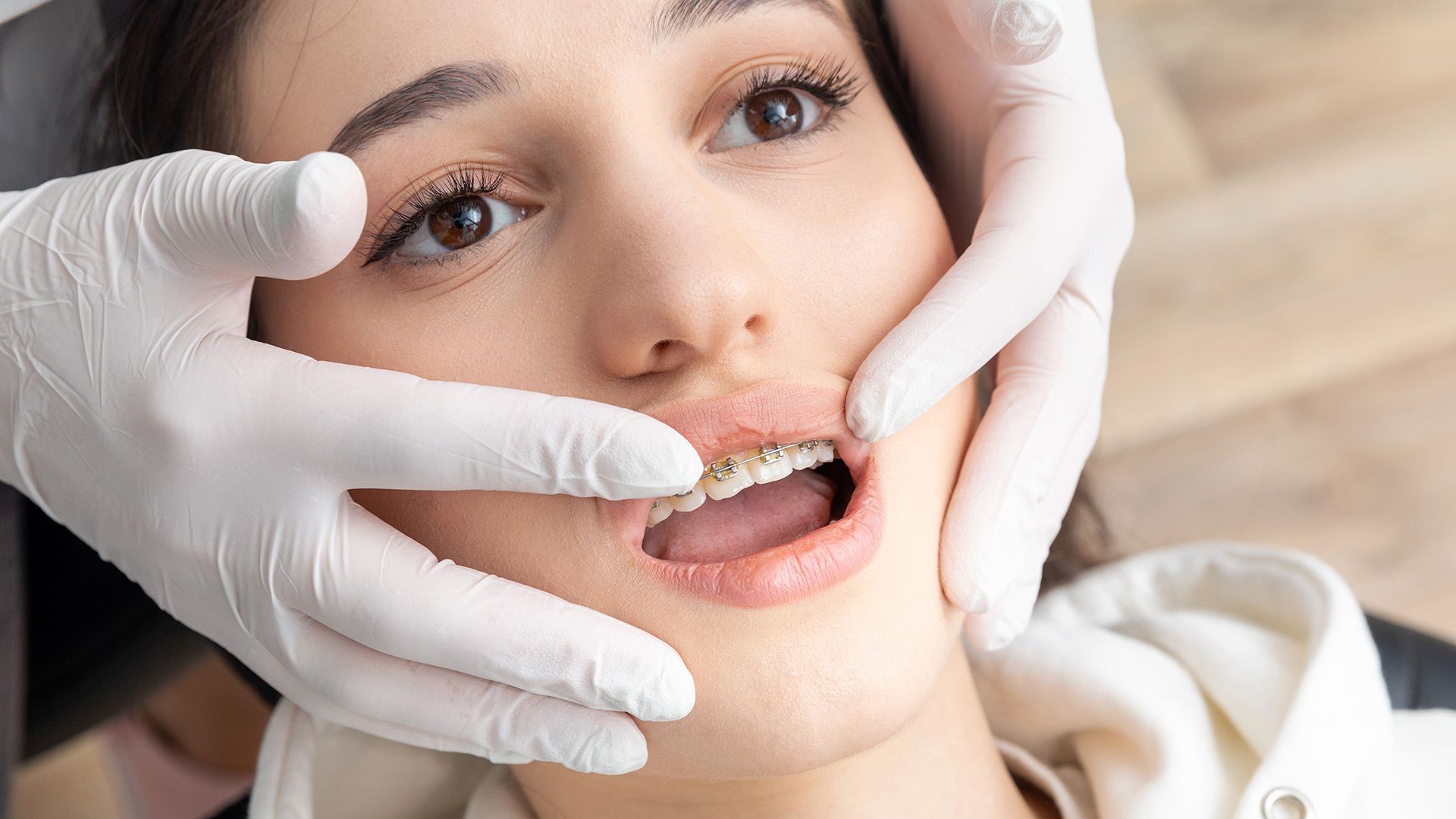
At your consultation, you will complete a comprehensive exam and review every factor that influences your outcome and experience. This step-by-step approach helps answer how are clear braces different from metal in the context of your unique smile.
- Digital diagnostics: Digital scans or impressions, photographs, and X-rays are captured to assess crowding, spacing, bite relationships, root positions, airway considerations, and gum health.
- Goal setting: Your priorities, appearance, timeline, comfort, and budget, are discussed along with any special considerations like sports or musical instruments.
- Treatment planning: One or more options are recommended, expected durations are explained, and maintenance requirements are outlined. If you want a discreet appearance without sacrificing performance, many plans suggest clear brackets on upper teeth and metal on lower teeth, combining clear and metal braces for a balanced approach.
- Transparent costs: Insurance is verified, orthodontic benefits are explained, and a clear cost breakdown is provided. Flexible financing is usually available, HSA/FSA funds may be accepted, and claims are often handled on your behalf.
Throughout treatment, you will be seen about every 6 to 10 weeks for adjustments. Progress is tracked, wires and elastics are updated as needed, and comfort and oral hygiene are monitored to keep your plan on course.
Tips for a Smooth Experience with Any Braces
- Hygiene routine: Brush after meals with a soft-bristled brush and fluoride toothpaste. Use interdental brushes to clean around brackets and a water flosser or floss threader to reach under the wire.
- Diet choices: Limit hard, sticky, and chewy foods that can bend wires or dislodge brackets. Cut firm foods into smaller pieces.
- Comfort care: Use orthodontic wax on any rough spots. Warm saltwater rinses and over-the-counter pain relievers as directed can ease post-adjustment soreness.
- Protect your smile: Wear a mouthguard for contact sports.
- Stay consistent: Keep regular adjustment visits to maintain momentum and prevent delays.
Ready to Compare Your Options?
Both clear and metal braces can create a healthy, beautiful smile. Clear braces offer a discreet look with modern performance, while metal braces provide maximum durability and versatility for complex cases. Many patients choose a combination to get the best of both. If you are researching clear braces vs metal and want to understand how are clear braces different from metal for your situation, a professional evaluation will clarify the trade-offs.
Schedule a consultation to review your images, discuss your goals, and design a plan that fits your life, whether that means clear braces, metal braces, or a customized mix of metal and clear braces tailored to your smile.