What Happens If You Don't Wear Your Retainer?
Completing orthodontic treatment is a big achievement, but keeping your smile straight requires an ongoing plan. Retainers hold teeth in their corrected positions while bone and gums adapt. If you stop wearing your retainer, teeth can shift, sometimes quickly, leading to crowding, spacing, or bite changes. This guide explains why retainers matter, what happens when wear lapses, and how to protect your results for the long term. If you are wondering what happens if you don't wear your retainer, the short answer is that your teeth can begin to move back toward their original positions, and the longer you wait, the more likely you are to need additional treatment.
Why Retainers Matter
After braces or clear aligners, teeth are not immediately stable. The periodontal ligament, the elastic tissue surrounding each tooth, and the supporting bone need time to remodel. Retainers provide gentle guidance as this remodeling occurs, reducing the risk of relapse. Understanding what happens helps put the importance of this phase into perspective: without regular wear, the forces in the gums and ligaments can pull teeth out of alignment.
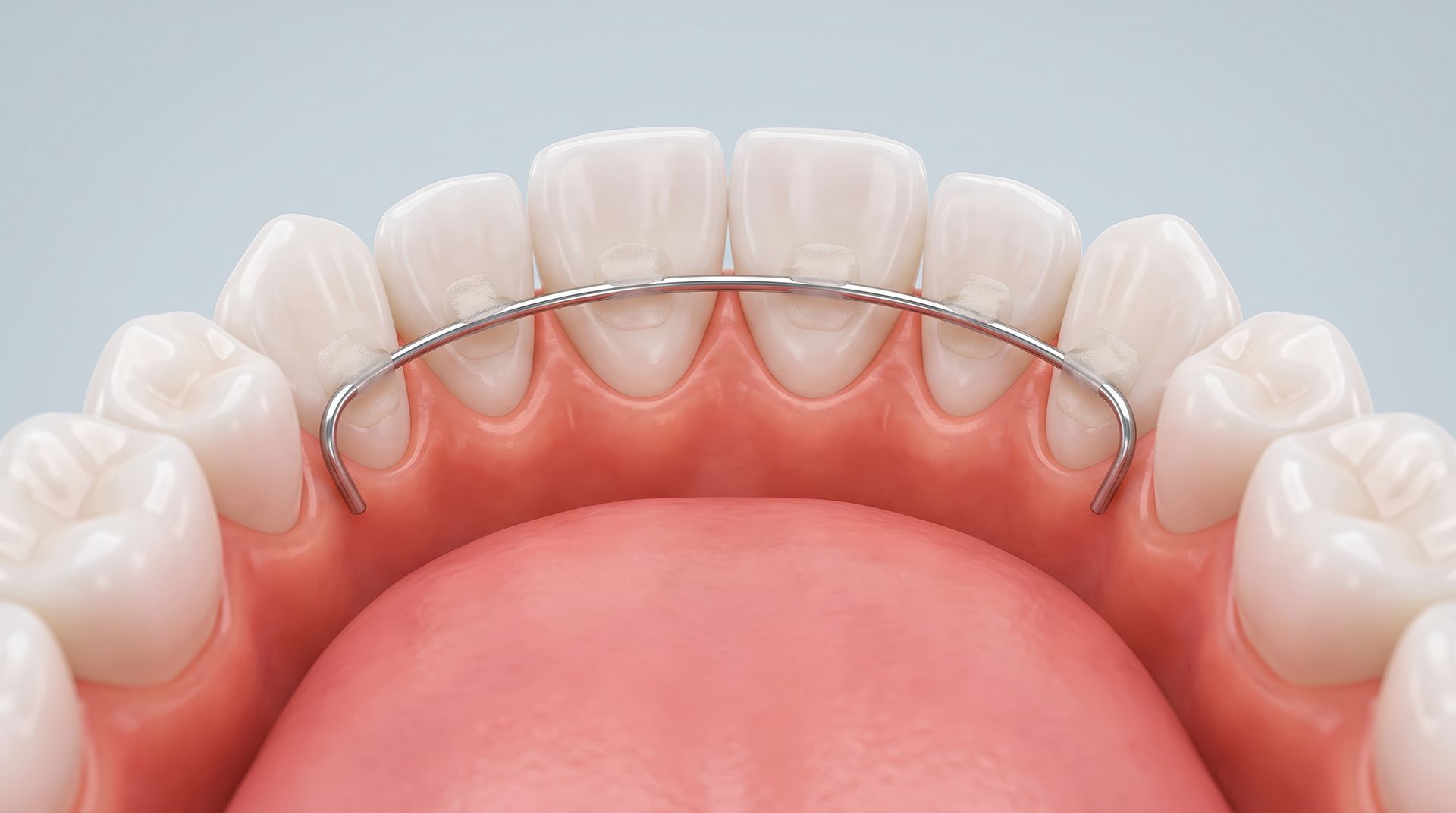
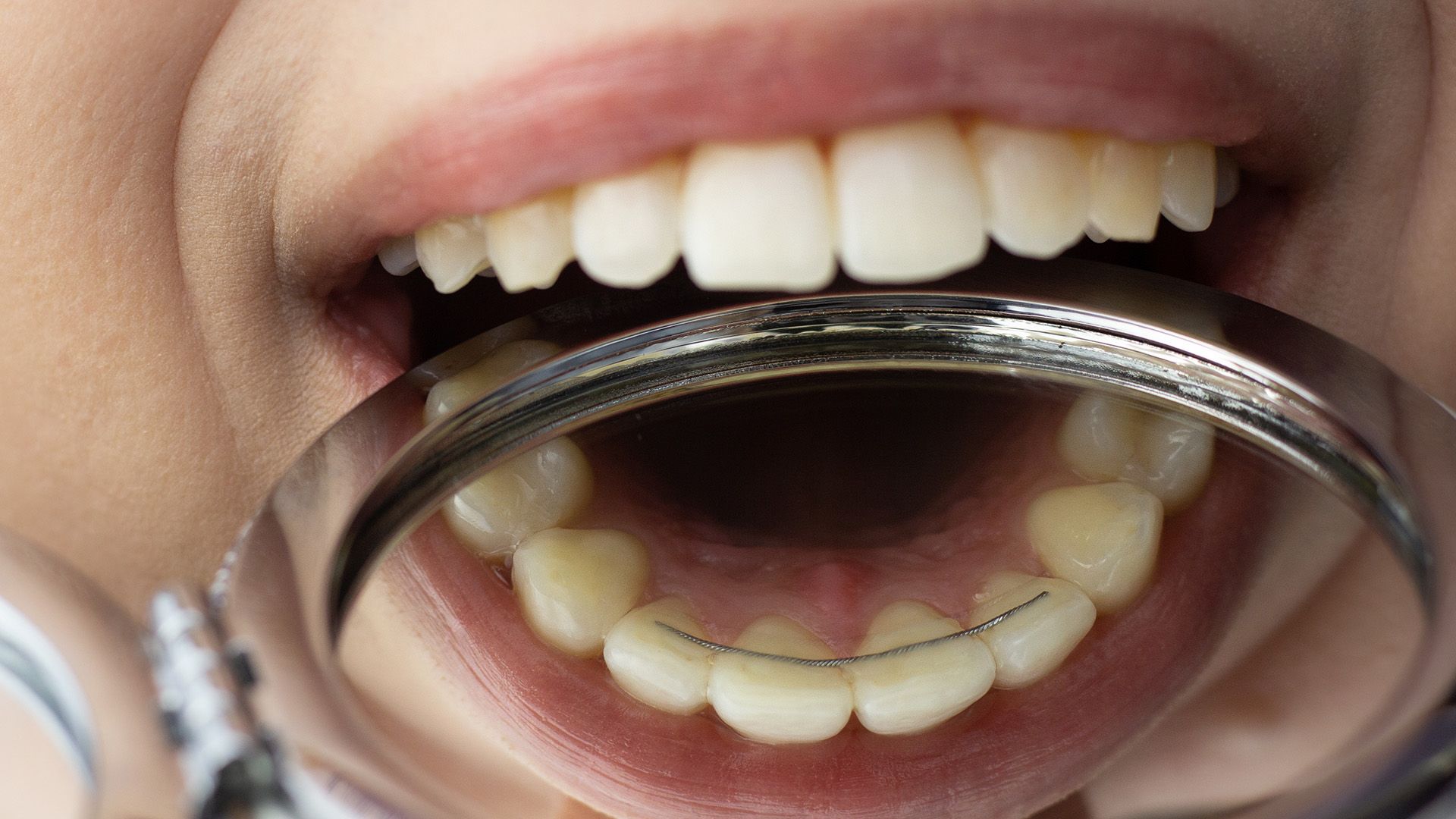
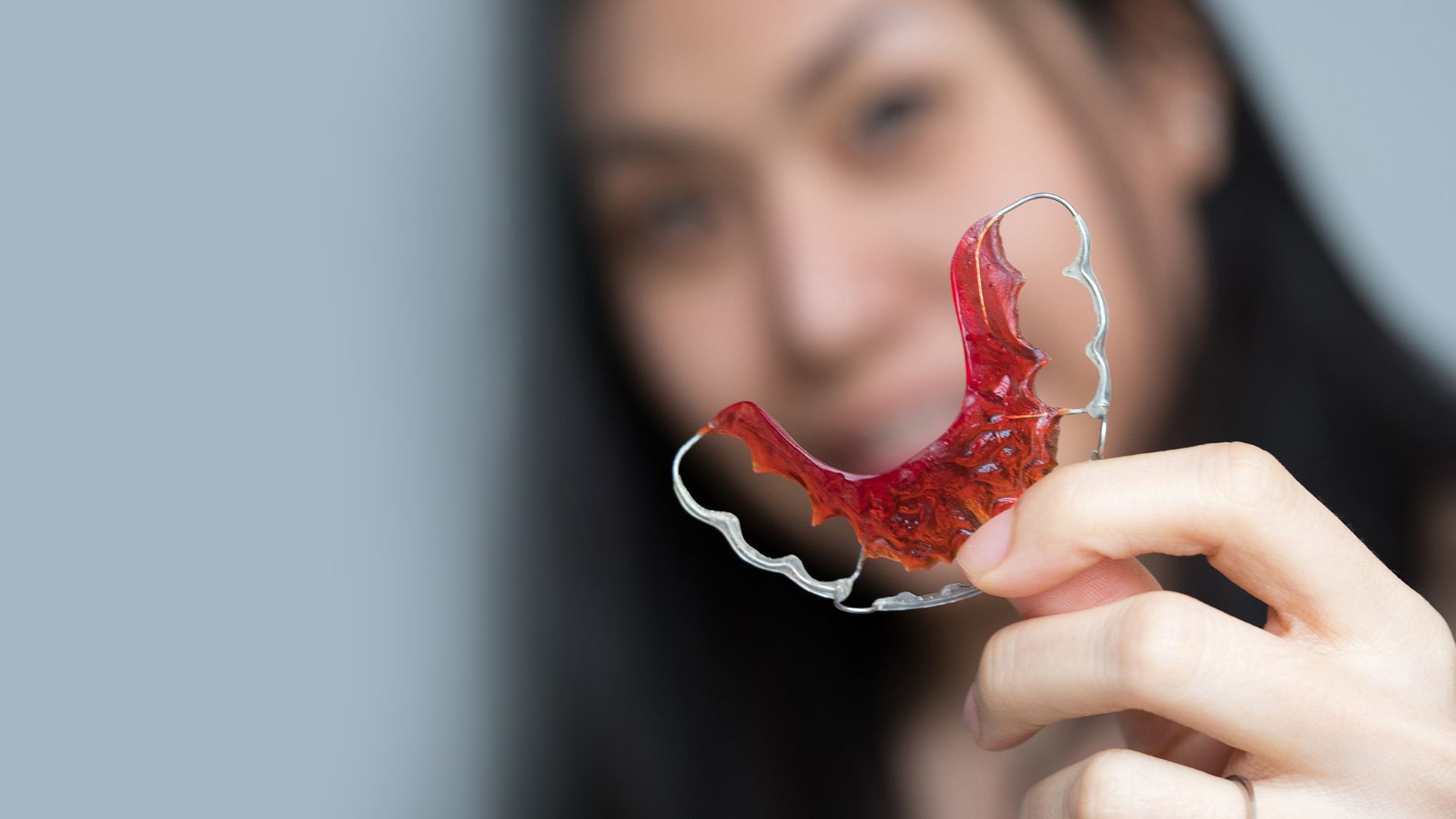
Removable retainers include clear Essix-style trays and Hawley retainers with an acrylic base and wire. When worn as prescribed, they are effective, easy to clean, and can be removed for meals and brushing. Fixed (bonded) retainers are slim wires attached behind the front teeth. They work continuously without daily effort, helping prevent spacing or crowding from returning, especially in the lower front teeth.
Many people stop wearing retainers due to discomfort, forgetfulness, a misplaced or broken appliance, or the assumption that treatment is “finished.” While understandable, any pause in wear allows teeth to drift, undoing months or years of progress.
What Happens in the First Few Weeks and Months
Tooth movement can start within days of stopping retainer wear. In the first one to two weeks, a common sign is that your retainer feels tighter than usual when you try to put it back in. That tight feeling is an early indicator that teeth have shifted. If you don't wear your retainer for a few weeks, expect increased tightness, minor crowding, and subtle bite changes when you attempt to resume wear.
- Retainer no longer seats fully or “clicks” into place
- New gaps or slight overlapping of the front teeth
- Changes in how your back teeth meet
- Tenderness or pressure when biting
These subtle changes can become more noticeable within a month. Relapse may be visible sooner for patients who initially had significant crowding, spacing, or rotated teeth. If you notice tightness or tooth movement, resume wear as directed and contact your orthodontist promptly, acting early often restores fit and prevents further shifting.
Long-Term Consequences of Not Wearing a Retainer
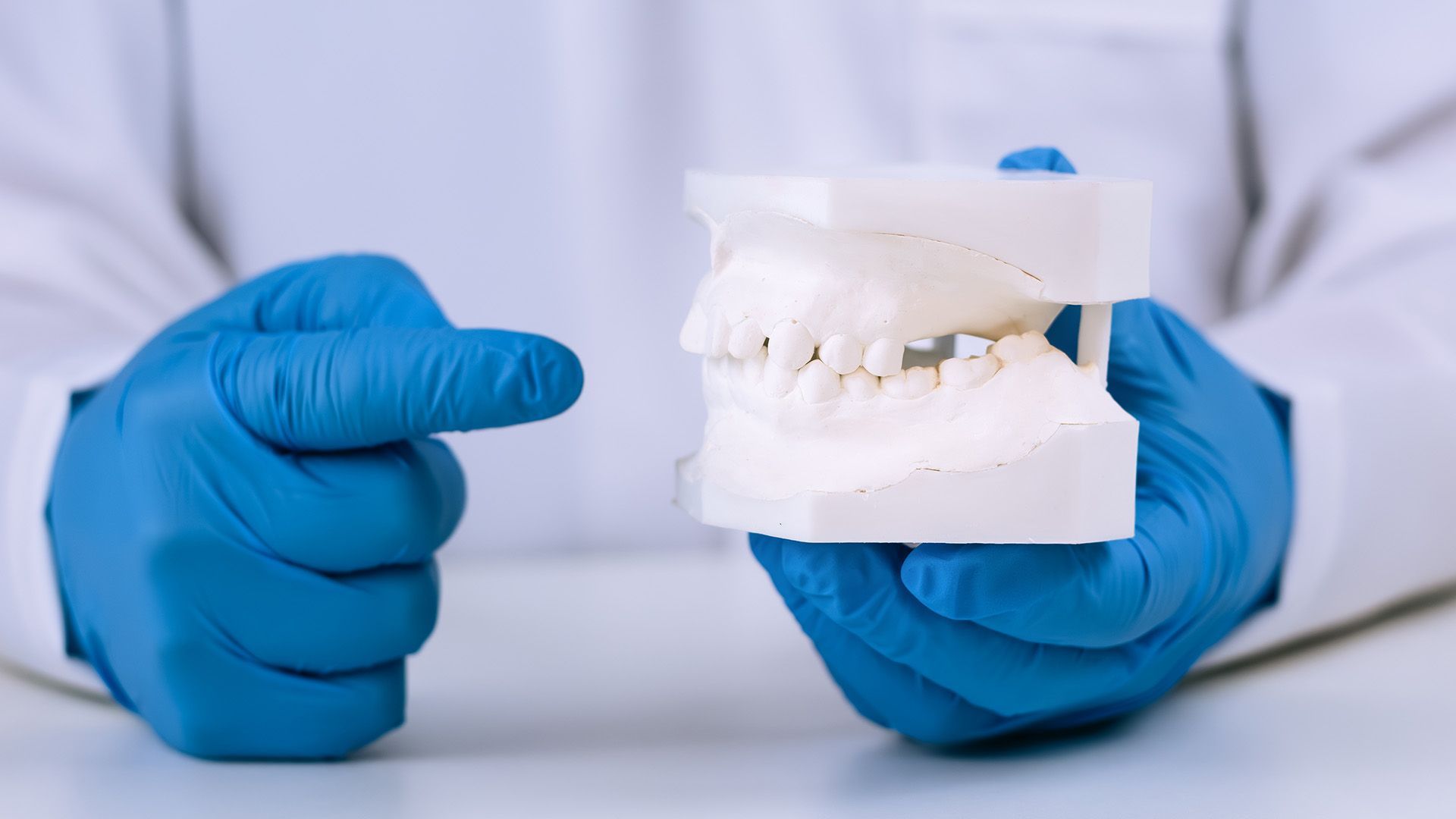
Without a retainer, relapse is usually gradual but persistent. Teeth tend to migrate toward their original positions, leading to crowding or gaps, and bite relationships can change over time. These shifts affect both appearance and function.
Functional problems can include uneven tooth wear, increased stress on restorations like fillings or crowns, and difficulty cleaning crowded areas. Plaque accumulation in tight or rotated spots raises the risk of cavities and gum inflammation.
When relapse becomes more pronounced, re-treatment may be necessary. Minor movement might be corrected with a short series of clear aligners followed by a new retainer. More extensive shifting, however, can require comprehensive orthodontic care again. The longer relapse progresses, the more complex and time-consuming the solution may be.
How Often Should You Wear Your Retainer?
Most patients wear retainers full-time right after treatment, then transition to nights only. A common plan is full-time wear (about 22 hours per day, removing for meals and brushing) for the first several months, followed by nightly wear through the first year. After that, many orthodontists recommend lifelong nighttime wear to maintain stability.
Nighttime wear is practical and effective for long-term maintenance. Full-time wear may be advised initially after debonding (brace removal) or after finishing clear aligners, and for higher-risk cases such as significant initial crowding, spacing, rotations, or open bite corrections.
Recommendations vary by age, type of correction, and retainer design. Younger patients may stabilize more quickly but can still experience relapse as they grow. Adults typically benefit from consistent nighttime wear indefinitely. Clear removable retainers fit well into nightly routines, while fixed retainers offer passive, constant protection in high-risk areas like the lower front teeth. Your orthodontist will tailor a plan that prioritizes convenience and long-term stability.
What to Do If You’ve Stopped Wearing Your Retainer
If you have paused retainer wear, take action right away:
- Try your retainer: If it fits comfortably, wear it as directed, often full-time for a few days to a week to re-stabilize, then transition back to nighttime wear.
- If it feels tight but seats fully, wear it and monitor comfort. Mild tenderness for a day or two is common.
- If it does not seat, feels painful, or rocks on the teeth, do not force it. Contact your orthodontist to avoid damage to your teeth or the retainer.
At your visit, your orthodontist will assess your alignment, bite, and retainer fit. If the retainer no longer fits, solutions may include adjusting the existing appliance, making a new one from a fresh scan, or using short-term aligners to recapture alignment before issuing a new retainer. Fixed retainers can be repaired or replaced if they are loose or broken.
Call as soon as you notice tightness, new spaces, overlapping, or if your retainer is lost or damaged. Acting within days or weeks often prevents the need for more involved treatment.
Practical Tips to Keep Your Smile Stable
Consistency is the key to long-term success. Build retainer wear into your routine so it becomes automatic.
- Keep the case next to your toothbrush and place the retainer in at the same time every night.
- Use smartphone reminders or a habit-tracking app to stay on schedule.
- When traveling, pack your retainer in your carry-on in a labeled case.
Care and maintenance extend the life and comfort of your retainer:
- Rinse after removal and brush gently with a soft toothbrush and mild dish soap.
- Avoid hot water, which can warp clear plastic.
- Use recommended retainer cleaners as directed.
- Keep retainers away from pets, heat sources, and napkins to prevent accidental loss.
Replace your retainer if it cracks, becomes noticeably loose, or no longer fits well. If wear feels uncomfortable, ask your orthodontist for an adjustment rather than skipping wear. Small, consistent habits today help you avoid bigger and costlier corrections later.
Frequently Asked Questions
How quickly will my teeth shift if I stop wearing my retainer?
Minor movement can begin within days, with noticeable changes often appearing within a few weeks. The rate depends on your original alignment, age, and how long it has been since you finished treatment. During this time, expect tightness when reinserting it and early signs of crowding or spacing.
Can I wear my retainer again after months off?
If it seats fully and comfortably, resume wear and call your orthodontist to check stability. If it does not seat or causes significant pain, do not force it, schedule an appointment to determine whether you need an adjustment, a new retainer, or short-term aligners.
Do I need to wear a retainer forever?
Long-term nighttime wear is the most reliable way to maintain your results. Teeth can shift throughout life due to natural changes and daily chewing forces, so wearing a retainer at night, often nightly, as advised, helps keep alignment stable.
Are fixed retainers better than removable ones?
Neither option is universally better; each serves a different purpose. Fixed retainers are excellent for preventing spacing or crowding in the front teeth without relying on daily compliance. Removable retainers protect the entire arch and are easy to clean. Many patients benefit from a combination, such as a fixed lower retainer plus a removable nighttime retainer.
What if my retainer broke or got lost?
Contact your orthodontist promptly. The team can scan your teeth and make a replacement quickly. The sooner you replace it, the less opportunity there is for teeth to shift.
Will insurance cover a new retainer?
Coverage varies by plan. Some policies include post-treatment retainers, while others consider them maintenance. Ask your orthodontic provider for a detailed estimate and documentation to send to your insurer.
Key Takeaway
Retainers are essential for protecting your smile after braces or aligners. Even brief lapses can lead to shifting, and the longer you go without wearing your retainer, the more likely you’ll need corrective treatment again. Follow your wear schedule, maintain your retainer, and reach out to your orthodontist at the first sign of tightness or movement.