Braces for Adults: A Comprehensive Guide
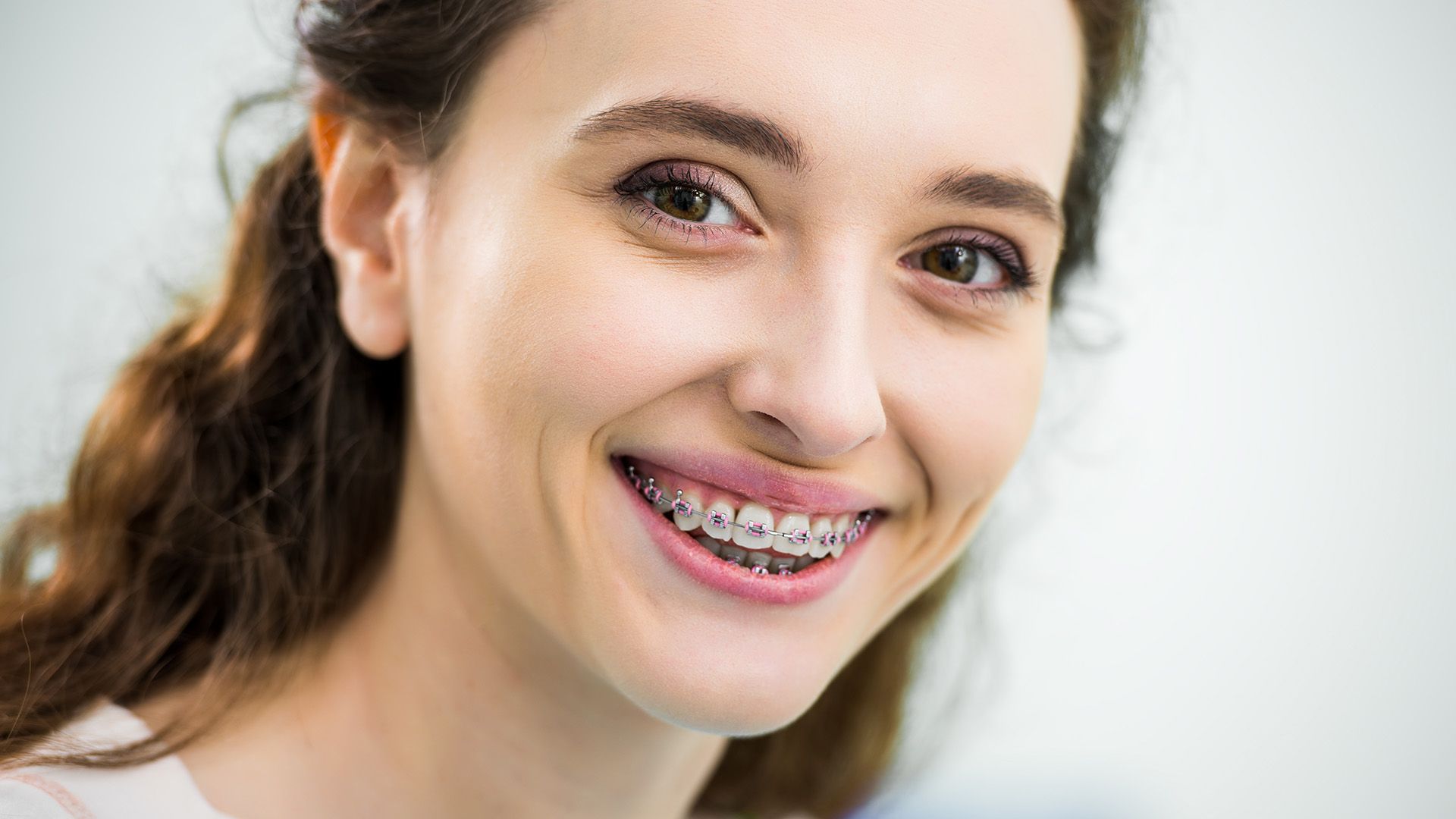
Are you considering teeth braces for adults? At Baptiste Orthodontics, we know that a straight, beautiful smile can boost your confidence and improve your oral health. That's why we offer this comprehensive guide to braces for adults, providing all the information you need to make an informed decision.
In this guide, we'll explore who can benefit from adult braces, the duration of treatment, the different types of braces available, and essential tips for taking care of your braces. Our goal is to offer valuable insights and guidance throughout your orthodontic journey.

Who Can Benefit from Braces for Adults?
Braces aren't just for kids. Adults can also benefit from orthodontic treatment to achieve a straighter, healthier smile. Here are some important factors to consider if you're thinking about teeth braces for adults.
One of the key benefits of adult braces is the improvement in overall oral health. Crooked or misaligned teeth can make it difficult to clean your teeth properly, increasing the risk of tooth decay and gum disease. Straightening your teeth with braces can enhance oral hygiene and reduce dental problems.
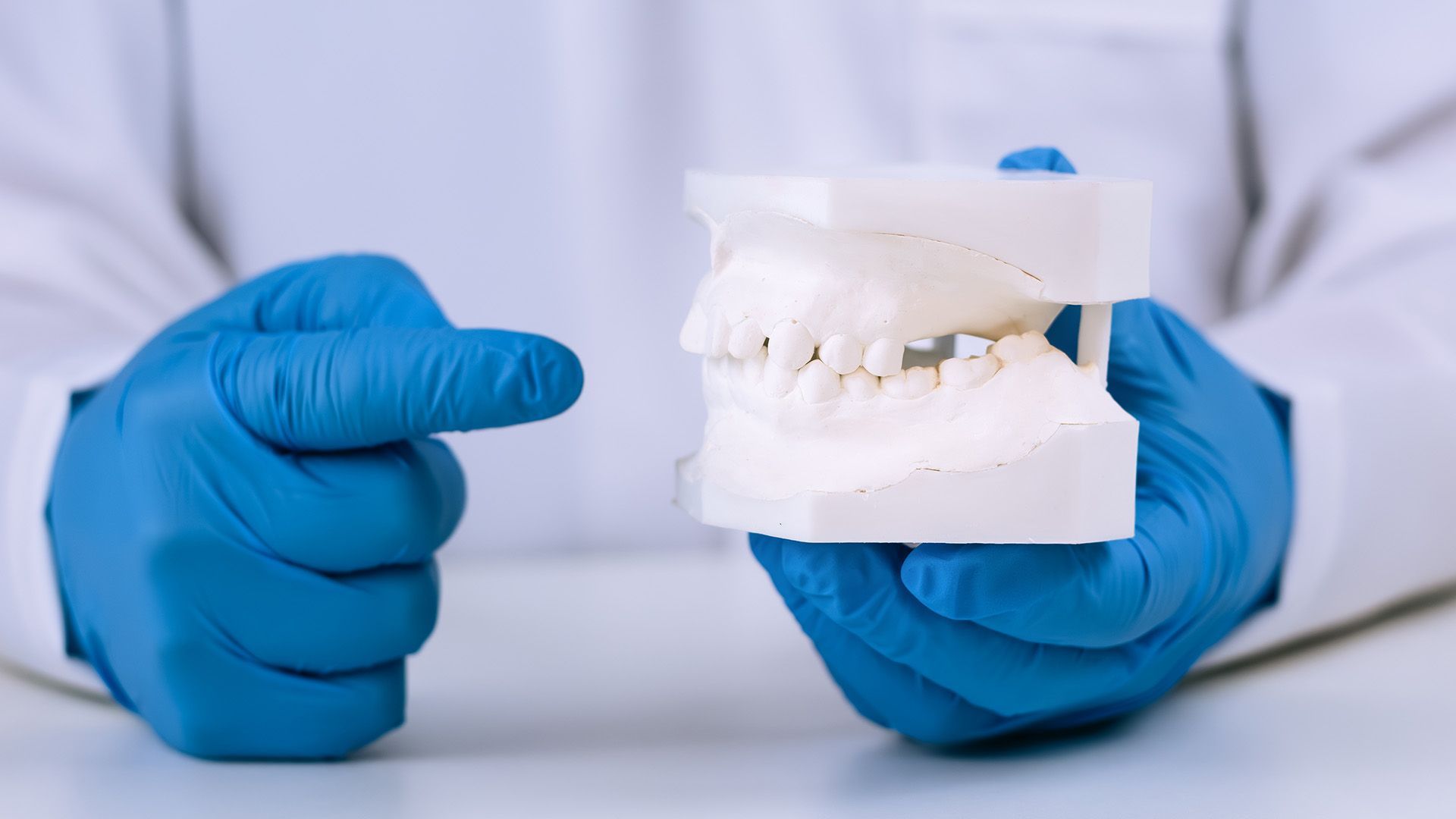
Braces can address a range of common dental issues in adults, such as overcrowding, gaps between teeth, overbite, underbite, or crossbite. Correcting these problems can enhance the appearance of your smile and improve your bite and jaw alignment, leading to better oral function.
Deciding if braces are right for you involves several factors. Your orthodontist will evaluate your specific needs, dental history, and oral health to determine if braces are suitable. Additionally, consider your commitment to the treatment process, as wearing braces requires regular visits to the orthodontist for adjustments and proper care.
At Baptiste Orthodontics, we understand the unique needs of adults seeking orthodontic treatment. Our experienced orthodontists will work closely with you to create a personalized treatment plan that aligns with your goals and lifestyle. Contact us today to schedule a consultation and take the first step towards achieving the straight, healthy smile you deserve.
How Long Will Your Braces Treatment Last?
One of the most common questions when considering braces for adults is: How long will the treatment last? While the duration can vary depending on individual cases, there are some average timelines to keep in mind.
On average, braces treatment for adults can last anywhere from 18 months to 3 years. This timeframe allows for the teeth to gradually shift into their desired positions, resulting in a straighter smile.
However, several factors can affect the treatment timeline. The severity of the orthodontic issues being addressed is one such factor. More complex cases may require longer treatment durations to achieve the desired results.
Another factor impacting treatment duration is patient compliance. Following your orthodontist's instructions, such as wearing rubber bands or headgear as directed, can help speed up the process. Neglecting these instructions may prolong the overall treatment time.
To manage your braces treatment duration effectively, consider these tips:
- Attend regular appointments: Keeping up with scheduled appointments allows your orthodontist to monitor progress and make necessary adjustments.
- Maintain good oral hygiene: Proper oral care, including brushing, flossing, and using mouthwash, can help prevent potential setbacks or delays in treatment.
- Avoid damaging foods: Certain foods, like sticky candies or hard nuts, can damage braces and slow down the treatment process. Stick to braces-friendly foods to avoid complications.
- Follow instructions: Consistency and compliance with your orthodontist's instructions, such as wearing elastics or headgear, can contribute to a shorter treatment duration.
By understanding the average duration of adult braces treatment, recognizing factors that affect the timeline, and implementing these tips, you can work towards achieving your desired results efficiently.
Exploring Different Types of Braces for Adults
When it comes to straightening your teeth as an adult, several options are available. At Baptiste Orthodontics, we offer a range of braces designed specifically for adults, each with its own set of advantages. Let's explore the different types of braces:
Traditional Metal Braces: Pros and Cons
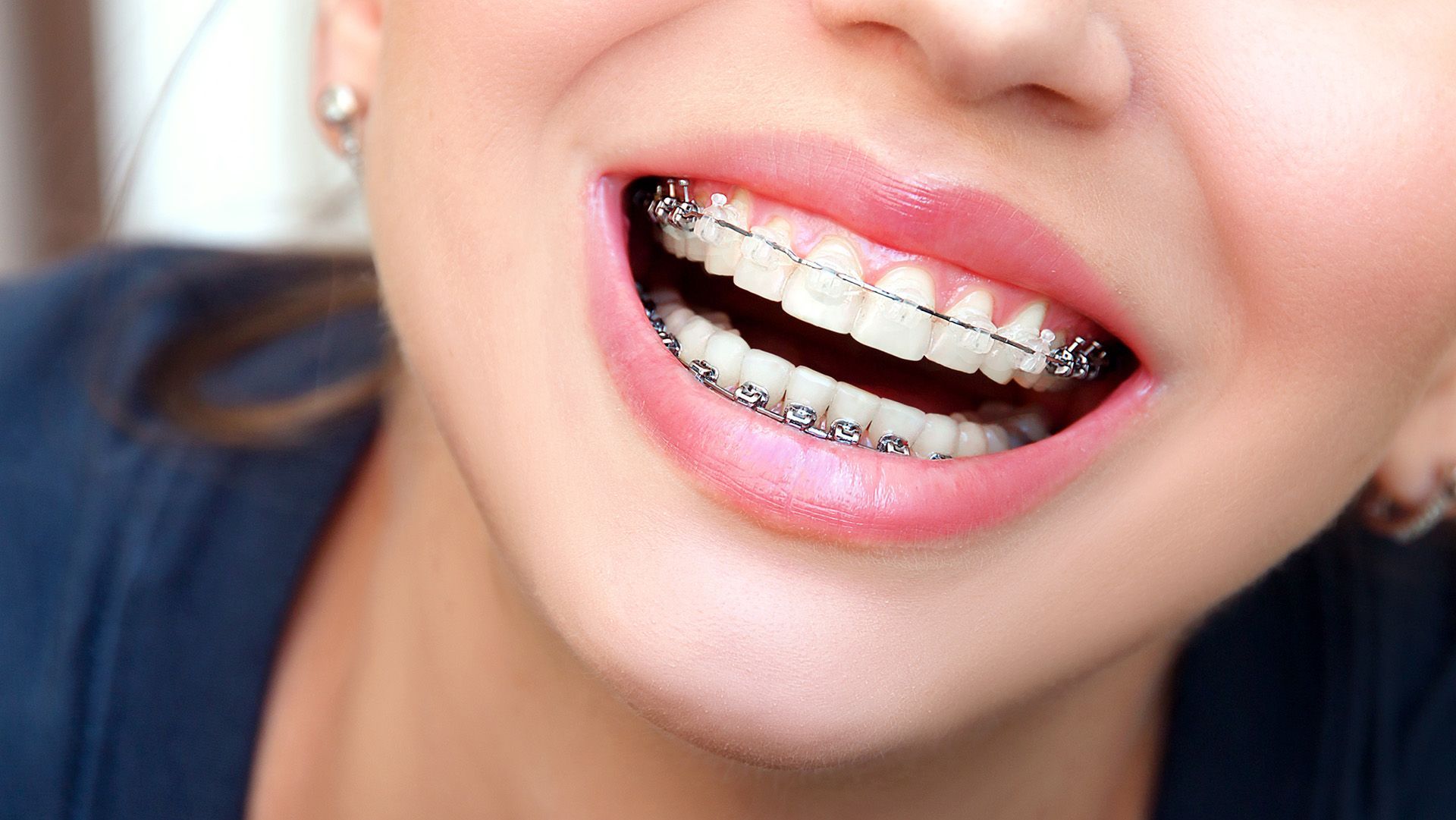
Traditional metal braces have been a trusted method for teeth straightening for decades. They consist of metal brackets and wires that are adjusted over time to gradually align your teeth. The pros of metal braces include their durability, effectiveness, and cost-effectiveness. However, some adults may hesitate to choose metal braces due to their noticeable appearance.
Ceramic Braces: A Discreet Alternative
For adults seeking a more discreet option, ceramic braces are an excellent choice. Made of tooth-colored or clear materials, these braces blend in with your teeth, making them less noticeable. Ceramic braces offer similar benefits to metal braces but with a more aesthetic appeal. They are slightly more fragile than metal braces and may require more care to prevent staining.
Invisalign Aligners: The Virtually Invisible Solution
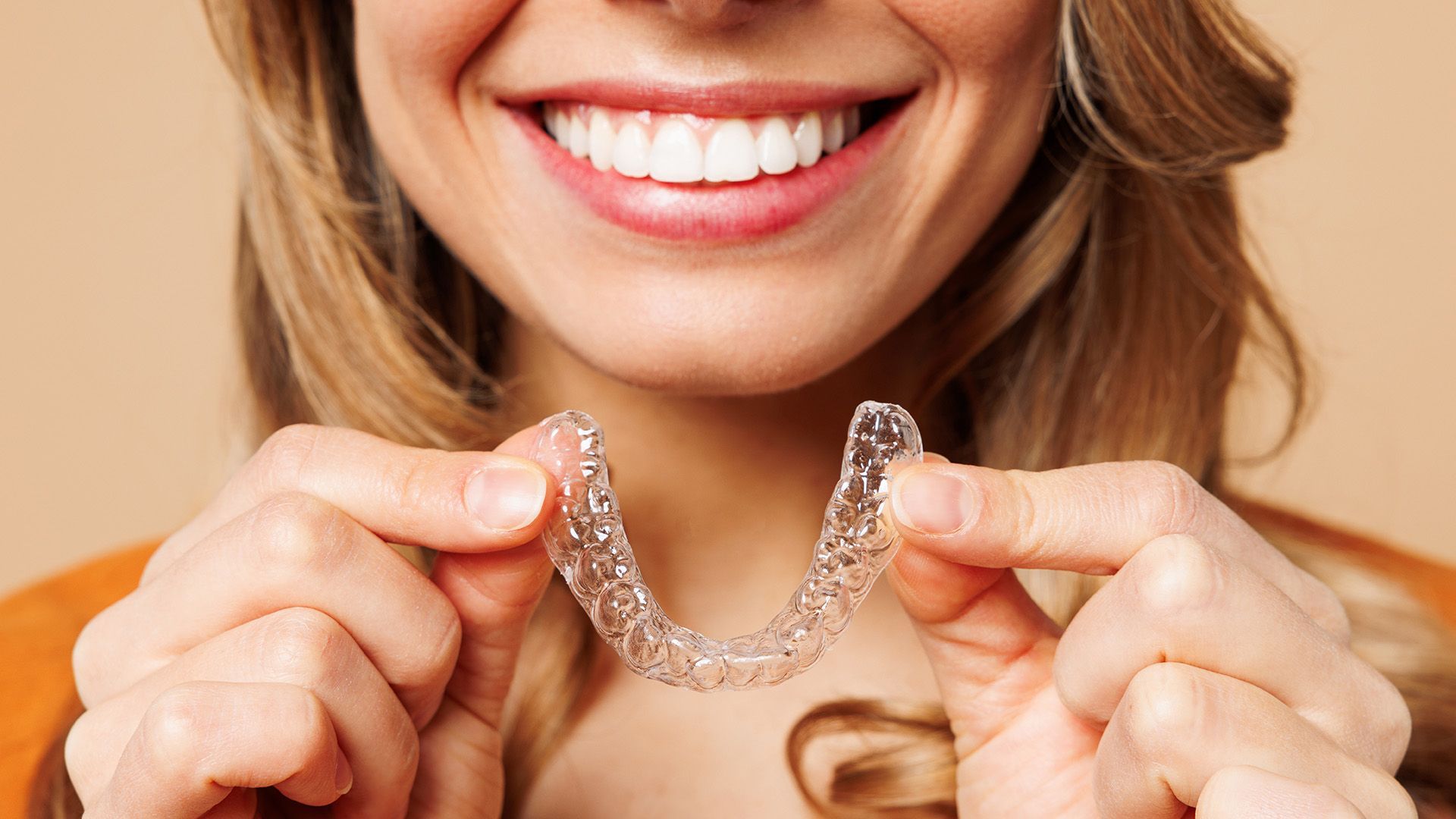
If you prefer a nearly invisible solution, Invisalign aligners are a great option. These custom-made clear aligners gradually move your teeth into their desired position. Invisalign aligners are removable, allowing you to eat, drink, and clean your teeth without restrictions. They are comfortable to wear and offer a discreet treatment option for adults. However, it's important to note that Invisalign may not be suitable for complex orthodontic cases.
At Baptiste Orthodontics, our experienced orthodontists will assess your specific needs and recommend the most suitable type of braces for you. Whether you opt for traditional metal braces, ceramic braces, or Invisalign aligners, our goal is to help you achieve a confident and beautiful smile. Schedule a consultation today to learn more about our adult orthodontic treatment options!
Taking Care of Your Braces: Tips and Best Practices
Proper oral hygiene is essential when caring for your braces. Here are some dos and don'ts to keep in mind:
- Do brush your teeth thoroughly after every meal and snack. Use a soft-bristled toothbrush and fluoride toothpaste to clean all surfaces of your teeth and braces. Pay extra attention to the areas around the brackets and wires.
- Don't forget to floss daily. Use a floss threader or orthodontic floss to navigate around the wires and remove plaque and food particles from between your teeth.
- Do rinse your mouth with an antiseptic mouthwash to help kill bacteria and prevent gum inflammation.
- Don't chew on hard or sticky foods that can damage your braces. Avoid items like popcorn, hard candies, ice, and chewing gum.
Next, let's discuss dietary considerations during braces treatment:
While you can still enjoy most of your favorite foods, it's important to make some adjustments to protect your braces. Here are a few tips:
- Avoid hard and crunchy foods that can break your braces or bend the wires. Opt for softer alternatives like steamed vegetables, yogurt, and mashed potatoes.
- Limit your intake of sugary and acidic foods and beverages, as they can increase the risk of tooth decay and staining. Rinse your mouth with water after consuming these items.
- Stay hydrated by drinking plenty of water throughout the day. This helps wash away food particles and keeps your mouth moist.
Lastly, let's address the discomfort and common issues that may arise during your braces treatment:
It's normal to experience some discomfort when your braces are first placed or adjusted. Here are a few ways to manage it:
- Use over-the-counter pain relievers like ibuprofen or acetaminophen as directed by your orthodontist.
- Apply orthodontic wax to any areas of your braces that are causing irritation or rubbing against your cheeks or lips.
- If a wire or bracket becomes loose or breaks, contact your orthodontist immediately to schedule a repair appointment.
Remember, taking care of your braces is crucial for achieving the best results. By following these tips and best practices, you'll be on your way to a beautiful, healthy smile!