Bracing Teeth
Bracing teeth is a transformative process that can lead to a healthier, more confident smile. Whether you are considering braces for yourself or your child, understanding the various aspects of orthodontic treatment is essential. This article delves into the intricacies of bracing teeth, exploring the different types of braces available, how they work, and the numerous benefits they offer. We will also highlight potential risks and considerations, as well as what to expect during your orthodontic journey. At Baptiste Orthodontics, our goal is to provide you with the information you need to make informed decisions about your dental care and achieve the smile you desire.
Overview
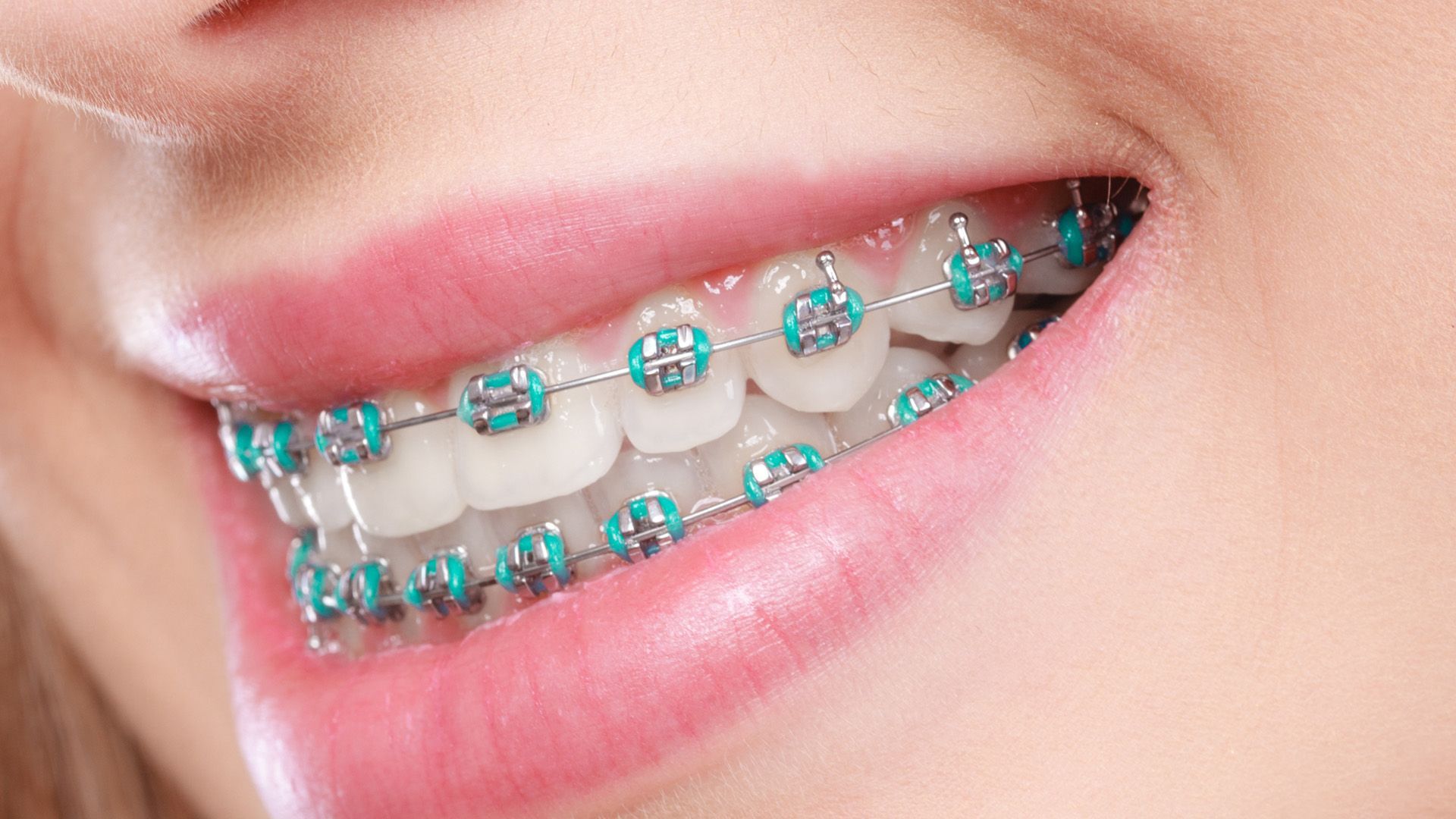
Braces are dental devices designed to straighten and align teeth, improving both their function and appearance. They consist of brackets for teeth, wires, and bands that work together to gradually move teeth into their desired positions. The primary purpose of braces is to correct misalignment, overcrowding, and bite issues, ultimately leading to a healthier smile.
Orthodontic treatment, including the use of braces, is essential for maintaining oral health. Misaligned teeth can lead to various dental problems, including tooth decay, gum disease, and difficulty in chewing or speaking. By addressing these issues early on, braces can help prevent more severe health complications in the future, making them a crucial investment in one’s overall well-being.
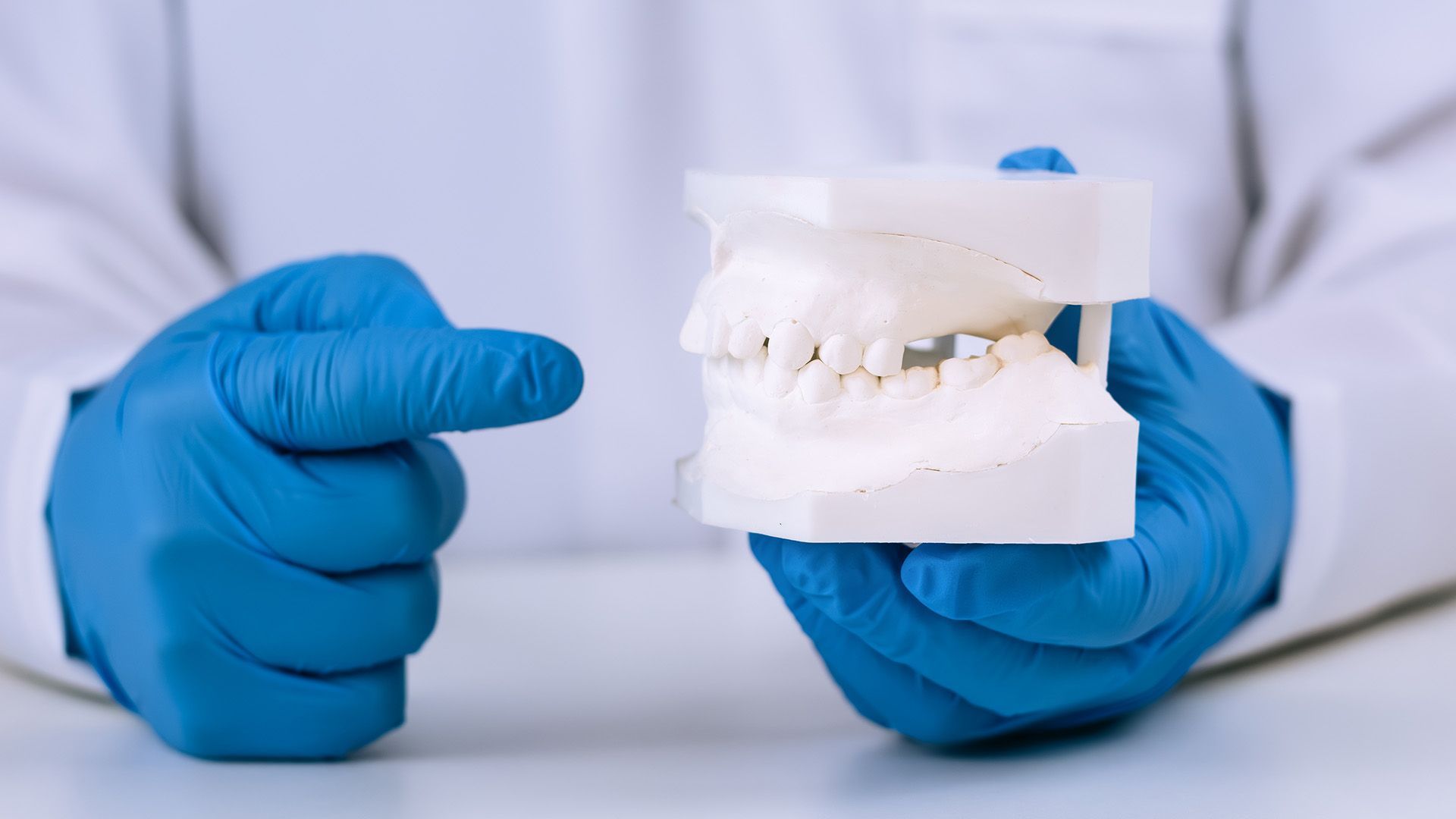
There are several common reasons why individuals may need braces. Many people seek orthodontic treatment due to overcrowded teeth, where there is insufficient space in the mouth, leading to misalignment. Others may require braces to correct gaps between teeth or to fix an overbite or underbite, conditions where the upper and lower teeth do not align properly. Additionally, some individuals may have experienced dental trauma or developmental issues that necessitate the use of braces to achieve a well-aligned smile.
Types of Braces
When it comes to bracing teeth, there are several options available to suit individual needs and preferences. Understanding the different types of braces can help you make an informed decision about your orthodontic treatment.
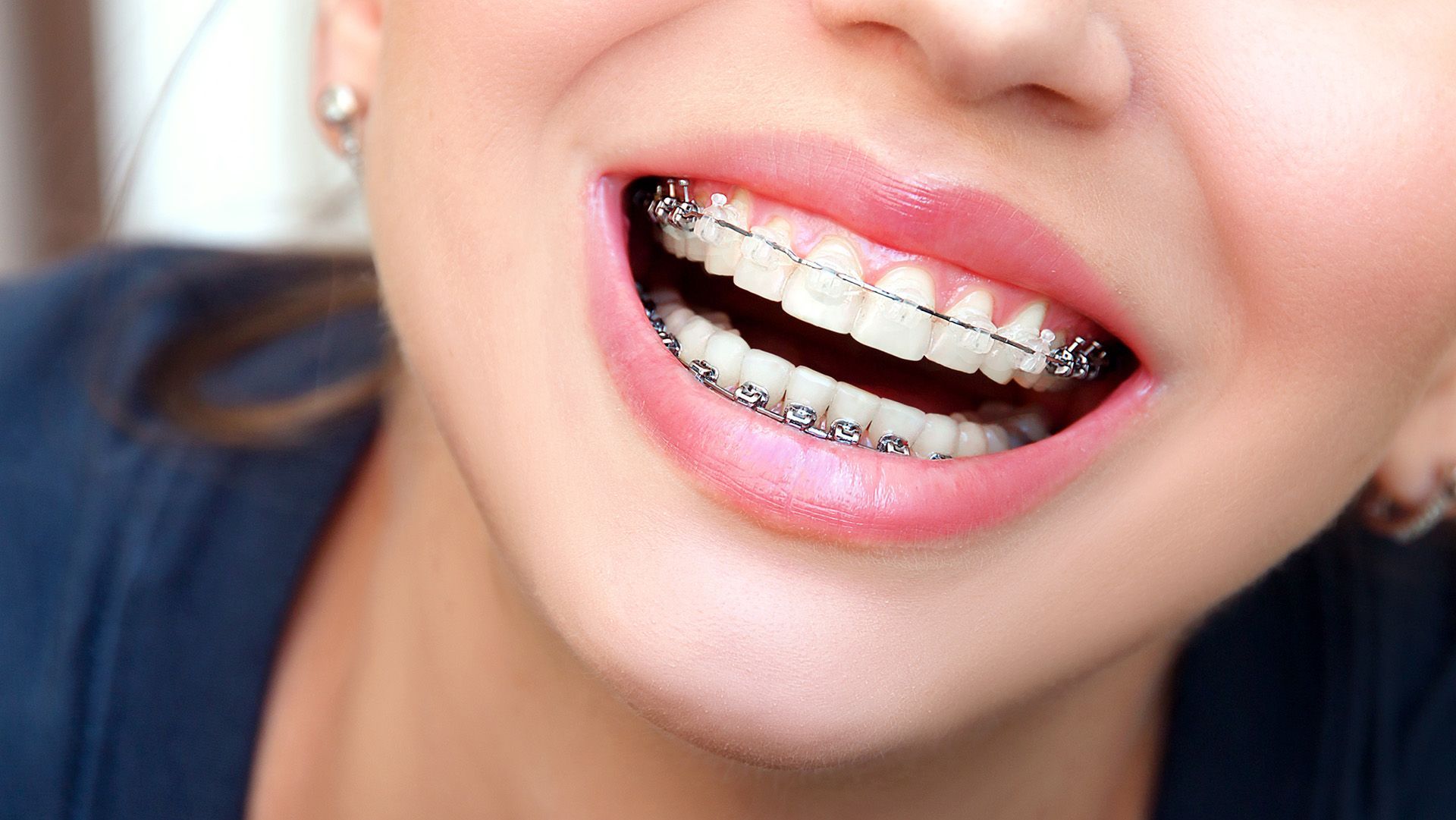
Traditional metal braces are the most common type of braces used to straighten teeth. Made from high-grade stainless steel, these braces consist of brackets for teeth and wires that work together to apply pressure on the teeth, gradually shifting them into the desired position. Metal braces are durable and effective, making them a popular choice for patients of all ages.
Ceramic braces offer a more discreet alternative to traditional metal braces. Constructed from clear or tooth-colored materials, ceramic braces blend in with the natural color of your teeth, making them less noticeable. While they function similarly to metal braces, they may require additional care to avoid staining and are often considered for adults or teens who prefer a subtler option.
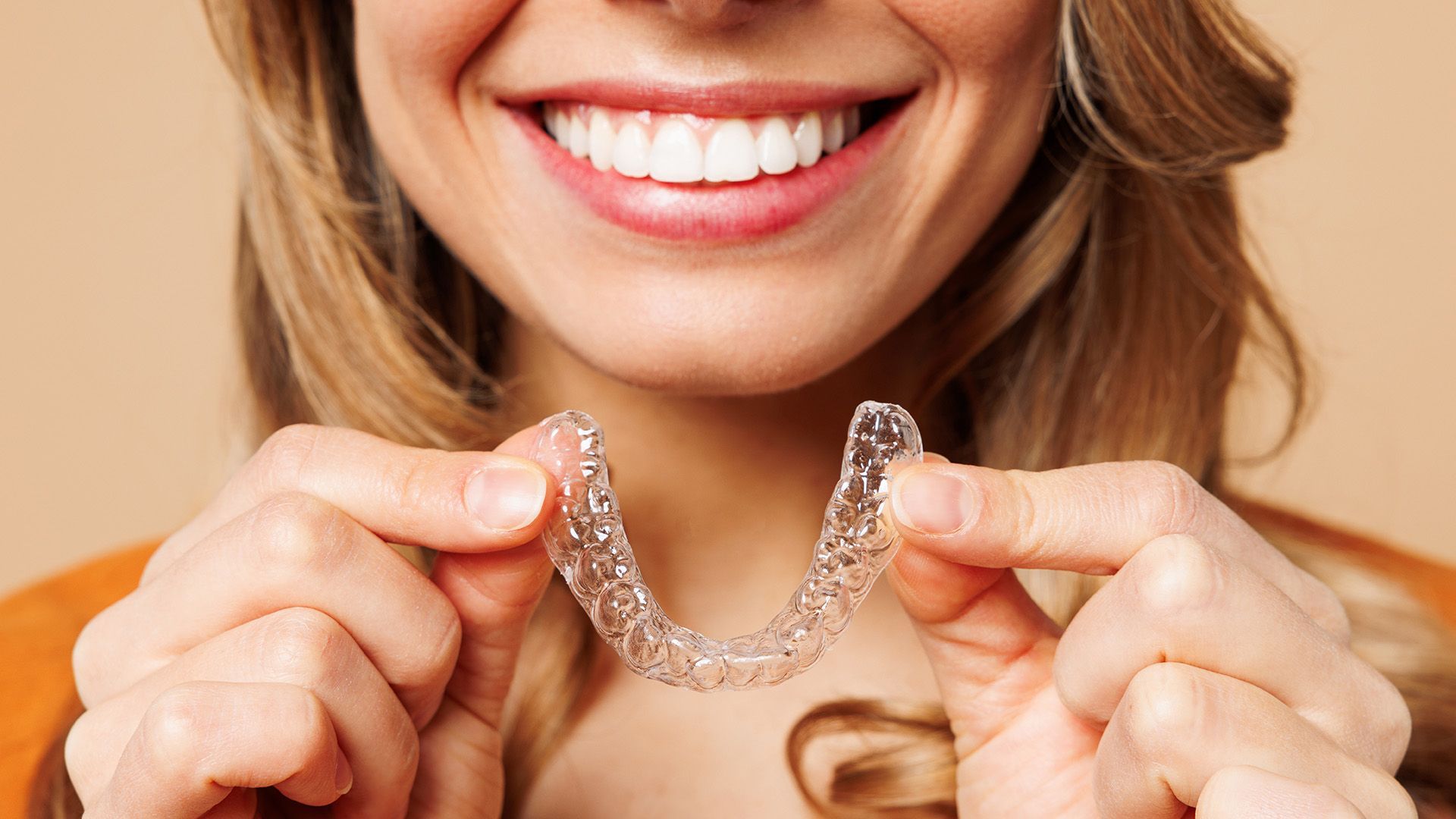
Clear aligners represent a cutting-edge approach to bracing teeth. These custom-made, removable trays are designed to gradually shift your teeth into alignment without the use of brackets and wires. Clear aligners provide the ultimate convenience and flexibility, allowing for easy cleaning and a more comfortable fit. This option is particularly appealing to those who value aesthetics and want a virtually invisible solution for their orthodontic needs.
How Braces Work
Braces work by applying gentle, continuous pressure to your teeth over time, gradually moving them into their desired positions. The primary mechanics of teeth movement involve the use of brackets for teeth, archwires, and elastic bands. Brackets are bonded to each tooth, and the archwire connects these brackets. As the archwire is adjusted and tightened during your appointments, it exerts pressure on the teeth, leading to the gradual repositioning of your smile.
The duration of treatment with braces varies depending on individual needs, but on average, patients can expect to wear braces for 18 to 24 months. Factors such as the severity of misalignment and the patient's age can influence this timeline. Early intervention can sometimes shorten treatment time, making it essential to consult with an orthodontist for a personalized assessment.
Regular adjustments are a crucial part of the braces process, typically scheduled every 4 to 8 weeks. These appointments allow your orthodontist to assess progress and make necessary changes to the archwire or bands. Adjustments are significant because they ensure that the pressure applied to the teeth is optimal for continued movement, enhancing treatment efficiency and effectiveness. Staying on schedule with your adjustments is vital to achieving the best results in the shortest time possible.
Benefits of Braces
Braces offer a multitude of benefits that extend beyond just straightening teeth. One of the most significant advantages is the improvement in dental health. Misaligned teeth can lead to a variety of issues, including tooth decay and gum disease, as they are harder to clean properly. By straightening teeth, braces help ensure that every surface is accessible during brushing and flossing, promoting better oral hygiene and reducing the risk of future dental problems.
Beyond health, braces can dramatically enhance a person's appearance and self-esteem. A straight smile often leads to increased confidence, allowing individuals to feel more comfortable in social situations and express themselves freely. This boost in self-image can have a positive impact on various aspects of life, including personal relationships and professional opportunities.
Investing in braces can also result in long-term cost savings on dental work. By addressing alignment issues early on, patients can avoid more complex and costly procedures down the line, such as extractions or restorative work due to neglected oral health. The upfront investment in braces often pays off in the long run, making it a wise choice for both current and future dental health.
Potential Risks and Considerations
When considering bracing teeth, it's essential to be aware of potential risks and side effects that may arise during treatment. Common side effects include discomfort, particularly in the initial days after braces are placed or adjusted. Patients may experience soreness in their gums or teeth as they begin to shift into their new positions. Additionally, some individuals may find that their teeth become sensitive to certain temperatures during the early stages of treatment.
While most patients experience only mild side effects, there are possible complications that can occur. These may include issues such as decalcification, which can lead to white spots on the teeth, or in more serious cases, root resorption, where the roots of the teeth shorten due to the pressure from braces. It’s crucial to follow your orthodontist’s advice and maintain good oral hygiene to mitigate these risks.
Regular check-ups are vital for monitoring progress and addressing any complications that may arise. During these visits, your orthodontist can make necessary adjustments to your braces, ensuring that your treatment stays on track. Regular appointments also allow for the early detection of any potential issues, helping to ensure a smooth and effective treatment process. At Baptiste Orthodontics, we prioritize your dental health and are committed to providing comprehensive care throughout your orthodontic journey.
What to Expect During Treatment
Undergoing orthodontic treatment to brace your teeth is an important step towards achieving a healthier, more confident smile. The process begins with an initial consultation at Baptiste Orthodontics, where our experienced orthodontist will assess your dental health and discuss your goals. We will take necessary X-rays and photographs to create a personalized treatment plan tailored to your specific needs. This appointment is crucial for determining the best approach to align your teeth effectively.
Once your treatment plan is established, we will schedule a fitting appointment to place your braces. During this visit, our team will carefully apply the brackets for teeth and wires to your teeth, ensuring everything is adjusted for maximum comfort and effectiveness. Regular adjustment appointments will follow every few weeks, allowing us to monitor your progress and make any necessary tweaks to your braces. These visits are essential for maintaining the correct pressure on your teeth and achieving the desired results within the estimated timeframe.
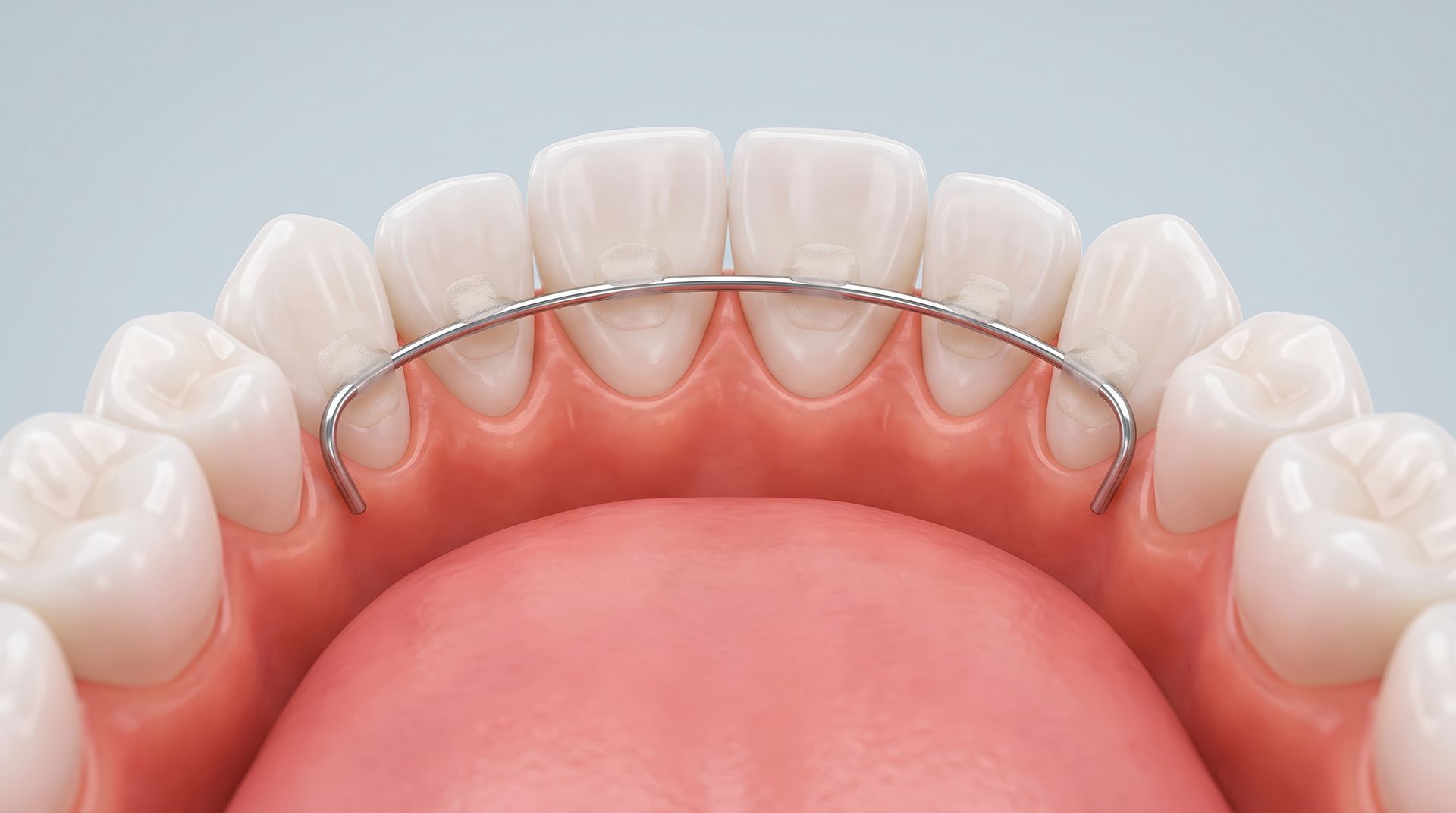
After your braces are removed, post-treatment care and maintenance will be vital to ensuring your new smile lasts a lifetime. We will provide you with detailed instructions on how to care for your teeth and may recommend a retainer to help maintain your new alignment. Adhering to these guidelines will not only protect your investment but also keep your smile looking its best.