Can You Get Braces if You Already Have Dental Crowns or Implants?
Yes. Many people with dental crowns or implants can still straighten their teeth with braces or clear aligners. The right plan depends on the type and condition of your restorations, their location, and your orthodontic goals. With careful planning and coordination between your orthodontist and dentist, treatment can be safe, effective, and customized to your smile. If you’re wondering if you can get braces if you already have dental crowns or implants, the short answer is that most patients can pursue orthodontic care with adjustments tailored to their restorations. Below, learn how crowns and implants interact with orthodontic appliances, what modifications may be needed, and how to keep your teeth and gums healthy throughout treatment.

Understanding Dental Crowns and Implants
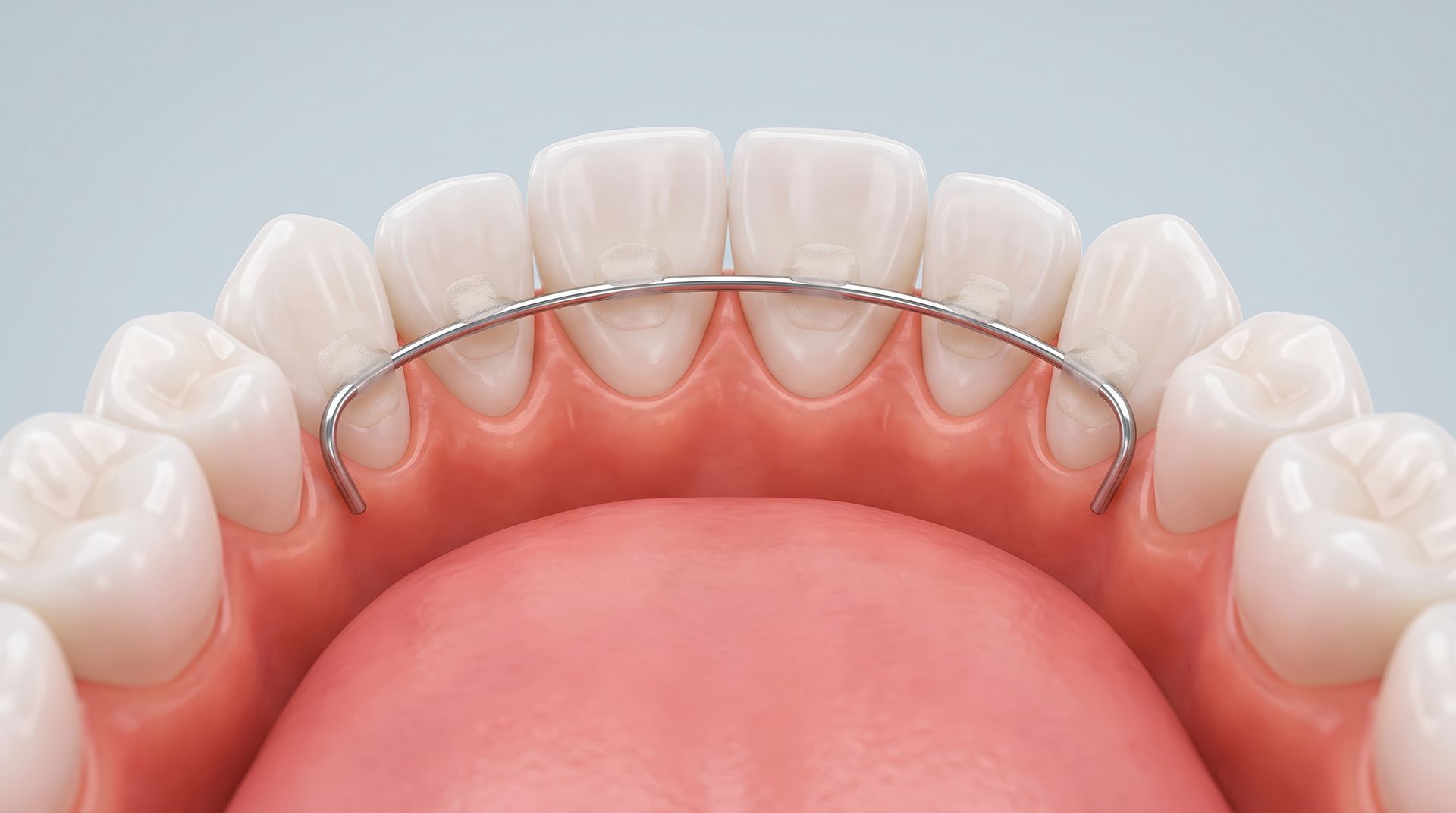
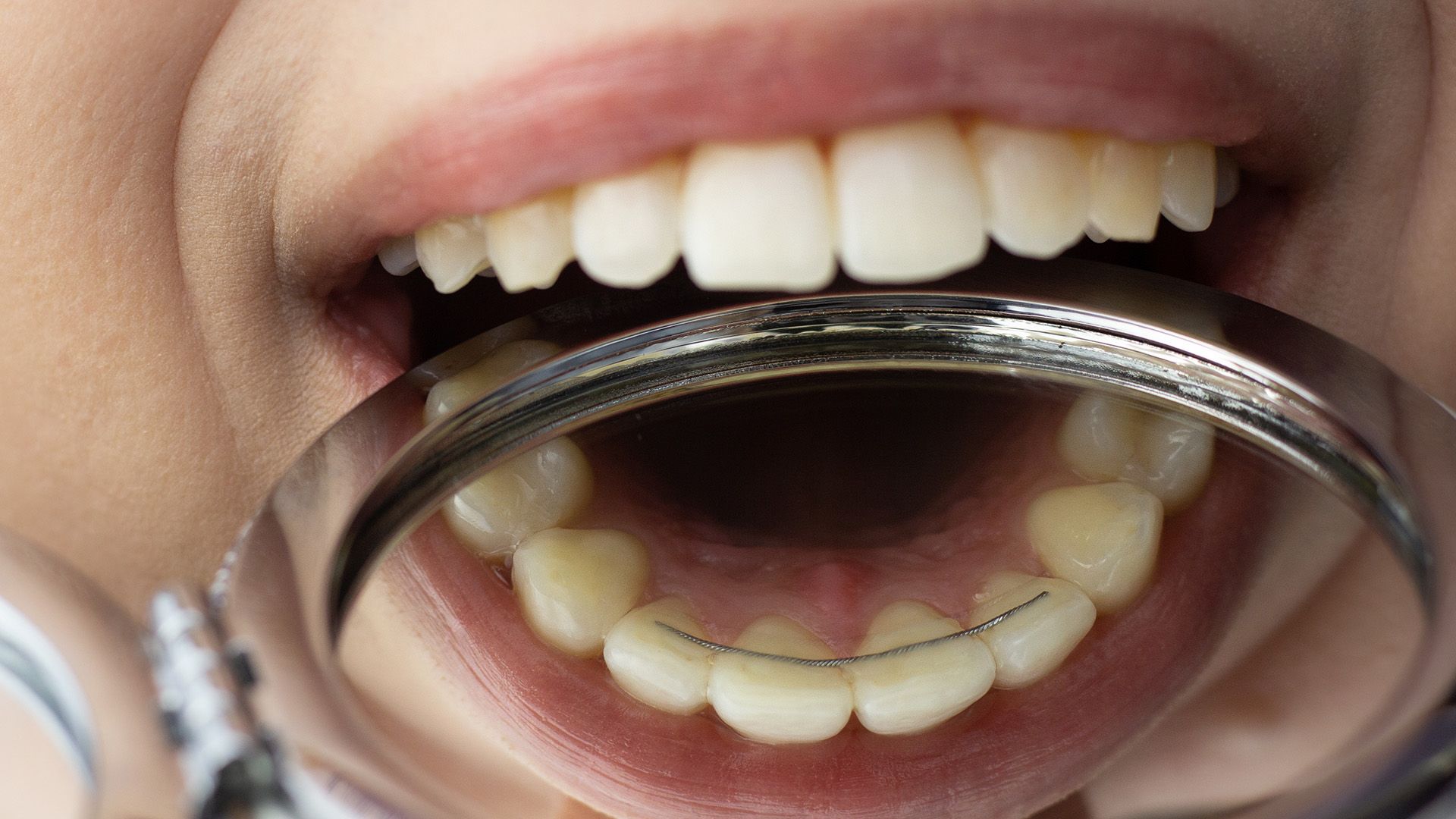
Dental crowns are custom caps placed over a tooth to restore strength, shape, and appearance after damage, decay, or root canal therapy. Materials include porcelain, ceramic, metal, or combinations, and the crown is cemented onto the prepared natural tooth underneath.
Dental implants replace missing teeth. An implant consists of a titanium post that integrates with the jawbone, an abutment, and a crown on top. Unlike a crown on a natural tooth, an implant-supported crown is anchored to the implant post rather than a tooth root.
Both restorations improve function and aesthetics. Crowns protect weakened teeth; implants replace entire teeth to prevent shifting, maintain bite balance, and help preserve jawbone where a tooth is missing.
Key difference: natural teeth have periodontal ligaments that allow small, controlled movements during orthodontic treatment. A tooth with a crown can be moved because the natural root and ligament remain. An implant, however, is fused to the bone and does not move with braces or aligners.
Can I Get Braces with Dental Crowns?
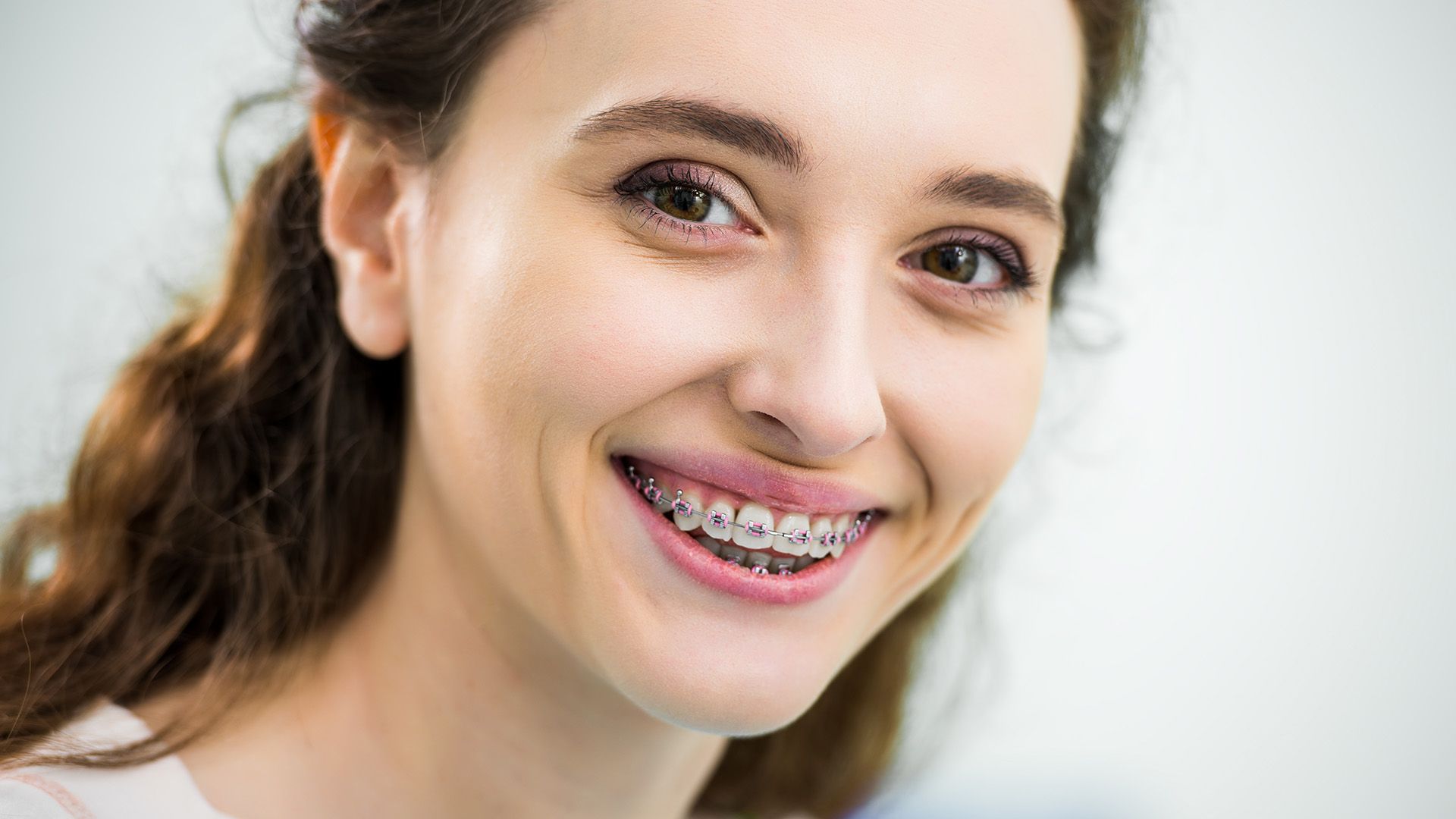
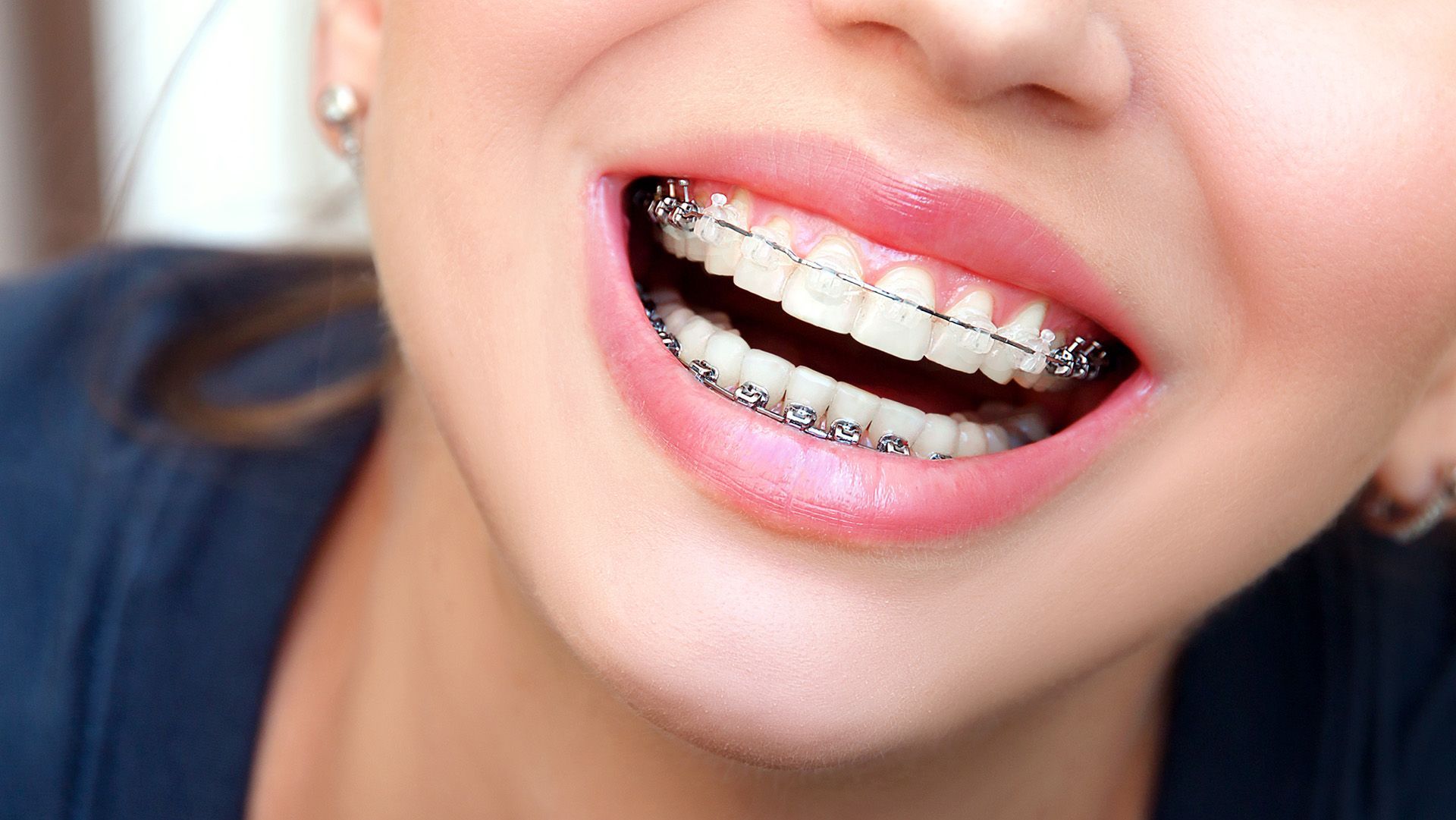
In most cases, yes. Teeth with crowns can be included in orthodontic treatment because the underlying tooth and ligament are still present. Your orthodontist will evaluate the crown material and the health of the tooth and gums before deciding how to attach brackets or aligner attachments.
Important considerations include protecting the crown’s surface, ensuring reliable bonding, and safeguarding the margin where the crown meets the tooth. Your orthodontist may use specific adhesives and bonding methods designed for porcelain or ceramic to keep brackets or attachments secure without damaging the crown.
Treatment adjustments may involve selecting bracket bases compatible with crown materials, modifying the amount and direction of force on crowned teeth, and using auxiliary appliances to distribute pressure more evenly. If a crown is older, loose, cracked, or has decay at the margins, your dentist may advise repairing or replacing it before starting orthodontics.
For patients using clear aligners, attachments can often be bonded to crowns with careful surface preparation. Your orthodontist will coordinate with your general dentist to maintain the integrity and appearance of existing crowns from start to finish. Crowned teeth are typically manageable with thoughtful planning.
Can I Get Braces with Dental Implants?
Yes, but implants and braces interact differently than crowns and braces. Because implants are integrated with the bone, they do not move in response to orthodontic forces. Braces and aligners cannot reposition an existing implant, but they can move the surrounding natural teeth around it to improve alignment and bite.
If you already have an implant, your orthodontist will design tooth movement around its fixed position. Goals may include creating ideal spacing, improving the bite, and aligning adjacent teeth to enhance function and appearance. If the implant is not ideally positioned, braces cannot shift it; correcting the position typically requires removal and replacement, which is considered only when clearly beneficial and coordinated with your restorative dentist or surgeon.
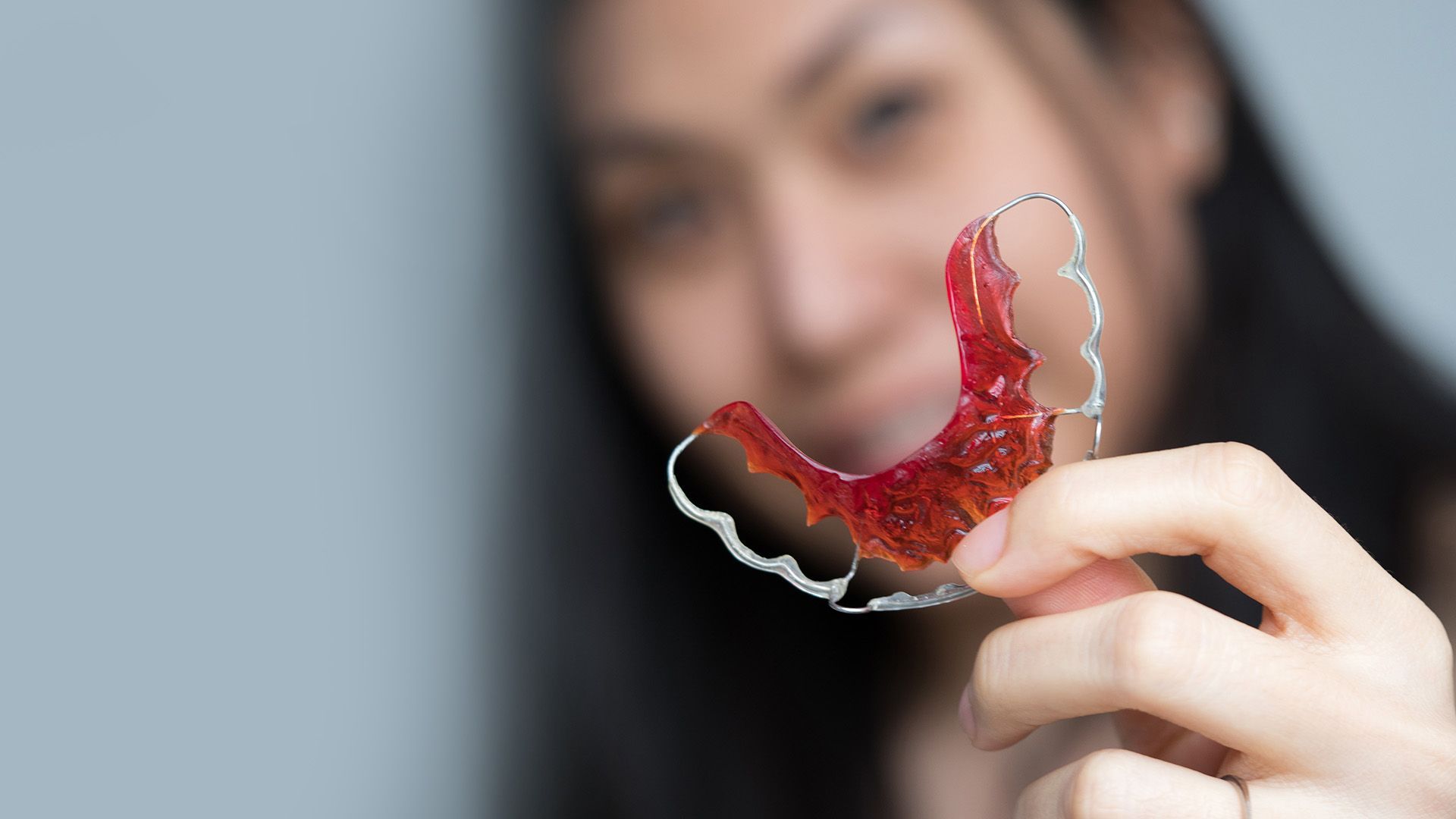
When both implants and orthodontics are planned, many providers recommend completing orthodontic treatment first and placing the implant afterward. This sequence allows precise alignment and optimal space for an implant crown that looks natural and functions properly. During treatment, a temporary tooth replacement such as a flipper, Maryland bridge, or provisional crown may be used to maintain appearance and chewing comfort.
Your orthodontist will collaborate closely with your restorative dentist or oral surgeon on timing, site development, and the final restorative plan so that bite, gumline, and smile goals are aligned. For those asking if you can get braces if you already have dental crowns or implants, the presence of an implant calls for a tailored approach where the implant remains stationary and natural teeth are guided into better positions.
Alternative Orthodontic Options for Patients with Crowns and Implants
Clear aligners are a strong option for many patients with crowns and implants. Aligners apply controlled forces to move natural teeth while leaving implants stationary. With proper preparation, attachments can be bonded to crowns, and treatment plans can be designed to avoid placing unnecessary force on restored teeth.
The best approach depends on several factors:
- Bite complexity and the type of movements required
- Number, location, and condition of crowns or implants
- Health of the gums and supporting bone
- Your cosmetic preferences and lifestyle
Some patients benefit from a hybrid plan, using limited braces in certain areas with aligners elsewhere, or adding temporary anchorage devices to achieve specific movements while protecting restorations.
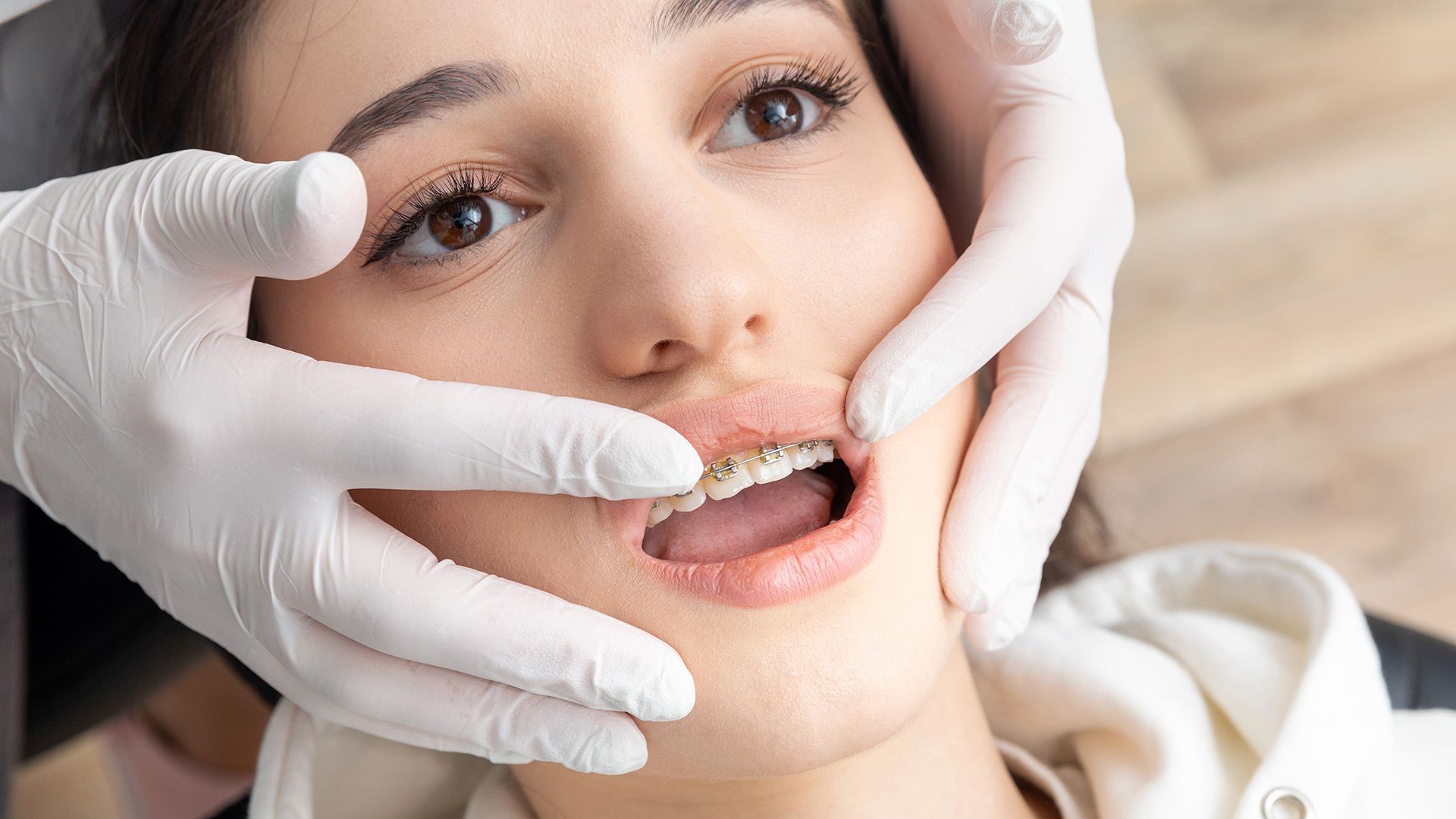
The most reliable way to decide is through a comprehensive consultation. Your orthodontist will take digital scans, X-rays, and photos, assess existing restorations, and align the orthodontic plan with your restorative and cosmetic goals. A personalized roadmap will outline treatment options, timelines, costs, and how your crowns or implants will be protected at every stage. A consultation provides clarity on feasibility and sequencing.
Maintaining Oral Hygiene with Braces, Crowns, and Implants
Excellent oral hygiene is essential during orthodontic treatment, especially with crowns or implants. Effective plaque control reduces the risk of gum inflammation, decay at crown margins, and peri-implant disease.
For braces and crowns:
- Brush for two minutes twice daily with a soft brush and fluoride toothpaste.
- Use an interdental brush to clean under wires and around brackets.
- Thread floss or use a water flosser to remove plaque at crown edges and along the gumline.
- Consider a fluoride rinse to strengthen enamel near bracket sites and crown margins.
For implants:
- Focus on the gumline around the implant crown and abutment.
- Use super floss or implant-safe interdental brushes to clean under crown contours.
- Consider a water flosser to disrupt plaque without irritating tissues.
- Watch for redness, bleeding, or tenderness and contact your dental team if symptoms persist.
Keep up with regular professional cleanings and check-ups. Your orthodontist and dentist will adjust hygiene strategies, confirm that adhesives and attachments remain secure on crowns, and ensure implant tissues stay healthy. With consistent care and a coordinated team, you can protect your restorations and achieve a well-aligned, confident smile. For anyone considering if you can get braces if you already have dental crowns or implants, strong hygiene and a coordinated plan make successful treatment more predictable.