Understanding Orthodontic Treatment Lengths: What to Expect
Curious how long orthodontic treatment takes? The timeline depends on your bite, the appliance you choose, and how closely you follow your orthodontist’s guidance. At Baptiste Orthodontics, every plan is customized to your goals and oral health, and we provide clear expectations from the start. Use this guide to see what affects orthodontic treatment lengths, typical timeframes for braces and clear aligners, and how to keep your smile on schedule.

How Long Does Orthodontic Treatment Typically Take?
Most comprehensive treatments take 12 to 24 months. Mild crowding or spacing may finish in 6 to 12 months, while complex bite issues, such as pronounced overbites, underbites, or open bites, can extend to 24 to 30 months or longer. Limited cosmetic movements may be completed in a shorter period, especially with targeted aligner plans. These ranges represent common orthodontic treatment lengths for a wide variety of cases.
Age can influence pace. Teens often experience efficient tooth movement because their jaws are still developing, which can streamline bite correction. Adults also achieve excellent results, though complex movements may take slightly longer due to mature bone density or existing dental work. Younger children who begin Phase I (early interceptive) care typically wear appliances for 6 to 12 months, followed by a monitoring phase until comprehensive treatment is appropriate.
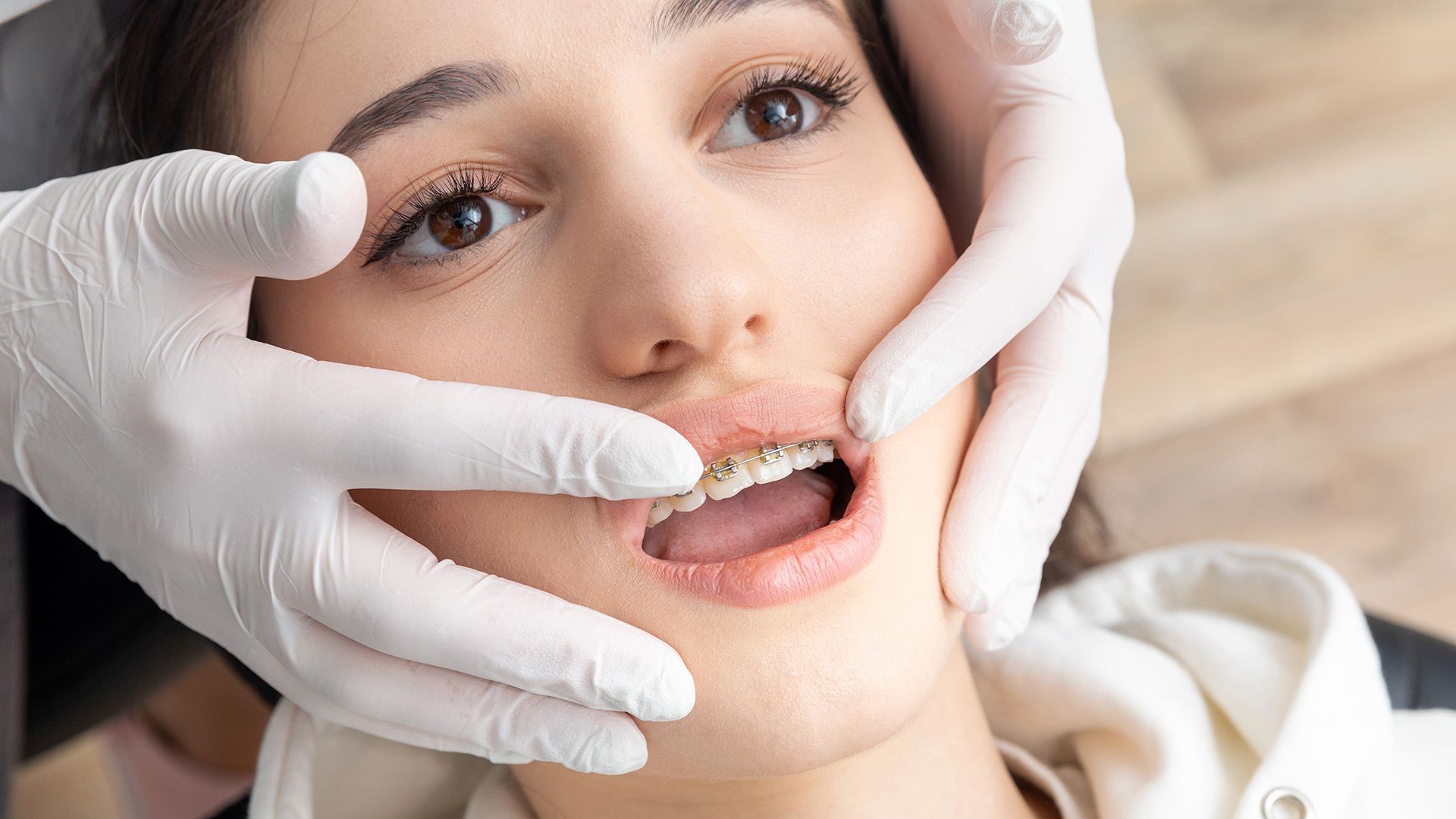
An in-person assessment is essential. The most accurate estimate follows a full exam with digital scans and imaging. Your orthodontist will evaluate tooth position, bite relationships, gum health, and growth patterns to recommend realistic orthodontic treatment lengths that fit your needs.
Key Factors That Influence Treatment Length
- Severity and complexity: Mild crowding requires fewer movements than severe rotations, impacted teeth, or significant bite discrepancies. Complex cases may need staged mechanics, elastics, or additional appliances, which can extend time and lead to longer orthodontic treatment lengths.
- Growth and timing: In growing patients, jaw development can speed or slow specific corrections depending on timing, especially for bite-related changes.
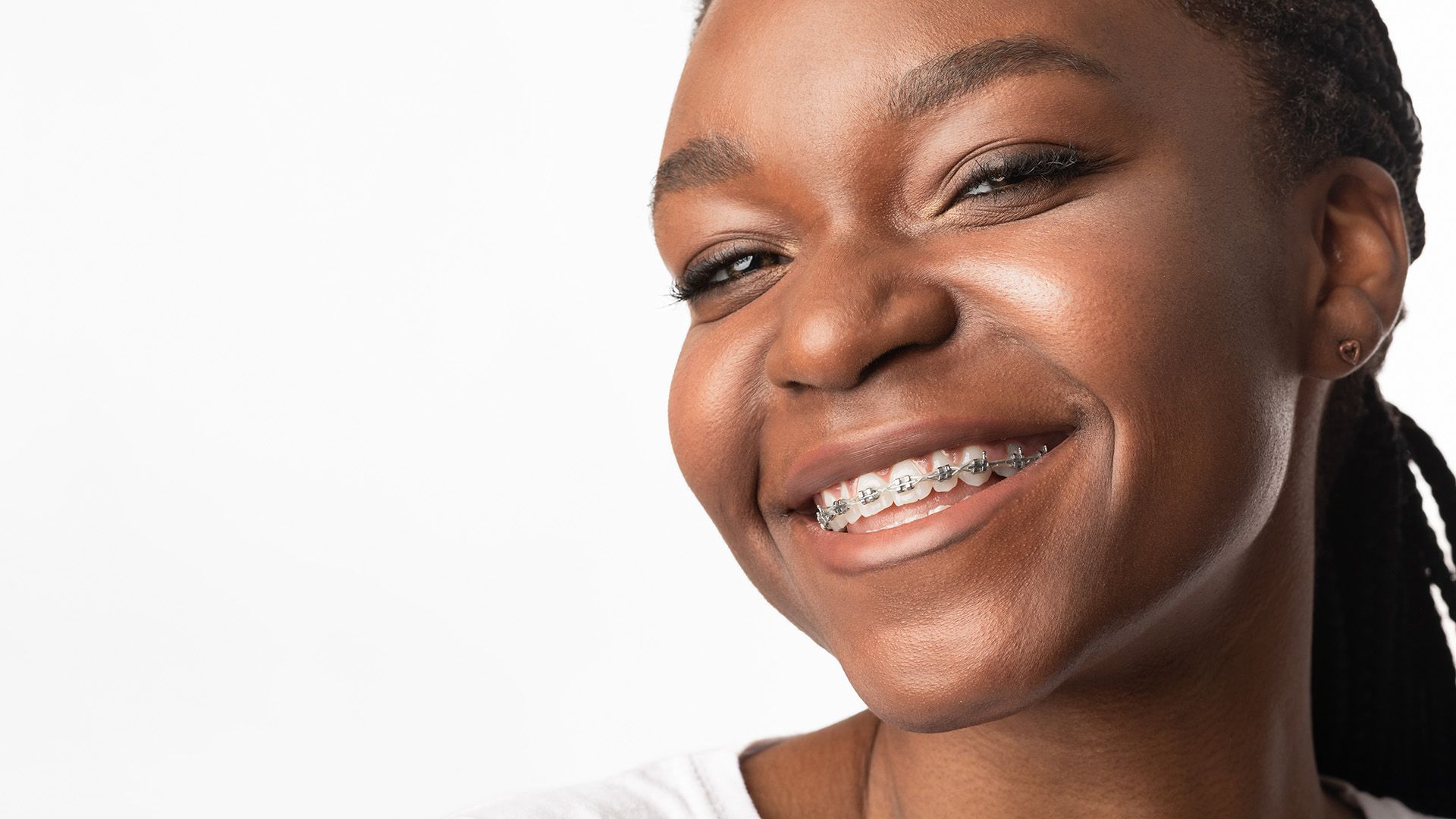
- Patient compliance: Consistent aligner wear (20 to 22 hours a day), using elastics as prescribed, protecting appliances during sports, and avoiding foods that damage brackets all prevent setbacks. Breakages or missed wear can add weeks or months.
- Visit cadence: Regular visits, typically every 6 to 10 weeks, keep progress steady. On-time appointments allow for precise adjustments, early troubleshooting, and timely refinements. Delays can stall movement and prolong treatment.
Treatment Options and Typical Timelines
| Treatment | Typical Duration | Best For |
|---|---|---|
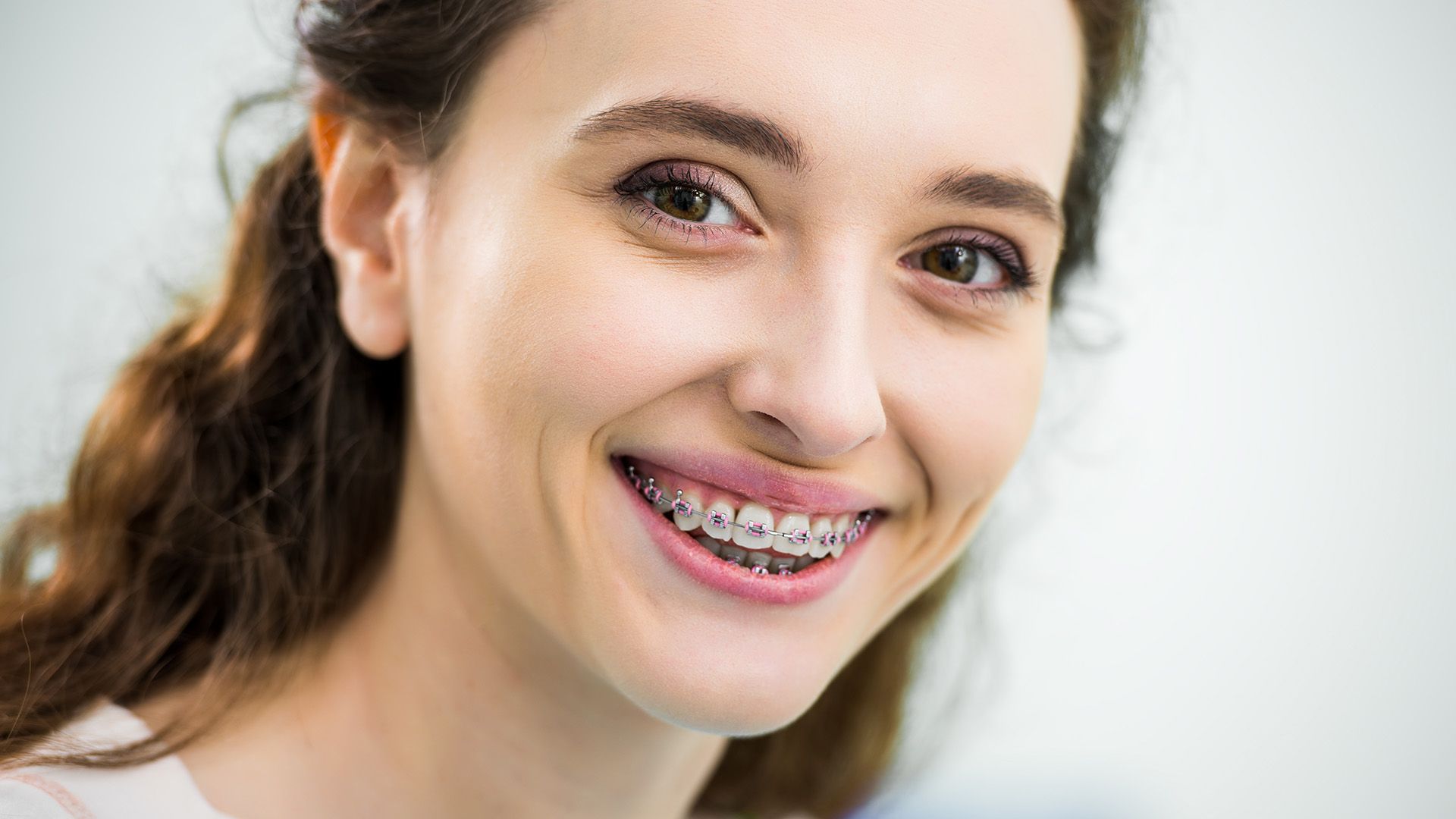
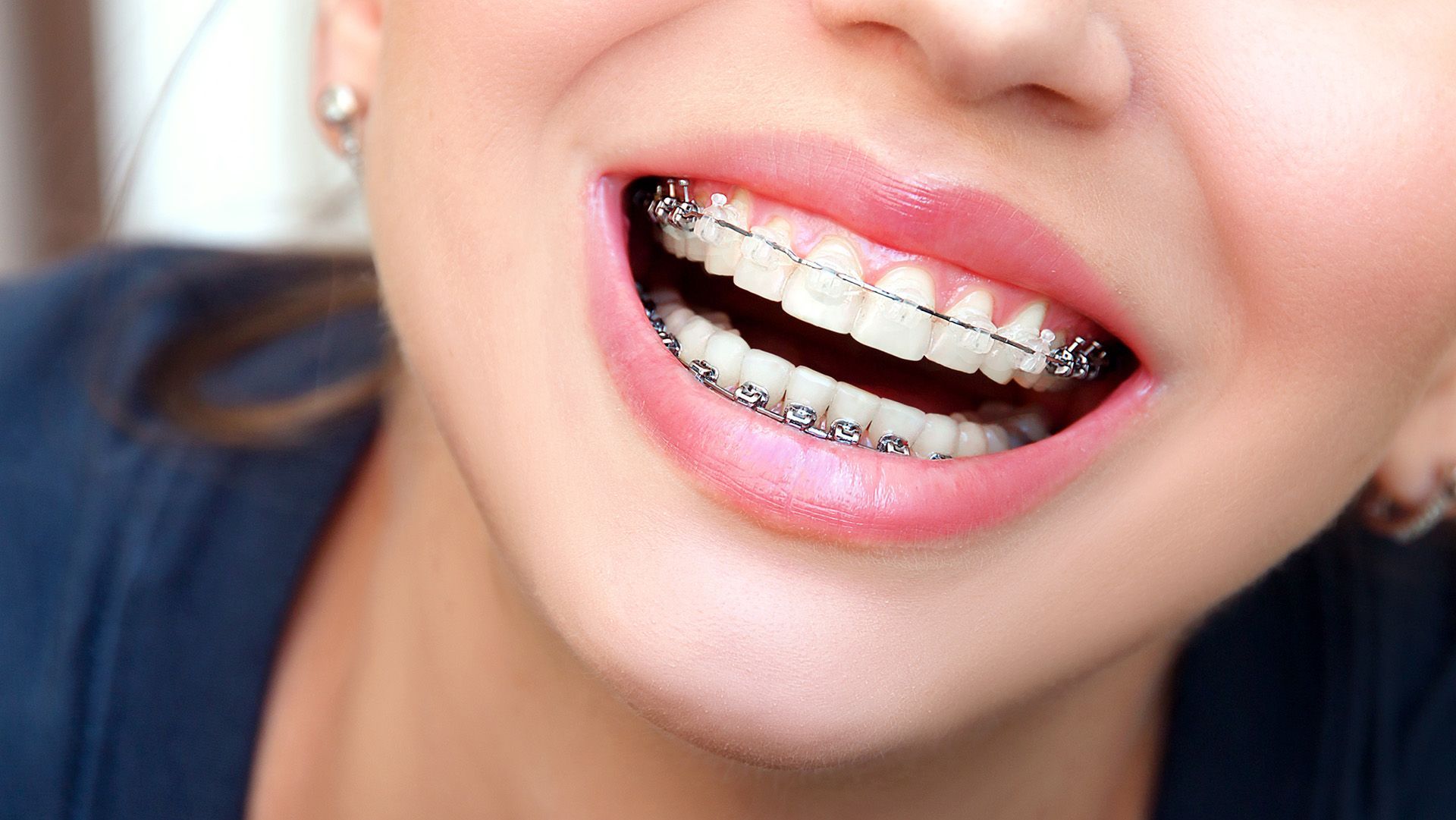
| Traditional metal braces | 12 to 24 months for comprehensive care; longer for complex bites | Reliable correction across mild to complex cases |
| Ceramic (clear) braces | Similar to metal braces | Patients who want a less noticeable fixed option |
| Clear aligners | 6 to 18 months for mild to moderate cases; 18 to 24 months for complex bites | Discreet treatment with strong emphasis on wear-time compliance |
| Phase I appliances (expanders, limited partial braces) | 6 to 12 months | Early interceptive care to guide growth and create space |
Success with any option hinges on consistent care and regular follow-ups. Clear aligners often require attachments or elastics for bite correction, and fixed braces may use elastics or other auxiliaries as needed. Your orthodontist will match the appliance to your goals, lifestyle, and the complexity of your case to establish appropriate orthodontic treatment lengths.
How to Keep Your Treatment on Track
- Prioritize oral hygiene: Brush after meals and floss daily to prevent inflammation and cavities that can interrupt treatment. Interdental brushes and water flossers help clean around brackets and under wires. If you wear aligners, clean both your teeth and trays to prevent buildup.
- Follow instructions precisely: Wear aligners 20 to 22 hours per day and change trays on schedule. Use elastics exactly as directed. Protect braces by avoiding hard, sticky, or chewy foods and wear a mouthguard during sports. Report broken brackets, loose wires, or lost aligners promptly to avoid delays.
- Stay consistent with appointments: Regular visits enable fine-tuned adjustments and early intervention if something goes off course. Start new aligner sets or elastics as instructed, and contact the office if discomfort exceeds normal tenderness or if attachments or brackets feel loose.
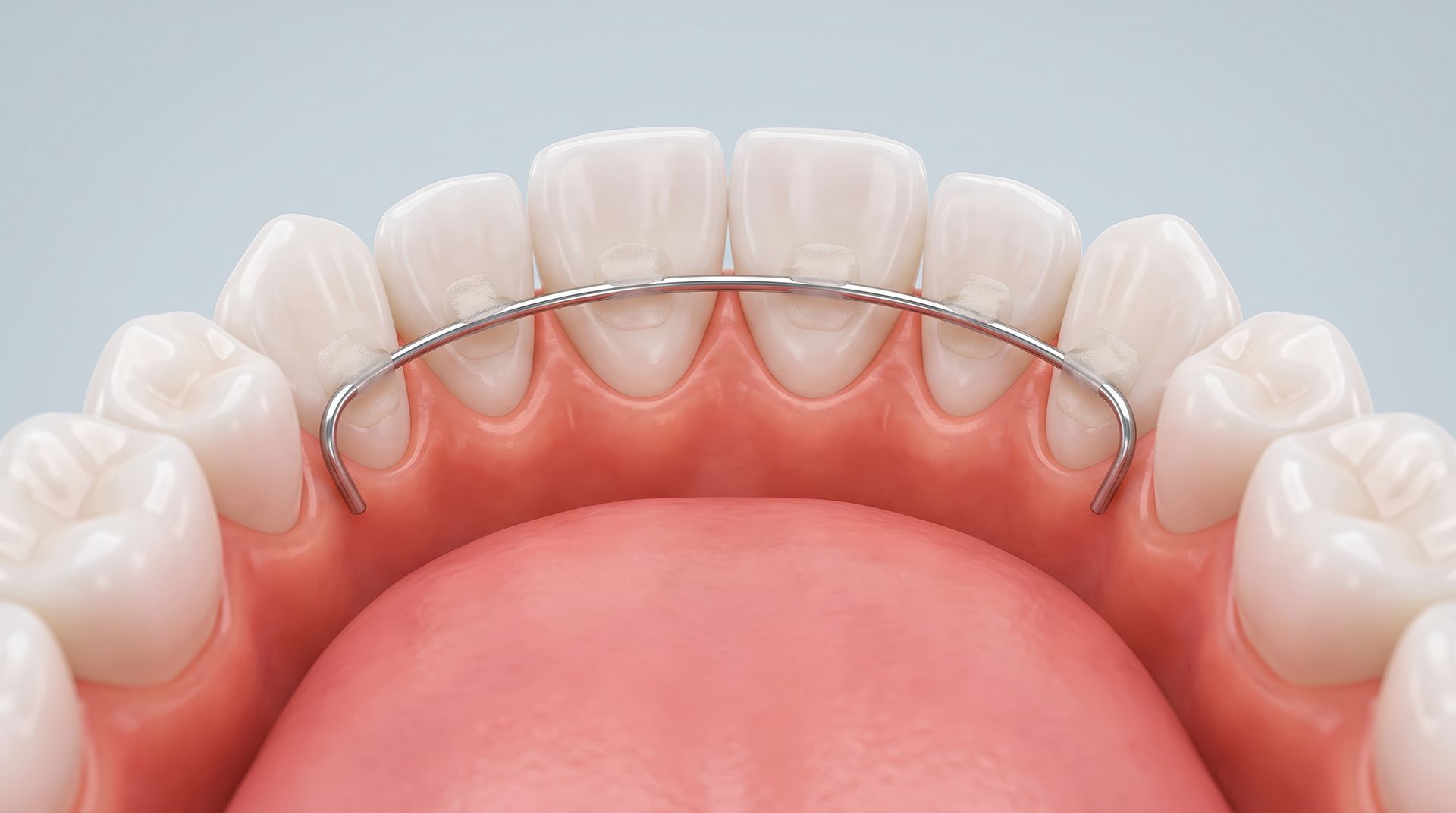
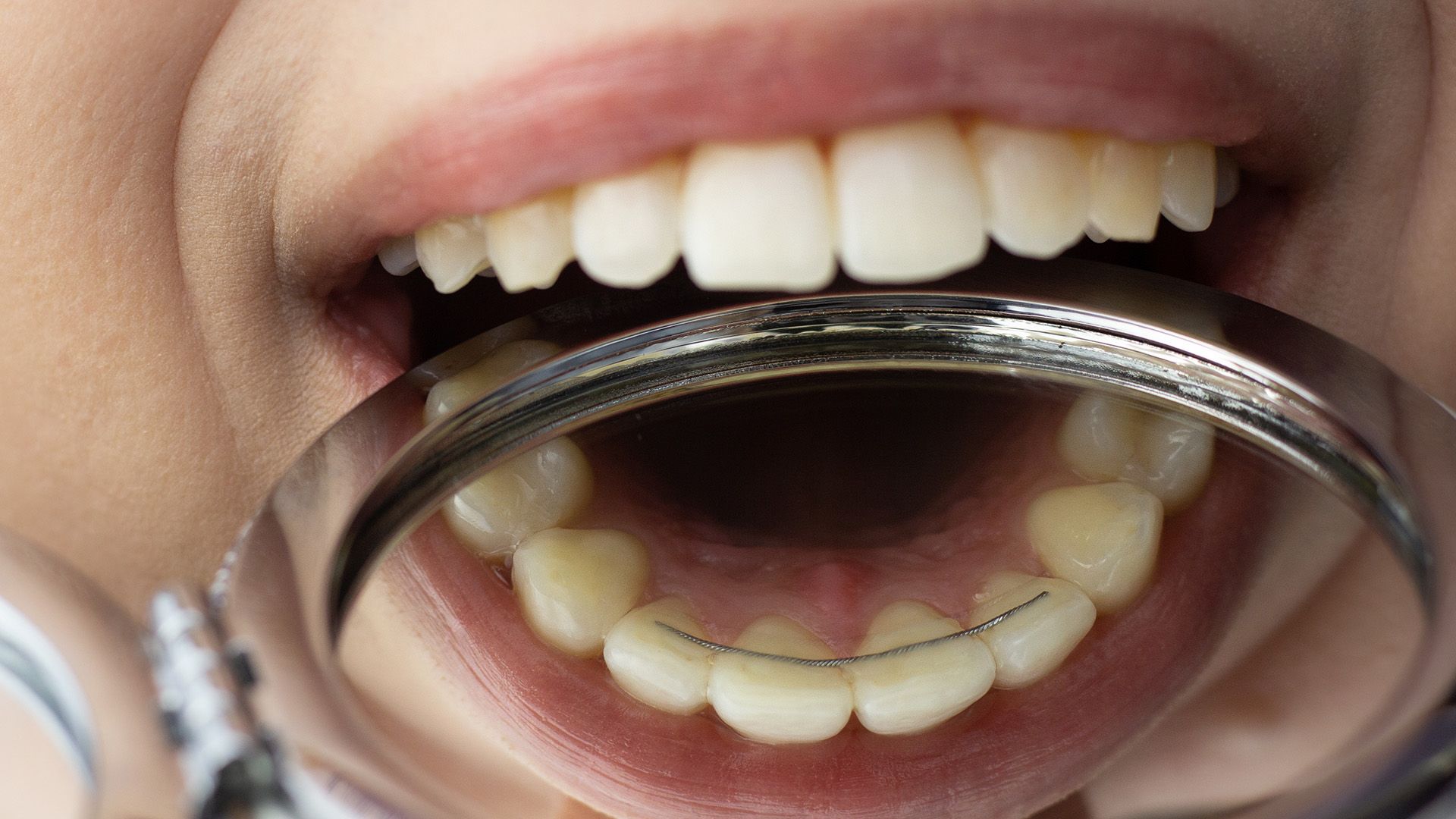
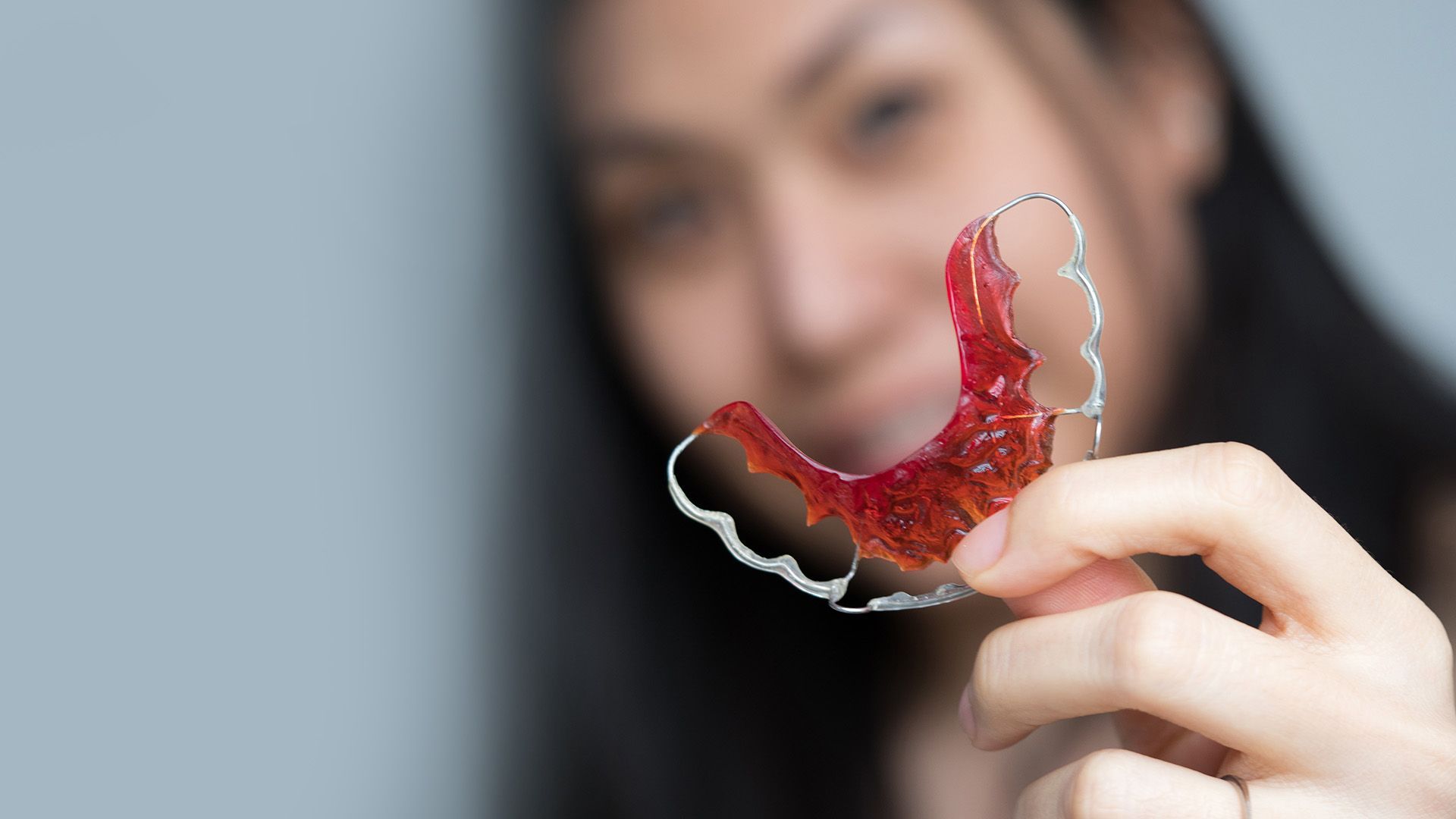
- Commit to retention: When active treatment ends, wear your retainers as prescribed to maintain your results. Retention prevents relapse and helps you protect your investment of time and effort, preserving the orthodontic treatment lengths you followed to achieve your smile.
Next Steps
Every smile is unique, and so is every timeline. A comprehensive consultation with digital imaging provides the most accurate estimate for your situation. At Baptiste Orthodontics, we explain your options, outline expected orthodontic treatment lengths, and partner with you to reach the finish line efficiently and with a healthy, confident smile.