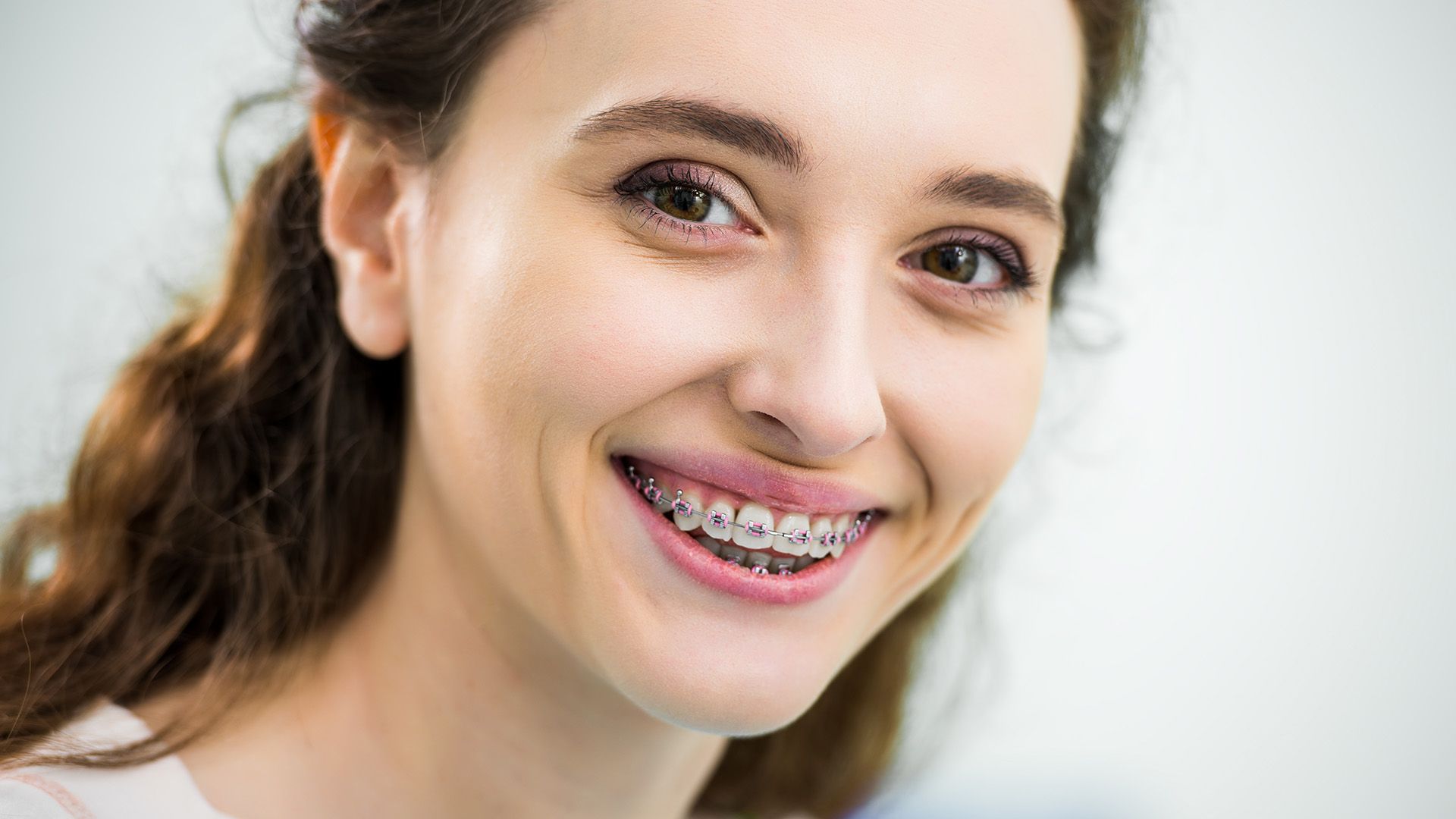
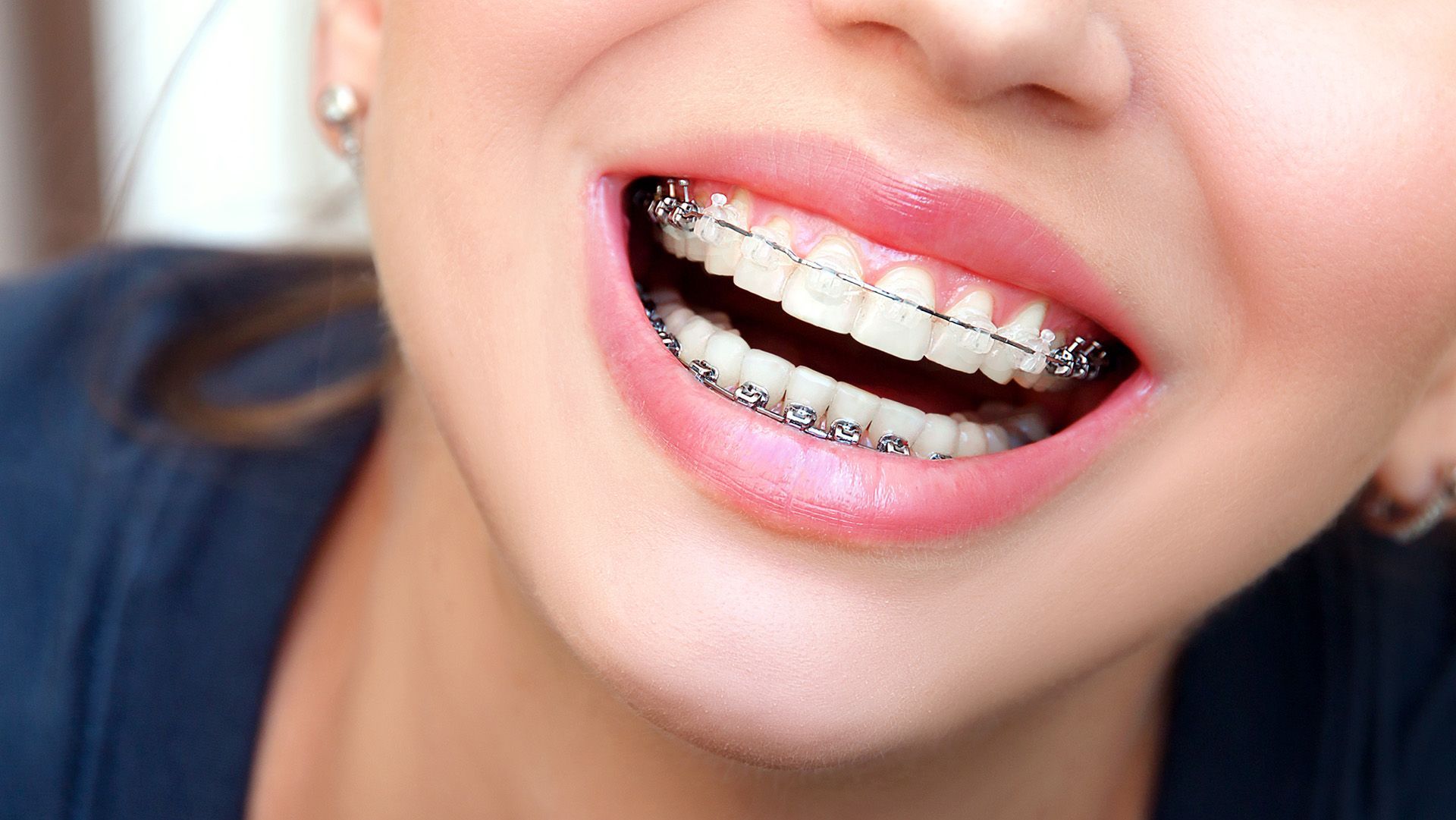
How Do You Brush Your Teeth with Braces?
Brushing your teeth with braces requires additional care to maintain optimal oral hygiene. Brackets and wires can trap food particles, increasing the risk of plaque buildup and cavities. Establishing a thorough brushing routine is essential to keep your teeth and gums healthy during orthodontic treatment. So, how do you brush teeth with braces? This guide outlines the importance of oral hygiene with braces, helps you select the right toothbrush and toothpaste, and provides a step-by-step guide for effective brushing. We also offer extra tips to ensure your smile remains bright and beautiful while wearing braces. Let’s embark on the journey to a healthier smile!

The Importance of Oral Hygiene with Braces
Maintaining oral hygiene during orthodontic treatment is crucial for the health of your teeth and gums. Braces create more surfaces where plaque and food particles can accumulate, leading to various dental issues. Proper oral hygiene practices, including effective brushing techniques, are vital to prevent cavities, gum disease, and other complications that could prolong your treatment.
One significant risk of poor dental hygiene with braces is the development of white spots on the teeth, indicating early enamel demineralization. If not addressed, these spots can become permanent, resulting in an uneven appearance once the braces are removed. Additionally, plaque buildup can cause gum disease, leading to inflammation, bleeding, and discomfort.
By adopting proper brushing techniques, you protect your oral health and contribute to the long-term success of your orthodontic treatment. Ensuring your teeth are clean and free from plaque helps you achieve a straighter, healthier smile. Regular brushing, along with using orthodontic-friendly tools, maintains the integrity of your teeth and gums, making the transition to a brace-free smile a rewarding experience.
Selecting the Right Toothbrush and Toothpaste
Choosing the right toothbrush is crucial for effective cleaning with braces. Both manual and electric toothbrushes can be suitable for braces wearers. Manual toothbrushes allow precise control, making it easier to navigate around brackets and wires. Electric toothbrushes often provide a more thorough clean due to their consistent bristle movement, which can remove plaque more effectively. Regardless of type, ensure the toothbrush has soft bristles to avoid damaging your braces or irritating your gums.
Using the right toothpaste is also essential. Look for toothpaste containing fluoride, which strengthens tooth enamel and prevents cavities—an important consideration for those with braces. Avoid whitening toothpaste during orthodontic treatment, as it can lead to uneven whitening once the braces are removed. Instead, opt for toothpaste specifically formulated for braces wearers, offering additional benefits for maintaining oral health.
Replace your toothbrush every three to four months or sooner if the bristles become frayed. If you fall ill, replace your toothbrush immediately to prevent reinfection. Keeping your toothbrush in good condition ensures effective removal of plaque and debris, helping you maintain a healthy smile throughout your orthodontic treatment.
Step-by-Step Guide to Brushing Your Teeth with Braces
How do you brush your teeth with braces? Brushing your teeth with braces requires special techniques to ensure your teeth and gums stay healthy. Start with a soft-bristled toothbrush and fluoride toothpaste. Position the toothbrush at a 45-degree angle to your gums, and gently brush around each bracket in small circular motions. Clean the area above and below the brackets, as well as the wire itself. Don’t forget to brush the chewing surfaces of your teeth and your tongue for fresh breath.
How do you brush teeth with braces effectively? Brush for at least two minutes, twice a day. This helps ensure the effective removal of plaque and food particles. If possible, brush after meals to keep your mouth clean throughout the day. Using an interdental brush can help reach the small spaces between your braces.
Avoid common mistakes while brushing with braces. Don’t rush through your routine; take your time. Avoid using a hard-bristled toothbrush, which can damage your braces and irritate your gums. Ensure you brush all areas, particularly around the brackets and wires, to prevent plaque buildup and potential cavities. Following these guidelines helps maintain excellent oral hygiene during your orthodontic treatment.
Additional Oral Care Tips for Braces Wearers
Maintaining excellent oral hygiene is essential for braces wearers, including effective flossing techniques. Traditional flossing can be challenging with braces, but using a floss threader or orthodontic floss makes it easier to navigate around brackets and wires. Aim to floss at least once a day to remove food particles and plaque that your toothbrush might miss.
Incorporating mouthwash into your daily routine provides extra protection for your teeth and gums. Look for antibacterial mouthwash to reduce plaque and gingivitis, which is particularly beneficial for braces wearers. Consider using additional dental aids, like interdental brushes, to clean between your teeth and around your braces more effectively.
Regular check-ups and cleanings are essential during your orthodontic journey. Schedule appointments with
your orthodontist every 4 to 6 weeks to ensure your braces are adjusting correctly and to monitor your oral health. Additionally, don’t forget to schedule routine dental cleanings every six months. This helps maintain the health of your teeth and gums, preventing potential issues during your orthodontic treatment.