How to Stop an Orthodontic Wire from Poking Your Cheek: Fast Fixes and Prevention
A poking wire can turn a normal day with braces into a frustrating one quickly. The good news: there are safe, simple steps you can take at home for fast relief, plus smart ways to prevent future irritation. Use this guide to learn why wires poke, how to manage them temporarily, and when to call for a quick, comfortable repair. If you are searching for how to stop an orthodontic wire from poking your cheek, the sections below walk you through immediate fixes and long-term prevention.
What a Poking Wire Is and Why It Happens
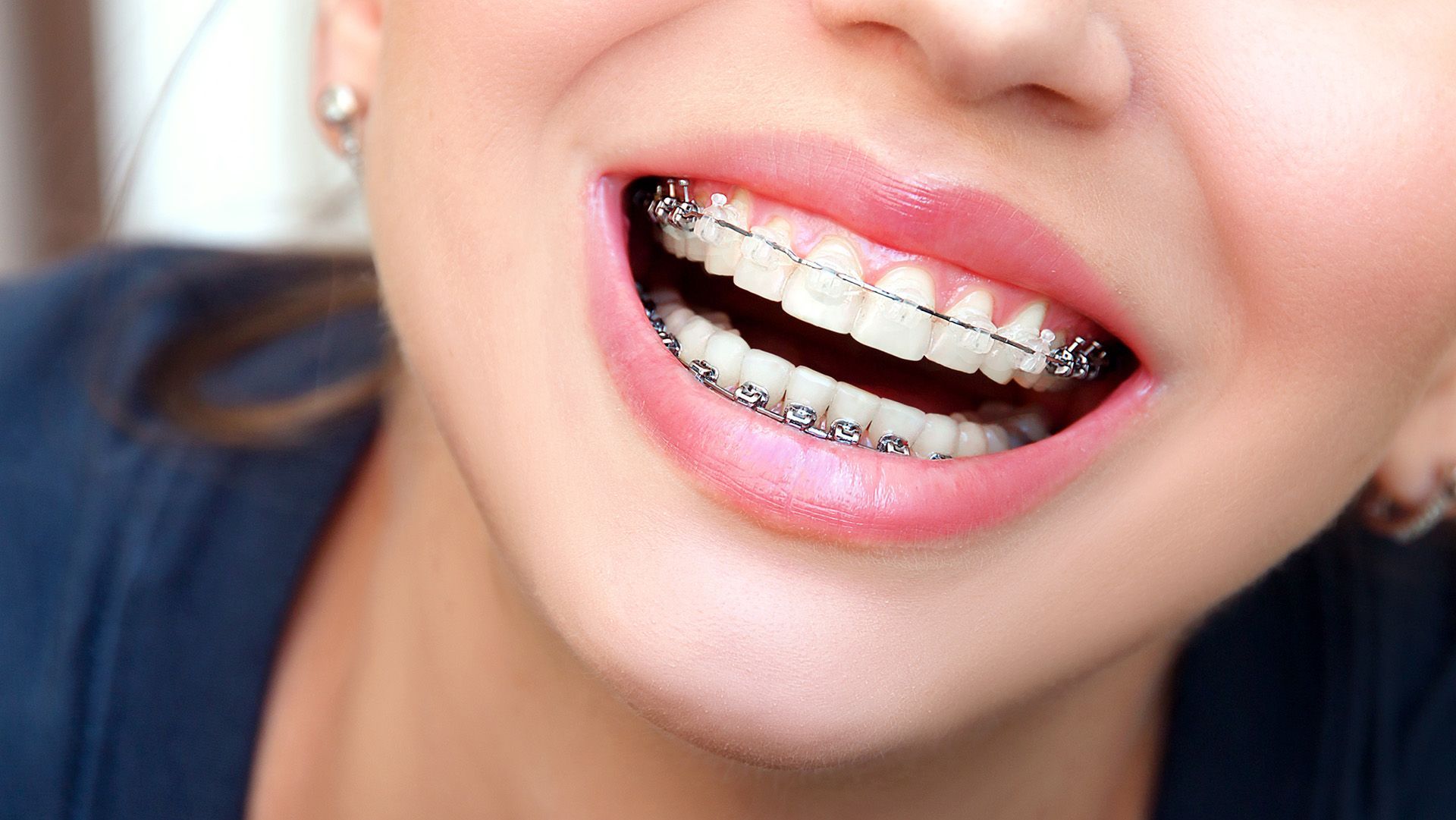
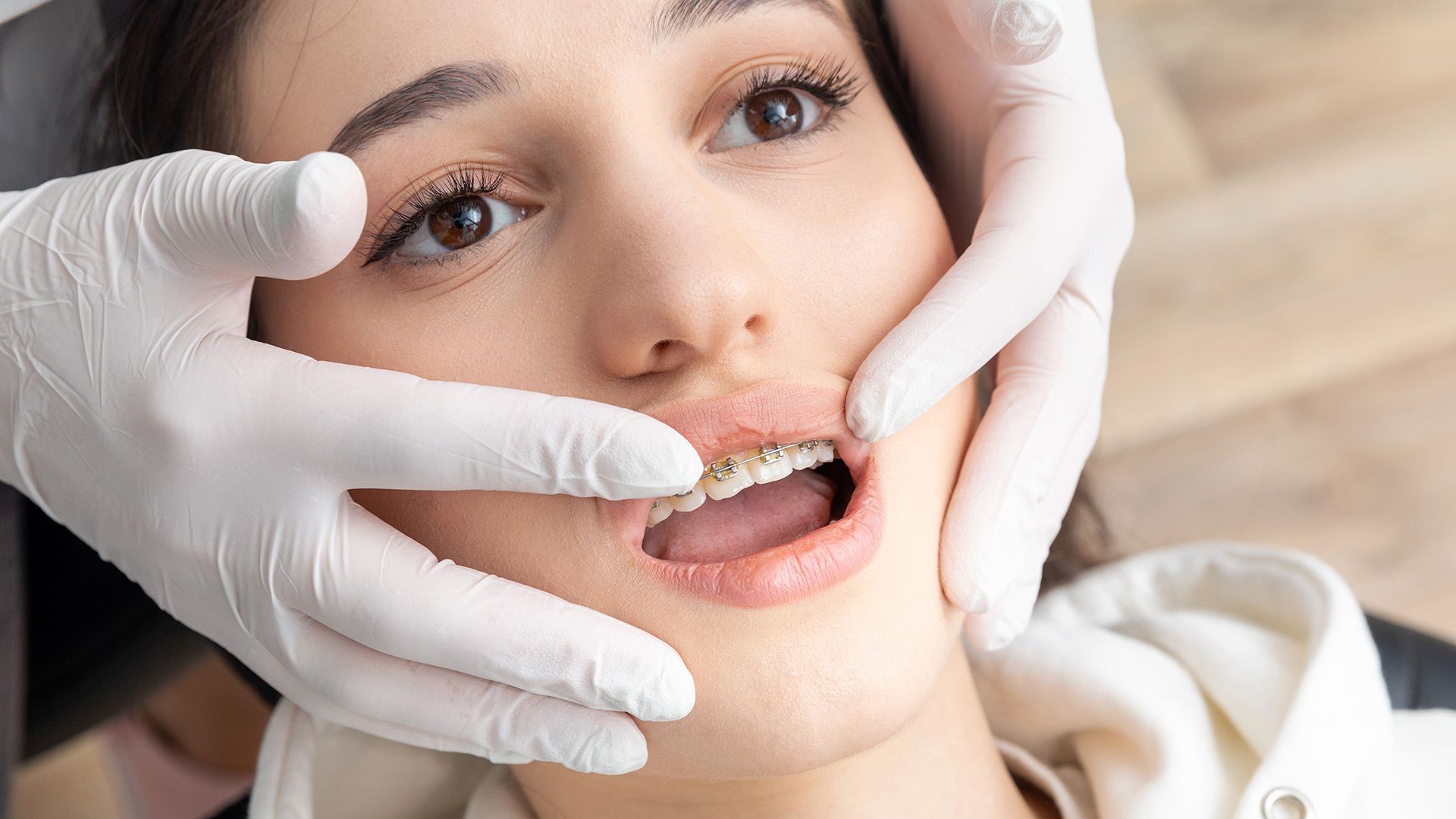
A poking wire occurs when the end of your archwire or a small tie wire shifts and rubs against your cheek, lips, or gums. You might feel a sharp or scratchy spot, notice a small sore starting, or feel tenderness when you talk or chew. Some patients describe the sensation of a tiny metal tip catching on the inside of the cheek.
Common reasons include normal tooth movement between appointments, which can cause the wire to extend slightly beyond the back bracket. A loosened bracket or tube can allow the wire to slide, leaving a sharp end. Sometimes a trimmed wire begins to irritate as teeth continue to move, or a tie wire gets twisted outward during chewing or brushing. After adjustments, mild rubbing can occur as your mouth adapts to new positions.
Most wire pokes are minor and manageable at home with orthodontic wax. However, urgent issues include a wire that has come completely out of a bracket, a loose bracket or band, bleeding that does not stop, severe pain, signs of infection such as swelling, warmth, or fever, or concern that you swallowed or inhaled a piece of wire. If any of these occur, contact your orthodontic office promptly. Understanding how to stop an orthodontic wire from poking your cheek starts with recognizing whether the problem is minor or needs professional attention.
Immediate At-Home Fixes to Stop a Wire from Poking
Before you begin, wash your hands thoroughly and rinse your mouth with water or an alcohol-free mouthwash. Work in a well-lit area and, if possible, ask a family member to help you see and access the wire clearly.
Step-by-step temporary fixes
- Gently reposition the wire: If the wire has slipped out, use clean tweezers to guide it back into the tube or bracket slot. Apply small, steady pressure and do not force it. If it does not seat easily, stop and move on to wax.
- Cover the sharp end: Dry the area with a tissue or cotton swab. Pinch off a pea-sized piece of orthodontic wax, roll it between clean fingers until soft, and press it firmly over the wire end and bracket. Smooth the edges so it adheres well. If you do not have wax, a small piece of clean cotton or gauze can serve as a short-term buffer.
- Carefully trim only thin back wire ends (last resort): If the wire at the very back is excessively long and you cannot be seen promptly, you may carefully trim a thin, flexible wire with disinfected nail clippers or cuticle scissors. Angle the clipper so the cut end points away from the cheek. Hold the trimmed piece with tweezers or place gauze behind the wire to catch it. Do not attempt to cut thick or steel wires, coil springs, or power chains.
- Soothe irritated tissue: Rinse with warm salt water (1/2 teaspoon salt in 8 ounces of warm water) for 30 seconds, two to three times daily, to calm sore spots. Over-the-counter oral gels made for mouth sores can offer short-term relief. Avoid spicy, acidic, or very crunchy foods until the area heals.
Tools and precautions
| Use | Avoid |
|---|---|
| Clean tweezers | Bending wires with fingers |
| Orthodontic wax | Sharp household tools (pins, needles) |
| Small piece of cotton or gauze | Adjusting brackets or bands yourself |
| Alcohol wipes to clean tools | Trimming any wire you cannot clearly see or control |
| Nail clippers for thin back wire ends only | Cutting thick wires, coil springs, or power chains |
If you are unsure at any point, place wax over the area and call your orthodontic office for guidance. These steps are the core of how to stop an orthodontic wire from poking your cheek quickly and safely at home until a professional can evaluate it.
When to Contact an Orthodontist
Many wire pokes can wait for your next appointment, but certain red flags mean you should reach out sooner:
- Persistent bleeding or severe/worsening pain despite wax
- A loose or broken bracket or band
- A wire that has come completely out and will not stay in place
- Swelling, pus, or fever that suggests infection
- Concern that you swallowed or inhaled a piece of wire
If breathing is difficult or bleeding will not stop, call emergency services immediately.
How to prepare for your visit
- Note which tooth or area is irritated and what you tried at home.
- Share if the wire slipped out of a specific bracket or tube.
- Bring any loose pieces in a small bag.
During your visit, the clinical team will examine the area, re-seat or replace the wire, smooth or trim the end, and provide wax as needed. These repairs are typically quick and comfortable, and they help protect your cheeks while keeping treatment on track.
Emergency and after-hours guidance
If the office is closed, check voicemail or the website for after-hours instructions. Often, you can be advised by phone on how to cushion the wire until the next available visit. For true emergencies like trouble breathing or uncontrolled bleeding, seek urgent medical care first and notify the orthodontic team afterward.
Prevention Tips to Reduce Future Wire Pokes
Simple daily habits and a few precautions can keep wires secure and your cheeks comfortable. Knowing how to stop an orthodontic wire from poking your cheek includes both quick fixes and proactive prevention.
Eat with braces in mind
- Choose softer foods after adjustments to reduce irritation.
- Avoid hard, sticky, or crunchy items that can bend wires or loosen brackets, including popcorn kernels, nuts, hard candies, ice, and chewy caramels.
- Cut raw fruits and vegetables into small pieces and chew with your back teeth.
Maintain a thorough cleaning routine
- Brush along the gumline and around brackets with a soft toothbrush for two minutes, twice daily.
- Use an interdental brush to clean under the wire and between brackets.
- Floss once daily with a floss threader or use a water flosser to reduce gum swelling that can make minor pokes feel worse.
Be proactive after adjustments
- Expect mild sensitivity and monitor the back wire ends for a day or two.
- Keep orthodontic wax handy and apply it at the first sign of rubbing to prevent ulcers.
- If you wear elastics, change them as directed and avoid tugging in ways that could dislodge the archwire.
- If you use removable retainers or aligners with braces, insert and remove them carefully to avoid catching the wire.
Stay on schedule with checkups
Regular visits allow your orthodontic team to trim and smooth wire ends, replace worn components, and catch small shifts before they become uncomfortable. If something feels off between appointments, do not wait. A quick call can prevent irritation and keep your treatment progressing smoothly.
Comfort and healing tips
- Use a saltwater rinse for 2–3 days to promote healing of any cheek or lip irritation.
- Consider a silicone-based orthodontic wax if traditional wax does not adhere well when saliva is present.
- Stay hydrated; a dry mouth can make friction from wires feel worse.
- Use sugar-free gum sparingly, if recommended, to stimulate saliva and reduce dryness-related irritation.
With the right at-home techniques and timely professional care, you can stop a poking wire fast, protect your cheeks from irritation, and keep your smile journey on track. Whether you are dealing with a sudden sharp edge or planning ahead to avoid problems, understanding how to stop an orthodontic wire from poking your cheek will help you stay comfortable and confident throughout treatment.