How Long Do You Have to Wear Braces? Average Timelines, Factors, and Tips to Finish On Time
Asking how long you have to wear braces is natural. The timeline depends on your specific bite, tooth positions, and how your mouth responds to treatment. Many patients complete treatment in 12 to 30 months, but several variables can speed things up or slow them down. Below, you will find how braces move teeth, typical timeframes, what influences treatment length, and practical ways to stay on schedule and protect your results. If you are wondering how long do braces stay on or how long do you need to wear braces for your unique case, the guidance below will help you understand the range and what affects it.

How Braces Move Teeth
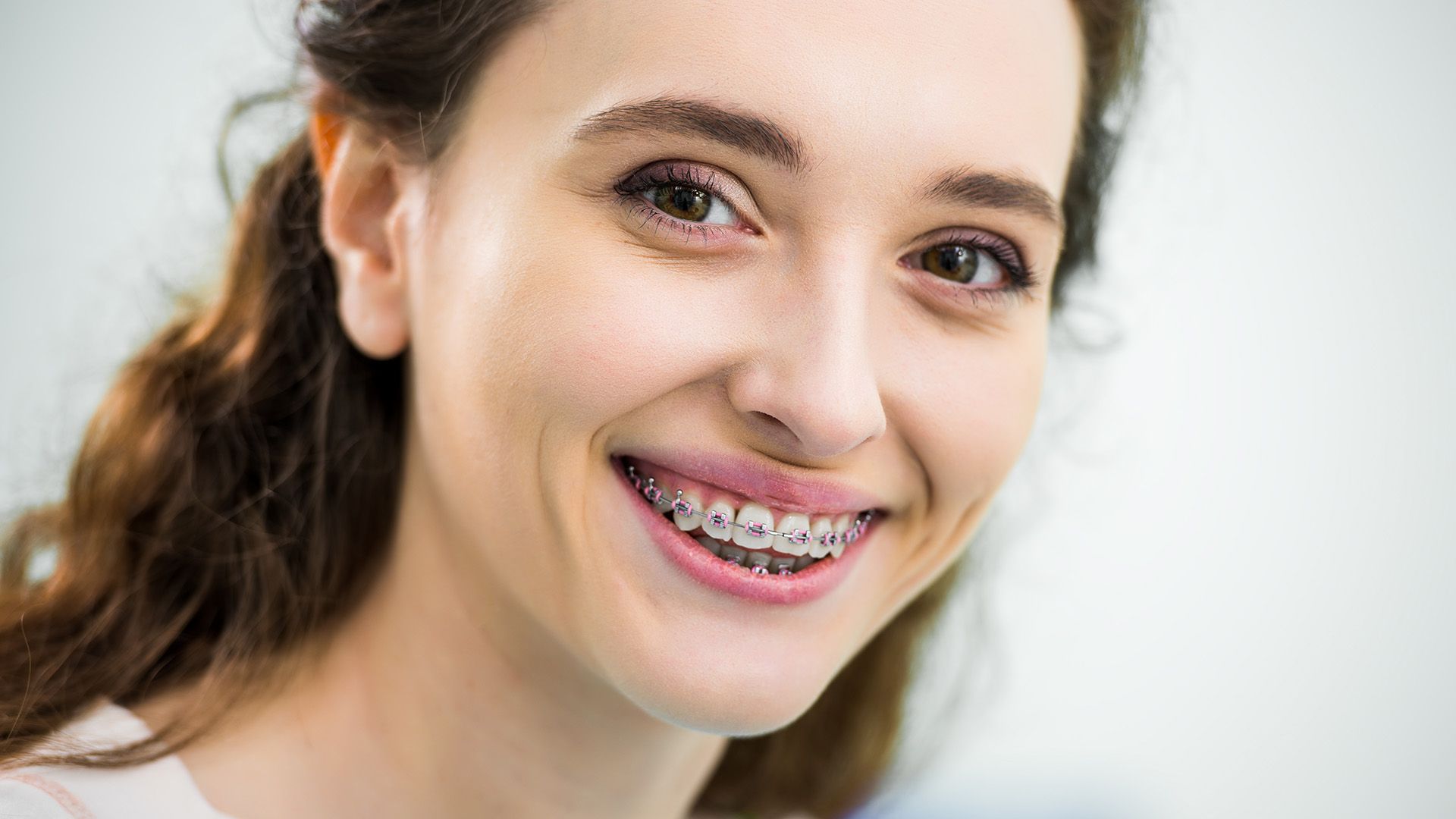
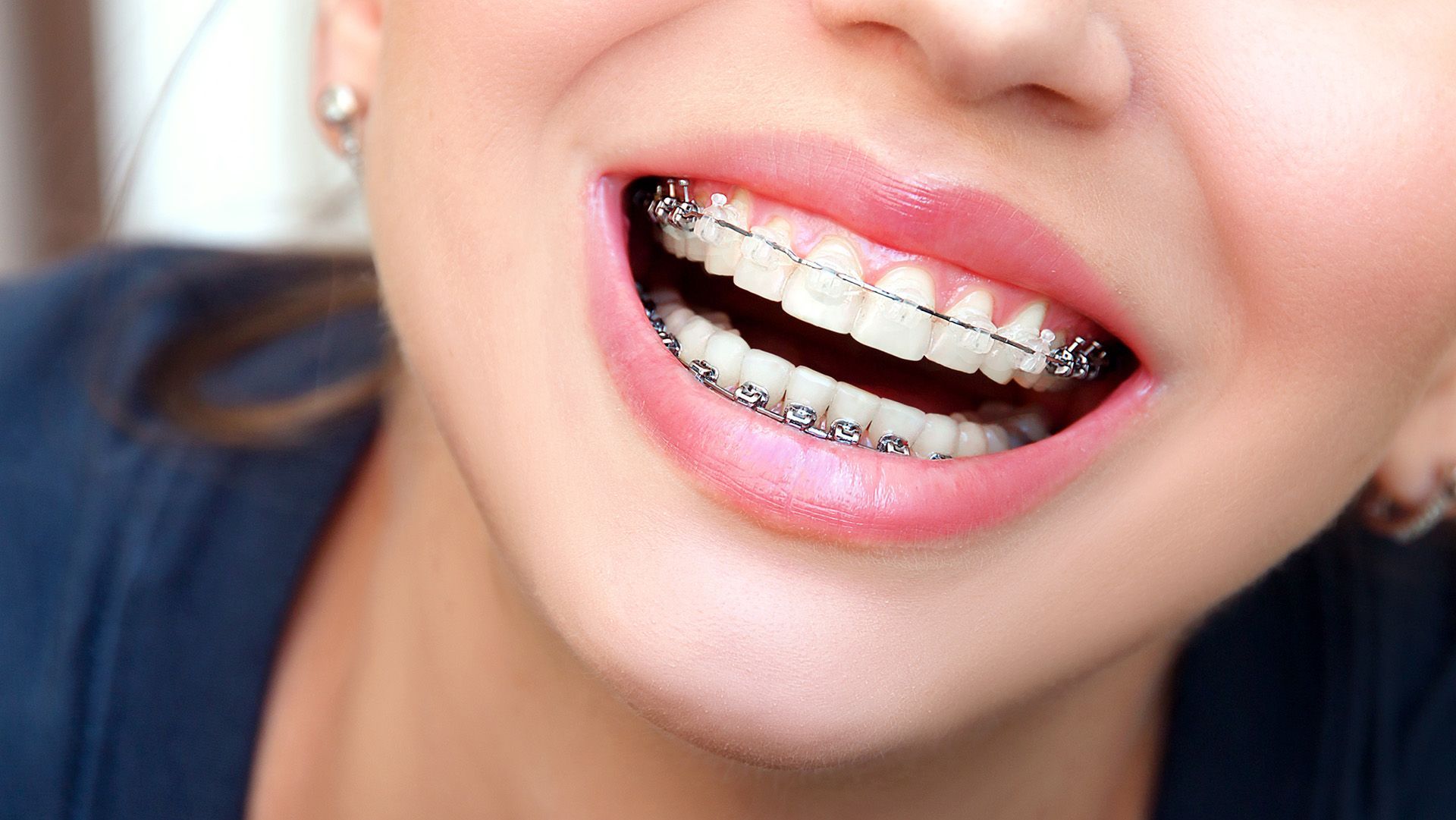
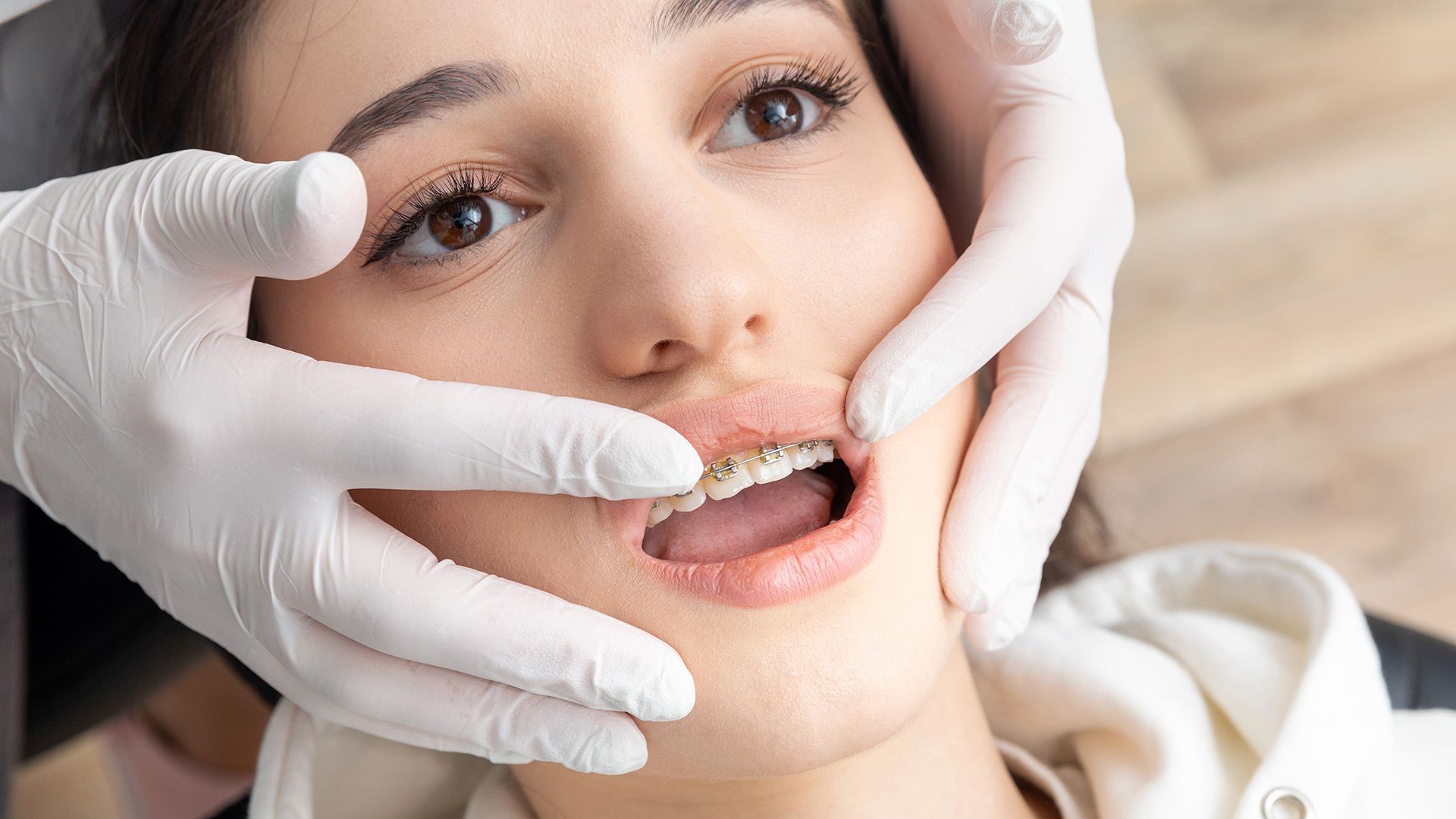
Braces rely on brackets, archwires, and small elastics or clips to apply gentle, consistent pressure that guides teeth into healthier positions. Brackets are placed on each tooth, a wire connects them, and periodic adjustments direct controlled forces to move teeth in targeted directions. Over time, these forces correct crowding, spacing, and how the upper and lower teeth fit together.
Tooth movement occurs because the bone around a tooth remodels in response to pressure. On the pressure side, bone is resorbed (removed); on the opposite side, new bone forms to support the tooth in its new position. This is a biologic process that takes time, which is why orthodontic treatment spans months rather than days.
Treatment typically progresses in stages. Alignment and leveling come first to straighten teeth and create a uniform bite plane. Bite correction follows to refine how teeth meet, often with elastics or specialized appliances. The finishing phase focuses on details like root alignment and smile aesthetics. After the braces are removed, the retention phase begins to hold teeth in place while bone fully matures.
How Long Do Braces Typically Take?
Overall treatment time varies with the complexity of your case:
- Mild alignment problems: about 6 to 12 months
- Moderate crowding, spacing, or bite issues: about 12 to 24 months
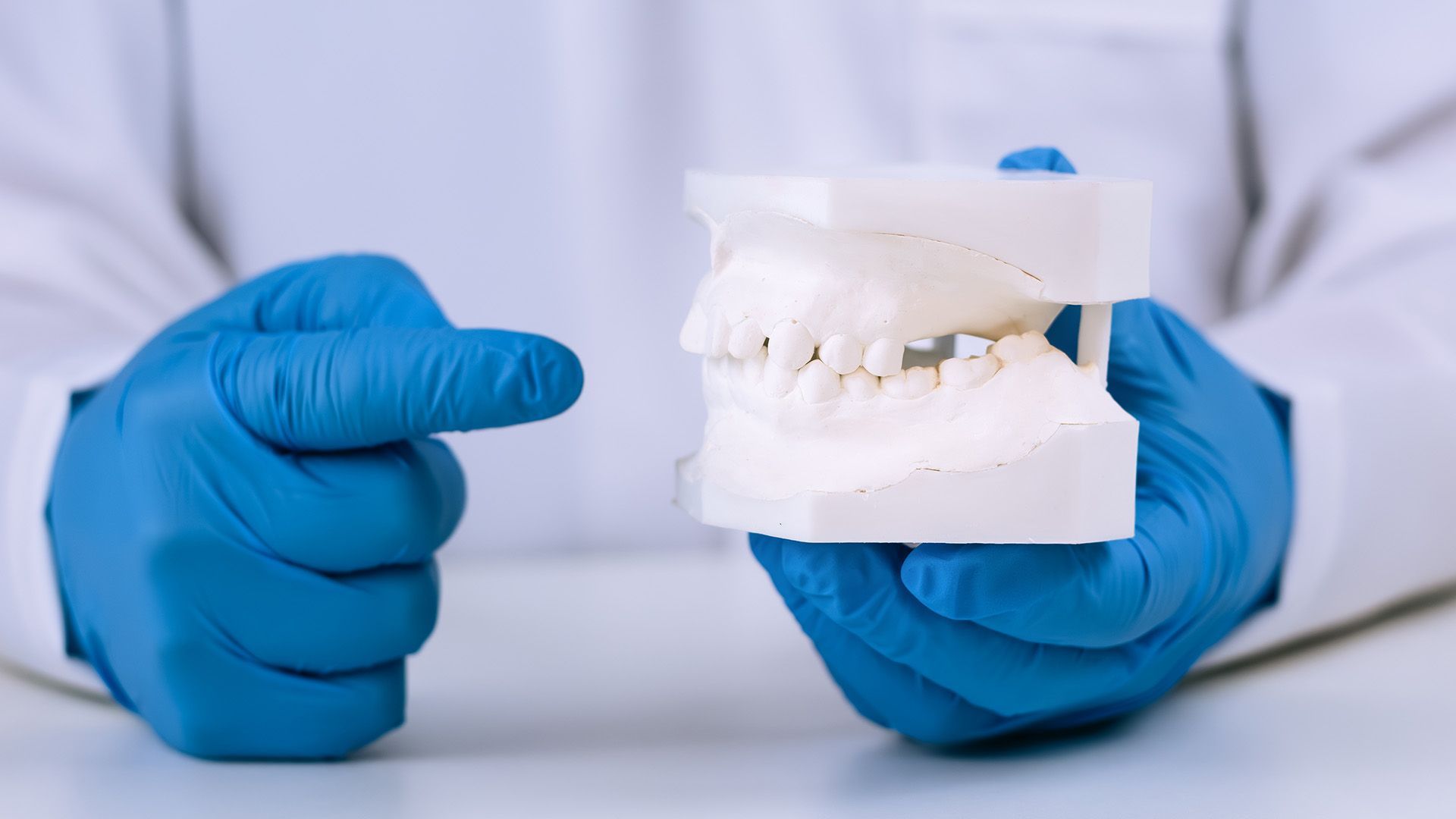
- Severe bite discrepancies or jaw-related concerns: 24 to 30+ months, especially if additional procedures are needed
Age can influence speed because biology matters. Teens often see faster tooth movement due to ongoing growth and more responsive bone metabolism, which can shorten the timeline. Adults can achieve excellent results, but bone turnover is typically slower, so some movements take longer. Strong at-home compliance helps keep any age group on track.
Pre-treatment planning also affects total time. In cases of severe crowding, extractions may be recommended to create space, which can extend the sequence but improve stability. Expanders or other orthopedic appliances used before or during braces may add several months yet can reduce the need for extractions. In complex cases, jaw surgery may be part of the plan, with a period of pre-surgical orthodontics, the surgery itself, and post-surgical finishing.
If you are asking how long do braces stay on or how long do you need to wear braces compared to a friend or family member, remember that two similar smiles can still have different biology and goals, which can change the total time.
Key Factors That Influence Treatment Duration
Several variables determine how long braces will take:
- Case complexity: Mild rotations or small gaps typically resolve faster than correcting deep bites, open bites, crossbites, or a significant overjet. Coordinating upper and lower arches and moving roots precisely can add months compared to simple alignment.
- Patient cooperation: Keeping scheduled visits allows timely adjustments. Wearing elastics or other appliances exactly as prescribed powers the bite correction phase. Excellent oral hygiene helps avoid gum inflammation and decalcification that can slow movement or require treatment pauses.
- Biology and cadence: Individual differences in bone density and healing impact how quickly teeth can move safely. Most patients are seen every 6 to 10 weeks to maintain steady progress without overstressing teeth or gums. Lengthy gaps between visits or frequent rescheduling can extend the overall timeline.
These factors all play into answers for how long you have to wear braces and how long you have to have braces in place to achieve a stable, healthy bite.
Ways to Stay on Schedule (and Potentially Shorten Time)
There is no safe shortcut for tooth movement, but smart habits keep you on track:
- Never miss appointments and call promptly if something breaks.
- Brush thoroughly twice a day, clean between teeth daily with floss or interdental brushes, and consider a water flosser to reduce plaque.
- Follow instructions closely: wear elastics as directed, use wax for irritation instead of removing parts, and stick to braces-safe foods to avoid damage.
Your orthodontist may recommend adjunctive options to support efficient movement, such as low, pulsed vibration devices, micro-osteoperforations, or temporary anchorage devices (TADs) to control anchorage and reduce unwanted movement. These tools are not necessary for everyone, and your orthodontist will explain whether they are appropriate for your case, along with benefits and risks.
Common delays include missed visits, inconsistent elastic wear, broken brackets or wires, and gum inflammation from inadequate cleaning. Avoid hard, sticky, or chewy foods that can damage braces, such as ice, popcorn kernels, nuts, caramels, and gum. If something loosens or breaks, contact the office right away so repairs can be made and progress can continue.
Following these steps helps answer how long braces stay on for you personally, because consistency reduces avoidable setbacks and keeps your plan on pace.
What to Expect as You Approach the Finish Line
Signs that you are nearing completion include steady elastic wear with a stable bite, fewer wire adjustments at visits, and healthy gums with minimal inflammation. Final appointments often include detailed adjustments, polishing, and removing the braces. Digital scans or impressions are then taken for retainers.
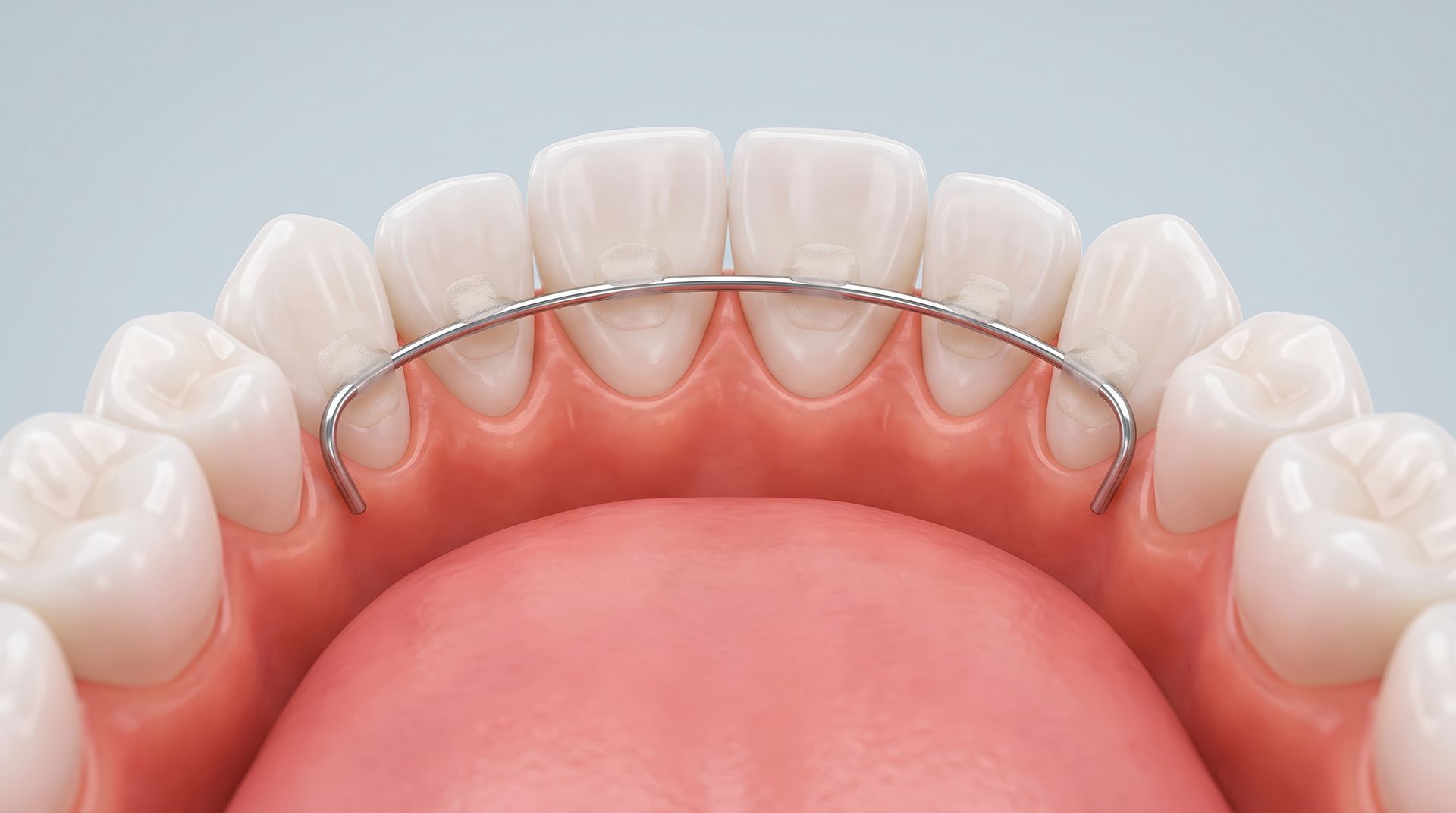
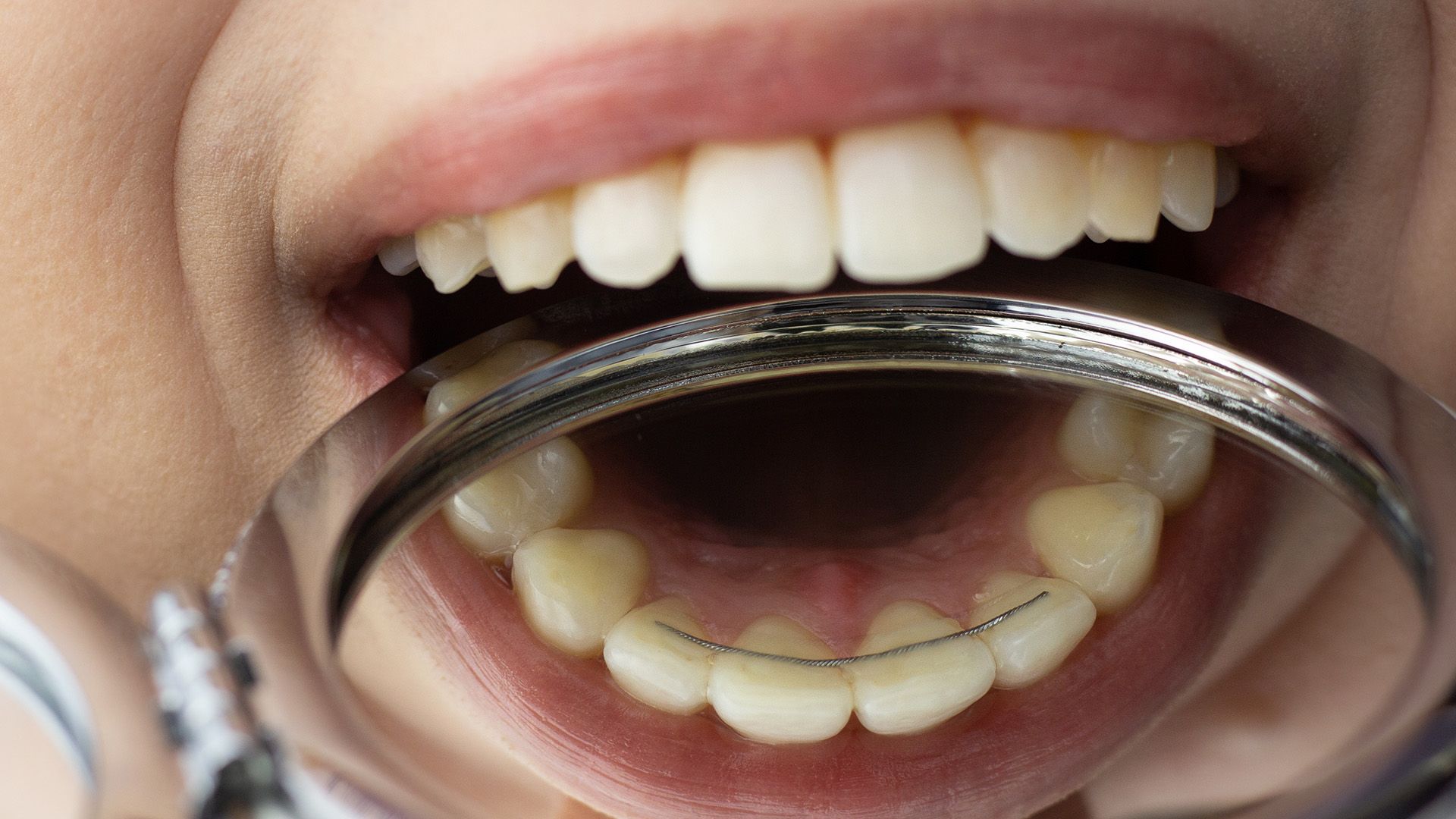
After braces, retainers are essential because teeth can drift without support while bone and gums stabilize. Many patients wear retainers full-time for the first few months, then transition to nightly wear. Your specific schedule depends on your case and retainer type, such as clear removable, Hawley, or bonded retainers. Think of retention as insurance for your new smile.
You will receive instructions on how to wear and care for retainers and when to return for checks. If a retainer feels tight after a lapse in wear, resume nightly use and contact the office if tightness persists. Report any shifting, discomfort, or a broken retainer promptly.
Understanding how long you have to have braces also means understanding the retention phase. While braces may be off, retainers are the key to preserving the results you worked hard to achieve.
Keeping Your Results for the Long Term
Protecting your outcome is a lifelong commitment. Maintain excellent home care, see your dentist regularly, and follow your orthodontist’s retainer plan. Keep up with periodic follow-ups to monitor stability and address concerns early. With consistent retention and routine check-ins, your smile can remain beautifully aligned for years.
Curious about how long do you have to wear braces for your situation, or how long do you need to wear braces to meet your goals? Schedule a consultation. You will receive an evaluation of your bite, a discussion of goals, and a personalized treatment plan and timeline so you know exactly what to expect, including how long you have to have braces to reach a stable result.