What Is a Permanent Retainer? Benefits, Care, and Costs
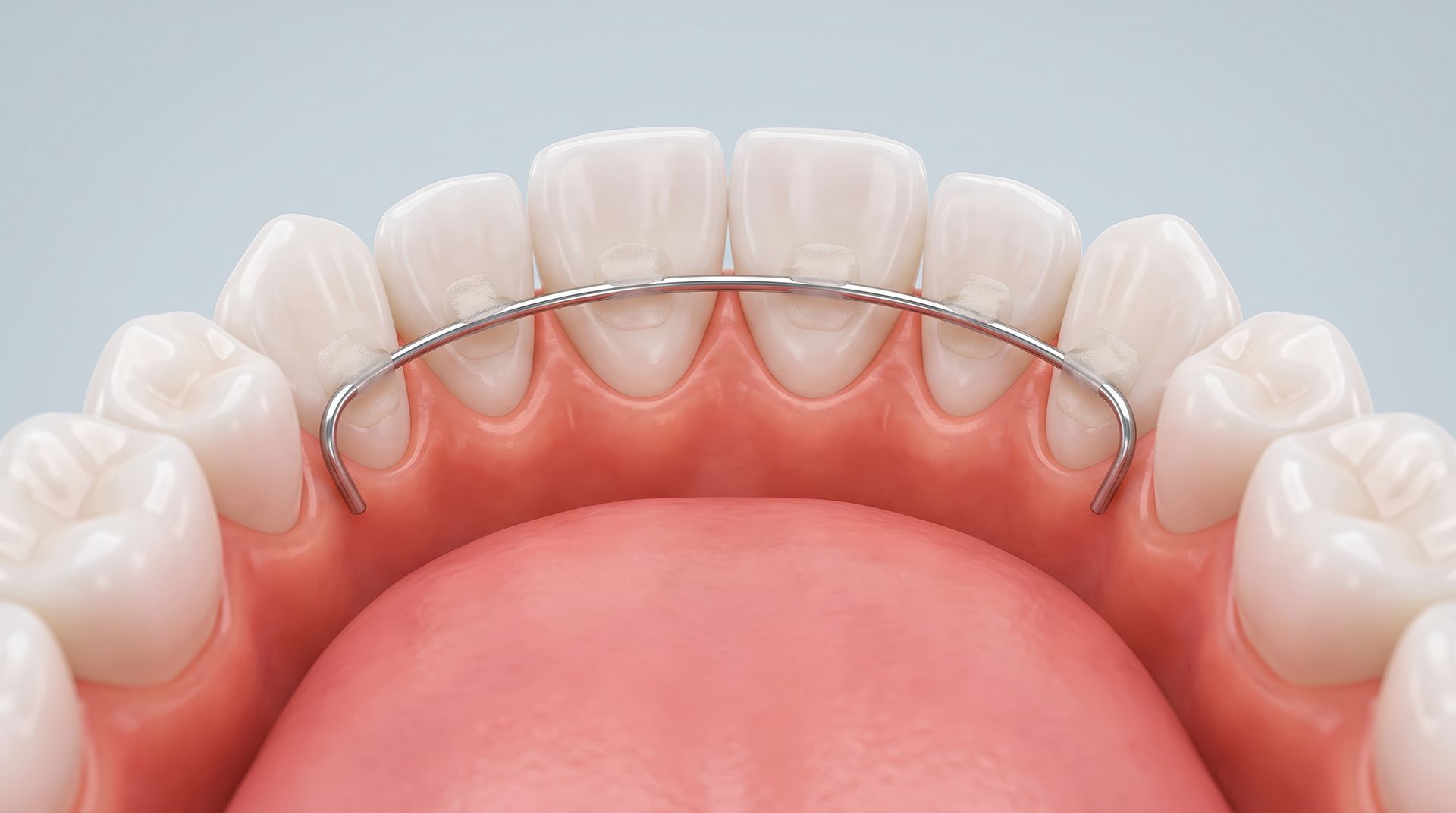
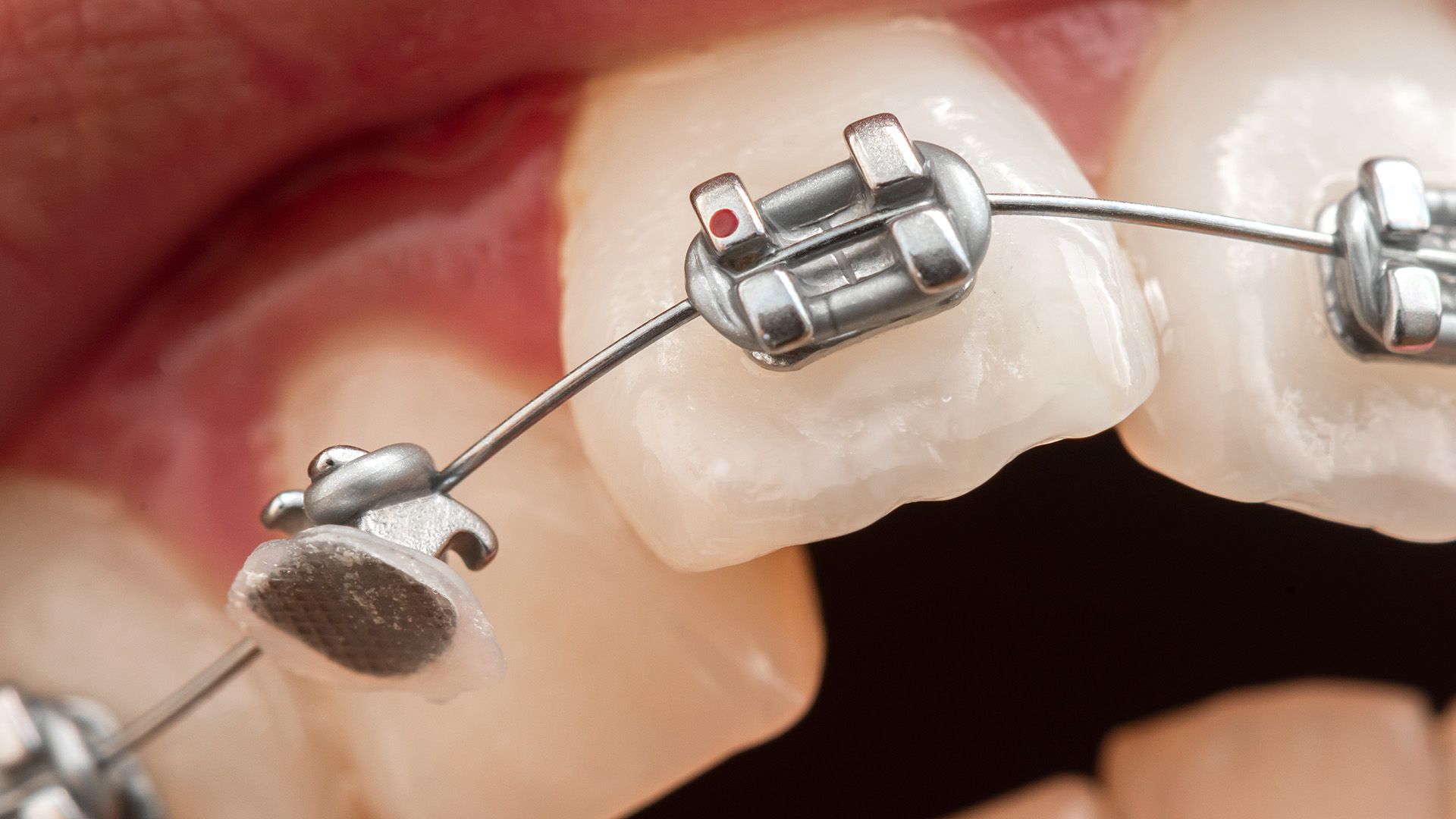
A permanent retainer is a small, discreet wire bonded to the back of your teeth to keep them in the correct positions after orthodontic treatment. Also called a fixed or bonded retainer, it works continuously to prevent shifting, especially where crowding is common. If you are comparing retainer options or were recently advised to consider one, this guide answers the question, what is a permanent retainer, why it may be recommended, how it is placed and maintained, and what to expect for costs and long-term care.
What a Permanent Retainer Is
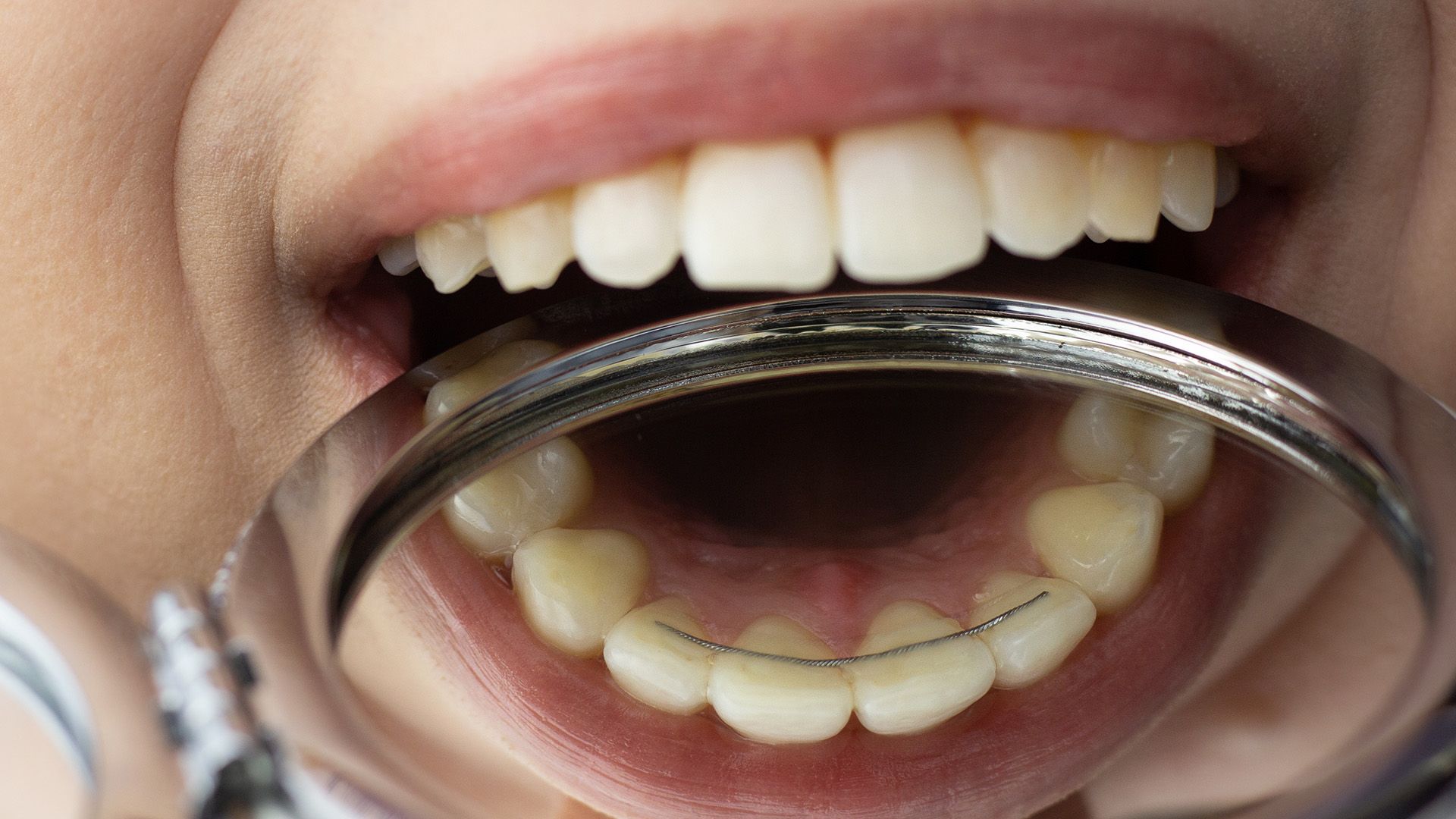
A permanent retainer is a thin metal wire custom-contoured to the curve of your teeth and bonded to the tongue-side surfaces with dental resin. Because it stays in place, it provides constant support to maintain alignment after braces or clear aligners. Most are placed on the lower front teeth (canine to canine), where relapse and crowding are most likely. In select cases, a bonded retainer may be used on the upper front teeth; this depends on your bite and the space available behind the teeth.
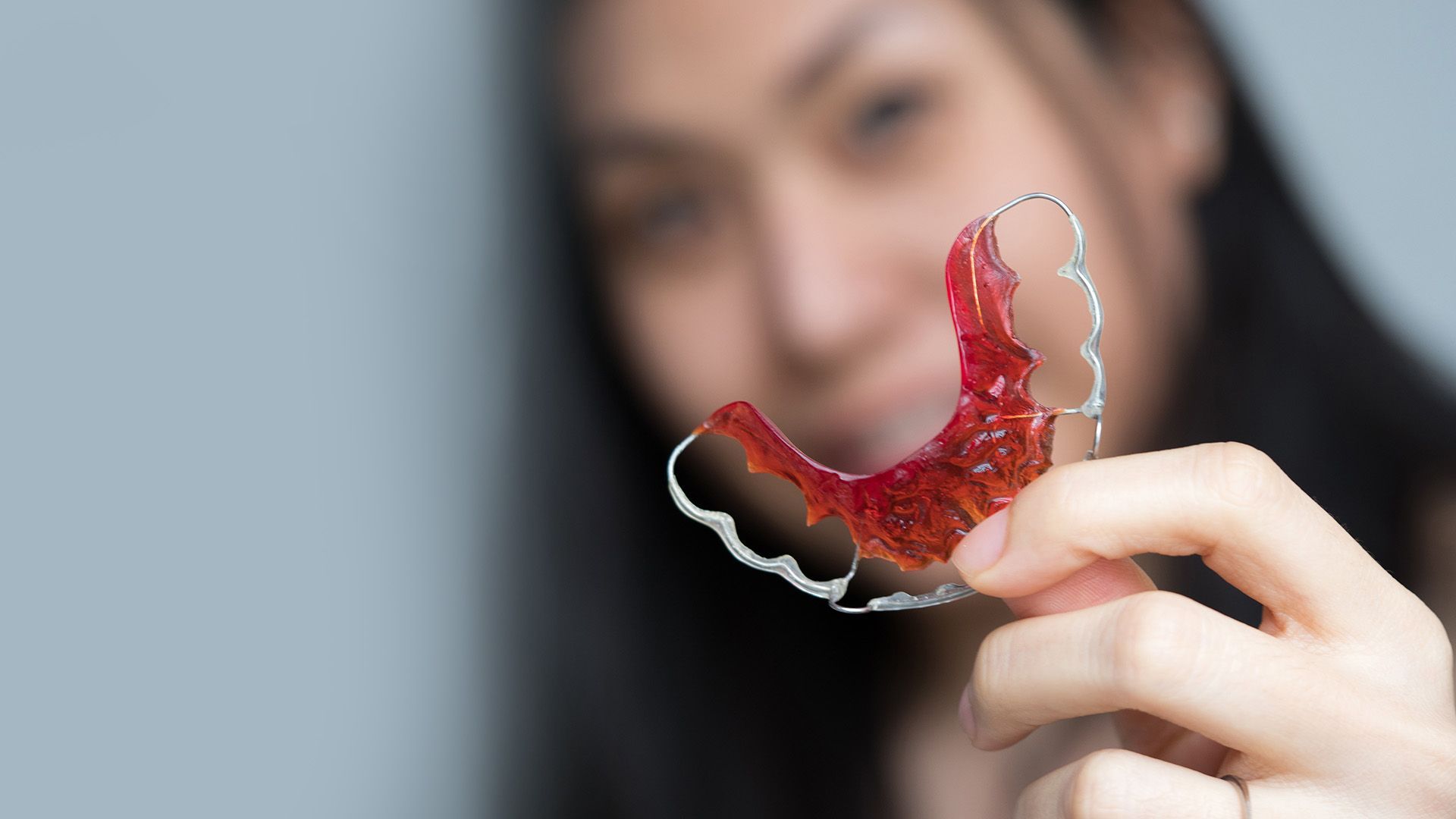
Permanent retainers differ from removable options in important ways. Removable retainers, such as clear Essix trays or traditional Hawley retainers, must be worn as directed and taken out for eating and cleaning. Success depends on consistent wear, and missed days can lead to shifting. A permanent retainer, by contrast, stays in place 24/7 and does not rely on daily decisions. It does, however, require careful brushing and flossing to keep the area clean and the bonding secure. If you are asking, what is a permanent retainer, compared to removable choices, the key difference is that a permanent retainer provides continuous support without the need to remember wear time.
Why a Permanent Retainer May Be Recommended
Orthodontists often recommend a permanent retainer to prevent relapse once teeth have been straightened. Teeth can drift toward their original positions due to forces from the lips, cheeks, tongue, and the periodontal ligament. A bonded retainer is a dependable way to stabilize teeth during the critical months and years after treatment and, in some cases, for the long term.
Situations that commonly favor a fixed retainer include:
- Past lower front crowding or rotations that were difficult to correct
- Growth patterns that increase the risk of renewed crowding
- Spacing that has a tendency to reopen
- Concerns about inconsistent wear of a removable retainer
- Cases where long-term stability is a priority and the bite places minimal stress on a bonded wire
Good candidates are teens and adults who maintain excellent oral hygiene and keep regular dental appointments. A permanent retainer may be delayed or avoided if there is active gum disease, poor hygiene, a deep bite that could place excessive forces on an upper bonded wire, or enamel conditions that make bonding less predictable. In those situations, a removable retainer, or a combination of a bonded lower retainer with a removable upper retainer, may be more appropriate.
Advantages and Disadvantages
Permanent retainers offer several benefits and some trade-offs. Understanding both helps you decide whether this option fits your goals and habits.
| Advantages | Considerations |
|---|---|
| Continuous retention without needing to remember wear time | Requires meticulous cleaning around the wire and bonding pads |
| Virtually invisible when you smile | Bonding resin can chip or wear, and the wire may loosen or break |
| Usually does not affect speech | Higher risk of plaque and tartar buildup if flossing is inconsistent |
| Reliable long-term stability, especially for lower crowding | Rare risk of enamel decalcification near bonding sites if hygiene is poor |
| Eliminates compliance concerns common with removable retainers | Minor tongue irritation can occur initially but typically resolves |
Lifespan varies by patient. Many bonded retainers last several years or longer, particularly those bonded primarily to the canines with a flexible braided wire. Others require periodic maintenance, such as rebonding a loose pad, adjusting a distorted wire, or replacing the retainer after significant wear. Durability depends on bite forces, wire type and bonding technique, the number of teeth included, and oral hygiene habits. Regular checkups help catch small issues before they lead to movement or larger repairs.
Installation, Adjustment, and Removal
The bonding visit is straightforward and non-surgical. The orthodontist cleans and dries the teeth where the retainer will attach, then etches and primes the enamel to prepare it for bonding. A custom-bent wire is positioned along the back of the teeth, and small amounts of resin are applied to secure the wire, commonly on the canines and sometimes on the teeth in between. A curing light hardens the resin within seconds. The bite is checked to ensure the wire does not interfere, and any rough edges are polished. Most patients feel little to no discomfort, though the tongue may take a few days to adjust.
Adjustments or repairs may be needed if:
- The wire breaks or feels rough
- A bonding pad detaches from a tooth
- The wire bends or distorts after biting something hard
Signs that a repair is needed include a sharp edge, a wire that moves when pressed, or a small gap forming between teeth that previously touched. Contact your orthodontist promptly; minor fixes are often quick and affordable when addressed early.
Removal is simple and typically takes only a few minutes. The orthodontist gently releases the bonding resin and lifts off the wire, then polishes any adhesive residue and smooths the enamel. You may be fitted for a removable retainer to wear at night, especially if the permanent retainer was in place for years. Mild sensitivity can occur briefly after removal but generally resolves quickly.
Cleaning and Maintenance Tips
Daily care is essential to keep a permanent retainer and surrounding gum tissues healthy. A consistent routine helps prevent plaque buildup, tartar accumulation, and gum inflammation.
At-Home Care
- Brush at least twice a day with a soft-bristled toothbrush. Angle bristles toward the gumline and along the wire. Pay close attention to the area just above and below the wire where plaque collects. Fluoride toothpaste supports enamel around bonding sites.
- Floss once daily using floss threaders or orthodontic floss. Slip the floss beneath the wire between each pair of teeth, curve it in a C-shape around the tooth, and gently clean slightly under the gumline.
- Use interdental brushes to clean around bonding pads and tight spaces where regular floss may not reach easily.
- Consider a water flosser to flush out plaque and debris. It is a helpful supplement but should not replace traditional flossing.
- Limit very hard or sticky foods that can dislodge the wire or chip the bonding resin. Chewing ice, biting pens, or tearing open packages with your teeth increases the risk of damage.
Professional Care
- Keep routine dental exams and cleanings every six months, or more often if advised. Let your dentist and hygienist know you have a bonded retainer so they can use the right instruments and techniques.
- Ask whether topical fluoride treatments are recommended if you are at higher risk for cavities or have areas prone to demineralization.
When to Call Your Orthodontist
- A wire that feels loose, rough, or bent
- A bonding pad that lifts or pops off
- Persistent gum tenderness or bleeding around the retainer
- Bad breath or a taste that does not improve with brushing and flossing
- Any tooth movement you can feel or see
Prompt attention to small problems prevents shifting and reduces the likelihood of more extensive repairs or retreatment.
Cost, Insurance, and Long-Term Considerations
The cost of a permanent retainer varies based on materials, how many teeth are bonded, and whether it is included in your original orthodontic treatment or placed later. As a general guide, a new bonded retainer typically costs a few hundred dollars per arch. Repairs or rebonding usually cost less. Fees may increase if multiple teeth require individual bonding pads or if a fully customized wire is needed. Geographic location and provider experience can also influence pricing.
Insurance coverage differs by plan. Some dental and orthodontic policies include retention as part of comprehensive treatment; others classify bonded retainers and repairs as separate services with specific deductibles or annual maximums. If your plan offers limited coverage, ask about payment plans or third-party financing to spread out costs.
Keep receipts and records of repairs. A history of frequent breakage may be a signal to discuss alternative strategies with your orthodontist, such as a different wire design, bonding only to the canines, or pairing a bonded retainer with a removable option for backup.
Planning for the Long Term
- Expect occasional maintenance and possible replacement over time. Some retainers last many years with only minor touch-ups, while others need periodic rebonding due to bite forces or wear.
- Many orthodontists recommend wearing a removable retainer at night in addition to a bonded retainer. This hybrid approach provides extra security if the bonded retainer fails unexpectedly and offers flexibility if you later transition away from a fixed retainer.
- Your ideal retainer depends on your habits and preferences. If daily flossing around a wire is not realistic, a removable retainer might be better. If you prefer constant, low-effort stability and can commit to careful hygiene, a permanent retainer can be an excellent solution.
Discuss your goals, routine, and dental history with your orthodontist to choose the retainer plan that balances convenience, hygiene, and long-term stability.
Permanent Retainer vs. Removable Retainer
Both permanent and removable retainers can maintain your results when used properly. The best choice depends on your bite, risk of relapse, and how you feel about daily maintenance. If you are still wondering what a permanent retainer is, in practical terms, think of it as a fixed safety net that works around the clock, while a removable retainer relies on consistent wear.
| Feature | Permanent Retainer | Removable Retainer |
|---|---|---|
| Wear time | Continuous, fixed in place | As directed (nighttime or full-time initially) |
| Visibility | Hidden behind teeth | Clear trays are low-profile; Hawley shows a thin wire |
| Compliance needed | No daily decisions | Requires consistent wear |
| Hygiene demands | High; careful flossing and brushing needed | Easier to brush and floss teeth; retainer must be cleaned separately |
| Risk factors | Wire/bond breakage; plaque buildup if cleaning lapses | Lost or broken trays; relapse if not worn |
| Best for | High relapse risk, prior lower crowding, or low compliance | Patients with strong habits who prefer no fixed appliance |
FAQs About Permanent Retainers
These quick answers cover common questions we hear from patients considering a bonded retainer.
- How long do permanent retainers last? There is no single expiration date. Many last several years; some last a decade or more with excellent care. Plan for occasional maintenance.
- Can I eat normally? Yes, but use caution with very hard, crunchy, or sticky foods that can bend the wire or break the bonding. Avoid habits like chewing ice or using teeth as tools.
- Does it hurt? Placement is generally comfortable. You may notice your tongue touching the wire for a few days as you adapt. Any soreness is typically mild and temporary.
- Can it be used on upper teeth? Sometimes. Upper bonded retainers depend on your bite. If upper teeth contact the lower wire, an upper bonded retainer may not be advisable.
- What if it breaks? Call your orthodontist promptly. Early repair helps prevent tooth movement and usually keeps the fix simple.
- Do I still need a removable retainer? Many orthodontists recommend a nighttime removable retainer as a backup, especially after the initial years of treatment or if your relapse risk is high.
Bottom Line: Is a Permanent Retainer Right for You?
A permanent retainer offers reliable, near-invisible retention without daily wear decisions. It is especially helpful for patients with a history of lower front crowding, rotations, or a higher risk of relapse. The trade-off is a greater commitment to flossing and careful cleaning around the wire and bonding sites, plus occasional maintenance appointments.
If you value consistent, set-it-and-forget-it stability and can commit to strong hygiene, a permanent retainer can be an excellent choice. If you prefer easier flossing and do not mind wearing a device at night, a removable retainer may fit your lifestyle better. Your orthodontist can help you weigh these factors and design a retention plan, bonded, removable, or both, that keeps your smile stable for the long term. When deciding what is a permanent retainer best used for, consider your relapse risk and hygiene habits; a permanent retainer provides round-the-clock support for many patients.