Is an Orthodontist a Doctor? Training, Role, and When to See One
Yes, orthodontists are doctors. They are dentists who complete additional, highly competitive residency training dedicated to diagnosing, preventing, and correcting misaligned teeth and jaws. This advanced education equips orthodontists to deliver doctor-level care using treatments like braces and clear aligners to improve function, oral health, and confidence. Below, we outline what orthodontists do, how they train, and when it makes sense to see one.
What Does an Orthodontist Do?
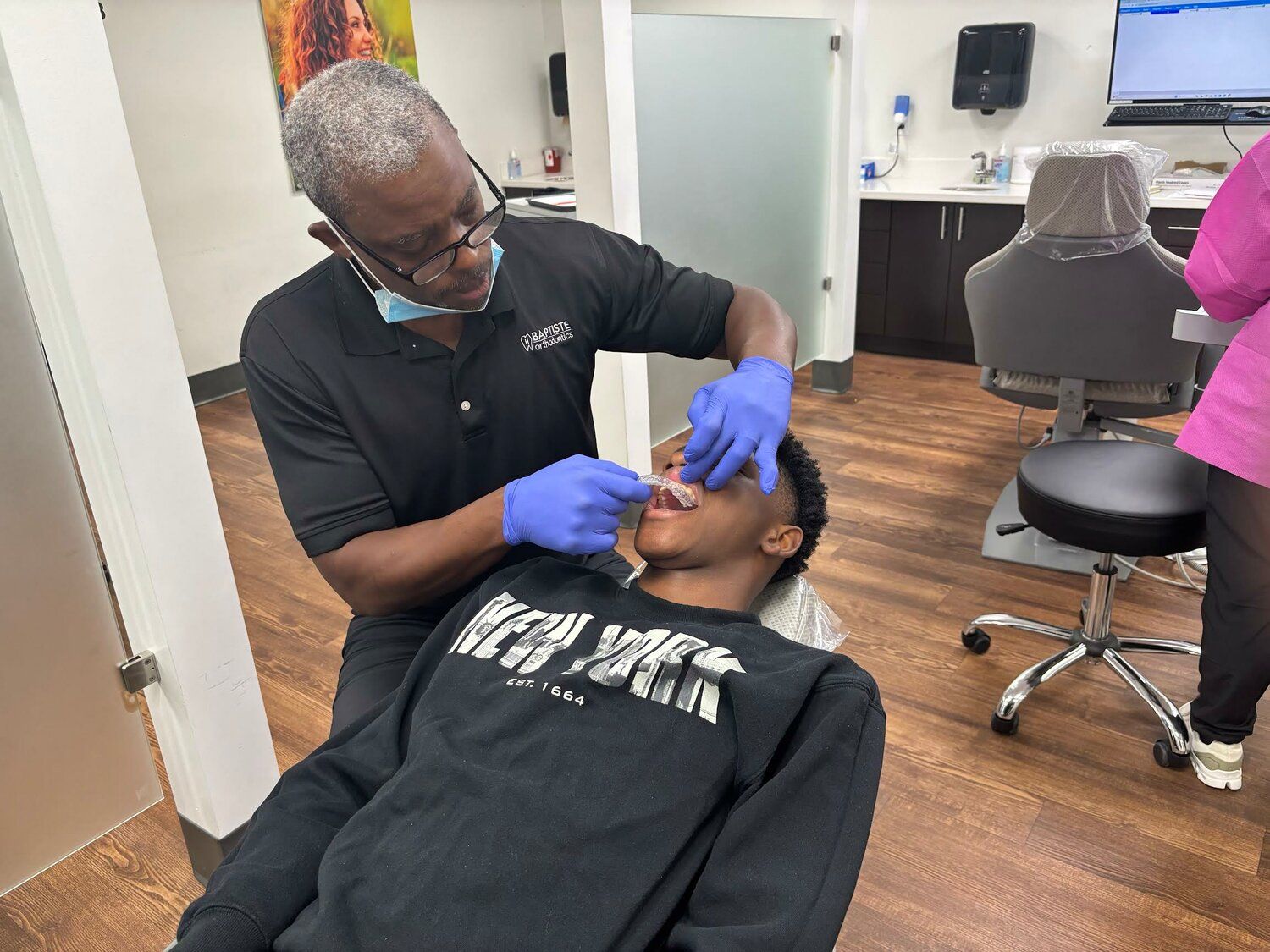
An orthodontist is a dental specialist who focuses on aligning teeth and coordinating how the upper and lower jaws fit together. Their goal is to create a healthy, functional bite while enhancing smile aesthetics.
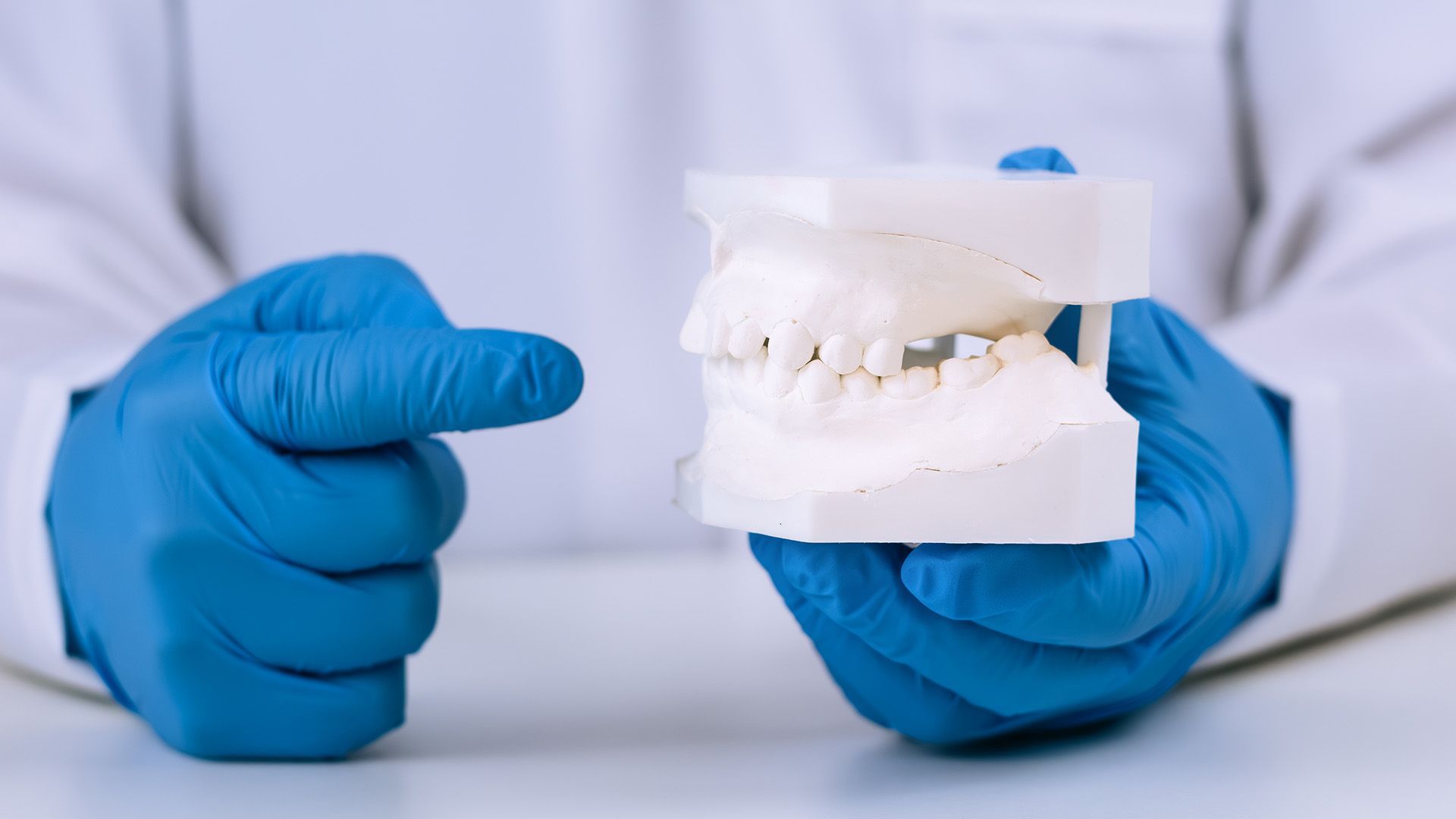
Orthodontists diagnose and treat crowded or spaced teeth, overbites, underbites, crossbites, open bites, impacted teeth, and certain jaw growth concerns. They also guide growth and address habits in children that can influence tooth and jaw development.
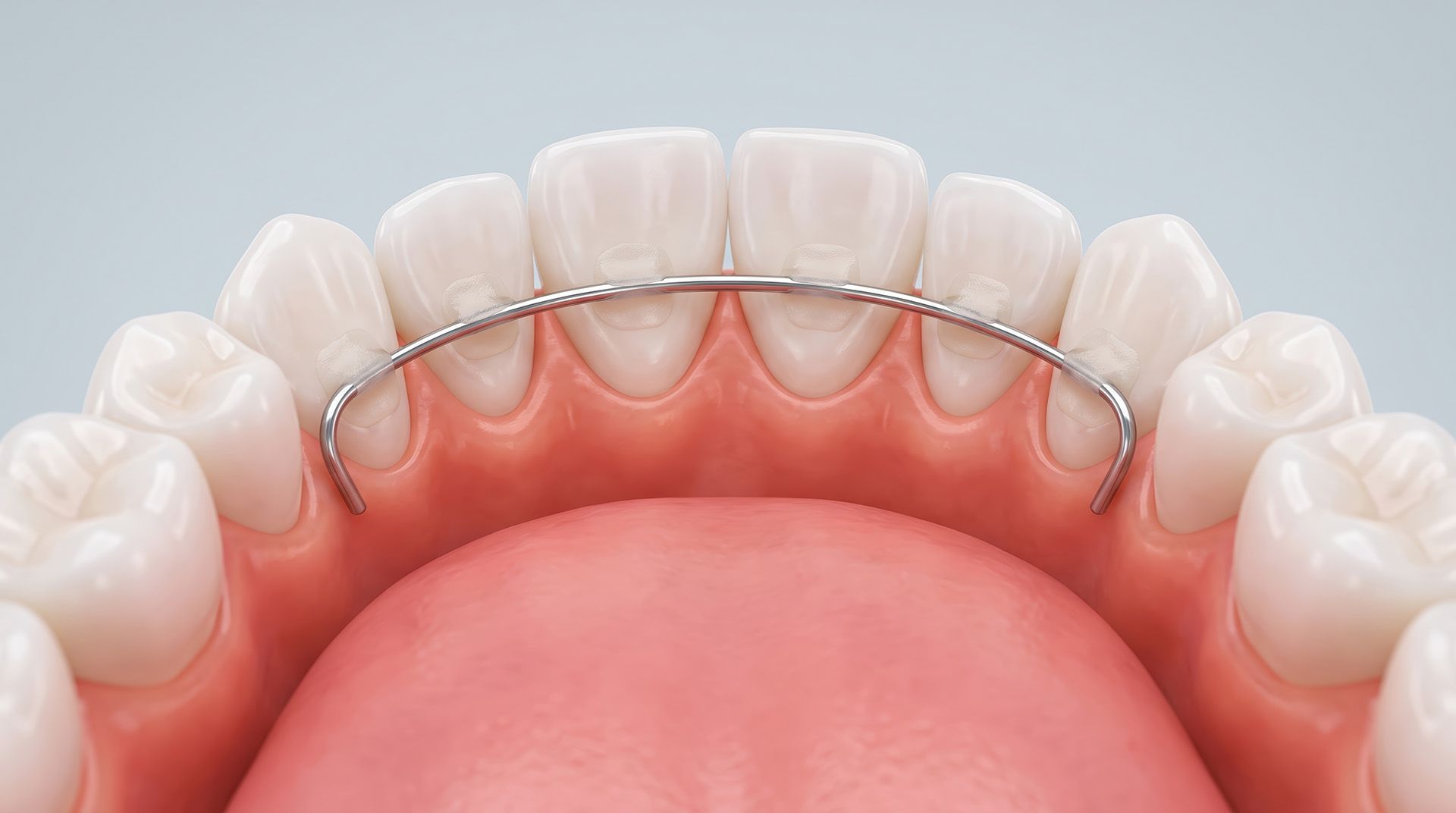
Common treatments include metal and ceramic braces, clear aligners such as Invisalign, retainers, expanders, elastics, and other appliances. For complex cases, orthodontists collaborate with oral and maxillofacial surgeons on surgical orthodontics to correct significant jaw discrepancies. The aim is a stable, functional, and attractive outcome that supports long-term oral health.
Education, Degrees, and Licensing
Orthodontists begin with a four-year undergraduate degree and then complete four years of accredited dental school to earn either a DDS (Doctor of Dental Surgery) or DMD (Doctor of Dental Medicine). These degrees are equivalent and qualify graduates as dentists.
After dental school, orthodontists pursue a two- to three-year full-time residency focused on facial growth, biomechanics, tooth movement, and complex bite correction. This advanced specialty training distinguishes orthodontists from general dentists and prepares them to manage cases across all levels of complexity.
Licensing occurs at two levels. First, orthodontists must hold a state dental license to practice dentistry. Second, many states require a specialty license or permit in orthodontics. In addition, many orthodontists seek board certification through the American Board of Orthodontics (ABO). While voluntary, board certification involves rigorous written and clinical examinations and case evaluations beyond general licensure, demonstrating a commitment to the highest standards and lifelong learning.
Ongoing continuing education is required to maintain licensure and stay current with evolving technologies like digital scanners, 3D imaging, and modern aligner systems. This continual training supports doctor-level care within the specialty of dentistry.
Orthodontist vs. General Dentist: How Their Roles Differ
General dentists provide comprehensive oral healthcare, including preventive cleanings, fillings, crowns, gum health management, and routine exams. Orthodontists focus exclusively on tooth and jaw alignment and the biomechanics of moving teeth safely and predictably.
Some general dentists offer limited orthodontic services, such as straightforward clear aligner cases. Orthodontists, however, are trained to manage the full spectrum of orthodontic complexity, from early interceptive care in children to multidisciplinary cases involving impacted teeth, skeletal discrepancies, and combined orthodontic and surgical treatment.
Referral to an orthodontist is appropriate when there is significant crowding, complex bite issues (such as crossbite, deep bite, or open bite), jaw growth concerns, impacted teeth, or when prior orthodontic treatment has relapsed. Throughout treatment, orthodontists coordinate closely with general dentists to monitor dental health, provide necessary restorative care when needed, and ensure that the final result is stable and supports long-term oral health.
When to See an Orthodontist
The American Association of Orthodontists recommends a first check-up by age 7. Early evaluation helps identify jaw growth patterns, crossbites, or crowding that may benefit from interceptive treatment. Teens often begin comprehensive treatment as the permanent teeth erupt. Adults can also achieve excellent results, especially with discreet options like clear aligners and ceramic braces.
- Crowded or spaced teeth
- Difficulty chewing or biting
- Jaw clicking, discomfort, or shifting
- Mouth breathing
- Thumb or finger habits in children
- History of dental trauma or early tooth loss
What to Expect at Your First Visit
At the initial consultation, you can expect a comprehensive exam, digital imaging (photos, X-rays, and sometimes 3D scans), and a conversation about your goals. Your orthodontist will explain treatment options, expected timelines, costs, and insurance or payment options. You will leave with a clear plan that outlines each step toward a healthier bite and smile.
Comprehensive treatment typically ranges from 12 to 24 months, depending on case complexity and patient cooperation. You will have periodic appointments to adjust appliances and track progress. After active treatment, retainers are essential to maintain alignment. Doctor-level orthodontic care means your plan is customized, biologically safe, and evidence-based, supporting predictable results, comfort, and lasting stability. If you are still wondering if an orthodontist is a doctor, remember that their education, licensing, and daily clinical responsibilities are all rooted in rigorous, doctor-led dental specialty training.