What Gives You Better Results ... Braces or Invisalign?

Both traditional braces and Invisalign straighten teeth. While some people choose teeth-straightening techniques for cosmetic purposes, correctly aligned teeth are vital for dental, oral and overall health. This guide can help you decide whether braces or Invisalign in Orlando are better for you.
Why Should I Straighten My Teeth?
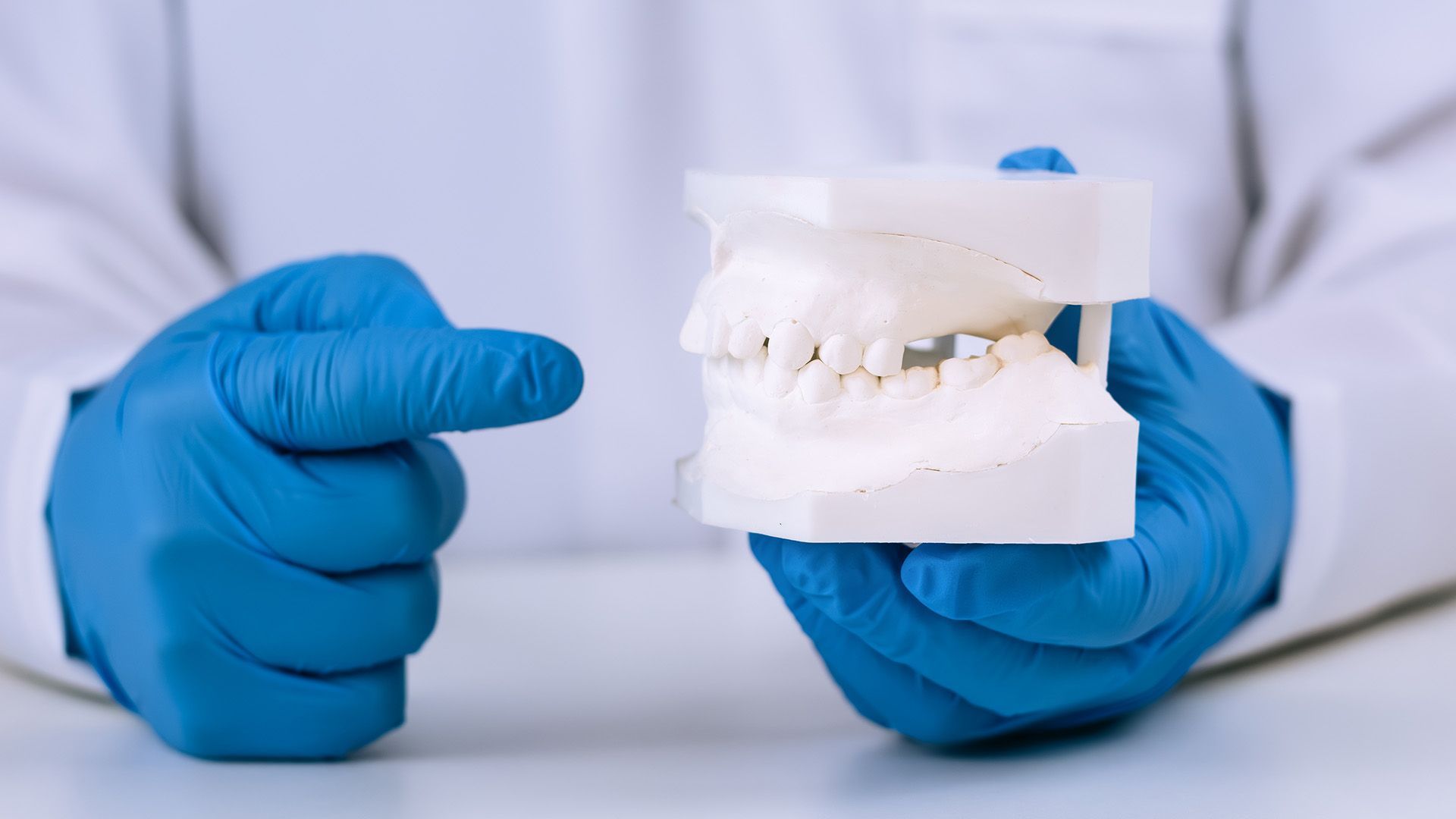
Various causes can result in crooked teeth. Askew teeth can cause or contribute to various problems, including:
- Tooth decay, plaque buildup, gum disease and cavities due to challenges brushing and flossing correctly
- Pain in the jaw
- Irregular wear on the teeth
- Broken or chipped teeth
- Speech impediments
- Bad breath
- Challenges correctly chewing food
- Recurring headaches
- Low self-confidence
- Low self-esteem
Additionally, poor oral health has been linked to serious health conditions, including heart disease, stroke, pneumonia and pregnancy complications. Poor dental appearance can also impact a person’s job prospects, present a barrier to escaping poverty and result in discrimination.
What’s the Difference Between Braces and Invisalign?
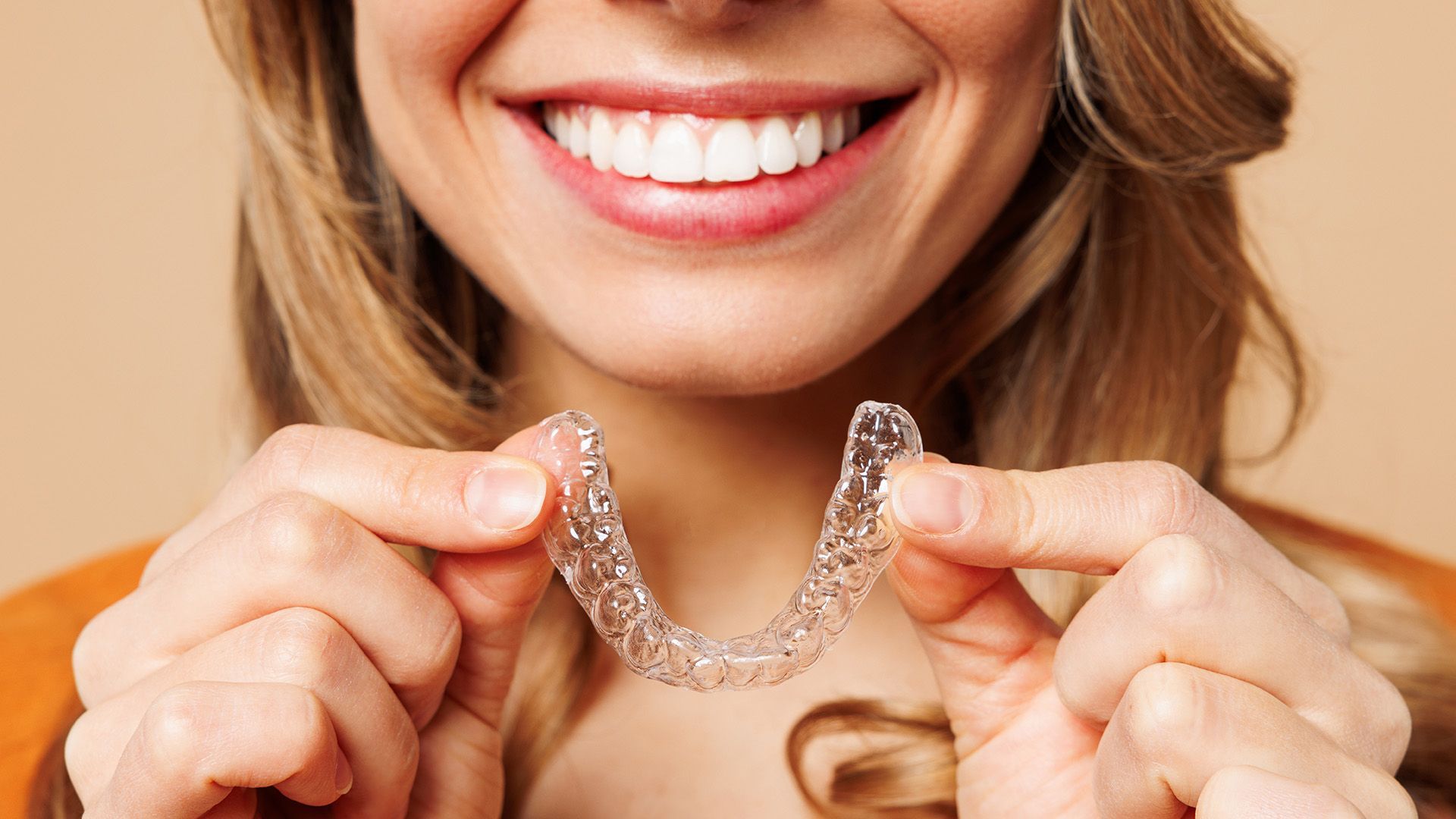
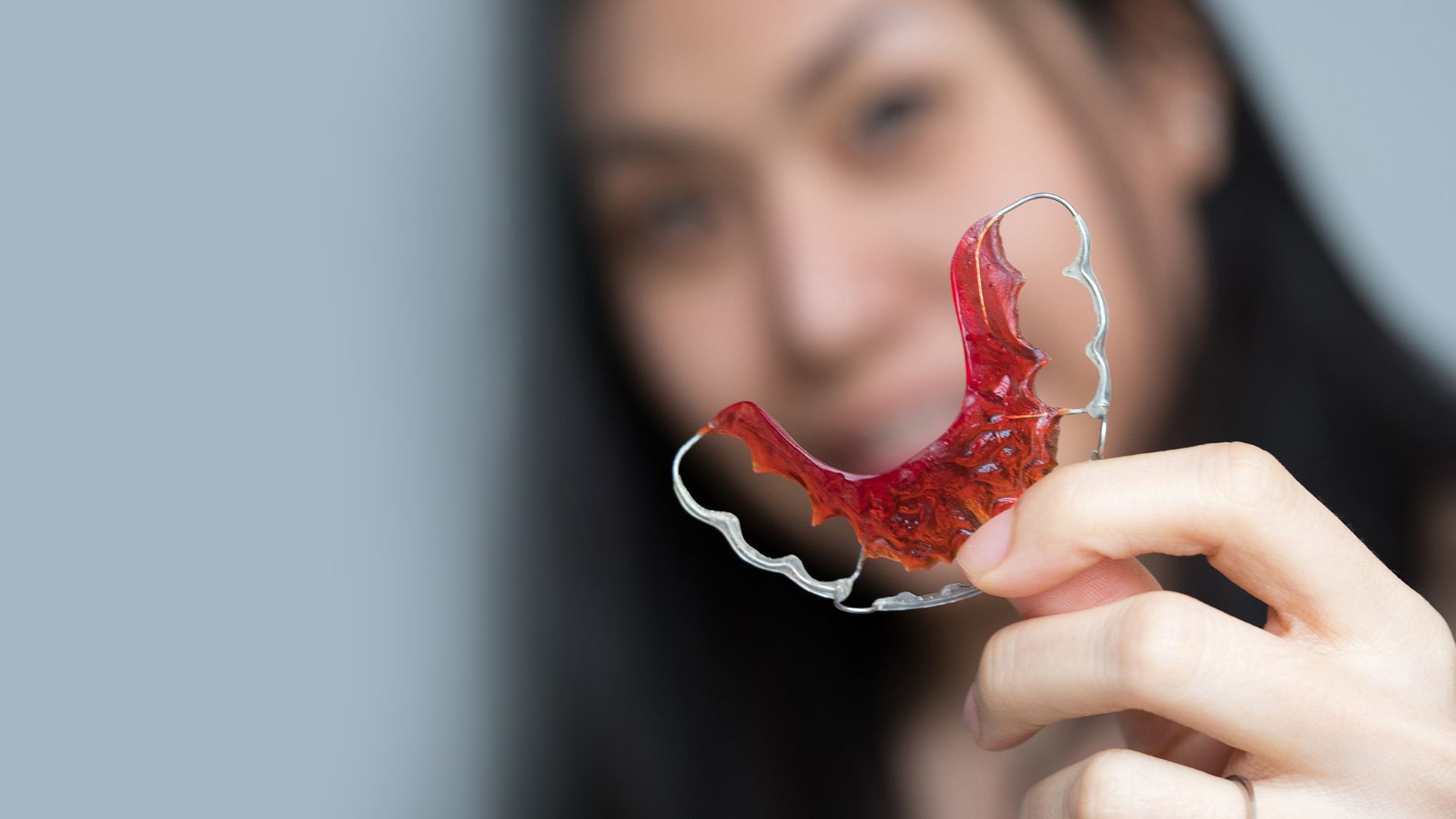
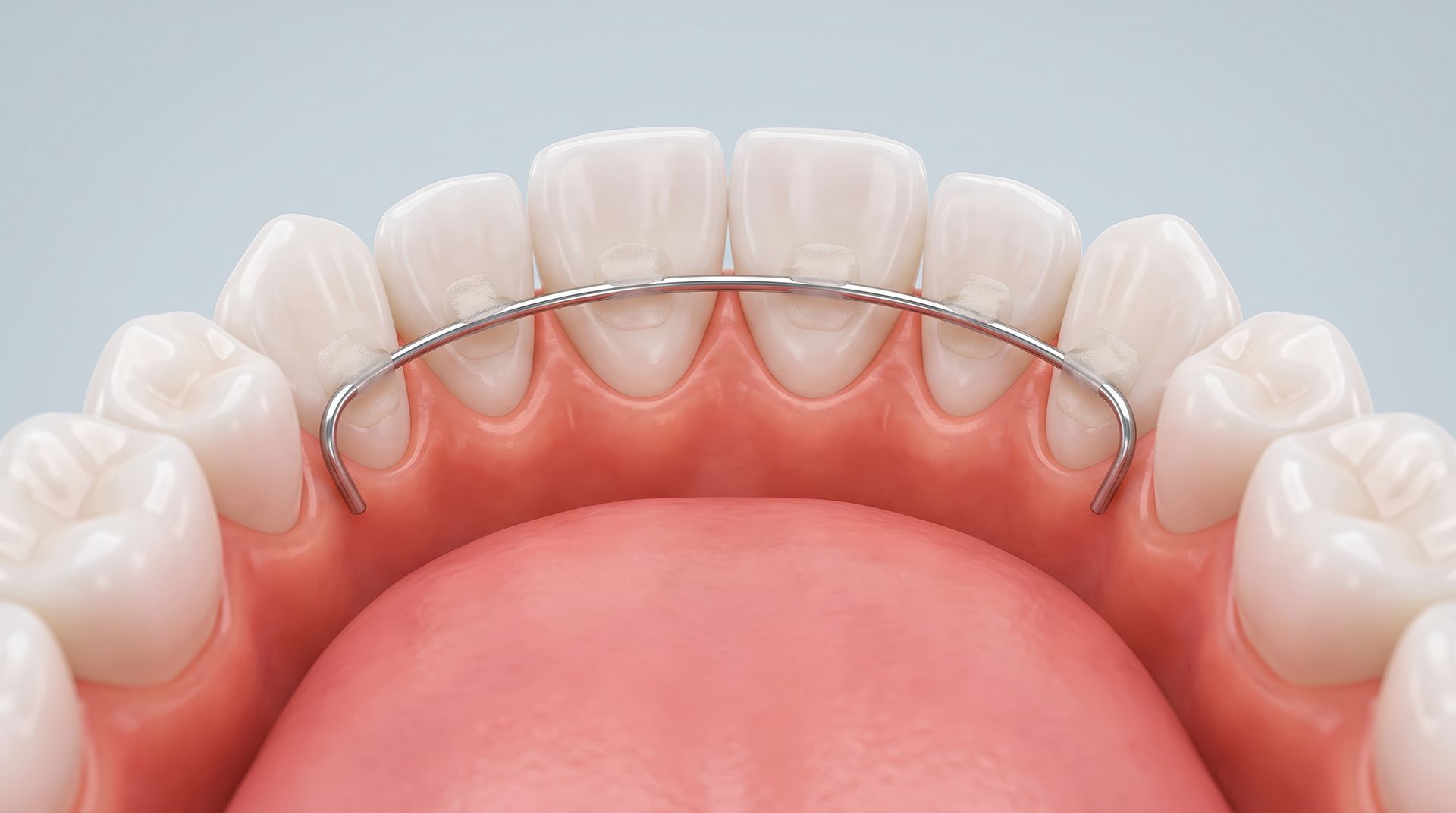
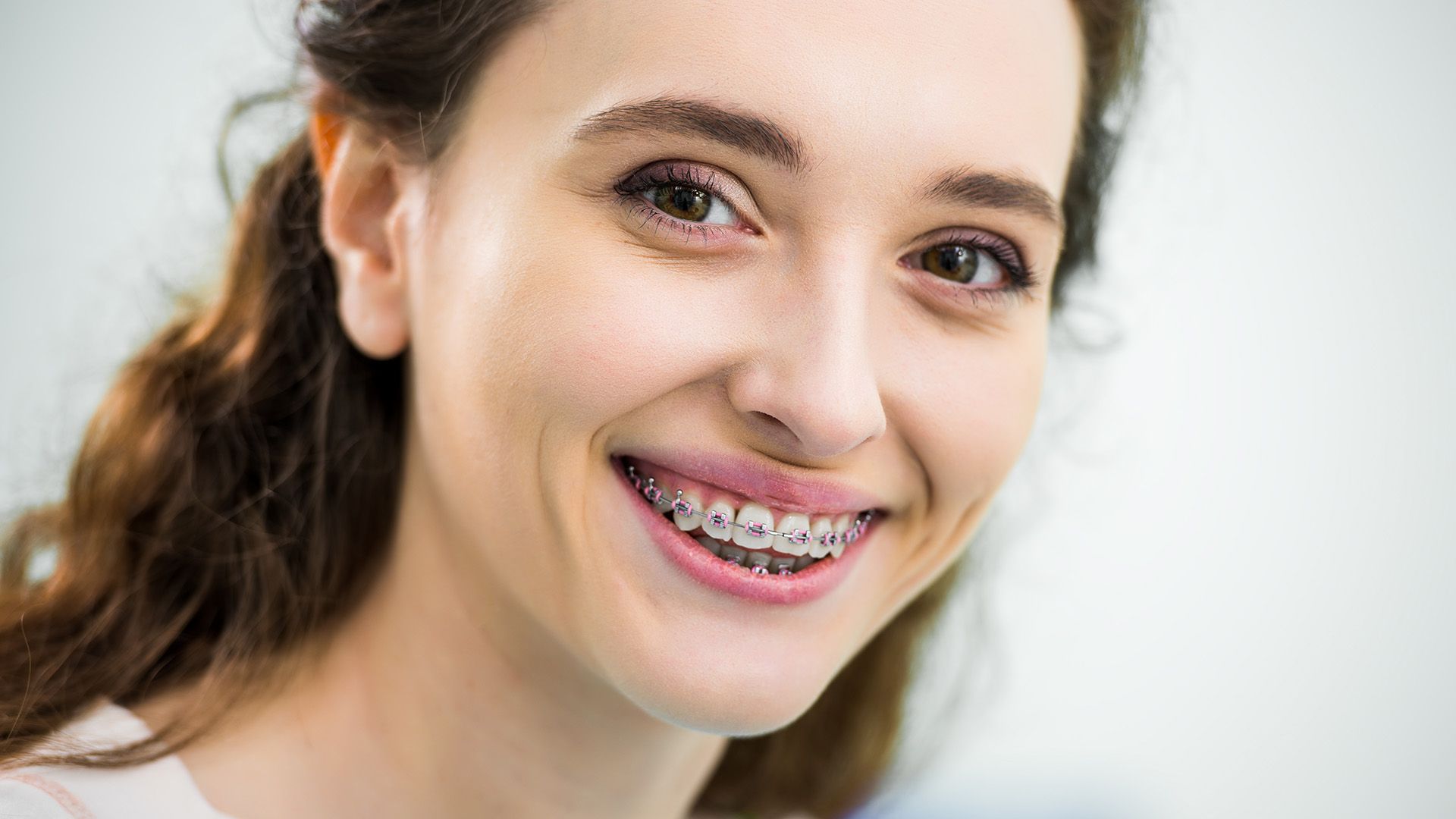
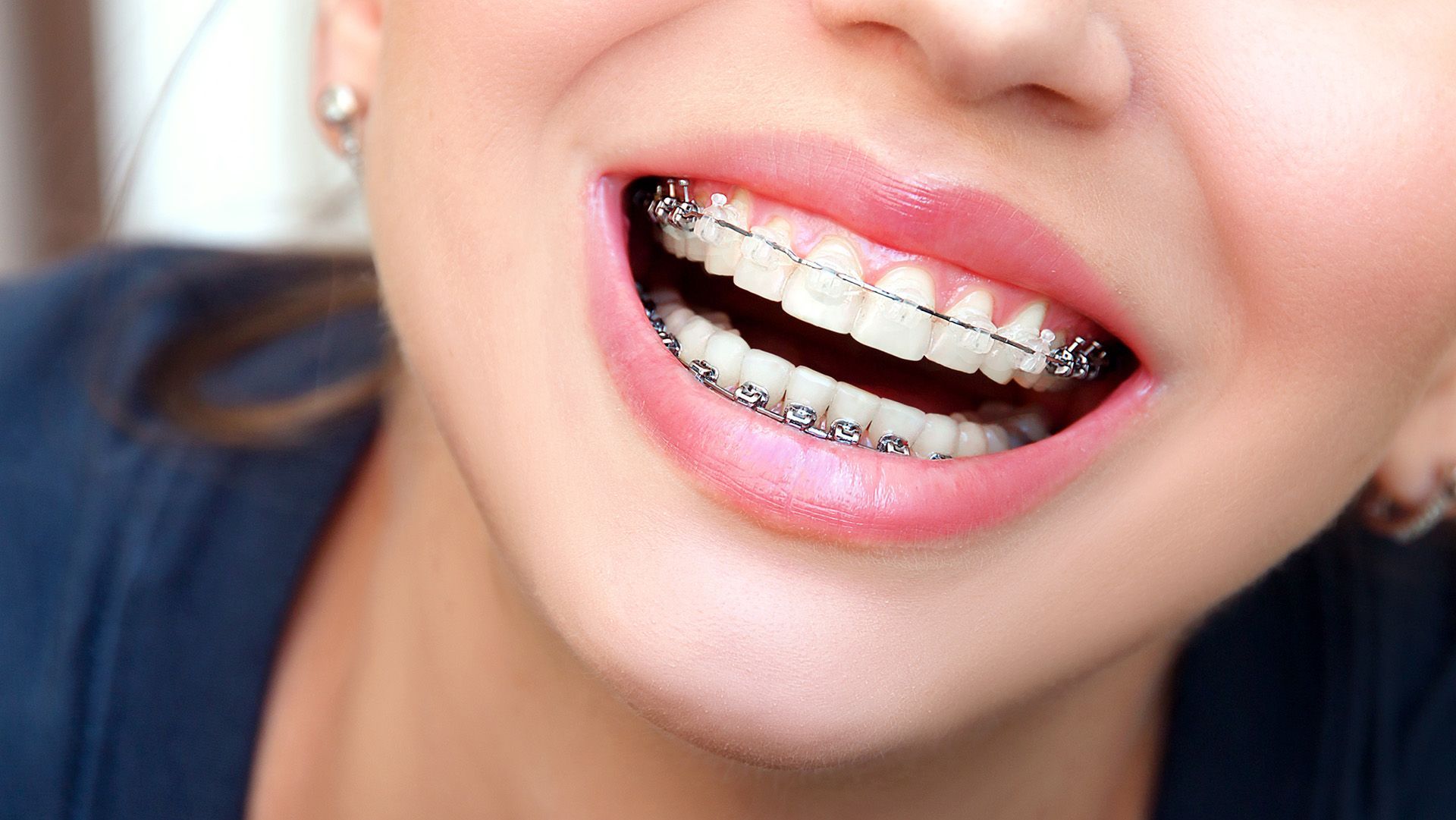
Traditional tooth-straitening methods involve the use of fixed metal and ceramic braces. In contrast, Invisalign treatments use transparent removable aligners, or retainers. Both use consistent gentle pressure to steadily move the teeth into the correct position.
Benefits of Invisalign
Invisalign can be used to correct a wide range of dental concerns. Invisalign treatments are effective and have many benefits, including:
Comfort
Most people experience less discomfort and pain at the beginning of their Invisalign treatment when compared against those who opt for braces.
While it’s recommended that people wear Invisalign retainers for at least 20 hours per day, those experiencing severe pain or irritation can remove devices much quicker and easier than those who have fixed orthodontic devices.
Safety
Invisalign retainers are made from non-irritating medical grade plastic. There is a lower possibility of damage to gum tissue as compared with braces. Checkups use non-invasive safe scanning methods. Furthermore, Invisalign results in fewer emergency dental appointments than regular fixed braces.
Convenience
Using Invisalign Orlando for straighter teeth is convenient, easy and effective. You just put the retainer over your teeth, wear as advised, attend follow-up appointments and change to a new tailor-fitted aligner every week or two.
Removability
Because you can remove the device for thorough cleaning of your teeth, you may see a faster improvement in your oral health.
The removable aspect of Invisalign also means you don’t need to limit your food and drink choices as much; with correct cleaning, of both your teeth and your Invisalign tray, it’s easier to prevent tooth discoloration as compared with fitted devices.
Self-Confidence
Devices that are more noticeable, such as braces, may cause people to feel more self-conscious about their appearance and smile. As clear Invisalign retainers are less conspicuous, it can help with feelings of self-esteem and confidence.
Time
Scheduled Invisalign checkups are generally brief, making it relatively easy to work appointments in around other commitments, such as work, school and family obligations.
How Long Does Invisalign Treatment Take?
You can use Invisalign to treat a wide range of dental issues. Scientific research indicates that Invisalign treatments for mild to moderate issues generally take the same time, sometimes less, than tooth-correction methods that use conventional braces.
Most people need to wear their retainers for around 6 months, though the exact duration depends on your particular dental issue and whether you use the devices as instructed.
Braces and Invisalign in Orlando
Keen to discuss your dental options further? Contact the professional team at Baptiste Orthodontics.