What to Know About Clear Aligners
Clear aligners have transformed orthodontics by providing a discreet and efficient alternative to traditional metal braces. If you're considering this cutting-edge option, what to know about clear aligners is essential for making an informed decision. In this guide, we will cover what are clear aligners, their functionality, benefits, and who can benefit from this treatment. Whether your goal is to improve your smile with a teeth aligner or to gain insights into modern orthodontic solutions, this guide will provide you with valuable information.
What Are Clear Aligners?
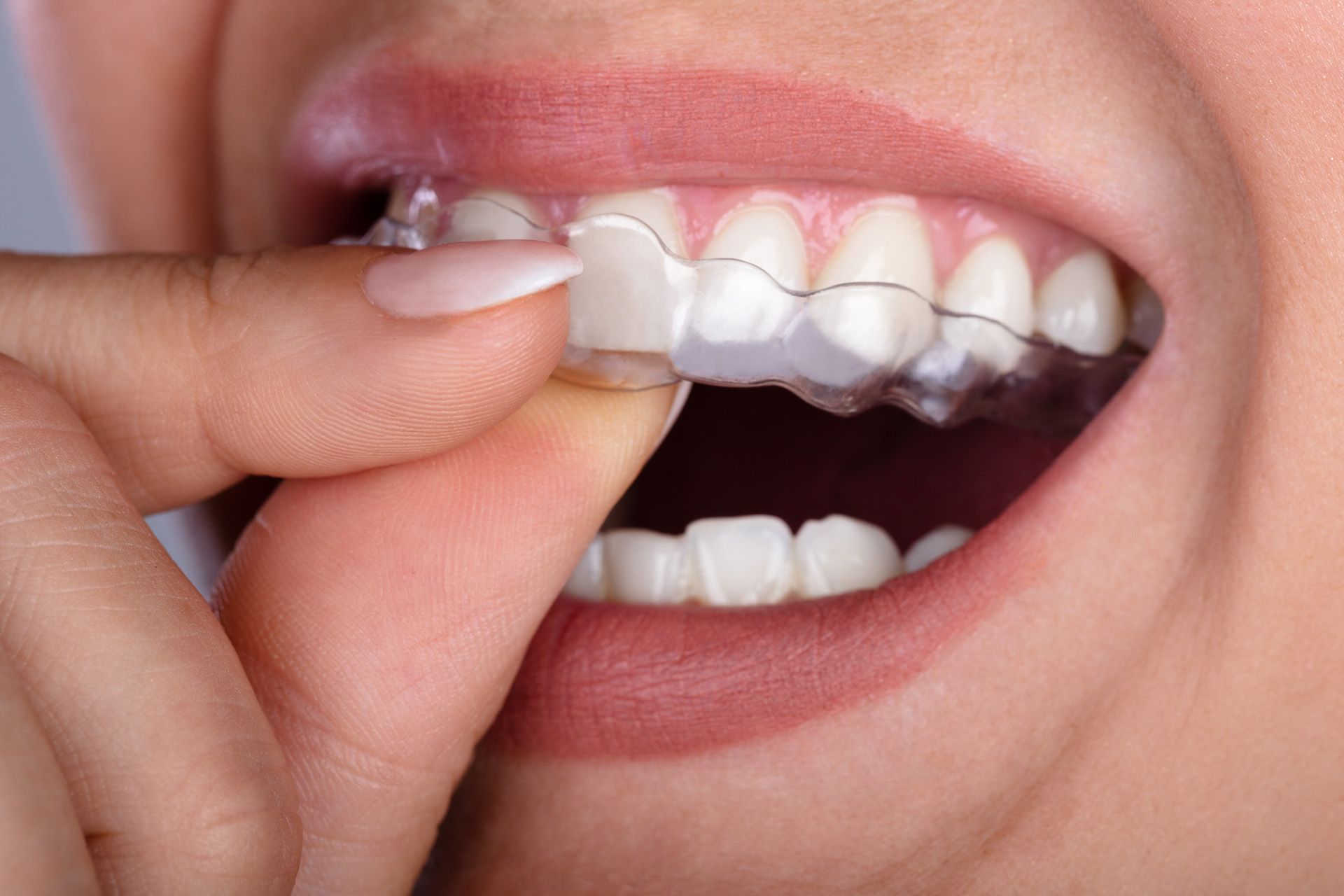
What are clear aligners? They are an advanced orthodontic solution designed to straighten teeth in a subtle and comfortable manner. These custom-made, removable trays work by gradually moving your teeth to their desired positions. Unlike traditional braces, which employ metal brackets and wires, clear aligners offer a nearly invisible alternative for those who wish to enhance their smiles without noticeable orthodontic appliances.
Made from durable, medical-grade, BPA-free plastic, clear aligners are safe for everyday use. They are engineered to be both comfortable and effective, applying the necessary pressure to adjust teeth while minimizing discomfort to the gums and cheeks. Typically, each set of aligners is worn for about two weeks before progressing to the next set tailored to your specific treatment plan.
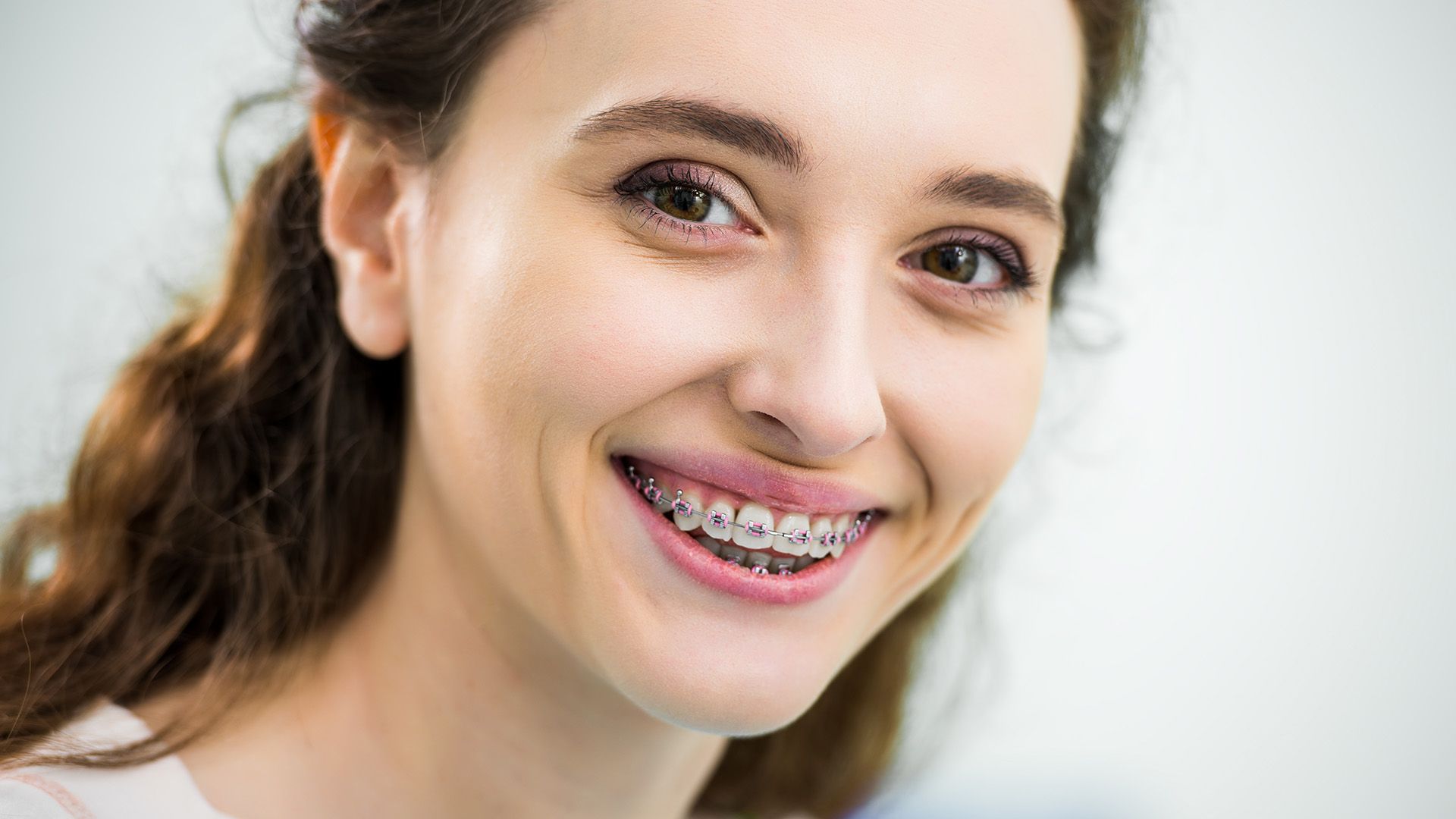
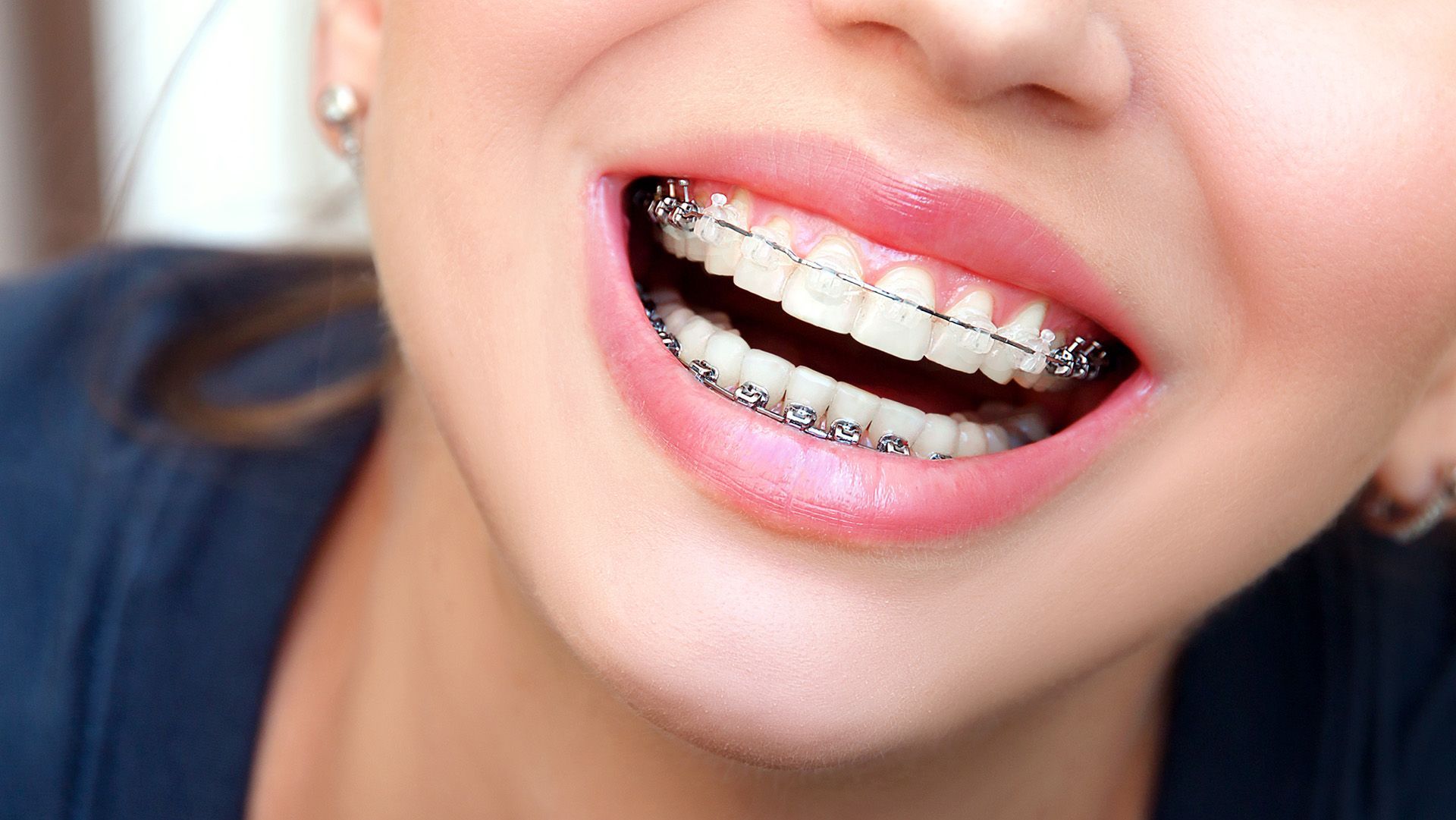
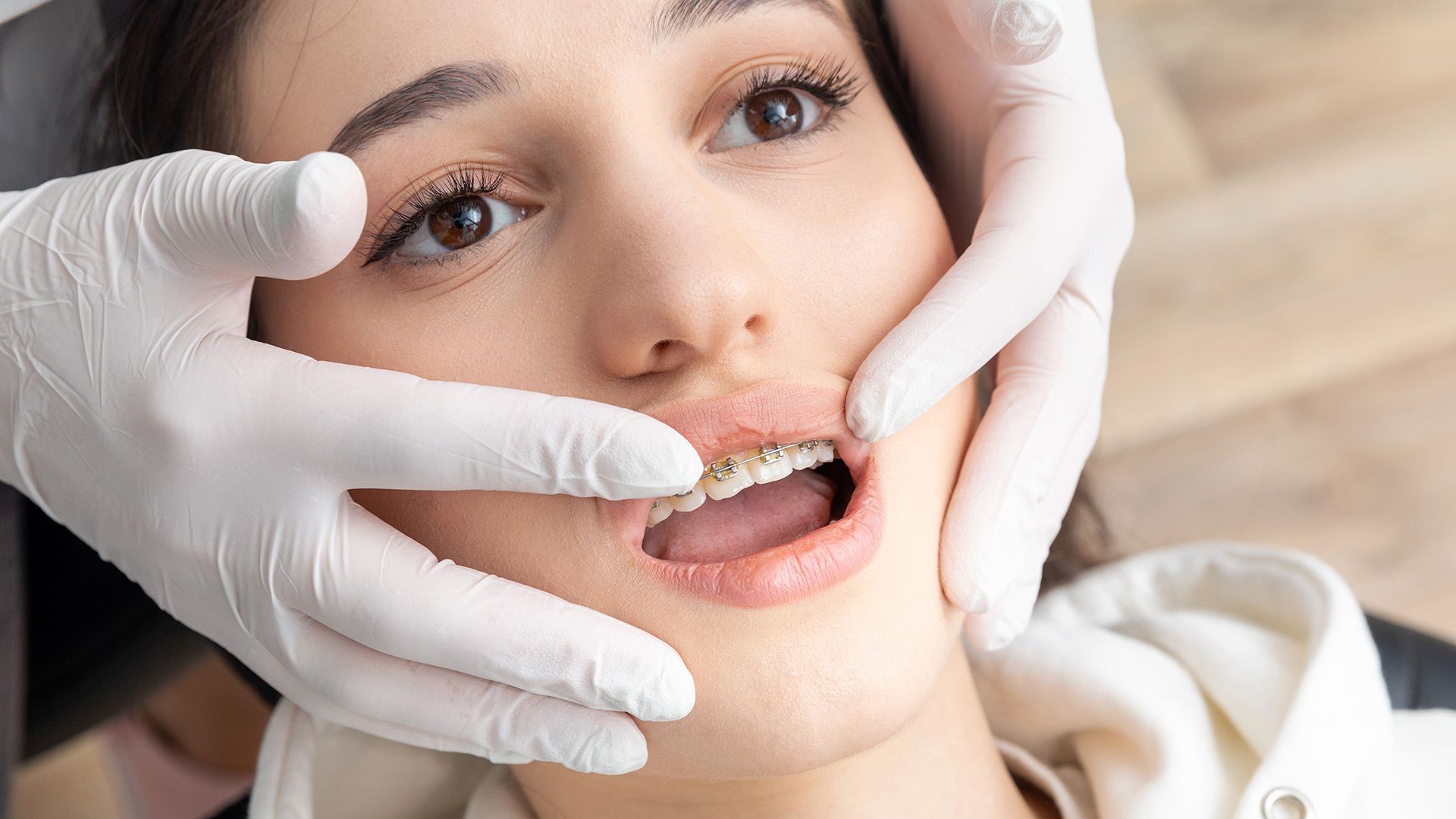
When comparing clear aligners with traditional braces, several key differences emerge. Traditional braces are fixed appliances that require regular orthodontist adjustments, while clear aligners can be removed for eating, brushing, and flossing, offering greater convenience for many patients. What to know about clear aligners includes understanding aligners pros and cons, such as their reduced likelihood of causing discomfort or mouth sores due to the absence of metal components. Overall, clear aligners present a flexible, aesthetic, and effective orthodontic approach, making them a favored choice for individuals seeking better dental alignment.
How Do Clear Aligners Work?
Clear aligners represent a revolutionary orthodontic treatment that gradually shifts teeth into their desired alignment. The journey begins with an in-depth consultation at Baptiste Orthodontics, where your unique dental needs are assessed, and a personalized treatment plan is devised. Utilizing advanced 3D imaging technology, we create a series of aligners that fit snugly over your teeth, ensuring optimal comfort and effectiveness.
Each aligner in the series exerts gentle pressure on specific teeth, guiding them toward alignment over time. As you advance through the aligners, each set incrementally moves your teeth closer to the desired outcome. This gradual method not only enhances treatment effectiveness but also minimizes discomfort, making it a preferred option for many patients.
For best results, it's crucial to wear your aligners for the recommended duration, typically 20 to 22 hours per day. Consistent wear is essential for continuous teeth adjustment and to keep your treatment on schedule. Skipping hours or not wearing aligners as directed can prolong treatment time and affect the final outcome. At Baptiste Orthodontics, we support you through each step, ensuring you understand the importance of adherence for achieving a beautiful, straight smile with your teeth aligner.
The Benefits of Clear Aligners
Clear aligners offer numerous aesthetic and practical benefits, making them an increasingly popular choice for orthodontic treatment. Unlike metal braces, which can be visually intrusive, clear aligners are virtually invisible, allowing patients to maintain a natural smile throughout treatment. This subtlety is particularly appealing for adults and teens aiming to avoid the noticeable appearance of braces.
Beyond aesthetics, clear aligners provide a level of comfort and convenience unmatched by traditional braces. Made from smooth, BPA-free plastic, they fit snugly over your teeth, significantly reducing the irritation often associated with metal brackets and wires. Many patients find clear aligners easier to wear for extended periods, as they do not have the uncomfortable pressure points that can accompany traditional orthodontics.
A significant advantage of clear aligners is their removability, greatly enhancing the overall treatment experience. Unlike fixed braces, clear aligners can be easily removed when eating or drinking. This means you can enjoy your favorite foods without restrictions and maintain optimal oral hygiene by brushing and flossing without obstacles. This flexibility contributes to a more enjoyable treatment process and supports better dental health throughout your orthodontic journey. What to know about clear aligners includes understanding aligners pros and cons, such as their aesthetic benefits and convenience.
Who is a Candidate for Clear Aligners?
Clear aligners are an effective solution for addressing various common orthodontic issues, including mild to moderate crowding, spacing, overbites, underbites, and crossbites. Custom-made to fit your teeth, clear aligners can gradually align your teeth while maintaining a discreet appearance.
However, not everyone is an ideal candidate for clear aligners. Several factors influence suitability, including the severity of the orthodontic issue, the patient's age, and their commitment to wearing the aligners as prescribed. Patients with more complex dental problems may require alternative treatments, such as traditional braces, to achieve optimal results.
A comprehensive consultation is essential to determine if clear aligners are the right choice for you. During this process, our experienced orthodontic team will evaluate your dental health, discuss your aesthetic goals, and take precise measurements of your teeth. This initial assessment enables us to create a personalized treatment plan tailored to your specific needs. If clear aligners are deemed suitable, we will guide you through the entire process, ensuring you feel confident and informed every step of the way about what are clear aligners and what to know about clear aligners.