When is the Right Time to Get Braces and Aligners?
Dr. Andre Baptiste • September 8, 2021

Photo by Ben Hershey @benhershey
Starting orthodontic treatment requires planning and forethought. Patients and parents of minors getting braces need to consider several factors for when they should start the process. Most Orthodontic offices will offer free consultations, which can make it tempting to start the same day. In many cases, this is okay, but you should first consider several factors:
-Have you been to a dentist for your regular cleanings and exams?
-Are your teeth healthy and free of any cavities?
-Do you require any major dental work (root canal, implants extractions, etc.)?
-Do you have a plan on how to pay for treatment?
-Have you included it in your family or personal budget?
-Do you have a Health Savings plan, or applied for Care Credit (a Health Payment credit card)
Check your school calendar
For school-age children and teens, the success of the treatment can be affected by when they start, and their scheduled follow-up visits for adjustments. Summertime, or any time school is out of session, is always good. Check the school calendar and contact your orthodontist to schedule an appointment then.
Concerts and performances
Does your child play or are they learning to play a musical instrument? If so, then the day of a performance is not a good time to start treatment or to get a tightening. The band directors will usually mention this at their orientation.
Sports
Other school events, such as major tests or sporting competitions are also times you should stay away from scheduling appointments. You want your child to fully concentrate on their test or game instead of the discomfort (as mild as it might be) they might be experiencing from their latest adjustment.
And keep in mind any other event you do not want your child to be focusing on their braces instead of the event itself, such as vacations and celebrations.
Special events, presentations, vacation
This also applies to people who are undergoing aligner treatment such as Invisalign, Clear Correct, or any other Clear Aligner therapy.
The most discomfort you might feel will be when you put on the first “tray” or “aligner.” This will happen when you start treatment and when you switch to your next tray. The discomfort is due to the pressure that is being put on the teeth to move to the desired location to obtain the optimal orthodontic results.
A person wearing an aligner sometimes will experience a change in how they speak, developing a slight lisp until they get used to the new aligners.
None of this is very serious but is something to consider when you have major events in your life. Consider switching your trays after your big presentation or interview.
It is not recommended to start treatment if you are going to be away for extended periods that might prevent you from going to your regular adjustment appointments on time. Not being able to attend your appointments will delay the completion of the treatment.
Ensuring a beautiful, healthy smile
So, when is a good time to start orthodontic treatment such as braces and aligners? The optimal time is when your teeth and gums are healthy, you are financially prepared for this new investment, and there are no life events that might interfere with the success of your treatment. A trained Orthodontist and Treatment Coordinator will be able to guide you to make sure your treatment is successful and a plan that works for you is created. A little planning and forethought will go a long way in ensuring you reach your goal of a beautiful healthy smile you’ve always wanted for yourself or your child.
Dr. Baptiste and Dr. Morris are available for consultations and to answer any questions you might have about braces or aligners. To contact them, please call our office.
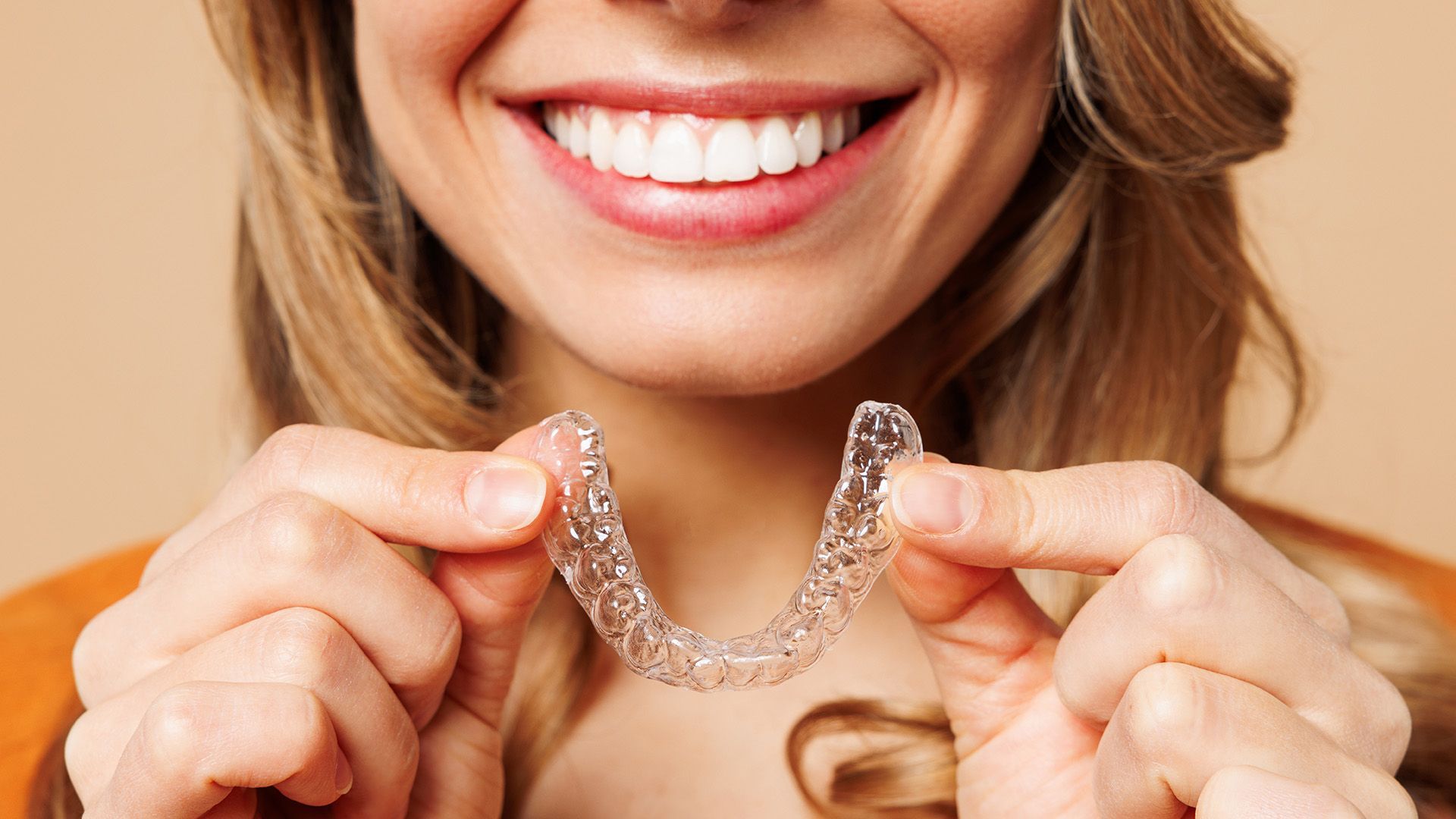
Here we will cover what to know about Invisalign before you start to help you make informed decisions.
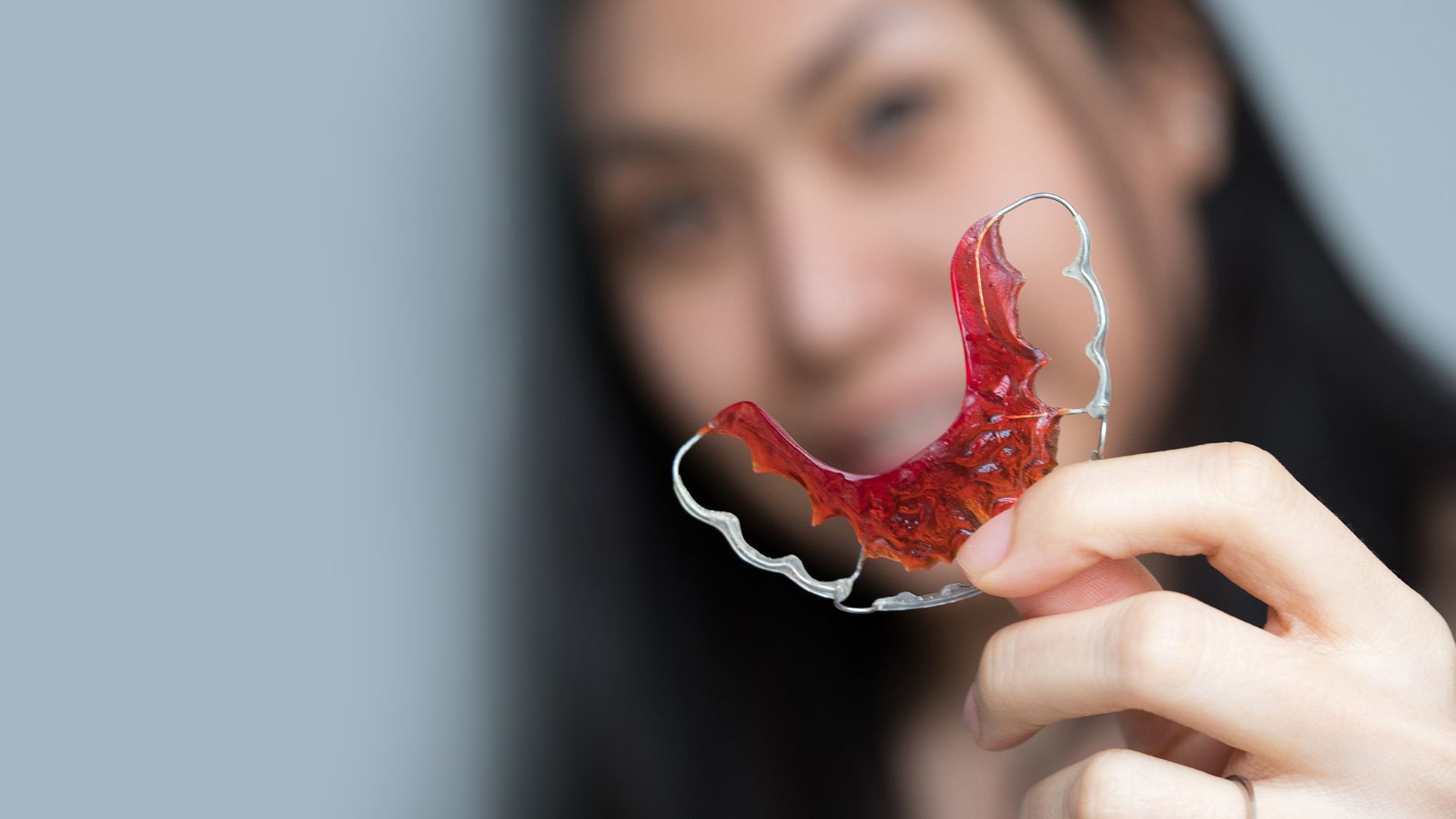
So, what happens if you don't wear your retainer, the short answer is that your teeth can begin to move back toward their original positions.
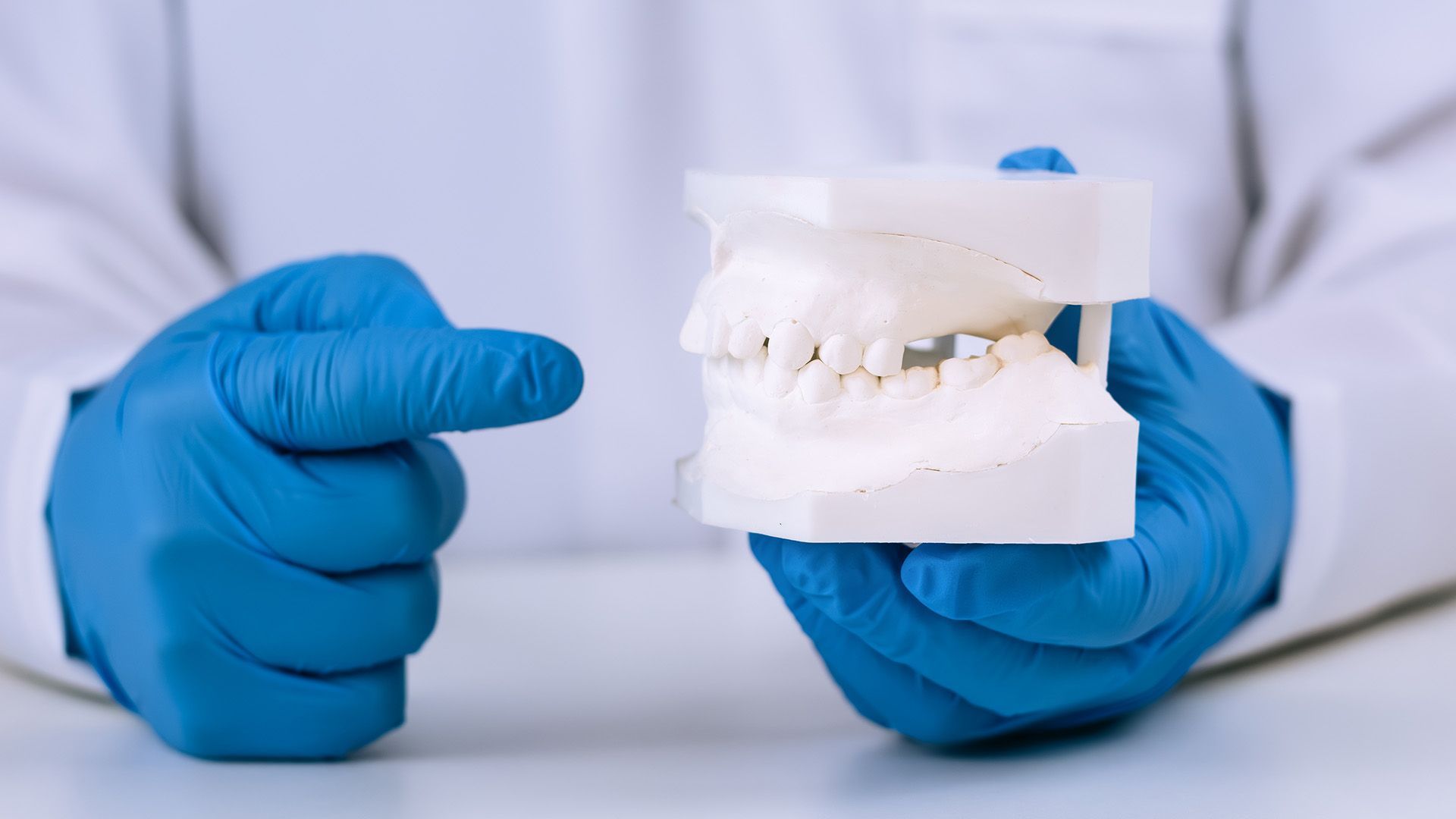
Early evaluation can prevent wear, reduce discomfort, and support long-term oral health. Act early and protect your teeth, gums, and jaw joints.

Knowing what is normal, how long it lasts, and how to ease symptoms can make treatment more comfortable from day one.
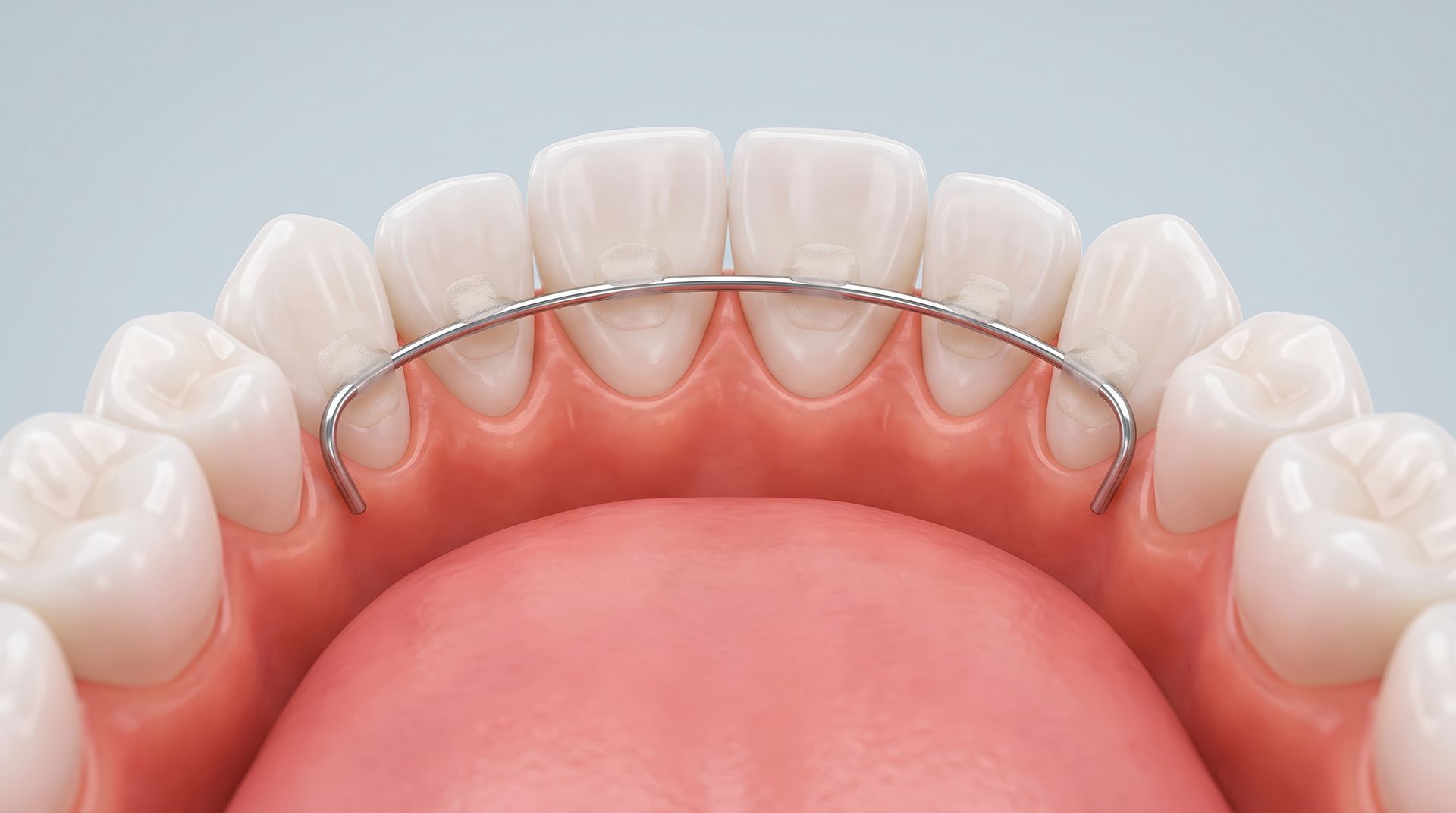
Here we cover what to do if your permanent retainer comes off by providing guidance and common sense instructions to get you back on track.

Modern headgear braces are a far cry from the bulky devices of the past. Today’s options are lighter, more precise, and used strategically to guide jaw growth.

So, can you get braces the same day as your consultation, the answer is often yes when clinical and scheduling factors align.
This guide covers why aftercare matters, how to care for retainers, the essentials of oral hygiene, smart diet choices, what to expect at follow-up visits, and more.

So, how do you make braces more comfortable? Use the tips in this quick guide to get some relief and have a better experience.

So, how are clear braces different from metal braces? Learn everything there is to know using this handy guide.