How Long To Wear Retainers After Braces For Lasting Results
Finishing braces is a major milestone, but keeping your new smile straight requires ongoing maintenance. Retainers hold teeth in their corrected positions while the surrounding bone and gums adapt. How long you need retainers after braces depends on your bite, the type of retainer, and how your teeth respond over time. Below, you’ll find why retainers matter, typical wear timelines, types of retainers, care tips, and what to do if you pause wear. If you are wondering how long to wear retainers after braces, the guidance in this article will help you plan for the long term.
Why Retainers Matter
Retainers protect your orthodontic results by maintaining tooth position during the period when tissues are stabilizing. After braces are removed, the periodontal ligaments and bone need time to remodel around the new tooth positions. Without a retainer, teeth tend to drift toward where they started, a process known as relapse.
Teeth can shift for many reasons over a lifetime. Risk factors for relapse include significant crowding before treatment, growth and jaw development in teens and young adults, gum disease, clenching or grinding, tongue thrusting habits, and irregular retainer wear. Even small movements can change your bite and the appearance of your smile.
Consistent retainer use supports long-term oral health by maintaining alignment for easier brushing and flossing, preserving bite balance to reduce wear, and safeguarding the investment you made in orthodontic treatment. Wearing your retainer as prescribed is the simplest way to keep your smile stable.
Typical Retainer Wearing Timeline
Immediate post-braces phase: Most people are advised to wear retainers full time as soon as braces come off. Full time typically means 20–22 hours daily, removing them only for meals, drinking anything besides water, and oral hygiene. This phase commonly lasts 2–6 months, based on your case and your orthodontist’s plan.
Transition phase: After initial stabilization, wear usually shifts to nights only. Night wear means every night for 8–10 hours while sleeping. This stage often lasts 6–12 months, though your orthodontist may adjust the schedule depending on how stable your teeth appear.
Long-term maintenance: Because teeth can move throughout life, some degree of retainer wear is recommended indefinitely. For many patients, nightly wear continues long term; others may be advised to wear retainers a few nights per week once stability is demonstrated. If your retainer feels tight when you put it in, that’s a sign you may need to wear it more often. If you are evaluating how long to wear retainers after braces, plan for consistent night wear well into the future.
Types of Retainers and How Wear Time Differs
Removable clear plastic retainers: These vacuum-formed trays (often called Essix-style) are discreet and comfortable. Wear typically starts full time for several months and transitions to nights. Benefits include minimal visibility and quick speech adaptation. Limitations include potential warping with heat, a risk of cracking if mishandled, and plaque buildup if not cleaned daily. Keep them out of hot environments and clean with a soft brush and mild soap; avoid boiling water and harsh cleaners.
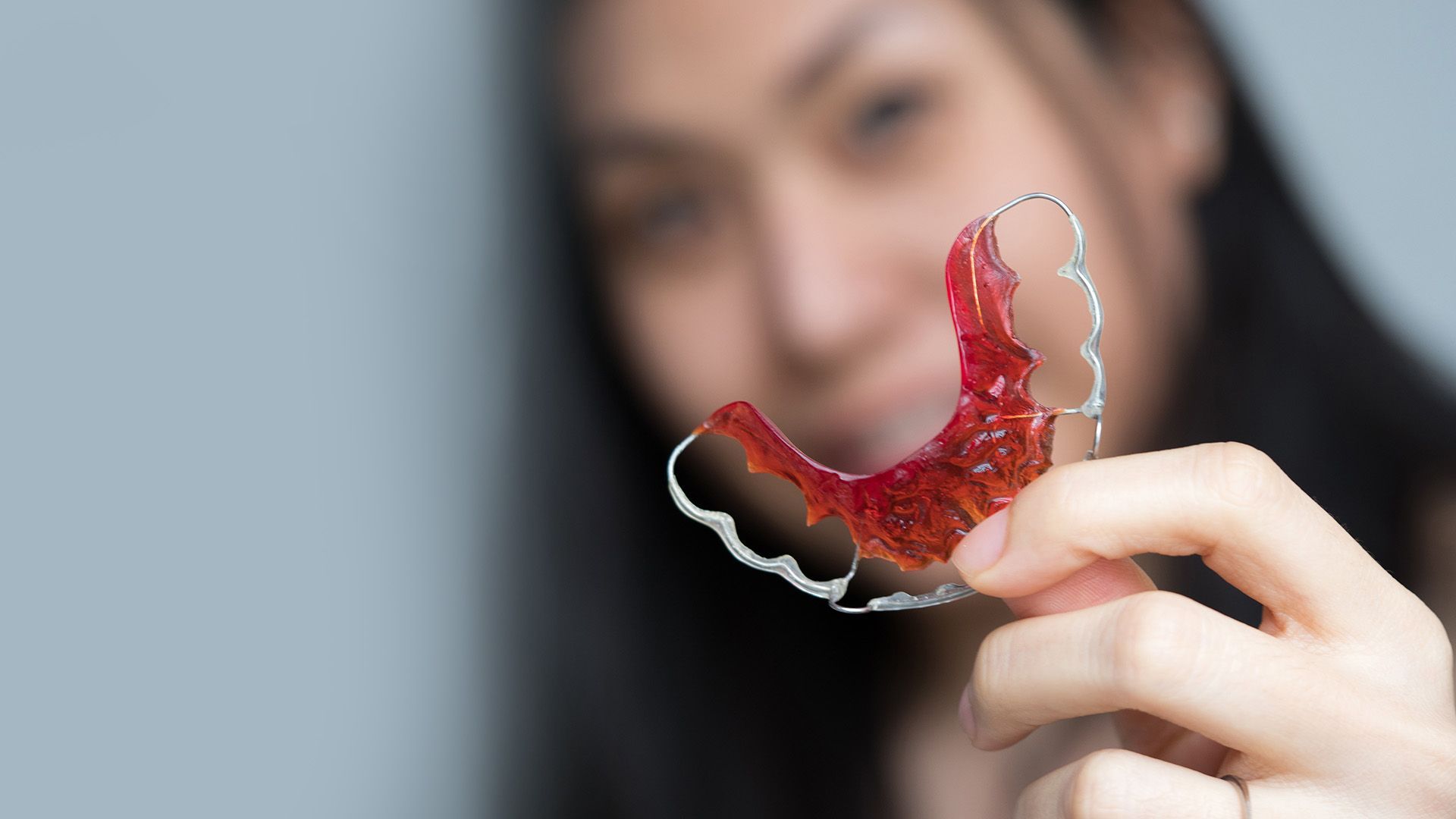
Removable wire (Hawley-style) retainers: These have an acrylic base that rests against the palate or behind the lower teeth with a front wire. Wear schedules usually mirror clear trays: full time initially, then nights. They are durable, adjustable, and allow the bite to settle naturally. Store in a ventilated case, brush daily to remove plaque, and avoid bending the wire. They may be slightly more visible than clear trays.
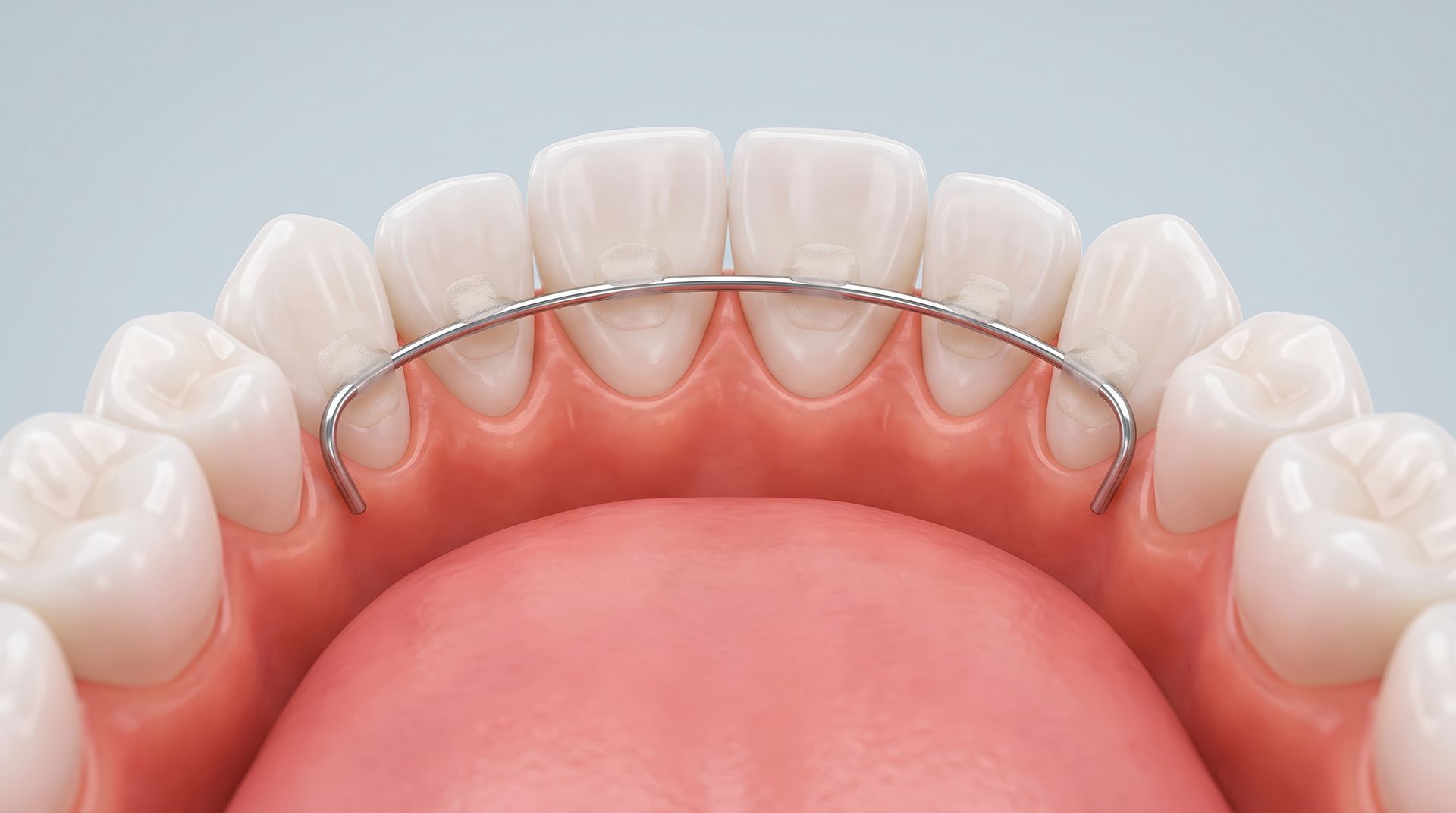
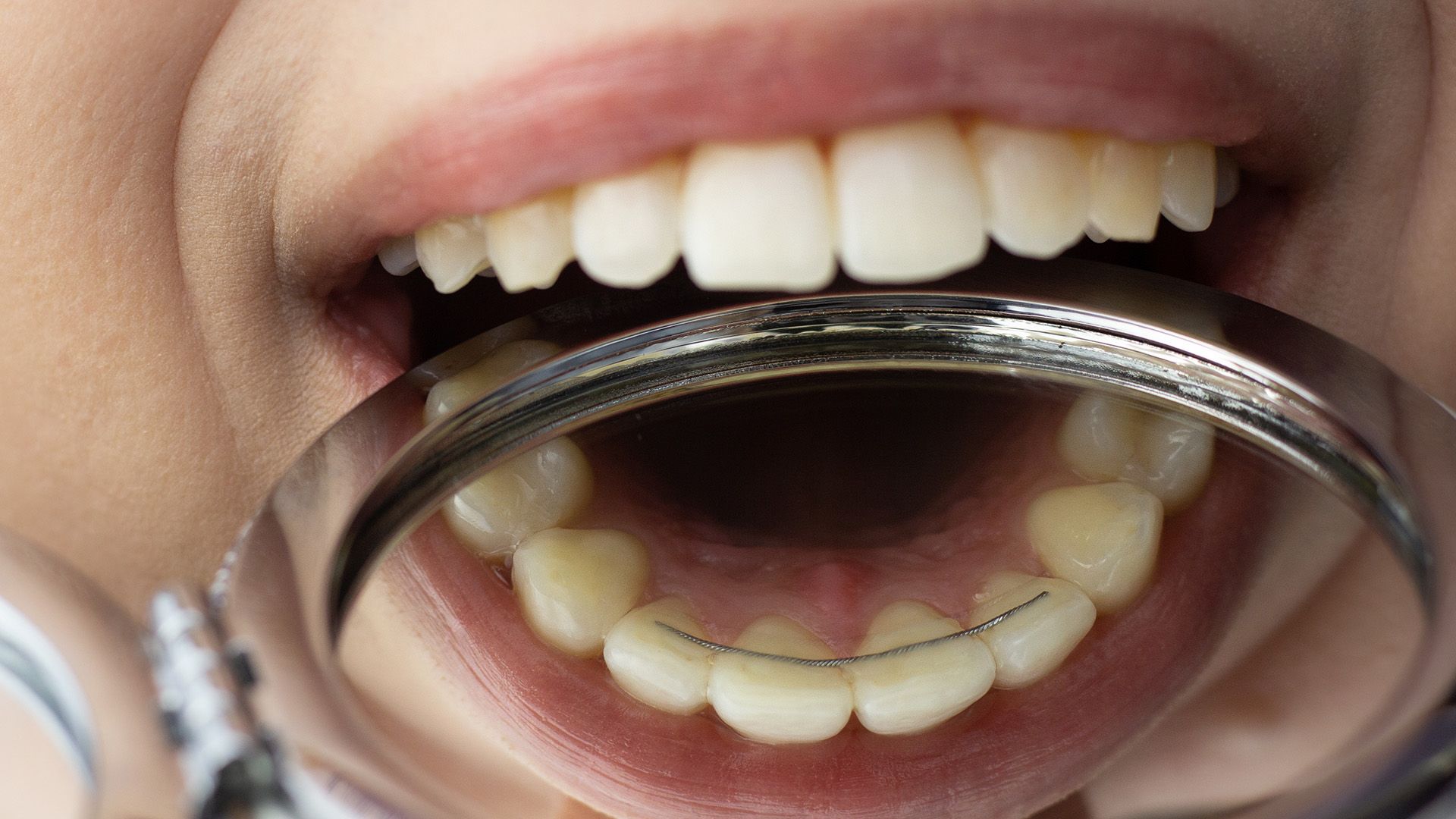
Fixed (bonded) retainers: A thin wire is bonded behind the front teeth, most commonly from canine to canine. They work continuously without relying on daily wear and are often recommended for patients with notable crowding or spacing. Many patients keep them for several years or longer. Pros include constant protection and no need to remember to wear a device at night. Cons include more challenging flossing (use floss threaders or interdental tools), a tendency for calculus buildup, and the possibility of debonding if biting hard foods. Regular dental cleanings and prompt repairs if the wire loosens are important.
Caring for Your Retainer and When to Replace It
Daily cleaning: Rinse your retainer with cool water whenever you remove it. For removable retainers, clean once daily with a soft toothbrush and mild, non-abrasive soap. Avoid toothpaste on clear trays because it can scratch the surface. An occasional soak in a retainer cleaner may be recommended by your orthodontist. Never use hot water, bleach, or alcohol-based cleaners. For fixed retainers, brush thoroughly along the inner surfaces and use floss threaders or a water flosser to clean under the wire.
Storage and protection: Always place removable retainers in a ventilated case when they are not in your mouth. Keep the case clean and dry. Do not wrap retainers in napkins, leave them in hot environments, or allow pets to access them.
Signs it’s time to repair or replace: Cracks, warping, sharp or rough edges, persistent odor, or a loose fit indicate your retainer needs attention. Clear plastic retainers often last 1–3 years with good care; Hawley-style retainers can last longer but may require occasional wire adjustments. Fixed retainers need repair if any bonding breaks or the wire feels rough or lifts from a tooth.
If lost or broken: Contact your orthodontic office promptly. The sooner a missing or damaged retainer is replaced, the less chance teeth have to shift. If you still have an older retainer that fits comfortably, wear it until a replacement is made. Do not force a damaged or ill-fitting retainer onto your teeth.
What Happens If You Stop Wearing a Retainer: FAQs and Practical Advice
What happens if I stop? Teeth can begin to shift within days to weeks after you stop regular wear, especially in the first months after braces. Even years later, small movements can accumulate. You may notice tightness when reinserting the retainer, mild crowding, or gaps returning. If the retainer won’t seat fully, do not force it.
What if I missed time? If you haven’t worn your retainer for a while, try inserting it gently. If it fits snugly without pain, resume consistent wear and monitor. If it doesn’t seat or causes significant discomfort, schedule a visit. Solutions may include making a new retainer that matches your current tooth positions or brief refinement with clear aligners if shifting is more significant.
Travel and sports tips: When traveling, bring your retainer case and a backup if you have one. Keep retainers in carry-on luggage to avoid heat damage. For sports, remove a removable retainer and wear a properly fitted mouthguard during play. Fixed retainers can remain in place, but a mouthguard is still recommended.
Follow-ups and costs: Attend scheduled orthodontic checkups to review fit, hygiene, and stability. If your retainer feels loose or tight, do not wait for your next appointment, call for guidance. Replacement costs vary by type and practice; protecting your retainer and wearing it as directed is typically far less expensive than retreatment.
Bottom line: Plan on nighttime retainer wear long term to keep your smile at its best. Your orthodontist will tailor the schedule to your needs, but consistent wear, proper care, and timely follow-up are the keys to lasting results. When considering how long to wear retainers after braces, remember that some level of nighttime wear, often indefinitely, is the most reliable way to maintain your alignment.