Broken Bracket? What To Do When You Have Broken Braces
Experiencing a broken bracket on your braces can be concerning, but staying calm and knowing the correct steps to take is crucial. Brackets are essential components of your orthodontic treatment, guiding your teeth into their desired positions. If you find yourself dealing with a broken braces, understanding the situation and knowing how to respond can help prevent delays in your treatment. This article will explore the role of brackets, common causes of breakage, signs of a broken bracket, immediate actions to take, and when to contact your orthodontist for help.
Understanding Brackets and Their Role
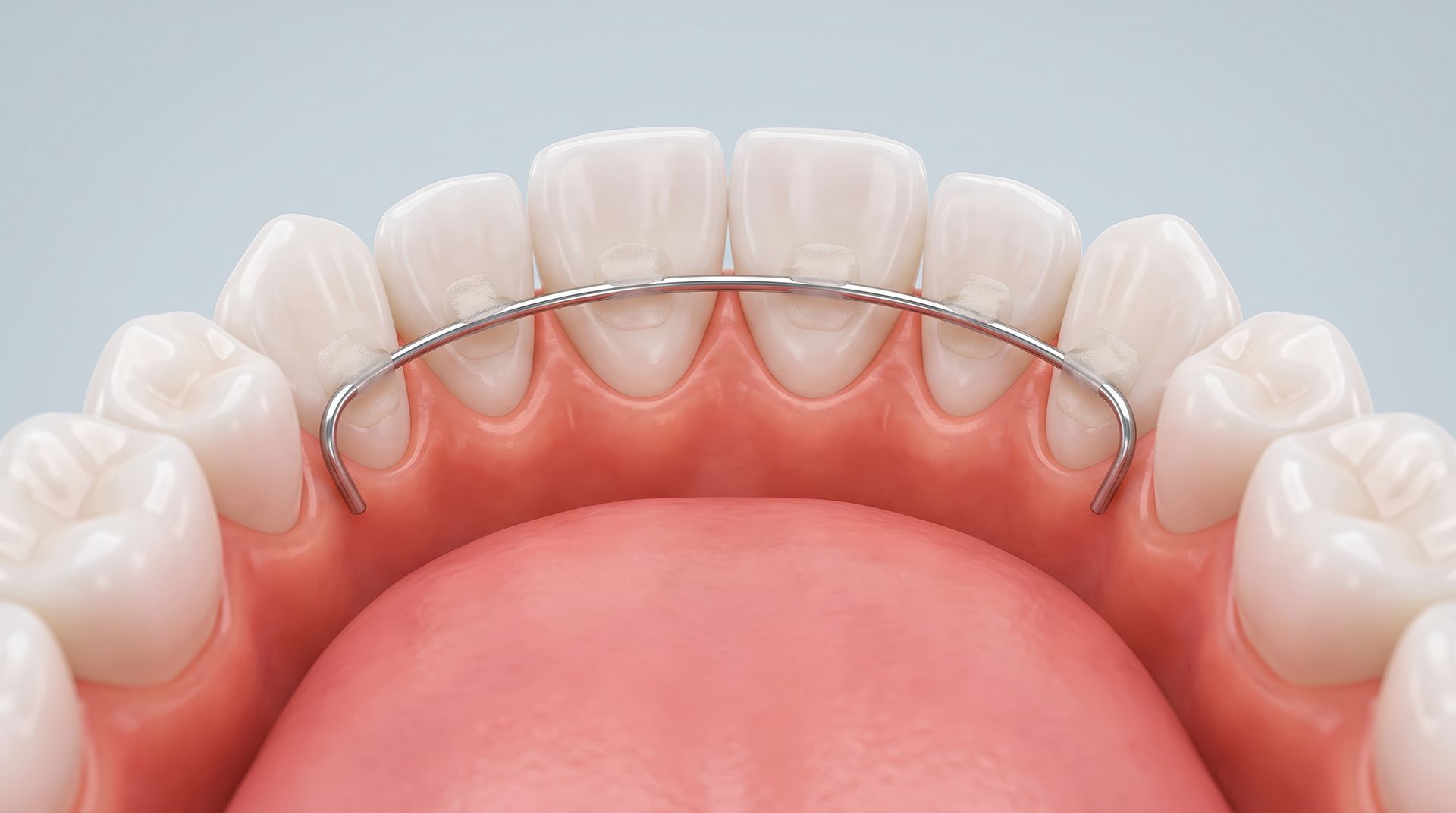
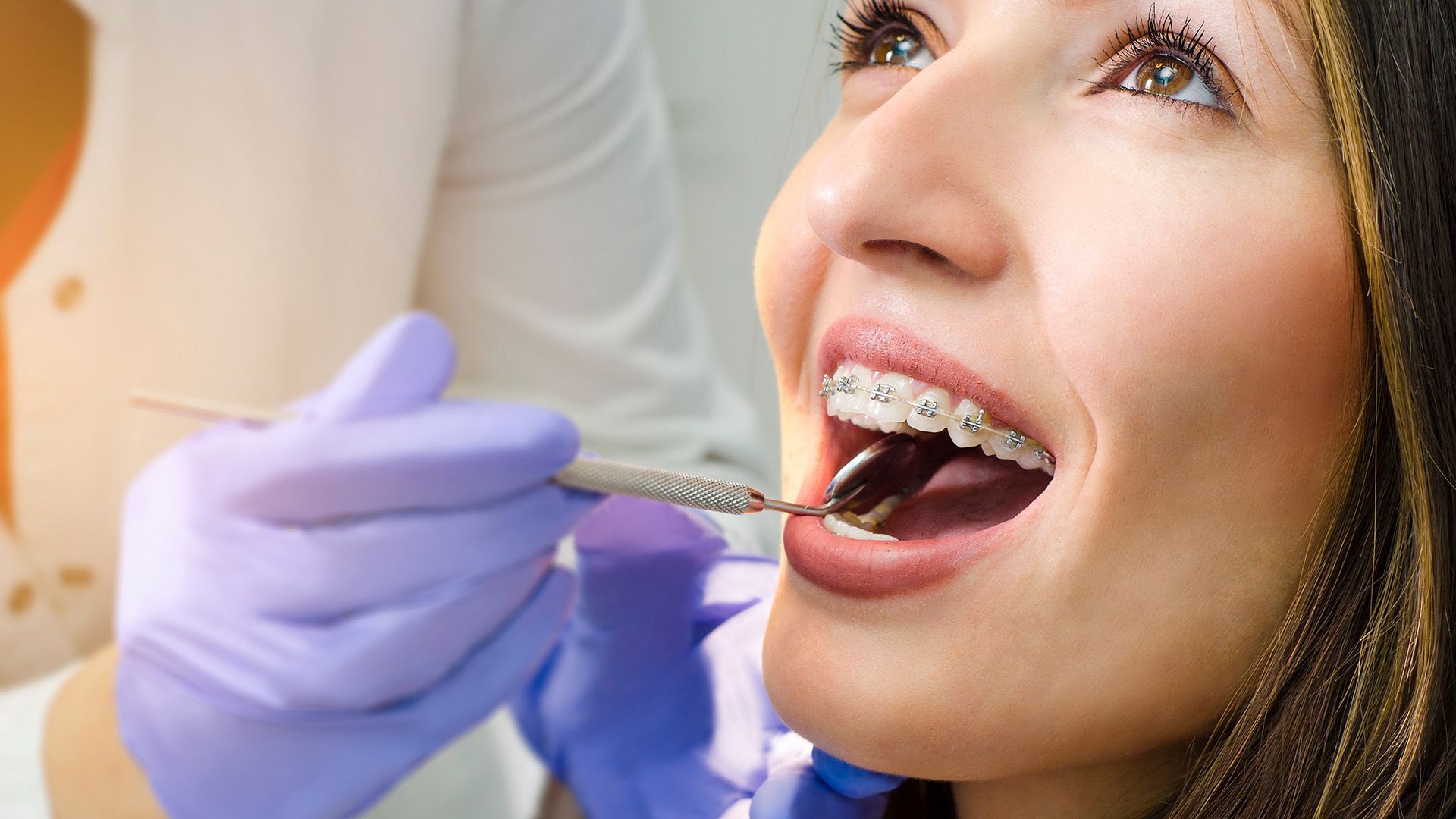
Braces are a fundamental part of orthodontic treatment, with brackets playing a vital role in aligning your teeth. Brackets are small, square devices attached to each tooth using a special dental adhesive. Their primary function is to hold the archwire in place, applying pressure to move your teeth into the desired positions.
Brackets work by creating a system of force that gradually shifts the teeth into alignment. When the archwire is threaded through the brackets, it exerts gentle pressure on the teeth, encouraging them to move over time. This process is carefully monitored by your orthodontist, who will make necessary adjustments to ensure optimal results.
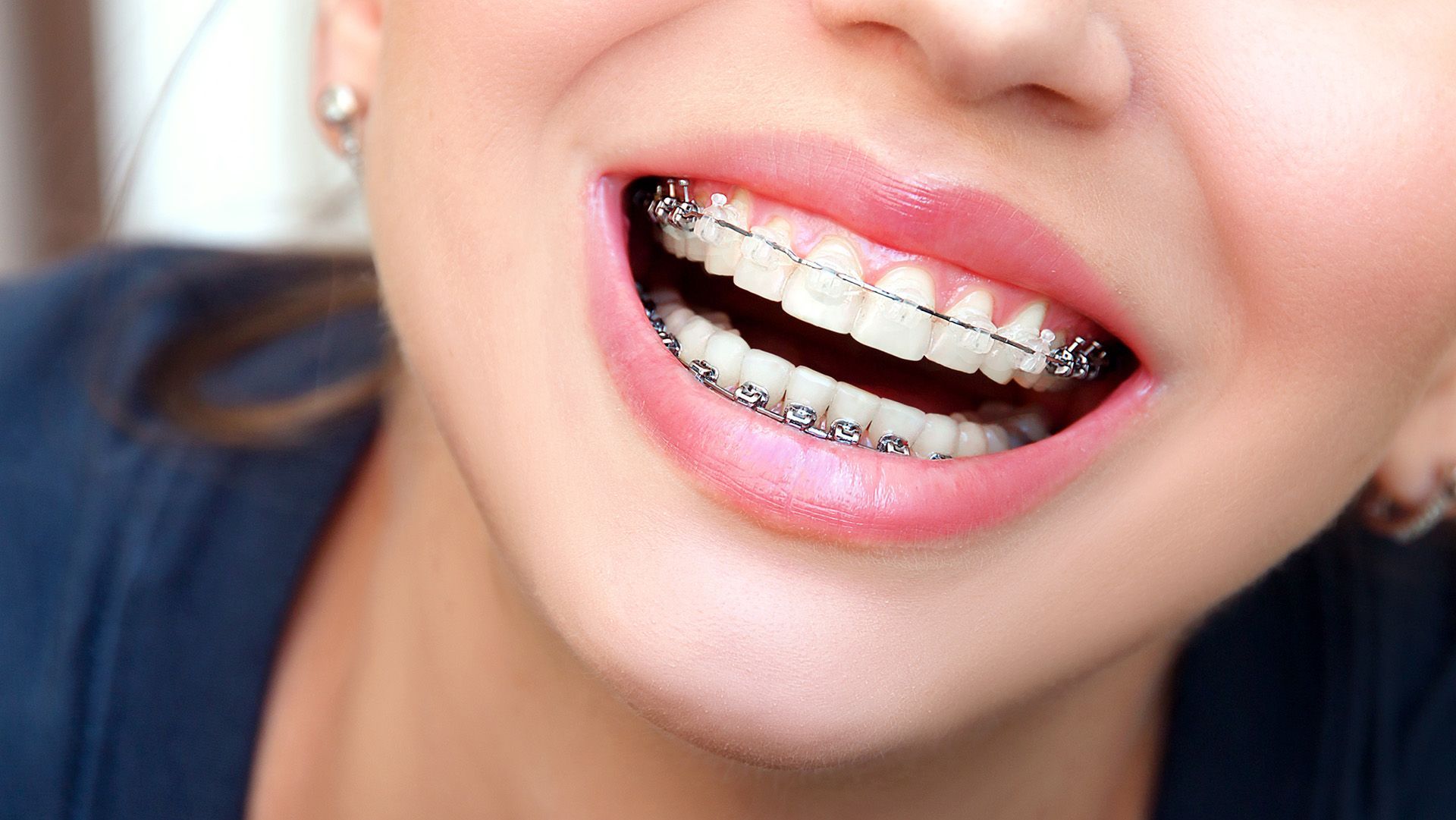
Different types of brackets are used in orthodontics, each designed to meet specific patient needs. Traditional metal brackets are the most common, known for their durability and effectiveness. Ceramic brackets are less noticeable and blend more seamlessly with the natural color of teeth, making them popular among adults. Additionally, self-ligating brackets can reduce the need for elastic bands, offering a more comfortable experience with potentially shorter treatment times. Regardless of the type, maintaining the integrity of your brackets throughout your treatment is crucial. A broken bracket can hinder your progress and require additional visits to your orthodontist for repairs.
Common Causes of Broken Brackets
Broken brackets are a common issue during orthodontic treatment. Understanding the causes can help you take preventive measures and maintain the integrity of your braces.
One primary cause of broken brackets on braces is consuming certain foods. Hard or sticky foods, such as nuts, popcorn, caramel, and some fruits, can put excessive pressure on brackets and wires, leading to breakage. It's essential to be mindful of your diet and opt for softer foods during your treatment.
Accidental impacts or injuries can also result in broken brackets. Whether it’s during sports activities, an unexpected fall, or a simple bump to the mouth, these incidents can damage your braces. Wearing a mouthguard during physical activities is highly recommended to protect your orthodontic appliances from such mishaps.
Improper care or maintenance of your braces can contribute to broken brackets on braces. Failing to follow your orthodontist's guidelines regarding oral hygiene can lead to plaque buildup and weakened brackets. Additionally, using incorrect methods for cleaning or handling your braces can inadvertently cause damage. Regular check-ups with your orthodontist at Baptiste Orthodontics will ensure your braces are in good condition and functioning as intended.
Signs That Indicate a Broken Bracket
Identifying a broken bracket is crucial for maintaining the effectiveness of your orthodontic treatment. Visual indicators suggest a bracket has become damaged, such as brackets that appear loose, out of alignment, or have fallen off entirely. If a bracket is not securely attached to the tooth, it’s a clear sign that something isn’t right.
Physical symptoms can also indicate a broken bracket. Patients often report discomfort or pain in the affected area, particularly if the bracket is causing irritation to the gums or cheek. If you experience heightened sensitivity or soreness around your braces, it may be time to schedule an appointment with your orthodontist.
Another common issue associated with broken brackets on braces is a loose wire. If you notice a wire poking out or not properly secured in the brackets, this could lead to further complications. Regularly inspect your braces and feel for any wires that seem out of place or are causing discomfort. If you suspect a loose wire or any other orthodontic issues, it's important to reach out to your orthodontist promptly to prevent any delays in your treatment.
Immediate Steps to Take When a Bracket Breaks
When a bracket breaks, it can be concerning, but there are immediate steps you can take to manage the situation effectively. First, assess the damage to your braces. Check if the broken bracket is completely detached or merely loose. If it’s still partially attached, avoid using that tooth to chew until you can visit your orthodontist. Understanding the extent of the damage helps determine your next steps.
Next, focus on comfort measures to ease any irritation caused by the broken bracket. If the bracket is poking or causing discomfort, use orthodontic wax to cover the bracket. Take a small amount of wax, roll it into a ball, and place it over the offending area. This will provide a barrier between the bracket and your mouth, reducing irritation.
In addition to using wax, some temporary fixes can be performed at home. If the broken bracket is loose but not completely detached, gently reposition it and secure it with a small piece of dental floss or orthodontic wax. However, be cautious—this is only a temporary solution, and it’s crucial to contact your orthodontist as soon as possible to schedule a repair. Ignoring broken brackets on braces can lead to further complications in your treatment.
When and How to Contact Your Orthodontist
Experiencing a broken bracket can be concerning, and it’s essential to know when to reach out to your orthodontist for assistance. Signs that require a prompt orthodontic visit include discomfort or pain in the affected area, significant changes in your bite, or if the broken bracket has shifted and is poking your gums or cheeks. These symptoms indicate that immediate attention is necessary to prevent further complications in your treatment.
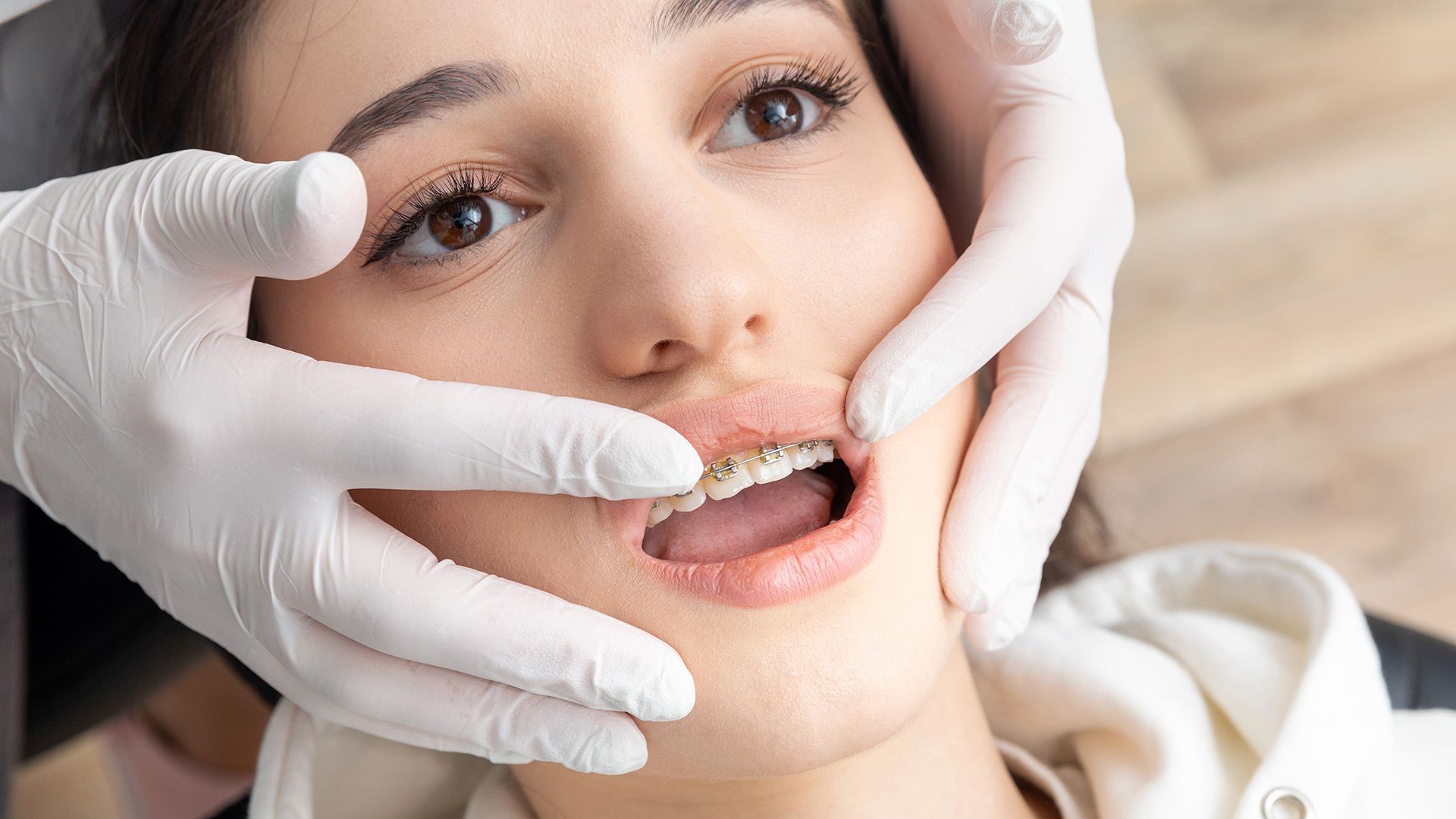
When you schedule an appointment for repairs, expect a thorough examination of the affected area. Your orthodontist will assess the damage and determine the best course of action, which may involve replacing the broken bracket or making adjustments to your braces. The appointment typically involves minimal discomfort, as orthodontists are skilled in handling such situations efficiently. They will also provide guidance on how to manage your braces until you can come in for repairs.
Timely communication with
your orthodontist is crucial. Delaying contact can lead to longer treatment times or complications that might have been easily avoided. Always keep your orthodontist’s contact information handy, and don’t hesitate to reach out if you notice any issues. They are there to help you navigate your orthodontic journey and ensure you achieve the best possible results.