What Are Braces Made Of?
Braces are an essential tool in orthodontics, designed to straighten teeth and improve smiles. But have you ever wondered, what are braces made of? Understanding the materials used in braces not only demystifies the orthodontic process but also highlights the innovations that make them effective and comfortable. From traditional metal braces to more discreet options like ceramic braces, each type is crafted from specific materials that serve unique functions. In this article, we'll explore the various components that make up braces, ensuring you have a comprehensive understanding of this essential dental treatment.

Understanding the Materials Used in Braces
Braces are vital in orthodontics, correcting misaligned teeth and enhancing overall oral health. Knowing what braces are made of helps patients appreciate their effectiveness and durability. The most common materials in orthodontics include metal, ceramic, and plastic.
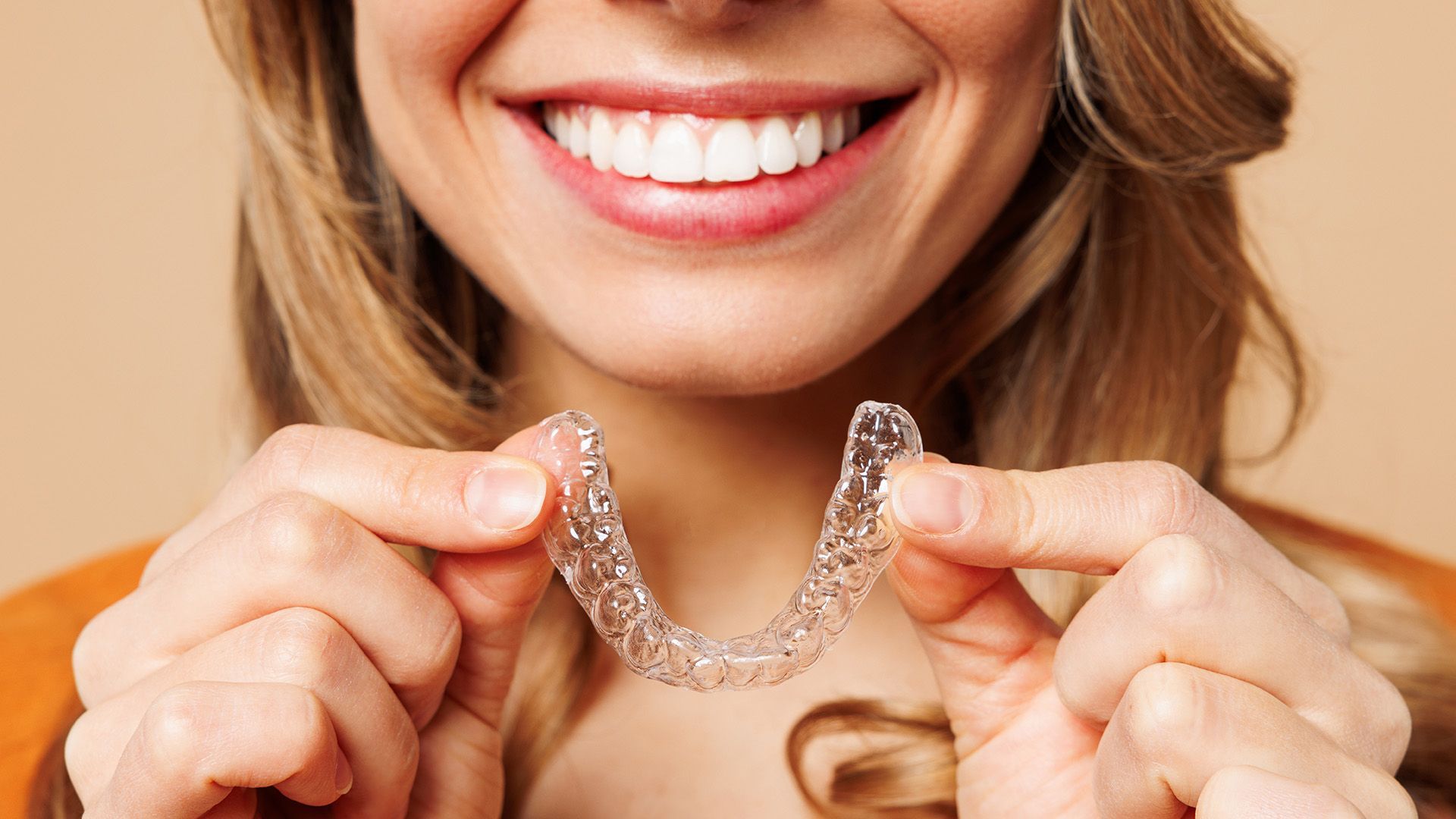
Metal braces, usually made from stainless steel or titanium, are the most traditional type. They are known for their strength and effectiveness in treating a wide range of dental issues. Ceramic braces, however, are made from clear or tooth-colored materials, making them a popular choice for those seeking a more aesthetic option. While they blend in better with teeth, they can be slightly less durable than their metal counterparts. Plastic braces, typically used for clear aligners, offer a removable option that is not only less visible but also comfortable for many patients. However, they may not be suitable for all orthodontic cases.
When comparing these materials, durability and effectiveness play a crucial role. Metal braces excel in durability and can withstand significant forces, making them ideal for complex cases. Ceramic braces, while effective, may require more careful handling due to their potential for chipping. Plastic braces are effective for mild to moderate alignment issues but may not provide the same level of force as metal braces. Ultimately, the choice of material depends on the specific orthodontic needs of each patient, and consulting with a qualified orthodontist can help determine the best option.
What Are Metal Braces Made Of?
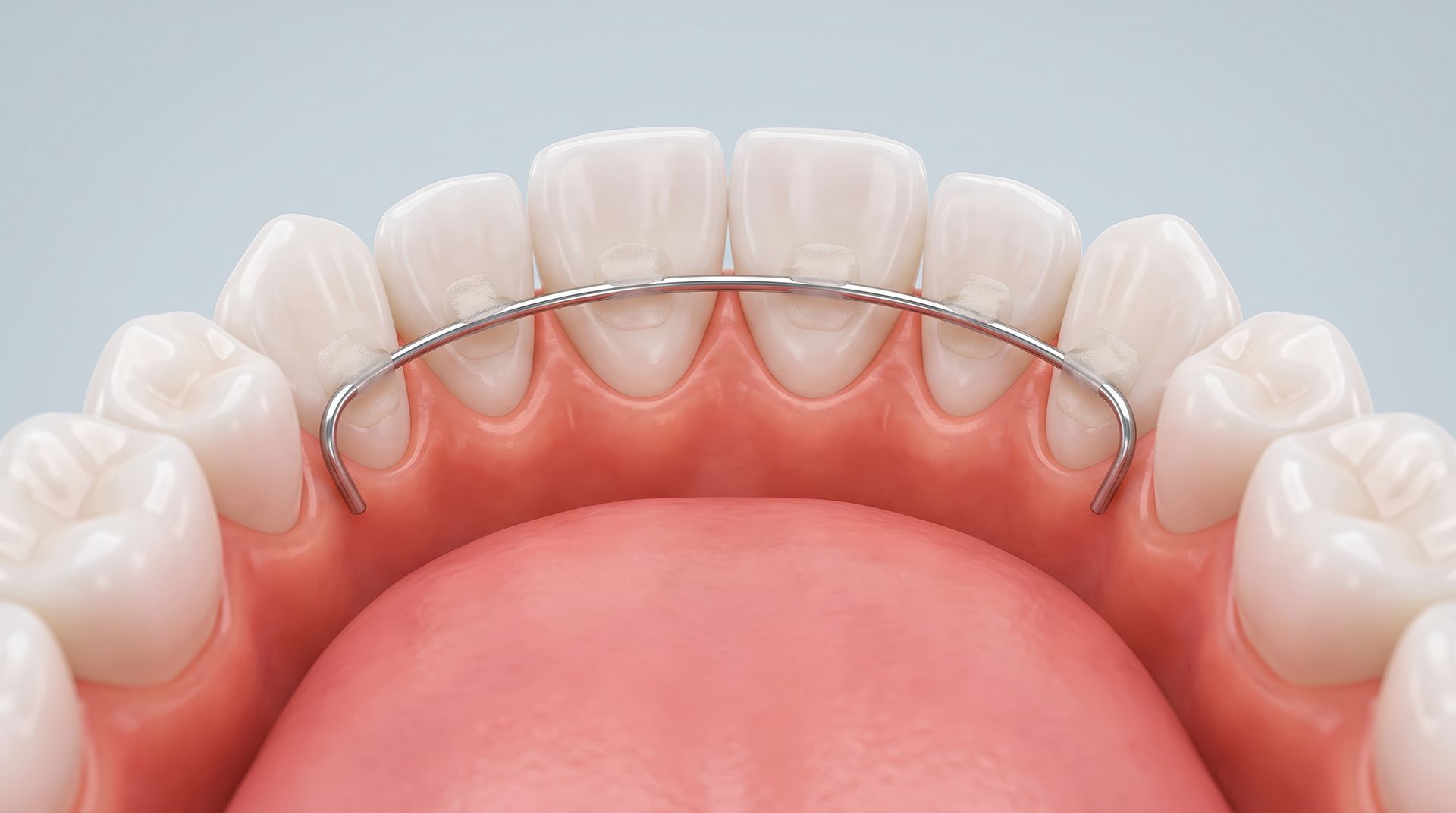
So what metal are braces made of? Metal braces are a common orthodontic solution designed to straighten teeth and improve overall dental health. The composition of metal braces primarily includes high-quality stainless steel and other metals that enhance their durability and effectiveness. The main components of metal braces are brackets, archwires, and ligatures, all of which work together to apply gentle pressure to the teeth.
In orthodontics, various types of metals are utilized to create braces. The most prevalent material is stainless steel, favored for its strength, resistance to corrosion, and biocompatibility. Some braces may also incorporate nickel-titanium alloys, known for their flexibility and shape memory, which make them particularly effective during the initial stages of treatment. Additionally, certain brackets may use a small percentage of titanium to increase their durability and reduce the risk of allergies in sensitive patients.
The benefits of using metal braces material are numerous. Firstly, their robust construction allows them to withstand the rigors of daily wear and tear, ensuring a reliable treatment experience. Metal braces are also highly effective in addressing a wide range of orthodontic issues, from mild misalignments to more complex dental problems. Furthermore, the visibility of metal braces has diminished with advancements in design, allowing for a more discreet appearance while still providing the strength necessary for effective tooth movement. Overall, metal braces remain a trusted option in orthodontics, combining effective treatment with durable materials.
Ceramic Braces: A Closer Look
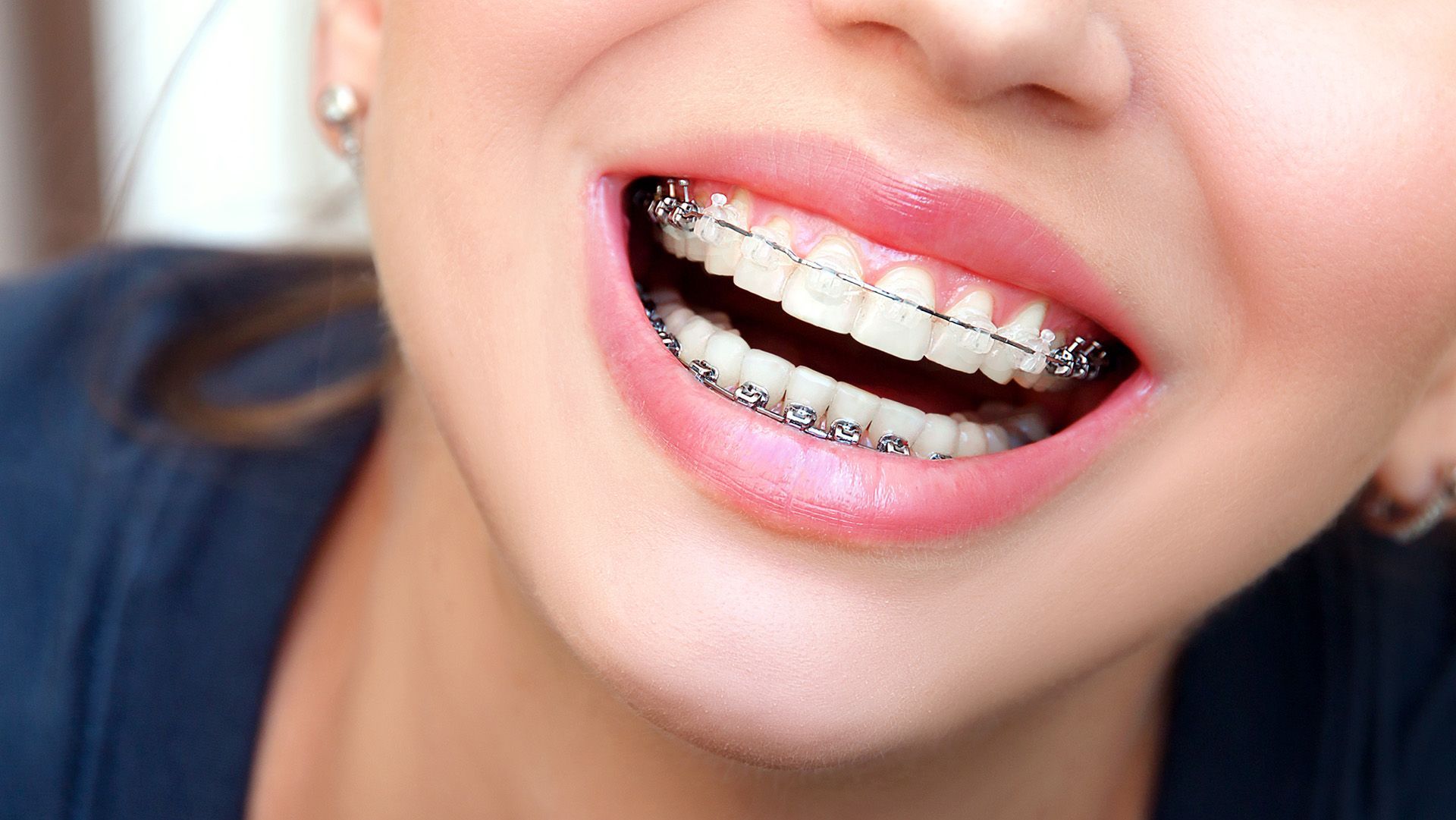
What are ceramic braces made of? Ceramic braces are an increasingly popular choice for patients seeking a more discreet orthodontic treatment option. These braces are primarily made from a durable ceramic material, designed to blend seamlessly with the natural color of your teeth. The brackets are typically made of high-quality ceramic that is both strong and aesthetically pleasing, allowing for effective tooth movement without compromising on appearance.
One of the standout benefits of ceramic braces is their aesthetic appeal. The clear or tooth-colored brackets make them less noticeable than traditional metal braces, allowing patients to feel more confident during their treatment. This is especially advantageous for adults and teens who may be self-conscious about wearing braces. Moreover, ceramic braces can be paired with tooth-colored wires, further enhancing their discreet look.
When comparing ceramic braces to metal braces, there are a few key differences to consider. While metal braces are known for their durability and effectiveness, they can be quite visible, which may deter some patients. On the other hand, ceramic braces offer a more subtle option but may require more care, as the ceramic material can be more prone to chipping or staining. Ultimately, the choice between these two options depends on individual preferences and orthodontic needs, and consulting with an orthodontist can help determine the best fit for your smile.