How Long Do You Have to Wear Braces? Timelines, Factors, and Tips
How long do you have to wear braces? Most people finish between 18 and 24 months, though some cases can be as short as 6 months or as long as 3 years. Your timeline depends on your bite, the type and amount of tooth movement required, and how closely you follow your orthodontist’s guidance. Below, you’ll find how braces move teeth, typical treatment ranges, what affects your schedule, practical ways to stay on track, and what to expect once the braces come off. If you are wondering how long you have to wear braces in your specific situation, a personalized evaluation is the best way to get a precise estimate.

How Do Braces Work?
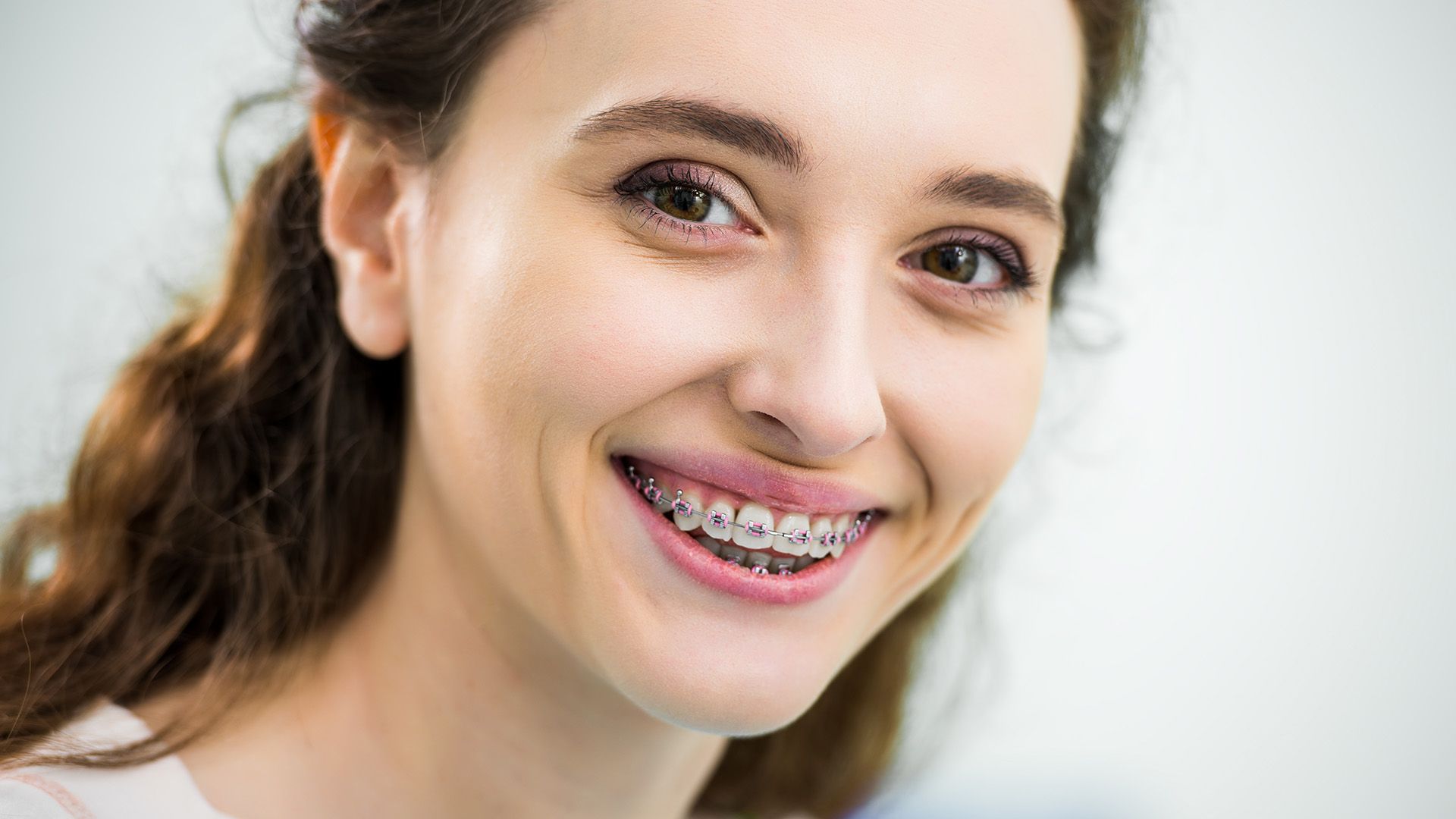
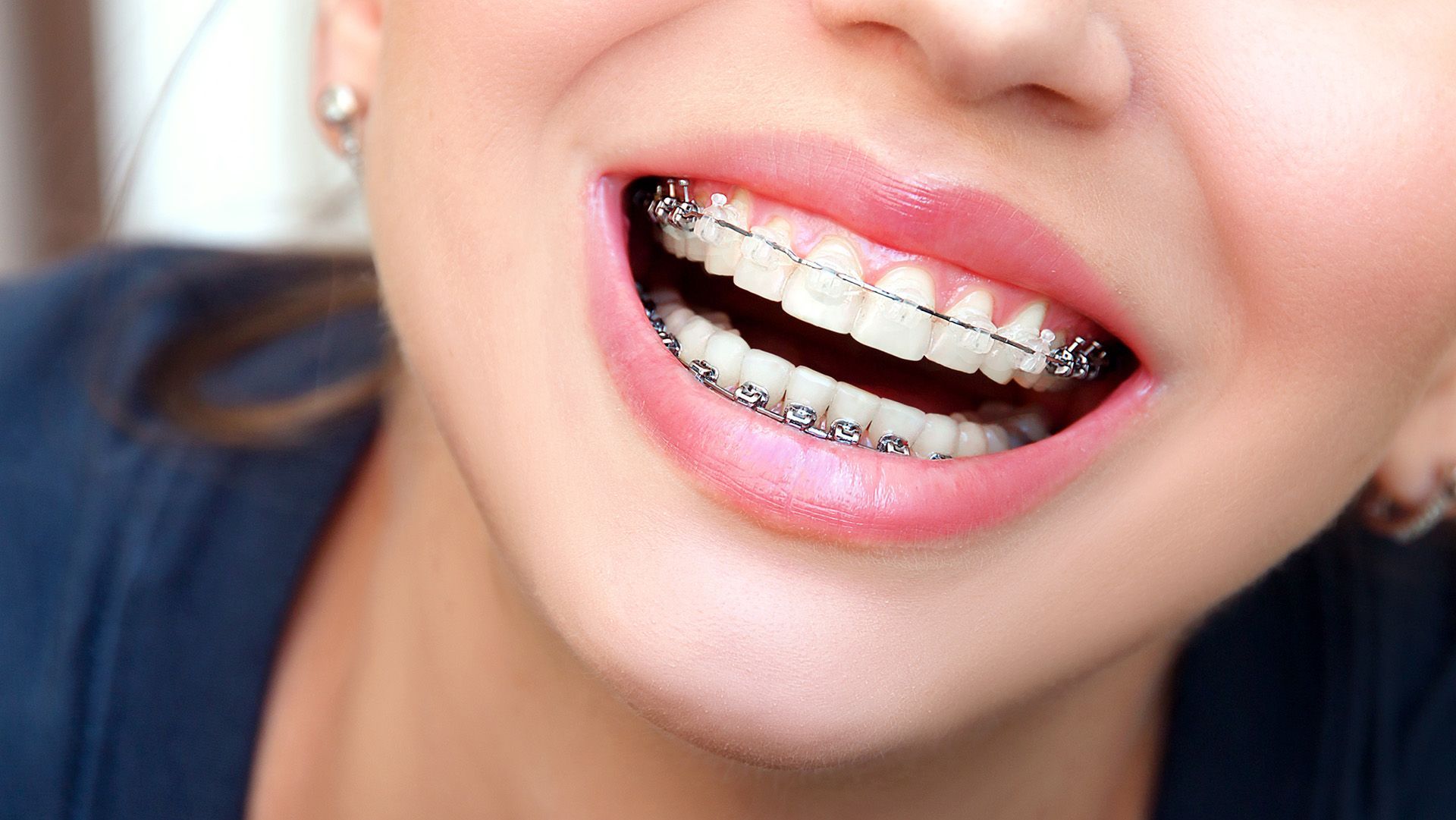
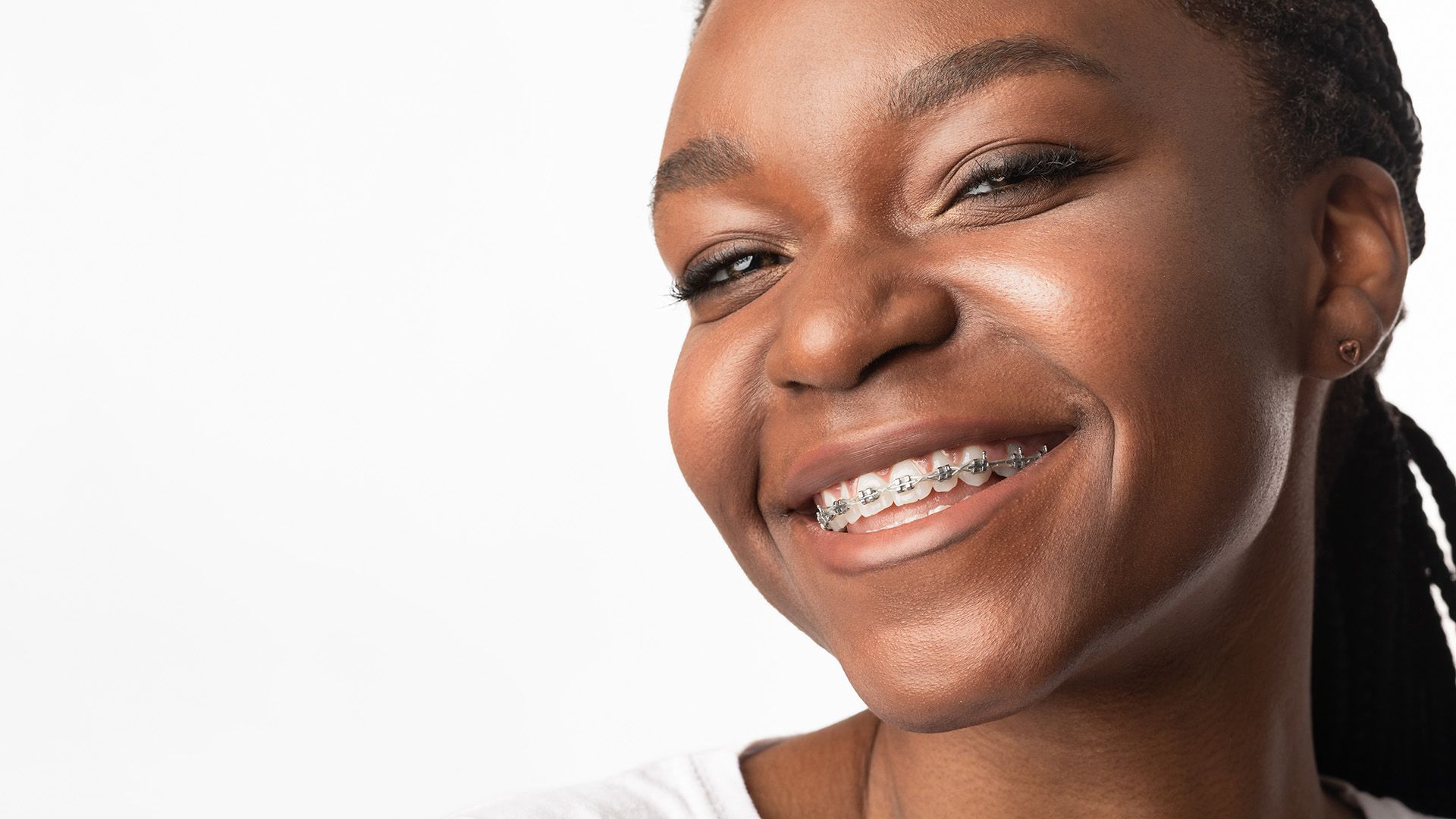
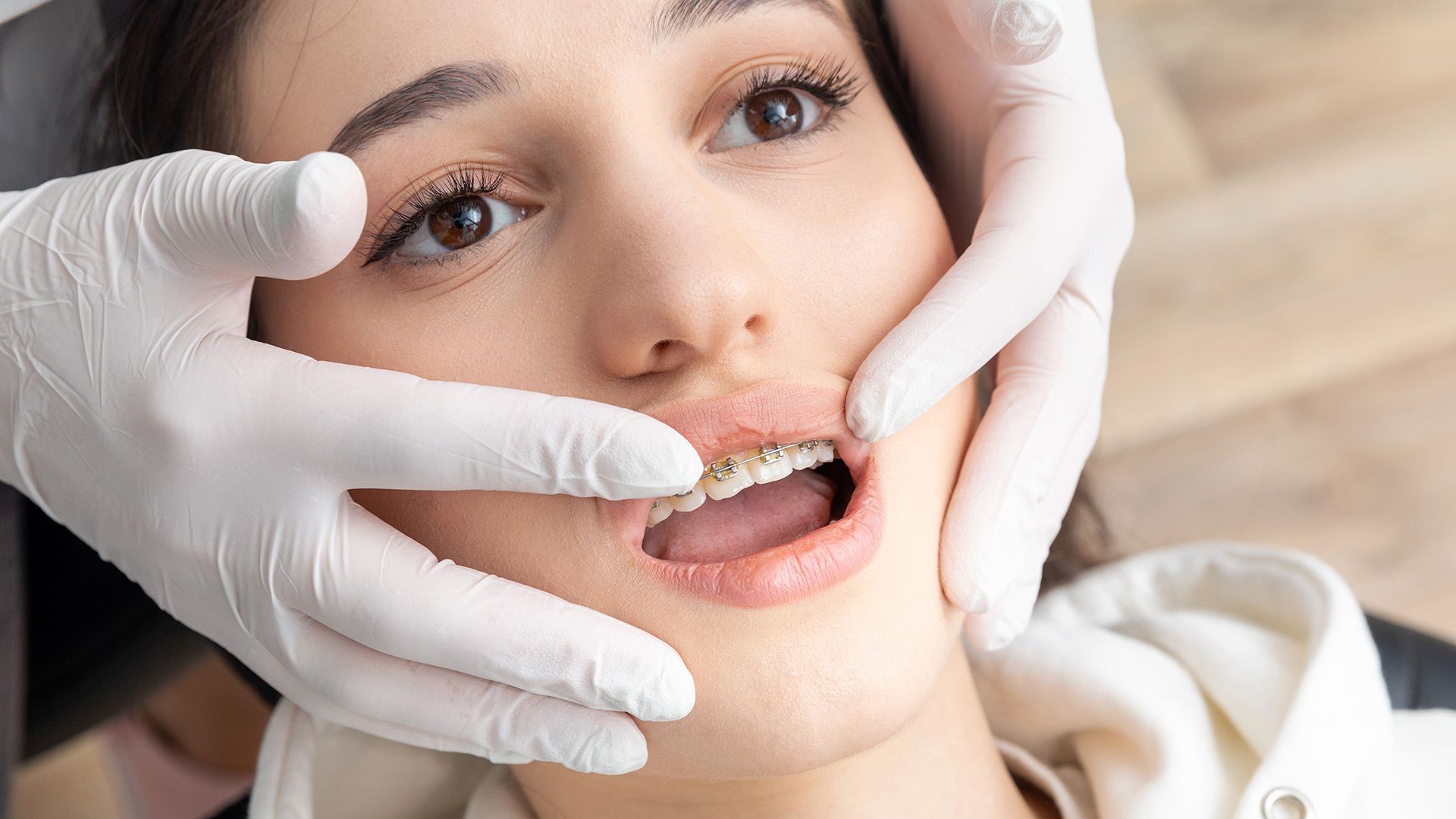
Braces move teeth with gentle, continuous forces. Small brackets are bonded to the teeth and connected by an archwire that is shaped to match the desired alignment. As the wire seeks to return to its original shape, it guides teeth into better positions. Your orthodontist makes periodic adjustments to fine-tune direction and strength, ensuring movement remains safe and effective.
On a biological level, tooth movement relies on bone remodeling. Consistent pressure on a tooth triggers bone resorption on one side and new bone formation on the opposite side. This pressure-and-release cycle allows controlled movement without harming the tooth roots or surrounding tissues.
Special components can improve control or efficiency. Elastics connect the upper and lower arches to correct the bite. Springs can open or close spaces. Temporary appliances, including palate expanders or temporary anchorage devices (TADs), add stability for challenging movements or jaw corrections that braces alone may not accomplish. These tools can speed specific steps or make complex corrections more predictable.
Typical Treatment Timelines: What to Expect
Braces timelines vary by complexity. Here are common ranges:
- Mild crowding or small gaps: about 6 to 12 months
- Moderate rotations or bite discrepancies: about 12 to 24 months
- Complex issues such as impacted teeth, major spacing, open bites, or significant bite corrections: 24 to 36 months or longer
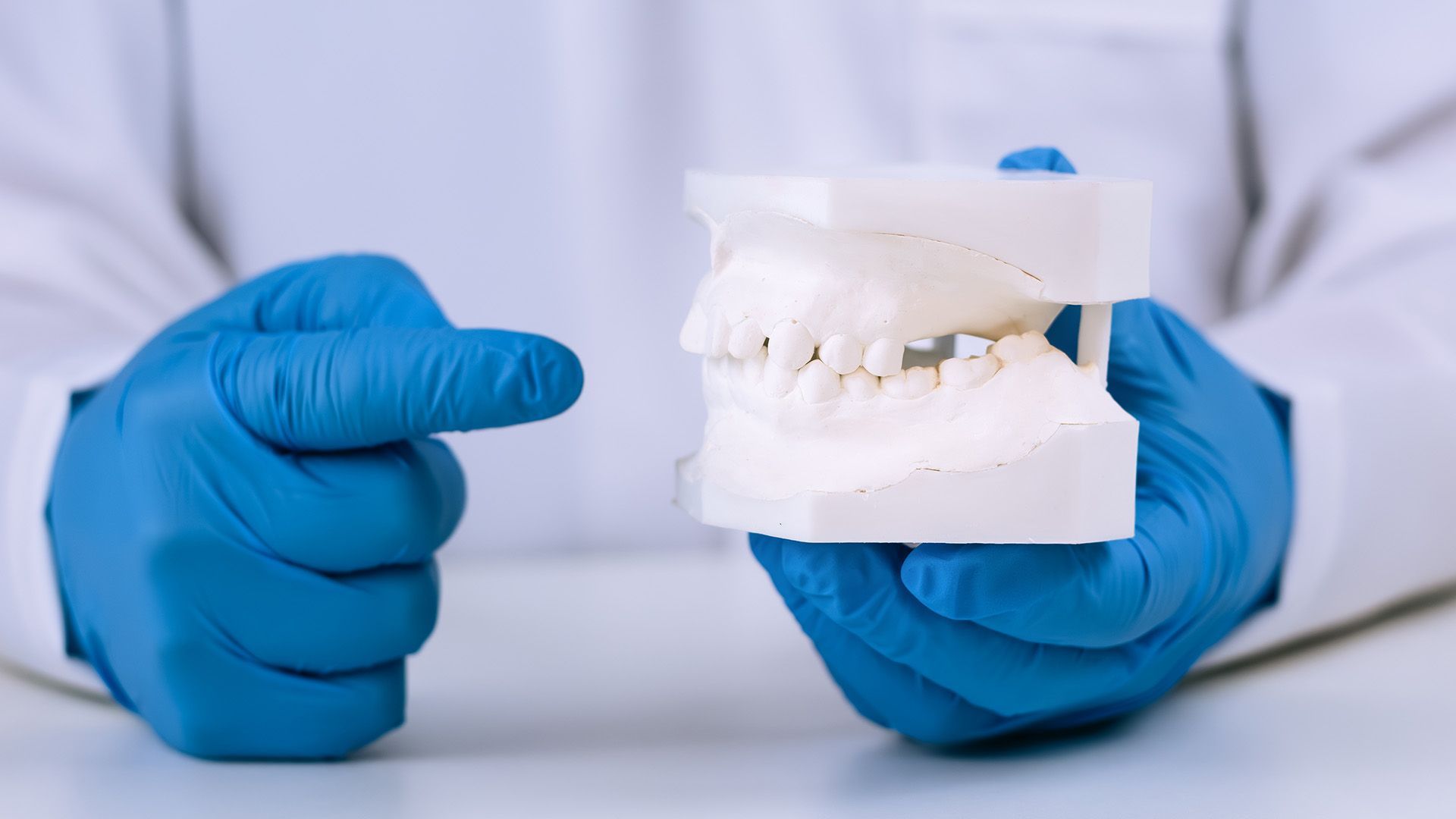
Your orthodontist will provide a personalized estimate after a full evaluation that includes X-rays, photos, and a 3D scan.
Treatment progresses through stages:
- Alignment and leveling: straightening teeth and smoothing the arch form
- Space closure and bite correction: addressing rotations, closing gaps, and coordinating how the teeth fit together
- Finishing and detailing: refining the bite, root positions, and smile line for optimal function and appearance
- Retention: maintaining the new positions once the braces are removed
Getting braces put on typically takes 60 to 90 minutes. Most patients return for adjustments every 4 to 10 weeks, depending on the phase and type of movement needed. These visits keep progress on schedule, allow wire changes, and enable small refinements that add up to big improvements. When people ask how long do you have to wear braces, these phases and visit intervals are a major part of the answer.
Key Factors That Influence How Long You’ll Wear Braces
Case complexity is the primary driver. Factors include:
- Amount of crowding or spacing
- Number of teeth that require rotation
- Presence of impacted teeth
- Degree of overbite, underbite, crossbite, or open bite
- Need for closing extraction spaces
Some corrections, like significant bite changes or space closure after extractions, naturally take longer and may require adjunct appliances.
Patient-specific factors also matter. Younger patients often respond faster due to more active bone remodeling, yet adults can achieve excellent outcomes with careful planning. Bone density, gum health, and overall oral hygiene influence how efficiently teeth move. Consistent wear of elastics, combined appliances, or any prescribed devices is essential for staying on schedule.
Treatment choices can either streamline or slow progress. Using elastics as directed, adding springs or power chains at the right time, and incorporating TADs for difficult movements can enhance efficiency. Missed appointments, broken brackets, poor hygiene, or avoiding recommended appliances commonly add weeks or months. Your orthodontist designs a plan to balance speed, comfort, and long-term stability. Ultimately, the better these elements are managed, the shorter the answer becomes to the question, how long do you have to wear braces.
How to Help Shorten Your Braces Time (Practical Tips)
- Follow instructions precisely: Wear elastics and prescribed appliances exactly as directed and keep every appointment. Even a few missed hours of elastic wear per day can delay bite correction.
- Protect your progress with great hygiene: Brush after meals, floss daily with a threader or water flosser, and use a fluoride toothpaste. Healthy gums and clean brackets help teeth move predictably.
- Watch what you eat: Avoid sticky, chewy, or hard foods that can break brackets or bend wires, such as caramel, hard candies, ice, and popcorn kernels. Breakages disrupt planned forces and may add weeks to treatment.
- Report problems early: If a bracket breaks, a wire loosens, or a wire end pokes, call promptly. Quick fixes prevent backtracking. If elastic wear is challenging, ask for tips or alternative configurations that fit your routine.
After Braces: Retention and Maintaining Your Results
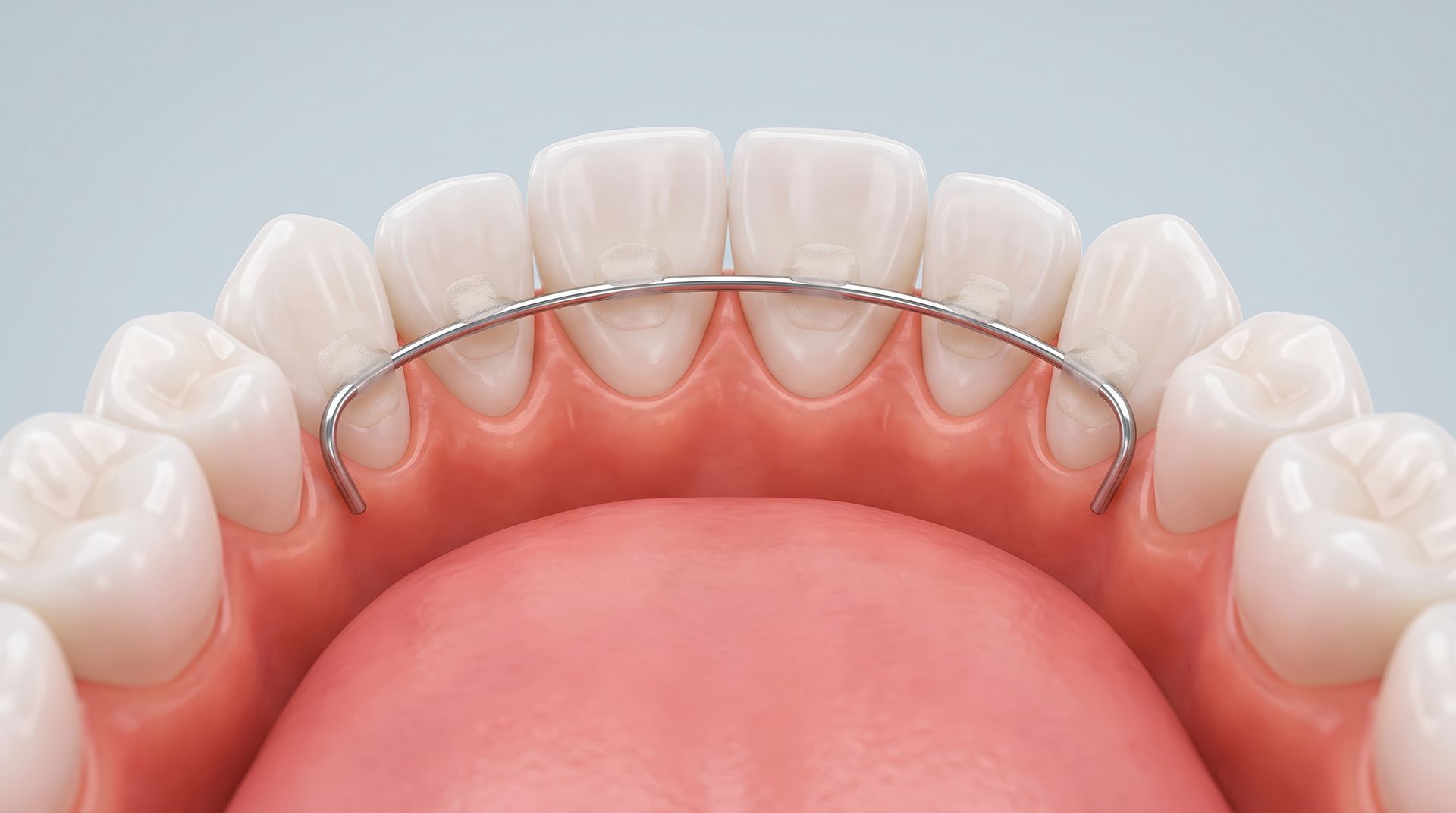
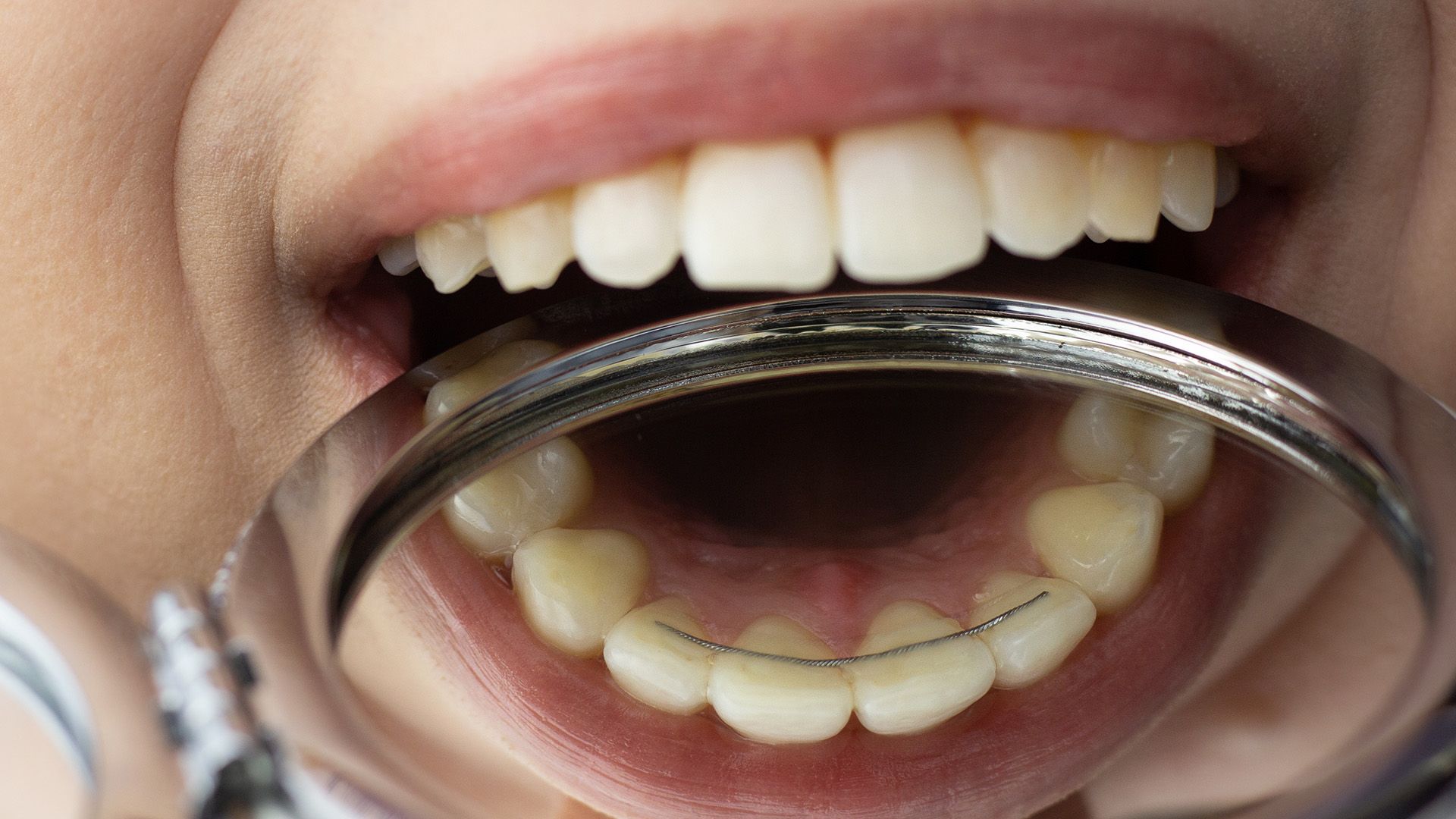
Retainers hold teeth in their new positions while bone and gums stabilize after active treatment. Right after braces come off, most patients wear retainers full-time for several months, then transition to nighttime wear long-term. Your orthodontist will tailor the schedule to your needs and the type of retainer provided, whether removable or fixed.
Signs you’re nearing removal include stable archwires, minor detailing at adjustment visits, and consistent, even contact when you bite down. The removal appointment is usually quick and comfortable. Brackets are gently released, any adhesive is polished away, and retainers are delivered or impressions/scans are taken the same day.
For long-term stability, plan on nighttime retainer wear indefinitely. Teeth can shift over time due to chewing forces and natural changes in the supporting tissues. Keep up with routine dental checkups and periodic orthodontic reviews to ensure your bite stays healthy. With good retention habits, your new smile can remain straight and stable for years. If you’re still considering how long you have to wear braces, remember that consistent retainer use after treatment protects the time you invested and helps maintain your results.