How Much Do Braces Cost Without Insurance: A Clear, Practical Guide
How much do braces cost without insurance? The short answer is that it depends on the type of treatment, how complex your case is, and where you live. The good news is that national ranges are fairly predictable, and there are proven ways to budget and pay over time. This guide outlines typical prices, what those fees include, how age and appliance choice influence cost, and practical strategies to keep out-of-pocket expenses manageable. By the end, you will understand what drives the numbers and how to get an accurate estimate for your smile.

Average Costs and What to Expect
Without insurance, braces fees vary across the United States. Larger metropolitan areas and coastal regions often trend higher, while many smaller cities and suburban communities tend to fall in the middle to lower end of the ranges. Use the following averages to set expectations; your final fee will be tailored to your needs after an in-person evaluation. If you are wondering how much do braces cost without insurance in your area specifically, these benchmarks provide a helpful starting point before you schedule a consultation.
Typical national price ranges (no insurance):
- Traditional metal braces: $3,000–$7,500 for full comprehensive treatment
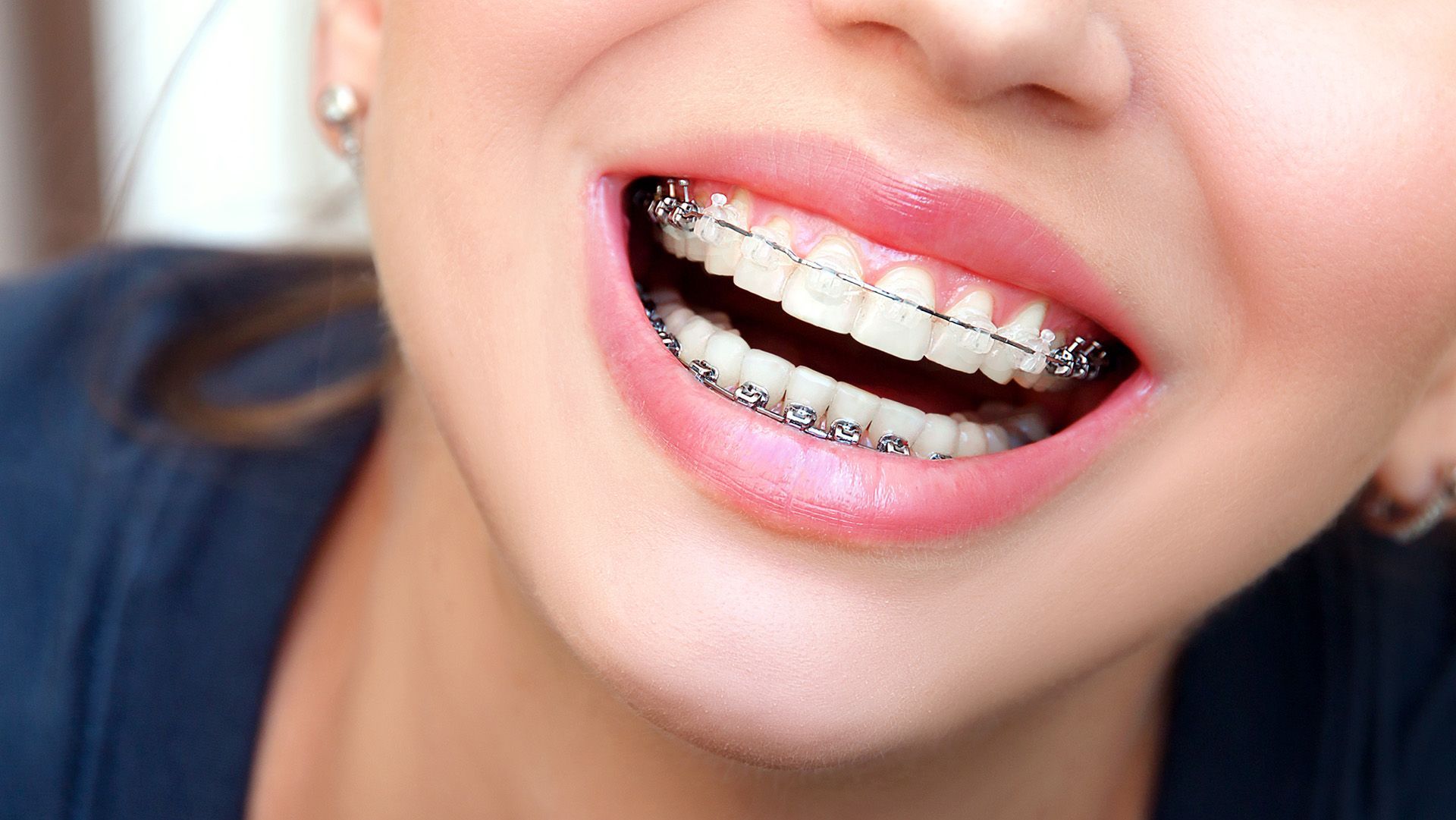
- Ceramic (tooth-colored) braces: $4,000–$8,500 due to higher material and lab costs
- Clear aligners (doctor-directed systems): $3,500–$8,000 depending on the number of aligners and refinements
Regional patterns:
- Large metro coastal areas commonly land in the upper half of these ranges.
- Smaller cities and many suburban areas often fall in the mid to lower half, especially for straightforward cases.
Typical cost breakdown:
- Initial exam and consultation: Sometimes complimentary; when charged, typically $50–$250
- Diagnostic records (photos, 3D scans or impressions, panoramic and cephalometric X-rays): $150–$500
- Appliance fee (brackets or aligners): The largest portion of the cost; varies by system and complexity
- Adjustment visits or aligner check-ins: Usually bundled into the global treatment fee
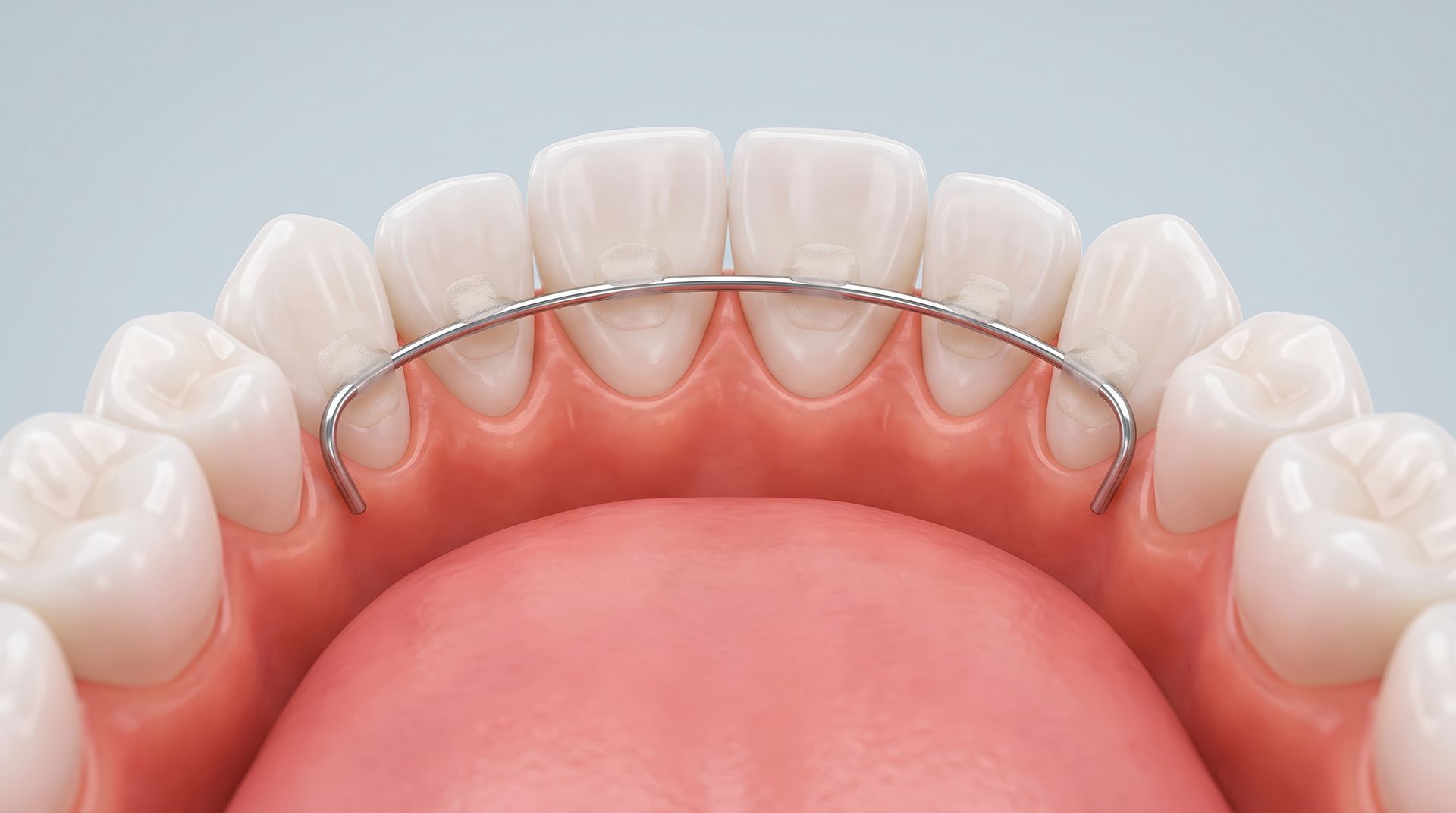
- Retainers after treatment: Often included; if separate, usually $200–$600 per set
- Retention visits: Frequently included for 6–24 months, depending on the office
How complexity and duration affect price:
- Mild crowding or spacing: Lower end of ranges; shorter treatment (about 6–12 months)
- Moderate alignment and bite corrections: Mid-range; typical 12–24 months
- Complex bite changes (such as open bite, crossbite, deep bite), impacted teeth, or jaw discrepancies: Upper range; longer timelines and possible additional procedures increase total cost
Factors That Influence Braces Cost
Every smile is different, and so is every treatment plan. Orthodontists consider multiple variables when preparing a fee estimate. Understanding these factors helps you see why quotes may differ from office to office, and why the answer to how much do braces cost without insurance can vary even for similar-looking smiles.
Severity of the orthodontic issue and added procedures:
- Extra diagnostics or specialist referrals: Advanced imaging, periodontal evaluations, or oral surgery consults can add fees.
- Tooth extractions or exposure of impacted teeth: These services may be performed by a general dentist or oral surgeon and billed separately.
- Palatal expanders or other auxiliary appliances: Useful for arch development or bite correction; add laboratory and chair time costs.
- Surgical orthodontics: Orthognathic surgery, when indicated, is separate from braces fees and significantly influences overall cost and timeline.
Type of braces and lab/material fees:
- Metal braces: Typically the most cost-effective and durable option.
- Ceramic braces: More discreet appearance with higher material and lab costs.
- Clear aligners: Pricing reflects lab fees, the number of aligners, refinements, attachments, and monitoring visits.
Provider experience, location, and overhead:
- Orthodontist expertise and case complexity: More complex plans require additional planning and chair time, which impact fees.
- Practice location and overhead: Rent, staffing, and technology investment vary by region and influence pricing.
- Appointment structure and technology: Digital scanners, 3D printing, and remote monitoring can streamline care and may affect cost structures.
Cost Differences for Kids, Teens, and Adults
Age influences treatment approach, timeline, and occasionally cost. Growth patterns, dental development, and oral health needs differ among children, teens, and adults.
Children:
- Timing: Early interceptive treatments (Phase I) can guide growth, reduce complexity later, and sometimes lower total lifetime cost.
- Typical scope: Expanders, limited braces, or habit appliances with shorter timelines.
- Cost range: Interceptive or partial treatments are commonly $1,000–$3,500; comprehensive treatment when permanent teeth erupt often falls in the standard metal/ceramic ranges.
Teens:
- Growth advantage: Teens benefit from remaining growth for bite correction, which can reduce the need for surgery and keep costs in the mid-range.
- Treatment types: Metal and ceramic braces are common; aligners are popular when compliance is good.
- Cost range: Most comprehensive teen cases fall around $3,500–$7,500 depending on appliance and complexity.
Adults:
- Additional considerations: Restorative dentistry (crowns, implants), gum health, and slower tooth movement can extend timelines.
- Multidisciplinary care: Coordination with a general dentist or periodontist may add to total cost.
- Cost range: $4,000–$8,500+ for comprehensive care; complex cases and aligner refinements can increase fees.
Typical case examples:
- Mild crowding in a teen with metal braces for about 12 months: $3,500–$5,000
- Adult with ceramic braces for 18–24 months to correct crowding and bite: $5,500–$8,500
- Child Phase I with an expander and limited braces for 9–12 months: $1,800–$3,000, followed by a future comprehensive phase at standard rates
How to Get an Accurate Cost Estimate
An in-person evaluation is the only way to receive a precise quote tailored to your goals and oral health. A thorough consultation clarifies your treatment choices, expected timeline, and what is included in the fee.
What happens at the initial consultation:
- Clinical exam: Review of your bite, tooth alignment, jaw function, and oral health.
- Diagnostic records: Photos, digital scans or impressions, and X-rays (panoramic and cephalometric) provide the detail needed for planning and pricing.
- Treatment options: Your orthodontist explains appliance choices, anticipated duration, and projected outcomes.
- Cost presentation: You receive a written estimate that outlines fees, what is included, and available payment options.
Key questions to ask:
- What is included in the global fee (records, appliances, emergency visits, refinements, retainers, and retention checks)?
- How long is treatment expected to take, and what could extend it?
- Are extractions, expanders, or surgery referrals anticipated, and who bills for those services?
- How many refinements are included for aligners?
- What is the policy for lost or broken appliances or retainers?
- What happens if treatment takes longer than planned, are there extended treatment fees?
- How are refunds or transfers handled if I move?
How to compare written estimates:
- Confirm you are comparing similar treatment goals and scopes, not just appliance types.
- Look for bundled versus itemized pricing and how many retainers and follow-up visits are included.
- Consider office accessibility, appointment availability, technology, and provider experience, value is more than the lowest number.
Affordable Payment Options Without Insurance
Even without insurance, most patients can make orthodontic care affordable by spreading payments and using tax-advantaged accounts. Many offices work with families to create plans that match their budget. If you have been researching how much do braces cost without insurance and are concerned about monthly cash flow, these options can help you start sooner.
In-office payment plans and third-party financing:
- Monthly payments: Many practices offer 12–24 month plans with low or no interest.
- Down payment: Commonly 10%–30% of the total fee; lower down payments may be available with financing.
- Third-party financing: Healthcare-focused lenders can extend payment terms; review interest rates and fees carefully.
- Autopay discounts: Some offices offer small savings for enrolling in automatic payments.
HSA and FSA funds:
- Eligibility: Orthodontic treatment is generally eligible for Health Savings Accounts and Flexible Spending Accounts.
- Strategy: Plan contributions before treatment begins; using pre-tax dollars reduces your effective cost.
- Documentation: Keep a detailed receipt or treatment contract for your HSA/FSA administrator.
Discounts and community options:
- Pay-in-full savings: Many offices provide a discount when the full fee is paid at the start of treatment.
- Family or multi-case discounts: Savings may apply when multiple family members start treatment.
- Seasonal promotions: Limited-time offers can reduce records or appliance fees.
- Community programs and scholarships: Dental schools, local foundations, or charitable initiatives sometimes help offset orthodontic costs for qualifying families.
Tips for Managing and Reducing Out-of-Pocket Costs
Planning ahead and following your orthodontist’s instructions can lower your total cost by preventing delays and minimizing complications. Small daily habits often make the biggest difference in keeping treatment on time and on budget.
Reduce complexity and prevent setbacks:
- Excellent oral hygiene: Brush thoroughly twice daily, floss or use interdental cleaners, and consider a fluoride rinse to reduce the risk of cavities and decalcification that can delay treatment.
- Appliance care: Avoid sticky or hard foods with braces; wear aligners as instructed for 20–22 hours per day to prevent prolonging treatment.
- Keep appointments: Missed or delayed visits can extend timelines and may lead to fees for extended treatment.
Stage treatment and prioritize:
- Phase-based planning: For children, early interceptive care can simplify and sometimes shorten comprehensive treatment later.
- Coordinate dental work: Address periodontal issues or restorative needs before or during orthodontics to keep your plan on track and avoid repeated procedures.
- Set clear goals: Focus on the changes that matter most to you; in some cases, a limited treatment plan can achieve your priorities at a lower cost.
Get a second opinion and evaluate value:
- When to seek another view: If surgery is recommended, the plan seems unusually long or expensive, or you want to compare appliance options.
- How to weigh value: Consider experience, technology, emergency coverage, included retainers, and retention monitoring, not just the sticker price.
- Written clarity: Choose providers who offer transparent, itemized details and stand behind their estimates.
If you are comparing braces costs without insurance, remember that the best plan balances budget, timeline, and outcomes. A comprehensive consultation with a board-certified orthodontist will provide an accurate estimate and a clear path to the smile you want.
Sample Cost Scenarios
| Scenario | Treatment Details | Estimated Fee (No Insurance) | Timeline | Notes |
|---|---|---|---|---|
| Mild spacing in a teen | Metal braces, no extractions | $3,500–$5,000 | 9–12 months | Fewer appointments and shorter duration keep costs lower |
| Moderate crowding in an adult | Ceramic braces, possible enamel contouring | $5,500–$8,000 | 18–24 months | Higher material costs and longer treatment increase fees |
| Comprehensive teen case with bite correction | Clear aligners with attachments and refinements | $4,500–$7,500 | 12–24 months | Number of aligners and refinements influence cost |
| Early interceptive phase for a child | Palatal expander and limited braces | $1,800–$3,000 | 9–12 months | May reduce complexity of future comprehensive treatment |
| Complex adult case | Comprehensive braces plus oral surgery referral | $7,000–$8,500+ (excluding surgical fees) | 18–30 months | Surgical costs are billed separately and add to total investment |
What’s Typically Included (and What Might Not Be)
Understanding what your fee covers helps you compare proposals accurately. Many practices use a global fee that bundles most services from start to finish, while others itemize certain components.
Commonly included in a global fee:
- Initial consultation (sometimes complimentary)
- Diagnostic records at the start of treatment
- Placement of braces or initial aligner series
- Routine adjustment visits or aligner check-ins
- Emergency visits for issues like loose brackets or poking wires
- Debonding or treatment completion visit
- Initial set of retainers and a defined schedule of retention checks
Items that may be separate charges:
- Replacement retainers if lost or broken beyond normal wear
- Extended treatment fees if the timeline exceeds the original estimate due to missed appointments or poor compliance
- Additional aligner refinements beyond the number included in the plan
- Dental work performed by other providers (extractions, periodontal therapy, restorative care, or surgery)
Always ask for a written breakdown of what is included, how many refinements are covered for aligners, and any policies on extended treatment or transfer of care if you move.
How to Budget for Braces Without Insurance
Planning ahead can make orthodontic treatment predictable and affordable. Consider these steps to align your finances with your timeline. As you evaluate how much do braces cost without insurance over your full course of care, a simple plan can keep expenses organized and stress low.
- Map your timeline: Ask for an estimated start date and duration so you can coordinate savings, HSA/FSA contributions, and payment plans.
- Choose a payment plan: Spread the total fee across 12–24 months to keep monthly payments comfortable.
- Leverage pre-tax dollars: If eligible, fund an HSA or FSA before treatment begins to reduce your effective cost.
- Reserve for retainers and retention: Even if included, plan for possible replacement retainers in the future.
- Create a small contingency: Set aside a modest buffer for incidental costs such as dental cleanings, fluoride treatments, or minor repairs.
Frequently Asked Questions About Braces Costs Without Insurance
Do braces cost more than clear aligners? It depends. Metal braces are often the most affordable. Ceramic braces can be higher due to materials. Clear aligner costs vary based on lab fees and the number of aligners and refinements. For mild cases, aligners and braces can be similar; for complex movements, braces may be more cost-effective.
Can I start treatment with a small down payment? Many offices offer flexible down payments and monthly plans. Third-party financing may allow even lower upfront costs in exchange for interest or fees. Always review the terms.
Are retainers included? Often, yes. Many practices include an initial set of retainers and a defined period of retention visits. Ask about policies and costs for replacements.
What if I move during treatment? Most offices can transfer your records. Policies on refunds and transfer fees vary, so request details before you start.
Is early treatment for children worth it? For some children, early interceptive care can guide growth and reduce complexity later. Your orthodontist will advise whether an early phase is beneficial or whether it is better to wait for more permanent teeth.
Next Steps: Getting a Personalized Quote
If you are weighing how much braces cost without insurance, the most important step is scheduling a consultation. A board-certified orthodontist will take records, review your goals, and recommend options with clear pricing. Bring any previous X-rays or dental records, ask about payment plans and HSA/FSA strategies, and request a written estimate that spells out exactly what is included. With the right plan, you can align your budget and your timeline, and move forward confidently toward a healthy, lasting smile. And if you are still asking yourself how much do braces cost without insurance for your specific situation, a personalized evaluation is the surest way to get a precise answer.