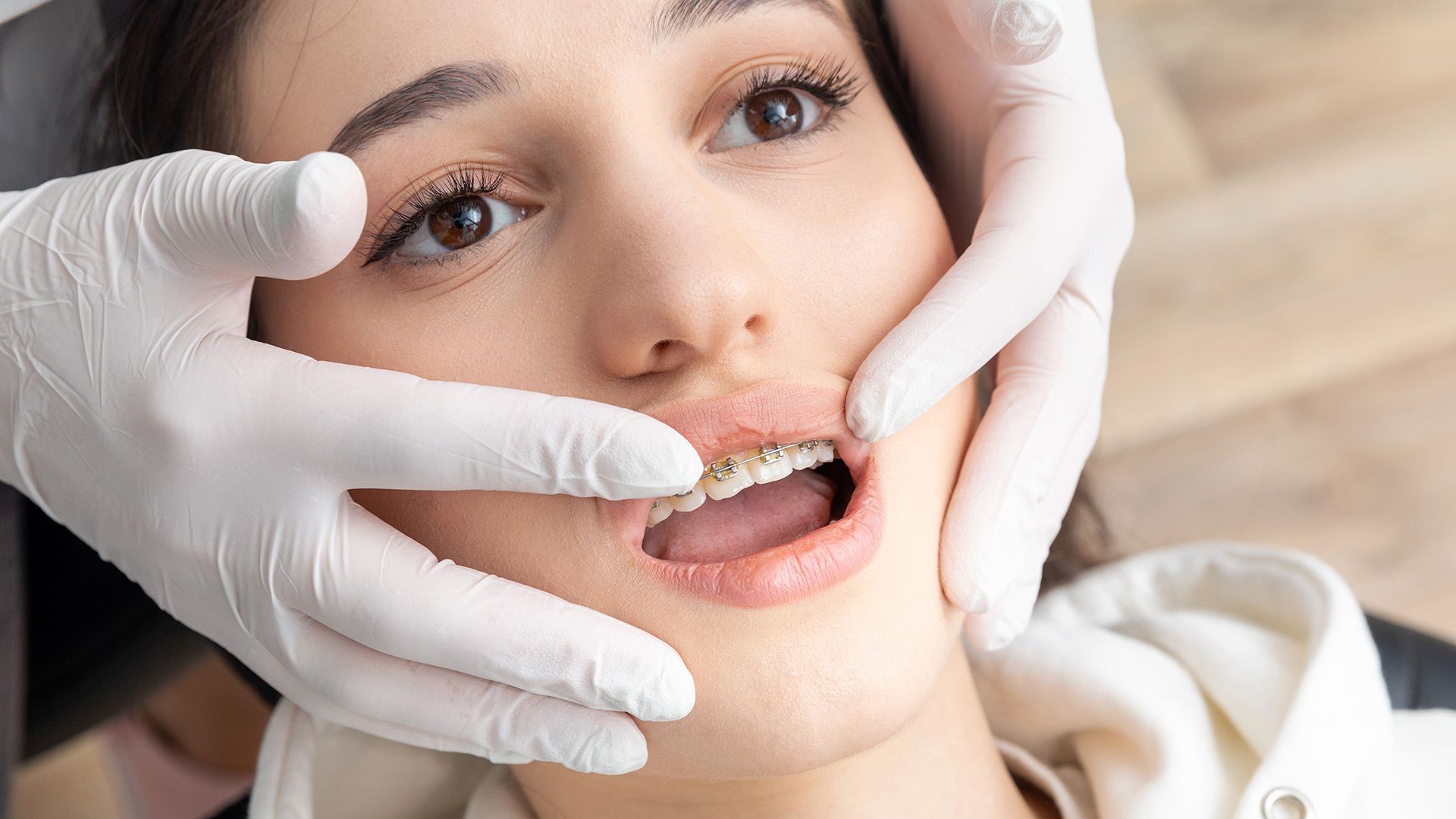
My Bracket Is Loose but Still Attached: What to Do
If a bracket feels loose but is still on the wire, try not to worry. This is a common braces hiccup and is usually safe to manage until you can see your orthodontist. Use the guidance below to check what’s happening, protect your cheeks and gums, and know when to schedule care. The steps below will walk you through immediate, safe actions and when to seek help when a bracket is loose but still attached.
Quick Check: Is the Bracket Loose, Rotating, or Off?
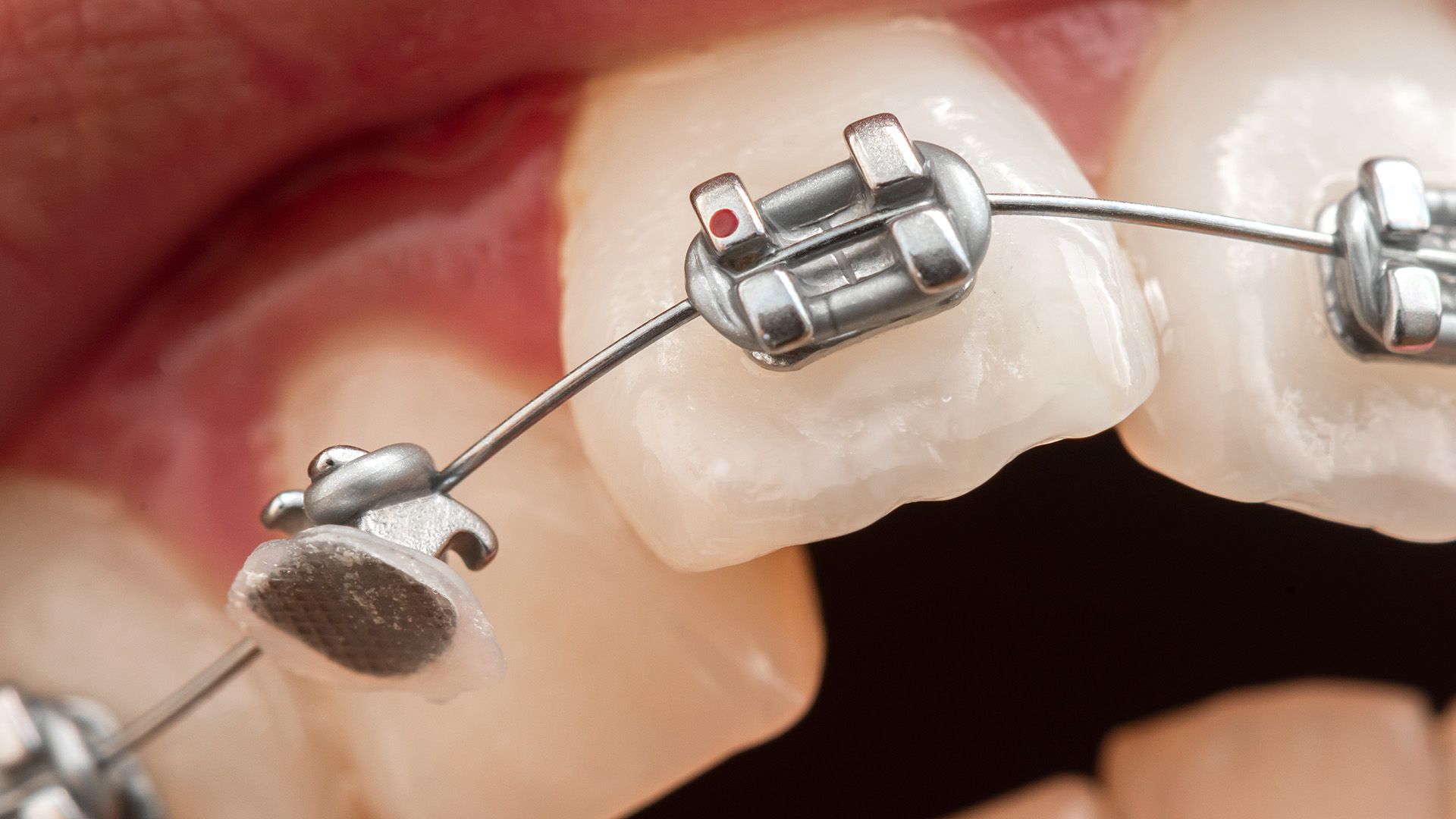
Begin by washing your hands thoroughly. In a well-lit mirror, use a clean, dry finger or a cotton swab to gently nudge the bracket:
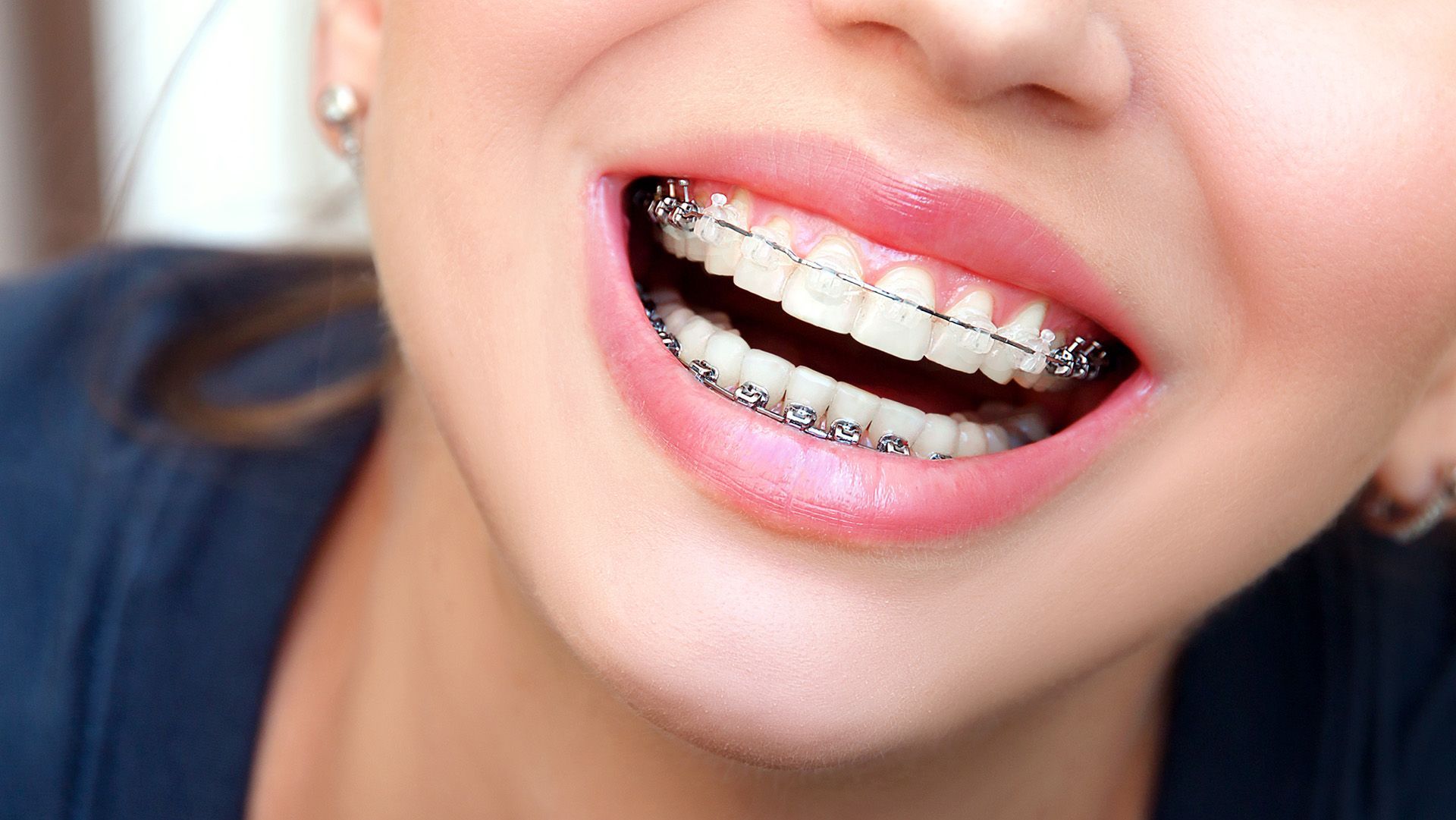
- If it slides along the wire but stays attached with the wire or elastic tie, it has likely come unglued from the tooth but remains secured to the wire.
- If it twists or rotates on the wire, it is no longer bonded to the tooth and needs attention.
- If it has come completely off the wire and moves freely, remove it carefully to avoid swallowing and save it in a small bag to bring to your appointment.
Scan for irritation. A loose bracket can let the archwire poke your cheek or gums. Look for sharp wire ends, redness, swelling, or small sores. If you spot irritation, cover the area with orthodontic wax to reduce rubbing. If the back wire has slipped out of a molar tube, you can try to guide it back into place with clean tweezers if it’s comfortable. If you cannot, protect the spot with wax and contact your orthodontist.
Check the wire’s alignment. Make sure the archwire still sits in the slots of the nearby brackets. A bracket that hangs or spins can alter the wire’s shape and slow tooth movement. Seek urgent care if you have significant pain, bleeding that does not stop with gentle pressure, or a wire embedded in the cheek or gum. For anyone wondering what to do if your bracket is loose but still attached, confirming the wire is not poking and covering any sharp areas with wax is a smart first step.
Simple Home Remedies to Protect Your Mouth
Orthodontic wax is the easiest temporary fix. Dry the area with a tissue, roll a pea-sized piece of wax between clean fingers, and press it over the loose bracket or any sharp wire ends. Replace it as needed, especially after eating and brushing. If you don’t have wax, sugar-free gum can help briefly.
If the bracket is rotating and scraping your cheek, you can gently turn it to lie flatter using clean tweezers or a cotton swab. Do not attempt to glue anything, bend the wire, remove the bracket from the wire, or tighten elastics yourself. Avoid tugging on the wire.
Switch to soft, easy-to-chew foods until you’re seen. Choose yogurt, mashed potatoes, pasta, scrambled eggs, smoothies, and soft fruits. Cut foods into small pieces and chew on the side opposite the loose bracket when possible. Skip sticky, hard, or crunchy foods that could worsen the issue.
For soreness, over-the-counter pain relief such as acetaminophen or ibuprofen can help if appropriate for you. Warm saltwater rinses soothe irritated tissue. Seek urgent care if you notice persistent bleeding, fever, pus, spreading swelling, or a wire penetrating the soft tissue.
How Long Can You Wait to See Your Orthodontist?
Timing depends on three things: your comfort, the wire’s condition, and the potential impact on treatment. You should be seen promptly if you are uncomfortable, the wire is broken or poking, or the bracket is spinning on the wire. If the bracket is unglued but secure on the wire and not irritating, a short wait is usually fine.
As a general guide, a loose bracket that’s comfortable and covered with wax can often wait a few days to a week. Request same-day or next-day care if the wire is out of the back tube, the bracket or wire is cutting your cheek or gum, or wax isn’t controlling irritation. If multiple brackets are loose or a front tooth is affected and you notice movement or alignment changing, call for quick advice.
When scheduling, be specific. Share which tooth is involved (front, canine, premolar, molar), whether the bracket is rotating, if the wire is out or broken, your symptoms (pain, sores, bleeding), and what you’ve tried (wax, sugar-free gum, professional wire trimming). Clear details help the office prepare the right time and materials.
What to Expect at the Office
At your visit, your orthodontist will examine the area, remove any elastic ties, and decide whether to rebond the bracket, replace it, or adjust or replace the archwire. If the wire is distorted, it may be changed to ensure gentle, accurate forces are applied. Early in treatment, they may time rebonding to ensure the tooth surface is clean and dry; later in treatment, the plan may be adjusted to maintain progress.
One loose bracket rarely changes your overall timeline if handled promptly. However, repeated loose brackets or a bent wire can slow progress by disrupting consistent pressure. Your orthodontist will explain whether an extra visit or a short-term change in wire is needed to stay on track.
Costs vary by practice and insurance. Many plans cover routine repairs, though there may be a small fee for broken or lost parts. Bring your insurance information and ask about any charges in advance. A straightforward rebond typically takes 15–30 minutes; appointments may run longer if the wire needs replacement or multiple brackets require attention.
Prevention Tips to Avoid Loose Brackets
Protecting your braces reduces the risk of future issues:
- Avoid hard and sticky foods such as ice, nuts, hard candies, caramel, taffy, jerky, and popcorn kernels.
- Cut crunchy foods like apples and carrots into small pieces, and chew gently with your back teeth.
- Choose safer options: corn off the cob, small bites of pizza, and boneless meats instead of biting directly into tough foods.
Snack smart with braces-friendly choices that are soft or easy to chew: yogurt, cottage cheese, soft tortillas, bananas, ripe berries, hummus with soft pita, and well-cooked vegetables. Use careful eating techniques, take smaller bites, chew slowly, and avoid pulling with your front teeth.
Wear a properly fitted mouthguard for sports or activities with contact or fall risk, including basketball, soccer, skateboarding, and biking. Ask about a braces-compatible mouthguard that leaves room for brackets and wires, and replace it if it becomes worn or misshapen.
Maintain excellent oral hygiene to keep brackets bonded securely. Brush at least twice daily with a soft-bristled brush, angling bristles around brackets and along the gumline. Use an interdental brush to clean under the wire. Floss daily with a floss threader or a water flosser. Good hygiene reduces plaque and acids that can weaken the bond between brackets and teeth.
When to Call for Professional Guidance
If your bracket is loose but still attached and you have discomfort, a poking or broken wire, or a rotating bracket, contact your orthodontist for guidance and scheduling. If the area is comfortable and protected with wax, a short wait may be acceptable. Bring any detached parts to your appointment, and let the team know what you’re experiencing so they can be ready to help you quickly and safely. If you find yourself wondering what to do if you bracket is loose but still attached, start with wax, avoid hard foods, and arrange an appointment to keep treatment on track.