The Purpose of Orthodontic Headgear

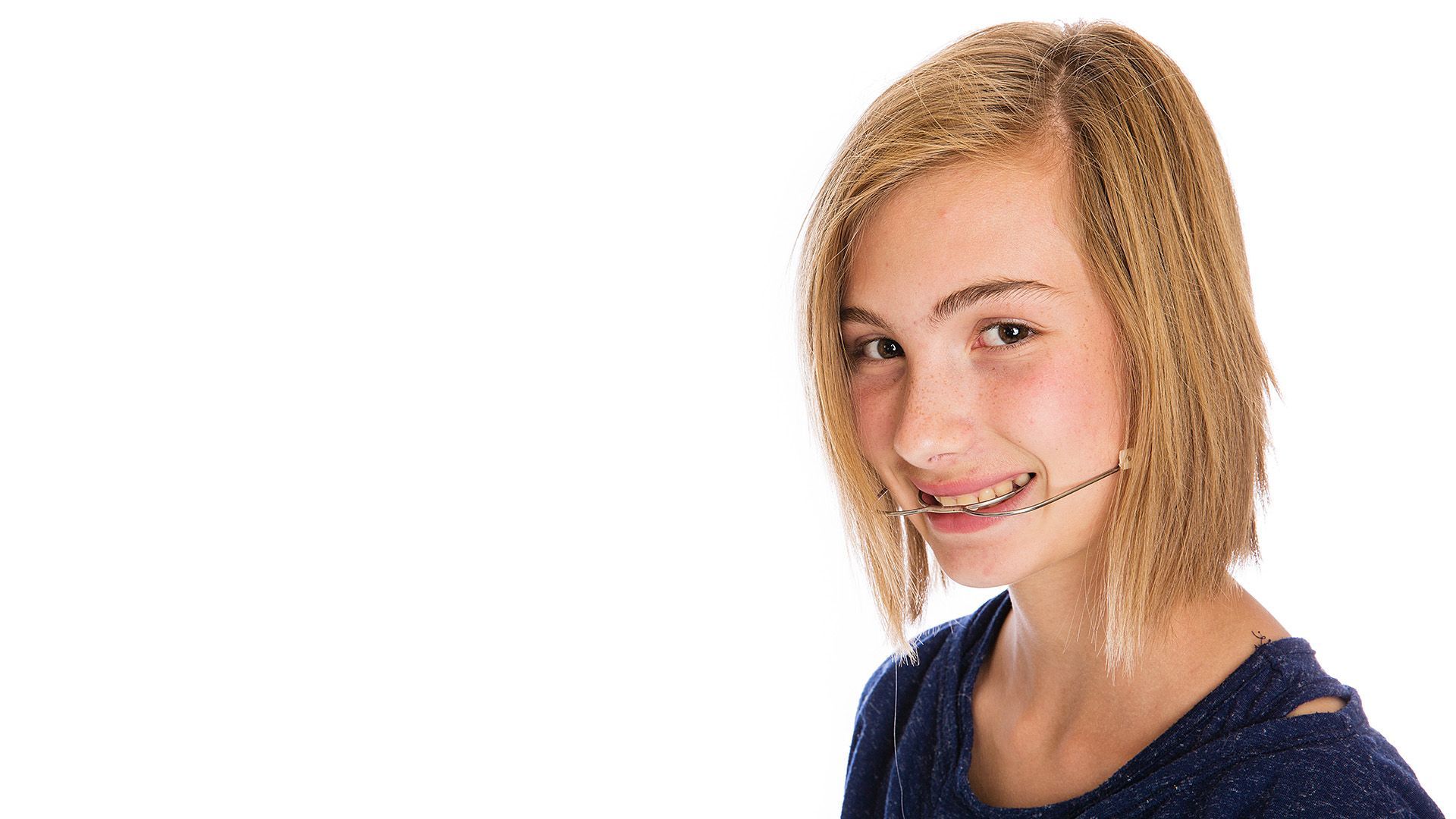
Orthodontic headgear, or extra-oral appliances, are devices that are used in addition to braces that assist in correcting malocclusion. While the braces help to correct the alignment of the teeth, the headgear is worn externally around, you guessed it, the head to help correct the placement of the jaw. Although, in some cases, headgear can also help with teeth alignment such as molars. Making sure the proper bite and alignment is correct is important for good oral health. If these incorrect malocclusions are left untreated, individuals can develop problem later in life such as speech challenges, oral hygiene issues and difficulty chewing food.
Headgear is not as often used today with the advancements in orthodontic technology, but it is not unheard of. Most of the patients that are fitted with headgear are children and young teens as they are still developing and their jaws are easier to manipulate. Adults who are fitted with headgear are few, but it can be done to help with teeth alignment after teeth have shifted due to extractions. Although not seen as often today, many studies suggest that headgear is extremely effective with certain types of malocclusions.
Usually needed to correct overbites or under bites, especially while the jaw is still developing, headgear may be the able to assist in getting the correct alignment. Headgear is meant to help hold the upper jaw in place as the lower jaw matures into the right location. They can also move upper molars back so as to help improve overbites and spacing. On the other side of the spectrum is a reverse pull headgear, or facemask, that is meant to correct under bites using pressure in the opposite direction and moving teeth forward.
Most headgear consists of three main parts. The facebow, sometimes known as J hooks, are affixed to bands on the upper and lower molars. These then extend outside of the mouth and around the face. The headcap are the straps that secure the facebow to the head. Bringing these two together are attachments such as elastic bands, rubber bands, or springs. These provide the pressure when moving the upper teeth and jaw back to the correct positions.
Depending on the severity of malocclusion you may only have to wear the headgear in the evening or at night while sleeping. This will depend on your instructions from your orthodontist as well, usually anywhere from 12-22 hours a day that can last 12-18 months. With any type of orthodontic treatments, soreness is expected especially after an adjustment. Over the counter medicine can help relieve the discomfort as you get used to the new pressure.
While getting used to the idea of headgear as part of your orthodontic treatment journey, remember that it is not meant as a punishment but as an effective and amazing way to help with overbites and under bites. When seeking an Orthodontist in Orlandoto help assist with if headgear is the right fit for you, make sure to consult with the expert team at Baptiste Orthodontics to give you that beautiful smile you always wanted.