Why Are Retainers Necessary After Braces?

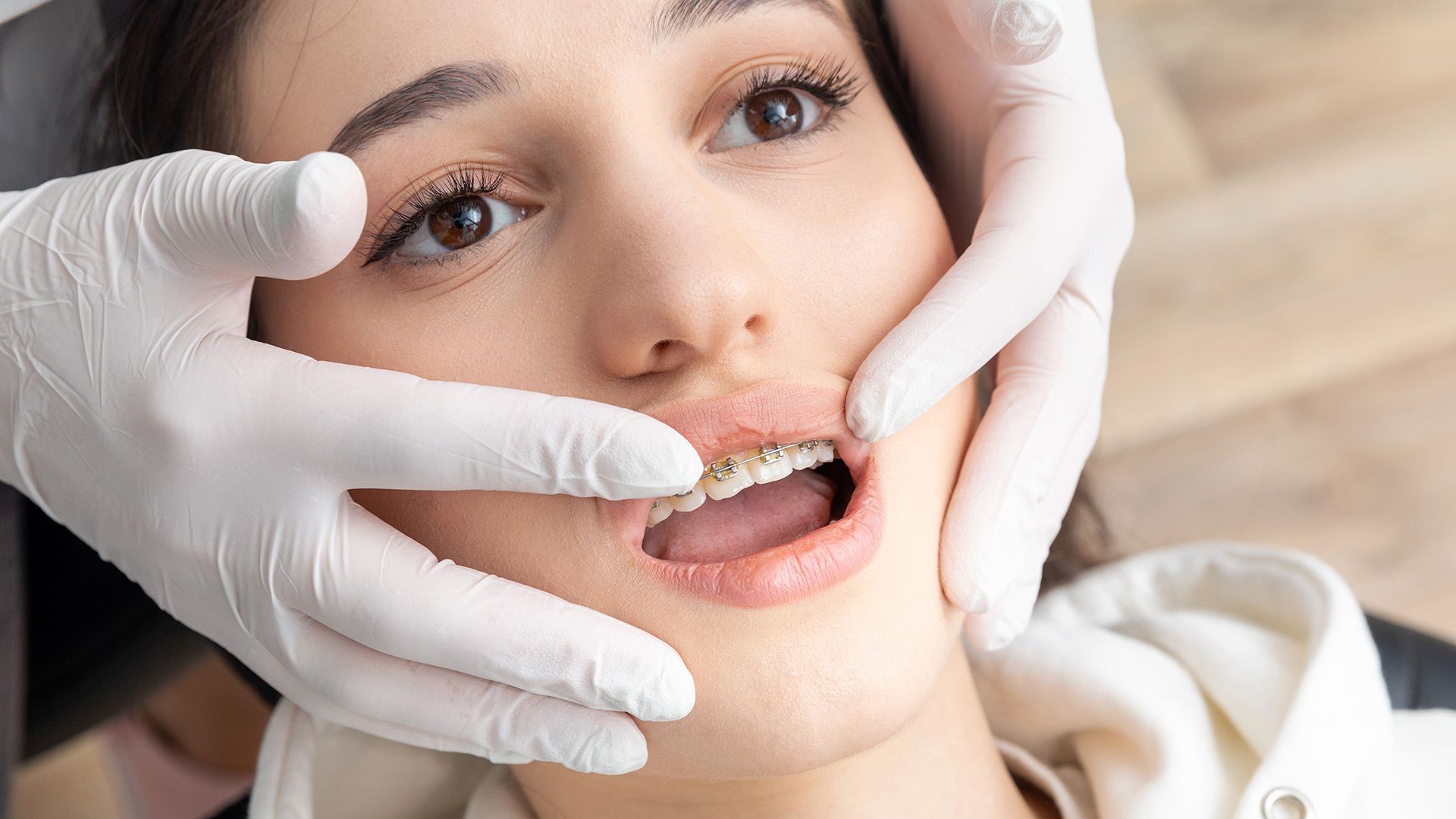
Congratulations! You have made it through the ups and downs
of your orthodontic treatment and your braces are finally ready to come off!
It’s time for you to show off those beautiful straight teeth that you have had
to hide away behind a mouth full of metal. You can eat popcorn and apples
again! No more wires jabbing your cheeks and gums. No more applying wax to
sharp pointed metal pieces. You have come to the end... Just kidding. There is
one more step to this treatment plan that cannot be overlooked. The retainer.
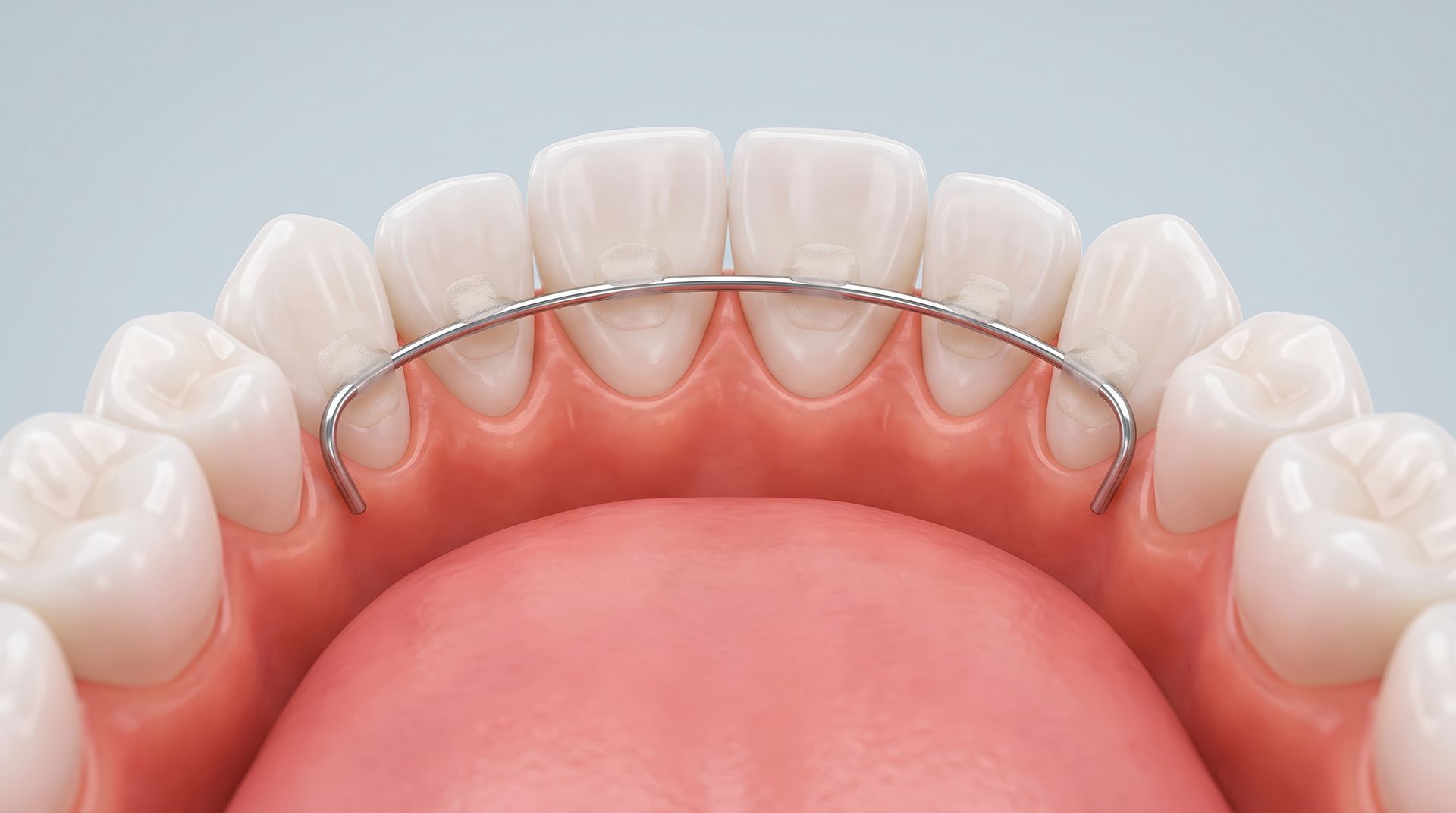
It may be one of the most important (and discarded) items when it comes to your orthodontic treatment plan. A retainer is a custom made device for your teeth after the braces come off, to help maintain the straight smile and bite that you just spent months trying to correct. There are two types of retainers that your Orlando orthodontistwill discuss with you and which would be the best fit for you.
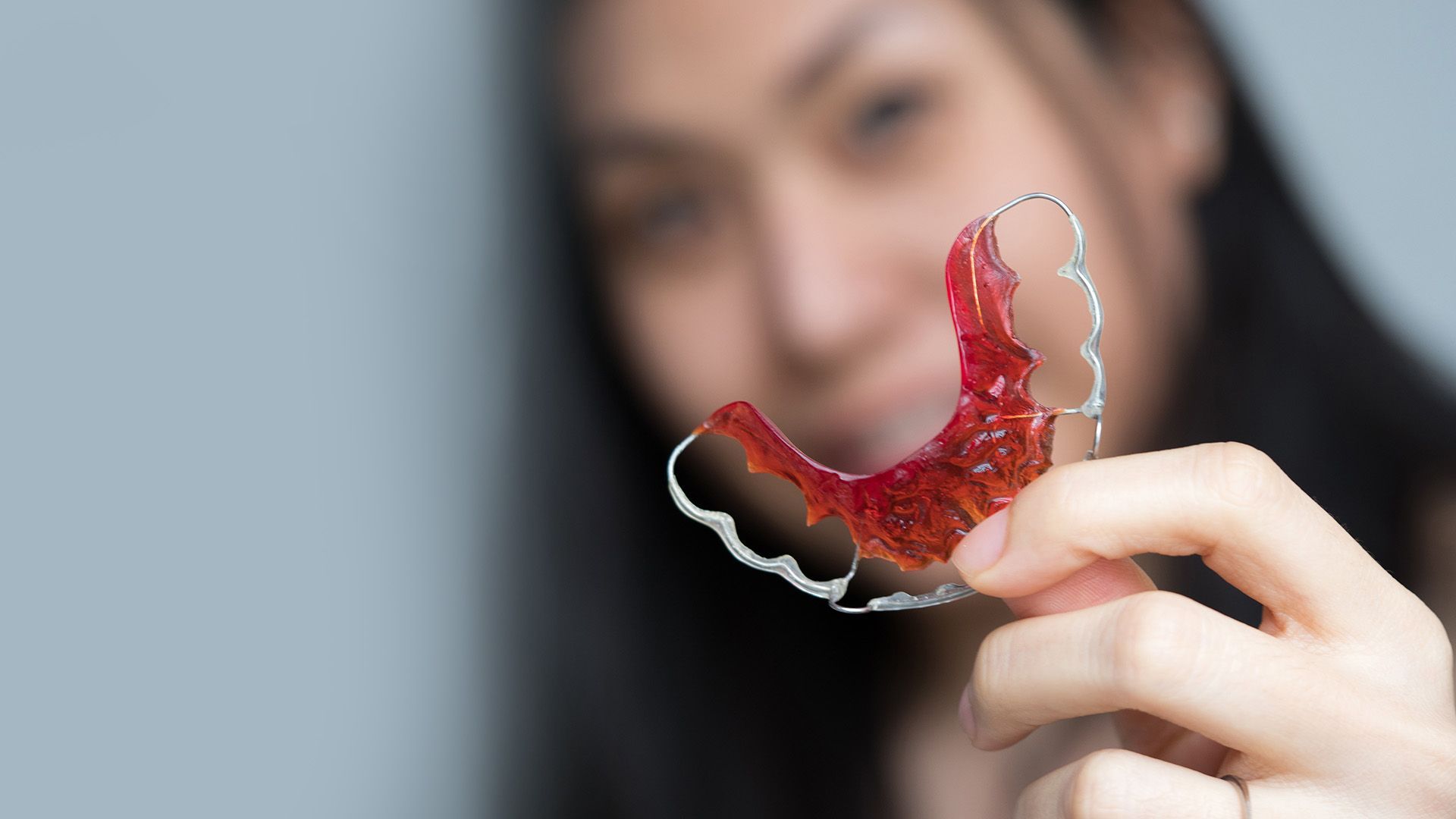
A removable retainer, just like the name suggests, means that you can take it in and out when necessary such as for eating or brushing your teeth. The device is usually made up of wiring that forms across the front of the teeth (both upper and lower) and attached to an acrylic piece with hooks that hold everything in place. These types of retainers can also be adjusted in case there happens to be any slight movement with teeth settling.
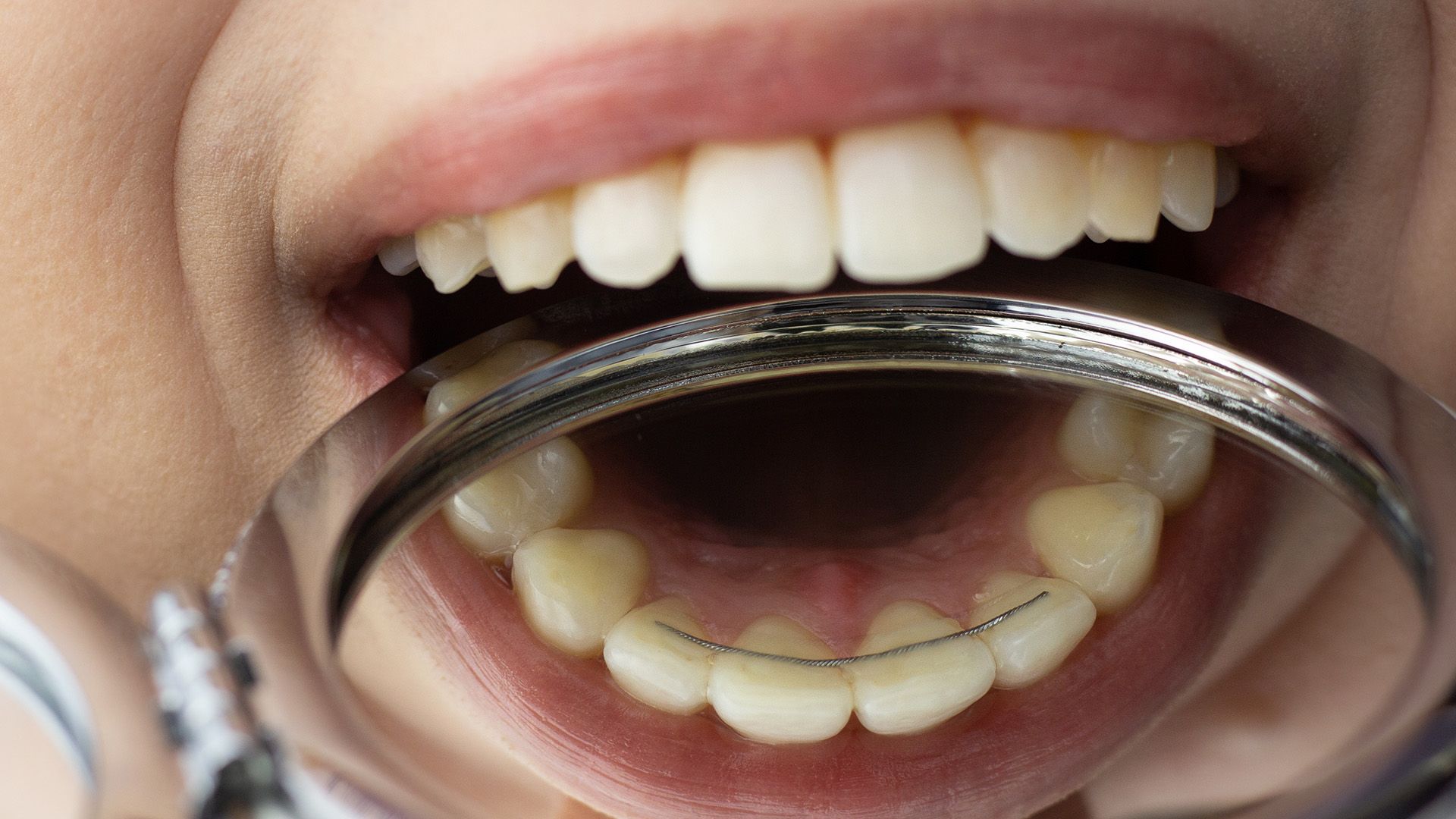
Fixed retainers are made up of a thin wire that has been bonded or glued to the back side of the front teeth. These types of retainers seem to have the best results as they cannot be removed by the patient and therefore not forgotten to be put in. Because they are affixed similar to braces, the maintenance will be fairly familiar.
There are many reasons that an individual needs to follow up their orthodontic treatment with a retainer, such as:
·To hold teeth in their new positions- your teeth can be stubborn and after months being forced into a new position, once you get your braces off they may try and re-shift back to their old homes. Wearing a retainer as instructed by your orthodontist ca help prevent all the time and effort you had making the changes in the first place.
·Correct spacing- 90% of braces are common among preteens and teenagers. Their bodies are continuing their development. With this comes the eruption of wisdom teeth. Retainers help to maintain correct spacing that is needed in order for accommodation of the wisdom teeth, and not allow shifting or crowding to occur.
·Stabilizing the new bite- once your braces have been removed your tissues and bones will have to continue to adjust to the new changes of your teeth being repositioned. Retainers help to stabilize the new arrangement and helps to prevent your teeth shifting back to their old position.
·Avoid future treatments- your teeth will want to move back to their old positions following the removal of the braces. To prevent having to get braces for a second time, wearing a retainer can help to eliminate this need.
·Helping with speech impediment- many think that while wearing any orthodontic device will make speech difficult and can develop a lisp. There are special retainers that can help to correct a speech impediment. Talk with your doctor if you think you may benefit from this device.
Once the braces come off remember that by wearing the retainers as instructed, you can achieve a straight beautiful smile for years to come.