Who's a Good Candidate for Braces?

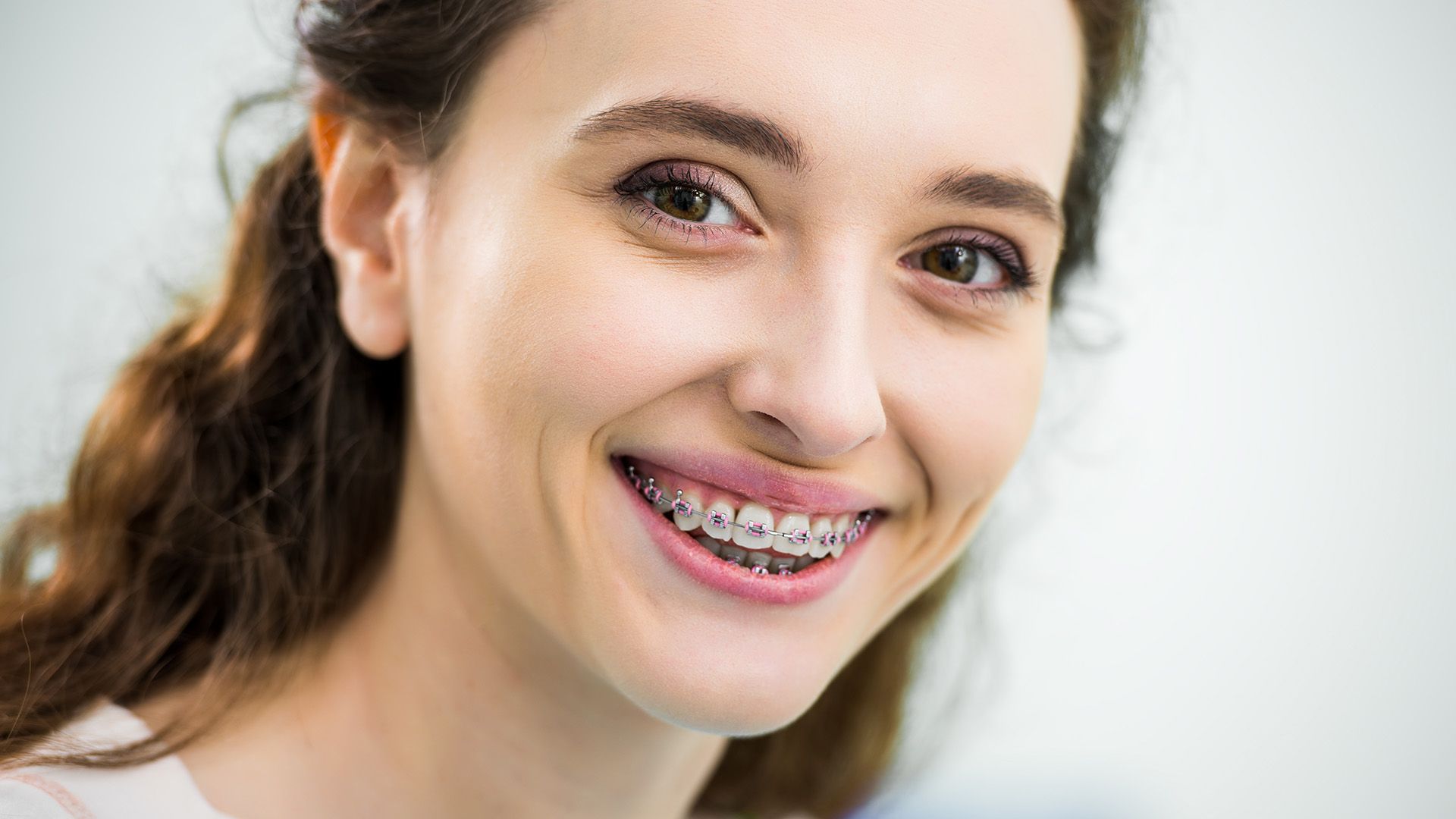
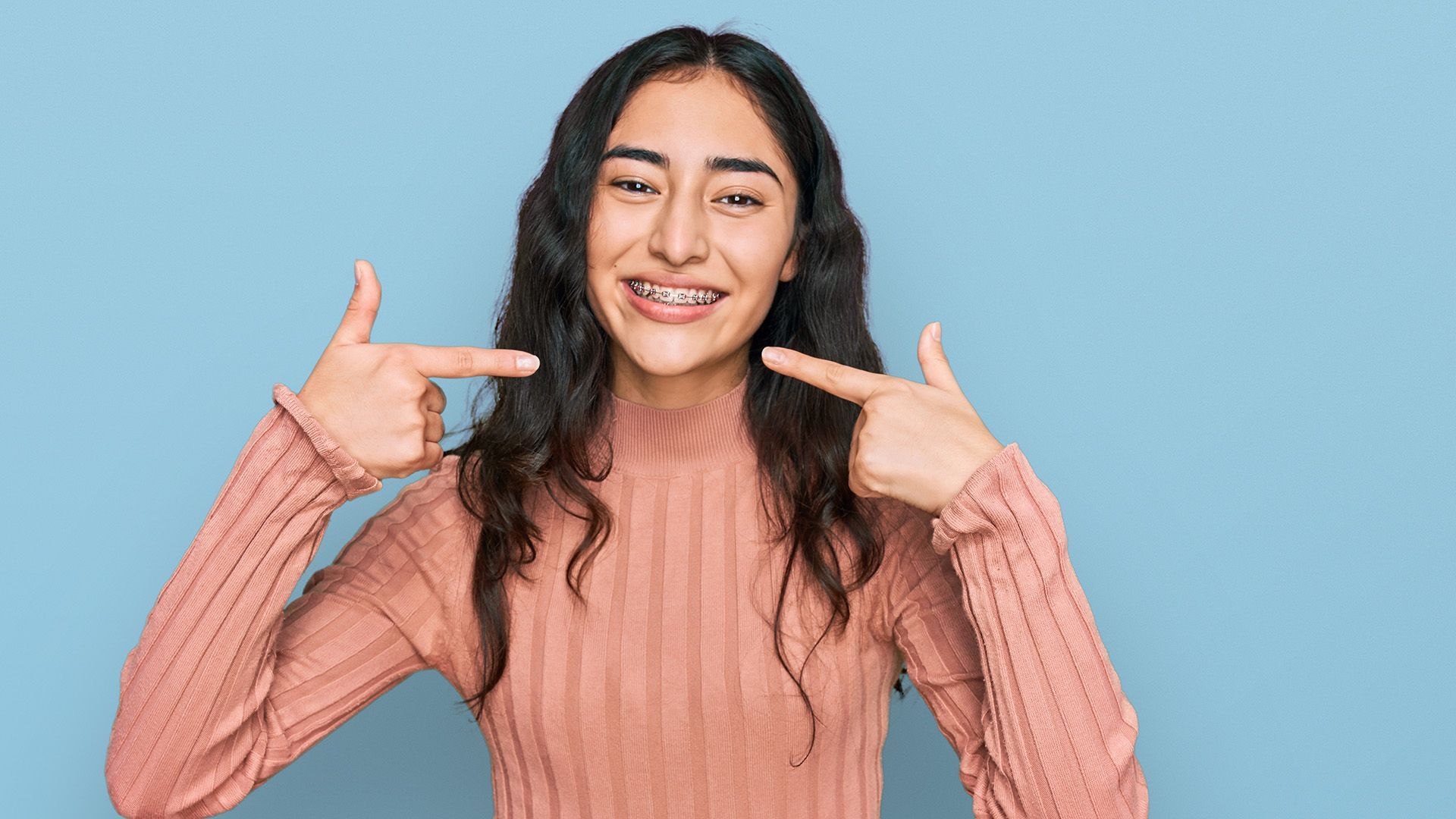
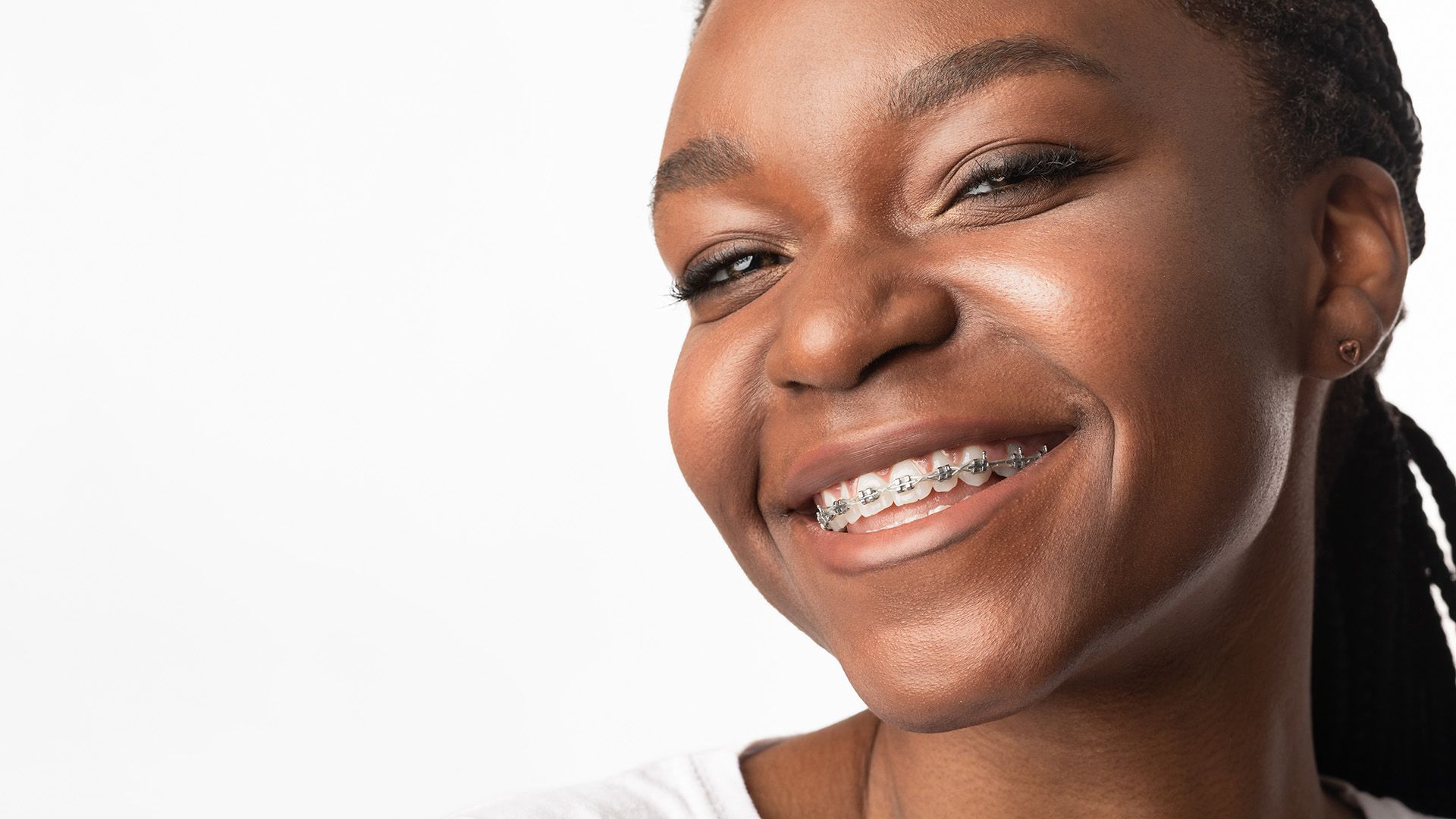
Who is a good candidate for braces? Almost everyone! If you have ever felt self-conscience about your smile, maybe they were slightly crooked or you have an overbite, you may just be the ideal contender for braces. Ideally, braces are prime targets for young adults and adolescents whose mouth structure may still be forming and therefore better manipulated. However, this does not mean that adults or even younger children cannot receive the benefits of braces.
A common misconception of those who wear braces is that it is only for atheistic purposes. To fix crooked teeth and make slight improvements to dental imperfections. This is just one of the benefits of braces, when in fact they could be assisting in a much more severe condition that could potentially turn into a larger problem later in life. For instance, overcrowding of teeth may have been caused by genetics or from thumb sucking at a young age. If not properly fixed, this can cause structural damage affecting your bite and jaw which may result in tooth decay (for severe cases). Many individuals suffer from variations of many different types of bites including over, under, crossbite, overjet, and an open bite. If not properly cared for these can cause many problems for individuals later including jaw pain, chances of tooth decay and gum disease, structural changes in the face, speech interference and low self-esteem.
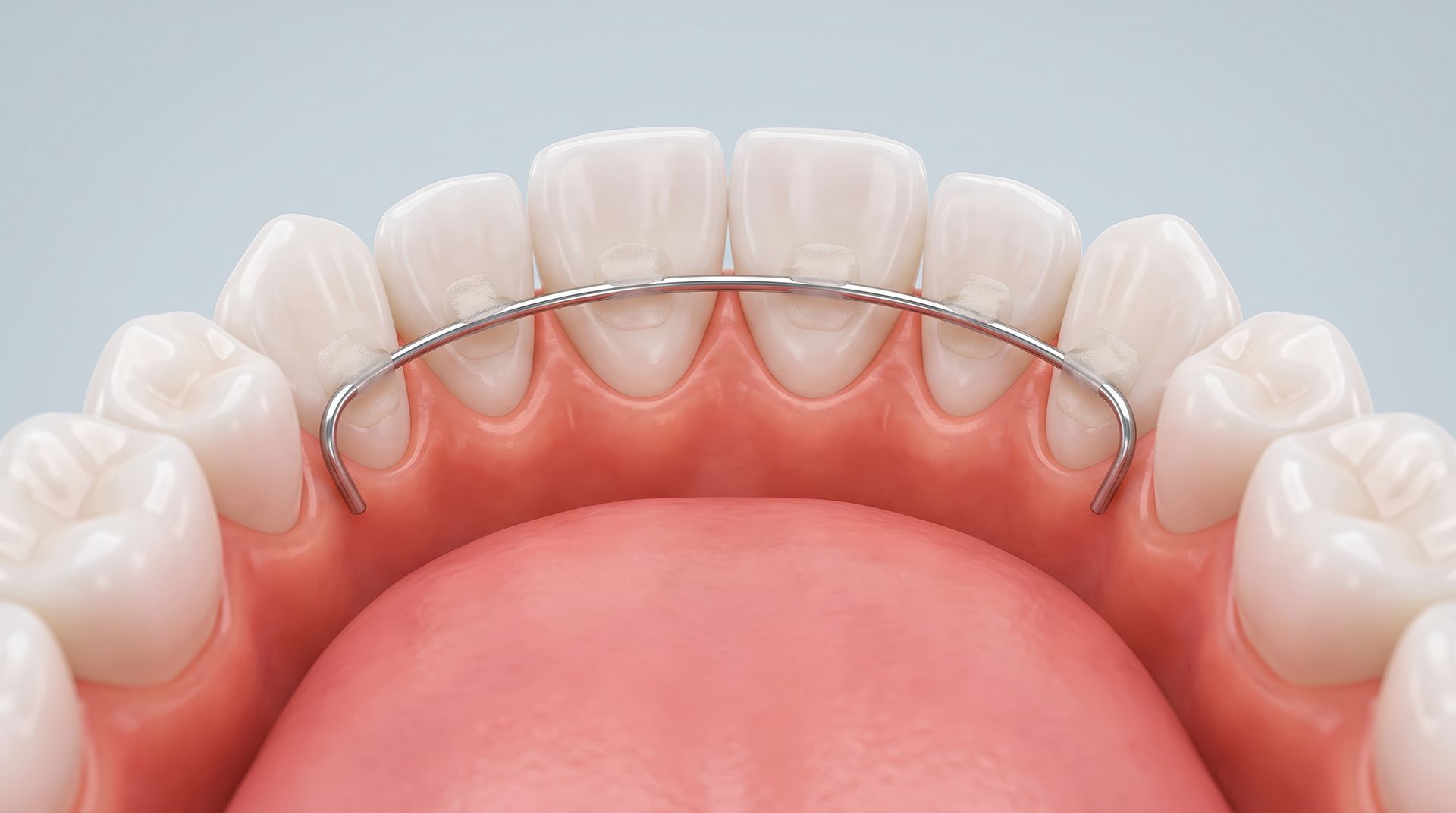
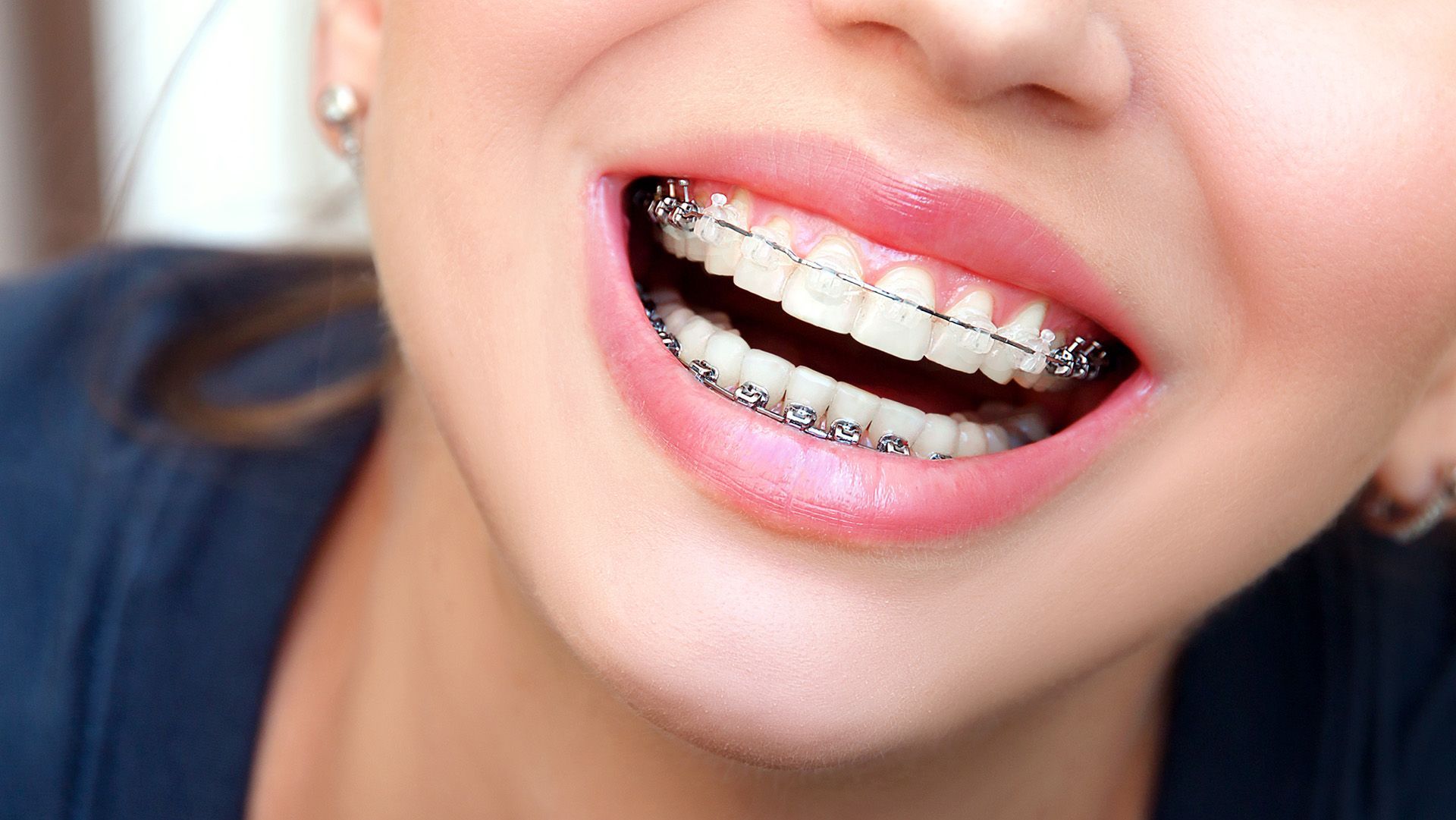
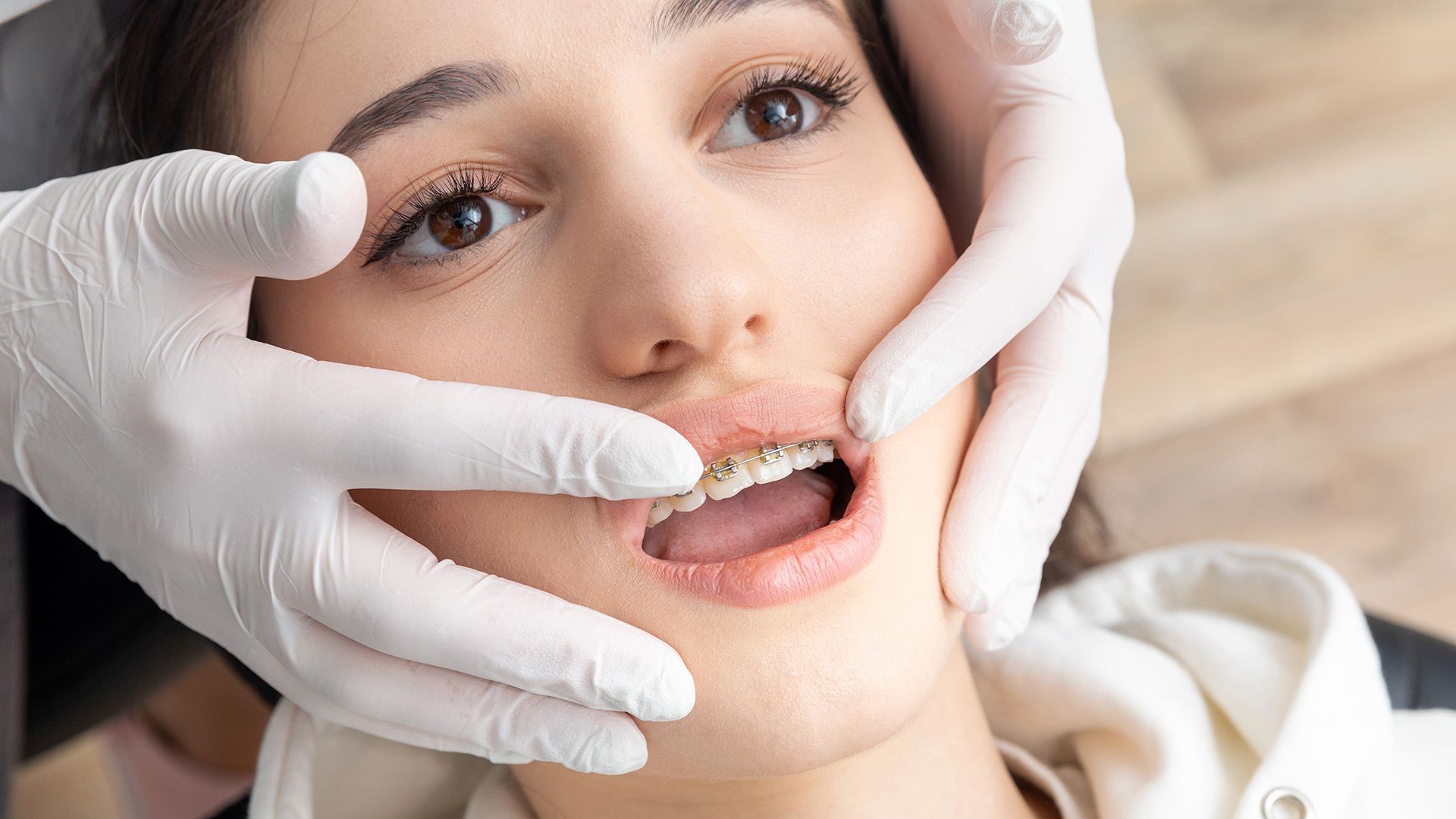
Candidates for braces should be in good overall oral health, but wanting to make improvements that can help them with imperfections and other underlying problems. Many patients can feel a sense of low confidence when wearing braces, especially in older children and adults. There may be a solution to this with clear braces as an alternative to tradition metal ones. These plastic aligners are nearly invisible and work perfectly for less extreme corrections. Depending on the severity of each case it is always a good idea to have a consultation with an orthodontist as your first step in your dental treatment. From there, your orthodontist can help determine which treatment plan is the best fit for you.
One common fear of braces is that they hurt. Every person feels differently, but braces are not meant to hurt. When you first receive braces, there will be a slight adjustment period to get used to the extra gear in your mouth, and you may even feel some slight discomfort for the first few days as your teeth adjust. Many patients find that within a week they have completely adapted. When you come in for adjustments and follow-ups every six to eight weeks, there may be a few hours after where you feel the pressure, but your teeth will quickly adjust.
When searching for an orthodontist in the Orlandoarea, look no further than Baptiste Orthodontics. Their team of experts can help determine and correct dental imperfections with the utmost care and professionalism. If you think you or your child would benefit from braces, give the team at Baptiste Orthodontics a call today.